




Rosewood Cupboard on Chest
These rosewood cupboard on chest pieces are substantial storage furniture combining upper compartments with lower drawer sections, prized for their rich timbers.
Rosewood Cupboard on Chest
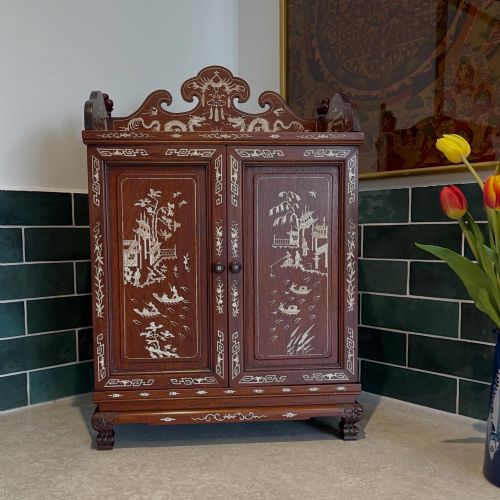
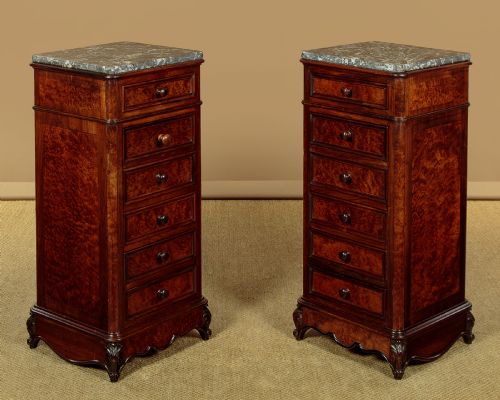
A rosewood cupboard on chest brings together vertical cabinet storage and horizontal drawer space, forming a commanding presence in a room. Buyers searching this phrase encounter a variety of forms including bedside cabinets, linen presses, cabinets on stand, music cabinets, and chests of drawers.
The selection ranges across several periods from the nineteenth century into the Edwardian era, alongside distinct regional examples such as Chinese cabinets and Portuguese pieces. Victorian and Edwardian iterations dominate, often incorporating intricate inlay or crossbanding alongside the primary rosewood timber.
Smaller variations include bedside pedestals and table cabinets, while larger formats provide substantial capacity through combined cupboard and multi-drawer arrangements. Each configuration serves a specific domestic function while displaying the distinctive grain and deep colour of rosewood.
How they were made
Cabinet makers utilised dense exotic hardwoods, principally rosewood, often enhanced with contrasting veneers such as amboyna and mahogany crossbanding. Structural elements rely on traditional joinery techniques to support the weight of heavy timbers and fitted interiors.
Decorative detailing incorporates mother of pearl inlay, intricate wood marquetry, and polished brass handles to punctuate the dark surfaces of the wood. Selected pieces integrate functional additions including marble tops, mirrored glass panels, and specialised internal compartments for sheet music or linen.
Rosewood Cupboard on Chest Retail Price Guide 2026
Typical asking prices for rosewood cupboard on chest among the pieces listed under this phrase on Sellingantiques today, from the lower quarter to the upper quarter. They describe what is for sale here now, not the wider market.
Music cabinets arrive with internal wooden racks designed specifically to keep Victorian sheet music from curling.
What varies in quality
The sophistication of the timber selection and veneer matching defines the upper tier of these pieces, where grain patterns align harmoniously across doors and drawer fronts. Superior examples demonstrate meticulous precision in inlaid marquetry and the integration of secondary woods like amboyna.
Construction integrity and the retention of original hardware, such as brass handles and working locks, distinguish finer specimens from heavily altered pieces. The harmony between the upper cupboard and the lower chest proportions dictates the visual success of the overall form.
The Rosewood Cupboard on Chest Glossary
- Rosewood
- A heavy, dense tropical timber valued for its dark purple-brown hue and dramatic black grain patterning. It takes a high polish and forms the primary surface of these cabinets.
- Crossbanding
- A decorative border technique where veneer strips are laid perpendicularly to the surrounding grain. This frames drawer fronts and cabinet doors with a contrasting stripe of timber.
- Commode
- A low standing cabinet or chest of drawers designed with decorative doors or drawers. French iterations often feature shaped marble tops.
- Linen Press
- A tall storage piece featuring upper cupboard doors enclosing sliding trays, mounted above a base of lower drawers. They provide deep storage capacity for textiles.
Rosewood Cupboard on Chest: Frequently Asked Questions
What is a rosewood cupboard on chest?
It is a piece of case furniture that mounts an enclosed cupboard section directly above a set of lower drawers. This design maximises vertical storage while keeping smaller items organised below.
The configuration adapts across different domestic uses, from bedside pedestals to music cabinets and large linen presses. The combination of cupboard doors and drawers offers versatile storage for modern interiors.
How do I date a rosewood cabinet?
Dating relies on examining the structural timber, the style of inlay, and the type of hardware fitted to the piece. Nineteenth-century examples often feature solid construction with hand-cut dovetails, while Edwardian pieces frequently incorporate delicate marquetry.
Comparing the secondary timbers inside drawers and the ageing of the polish helps confirm the period. Regional variations, such as Chinese export pieces or Portuguese Baroque forms, also carry specific stylistic markers of their era.
Where should I place one at home?
These pieces suit living rooms, hallways, or bedrooms where their dark timber and detailed surfaces can act as a focal point. Taller cabinets work well against substantial walls, while bedside variants fit neatly beside larger bed frames.
Ensure the placement avoids direct sunlight to protect the rich rosewood polish and any delicate amboyna veneers. Adequate clearance allows cupboard doors and drawers to open fully without obstruction.
How do I care for rosewood furniture?
Maintenance involves dusting with a soft, dry cloth and occasionally feeding the timber with a quality wax appropriate for antique finishes. Avoid using silicone sprays or household cleaners that can degrade the polish over time.
Keep the furniture away from direct heat sources and maintain stable room humidity to prevent the timber and veneers from splitting. Regular gentle care preserves the natural lustre and depth of the wood grain.