

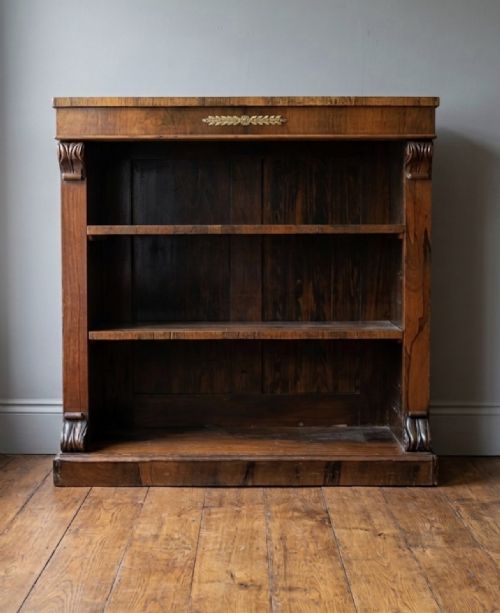


Rosewood Bookshelf Unit
A rosewood bookshelf unit brings rich, dark timber and steady shelving to a room, holding rows of volumes with quiet dignity.
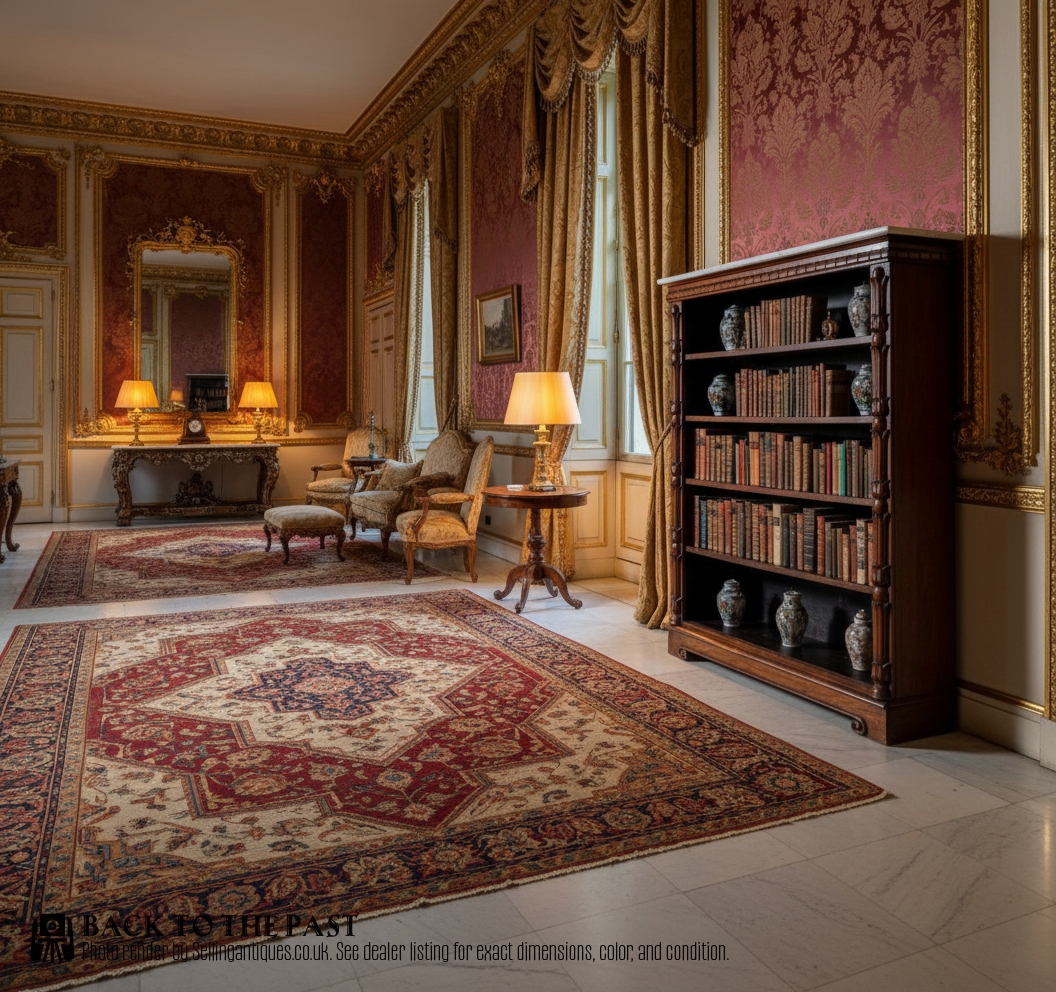
Rosewood Bookshelf Unit
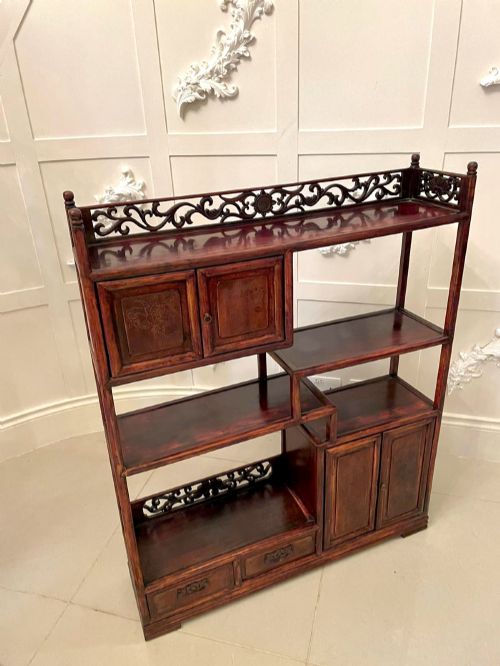
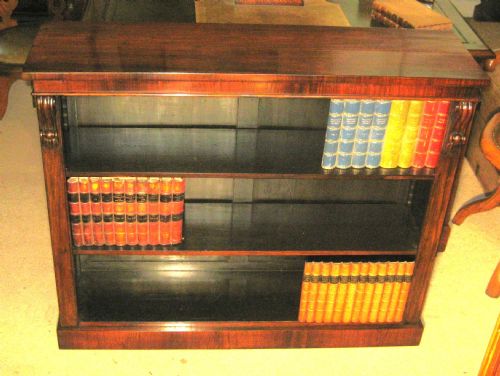
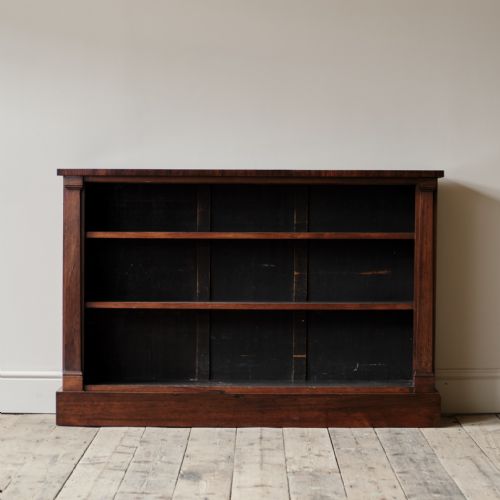
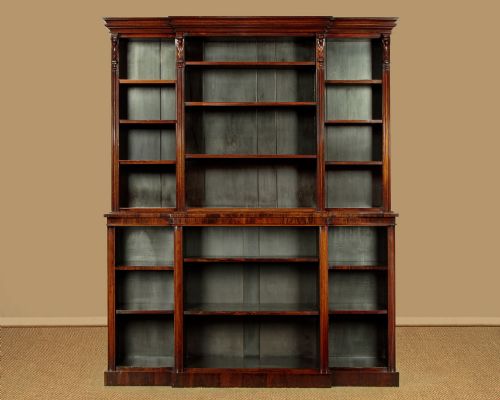
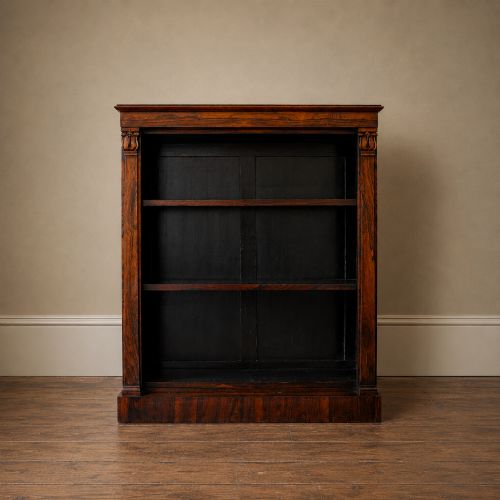
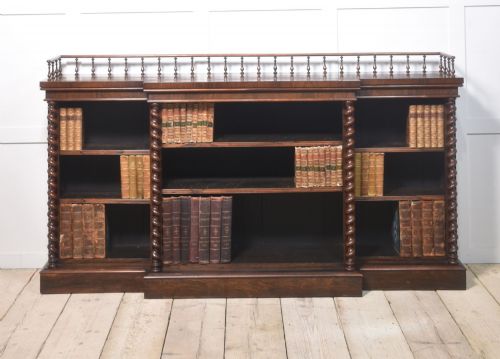
A rosewood bookshelf unit appears most frequently in nineteenth-century incarnations, spanning the Regency, Victorian, and Edwardian periods. These pieces range from low open bookcases and breakfront designs to multi-tiered etageres and waterfall shelving.
Makers of the era designed these units to house libraries in formal rooms, utilising open formats for easy access to volumes. Alongside solid timbers, many examples incorporate rosewood veneer over secondary woods like softwood, whilst others adopt simulated paint finishes.
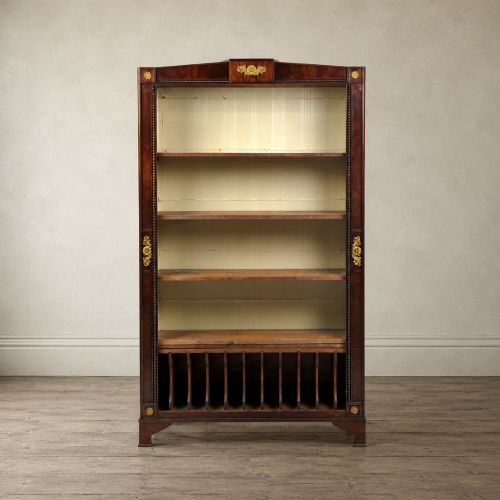
Geographic variations stretch from English workshops to French Empire styles and Anglo-Indian carved creations. Buyers encounter both single items and matched pairs, often enhanced with adjustable shelves or specialised display compartments.
Distinctions in craftsmanship and design
Quality rests on the depth of the timber's grain and the precision of the cabinet work, particularly around breakfront layouts and adjustable shelf mechanisms. Superior pieces display seamless veneer matching and stable structural integrity across larger proportions.
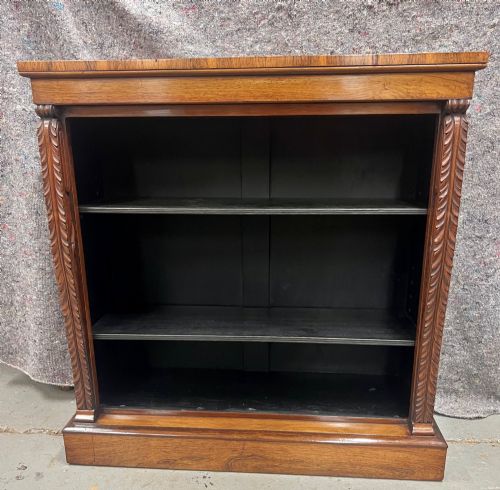
Decorative embellishments set finer examples apart from simpler utility furniture. The inclusion of brass inlay, carved architectural details, or integrated marble tops elevates a standard shelf unit into a refined focal point.
Listings feature nineteenth-century pieces spanning the Regency, Victorian, and Edwardian eras, incorporating rosewood, marble, brass, and painted wood.
The Rosewood Bookshelf Unit Glossary
- Rosewood
- A dense, heavily grained exotic timber prized for its deep colour and durability in fine cabinet making.
- Etagere
- A piece of furniture consisting of a set of open shelves for displaying small objects or books.
- Waterfall bookcase
- A shelving unit where each tier steps back from the one below, creating a cascading profile.
- Breakfront
- A large cabinet or bookcase where the central section projects forward from the flanking wings.
- Simulated rosewood
- Painted wood treated to imitate the distinctive grain and dark tones of genuine rosewood.
Rosewood Bookshelf Unit: Frequently Asked Questions
How do I adjust the shelves?
Many nineteenth-century examples utilise wooden ratchets or brass peg supports embedded within the interior sides. Adjusting them requires lifting the shelf slightly to disengage the supports before moving them to the desired height.
Care must be taken with older mechanisms to avoid splitting the timber lining the interior grooves. Ensure the shelf rests evenly on all four supports before loading books back onto the tier.
Can these hold heavy books?
Most period bookcases were built to support substantial volumes of literature without structural failure. The dense nature of rosewood and sturdy internal framing provide reliable strength for everyday use.
Heavier folio volumes are best placed on lower fixed shelves rather than upper adjustable tiers. This keeps the centre of gravity low and prevents undue strain on older shelf supports.
Where should I place a marble top unit?
Units featuring marble surfaces benefit from placement away from direct heat sources and strong sunlight, which can dry out the surrounding timber. The stone top offers a durable display area for decorative objects alongside your book collection.
Ensure the floor beneath is level, as heavy stone tops increase the overall weight of the furniture. Uneven flooring can cause stress on the joints of the surrounding wooden carcass.