





Rose Red Carpet
A rose red carpet brings warmth and striking floral pattern into a room through traditional woven wool, cotton, and silk.
Rose Red Carpet
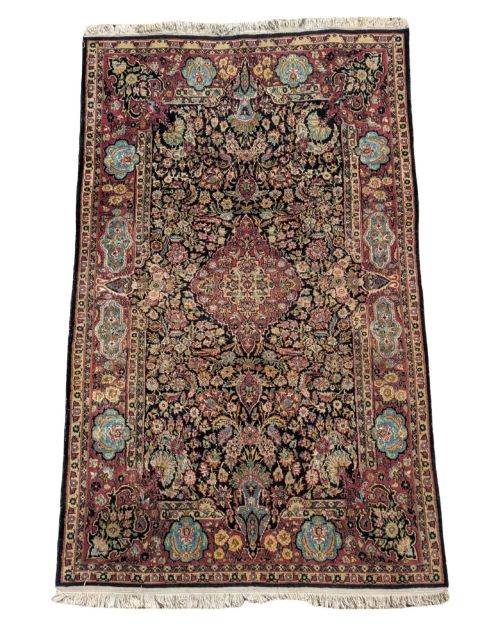
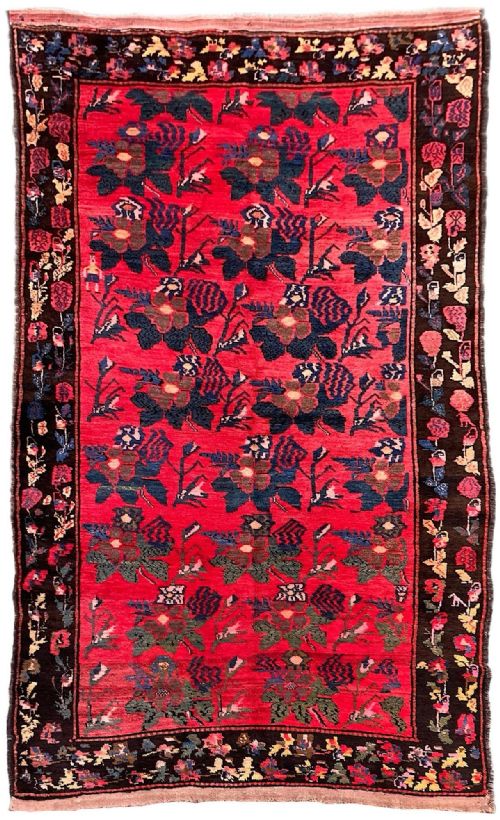
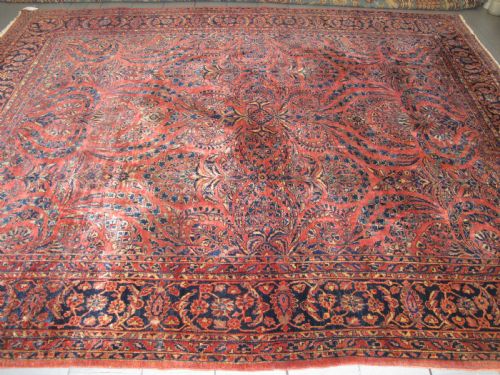
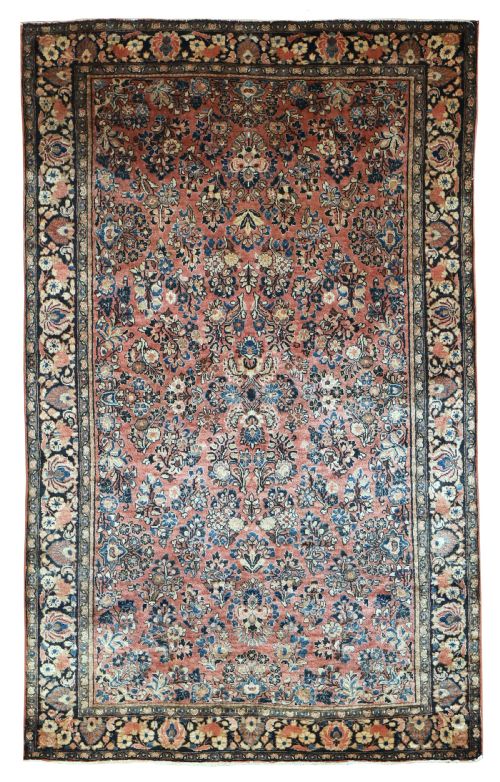
When you search for a rose red carpet, you encounter woven floor coverings spanning the late nineteenth century to the early twentieth century. The selections available here encompass Persian, Bessarabian, Caucasian, and French Rococo styles, reflecting diverse regional weaving traditions.
You are most likely to meet Bessarabian kilims and Persian rugs from the nineteen-twenties and thirties alongside Caucasian karabagh pieces. These items range from large room-sized carpets down to area rugs and runners.
The aesthetic centres on deep crimson and rose pink tones, often paired with floral motifs inspired by French designs. Each piece demonstrates the distinct knotting or flatweaving methods characteristic of its place of origin.
Materials and construction
Weavers utilised natural sheep wool for the primary pile and foundation, often combining it with cotton warps for structural stability. Silk highlights appear in certain pieces to accentuate specific design elements with a subtle sheen.
The manufacturing techniques vary between hand-knotted pile carpets, flatwoven kilims, and woven French Aubusson square rugs. Each method requires careful selection of dyed yarns to achieve the rich red and rose colour palettes.
Materials across the selection are strictly limited to wool, cotton, and silk, utilised in both pile carpets and flatwoven kilims.
Judging the quality
Quality rests upon the fineness of the weave, the clarity of the botanical motifs, and the depth of the natural dye palette. Tighter knotting or more precise flatweaving produces a sturdier structure that preserves the integrity of the floral design.
The handling of the rose pink and crimson tones dictates visual success, with superior examples maintaining harmonious saturation across the entire field. The condition of the wool, cotton, and silk materials further distinguishes the finer items in the range.
The Rose Red Carpet Glossary
- Kilim
- A flatwoven carpet or rug produced without a pile, traditionally made in regions such as Bessarabia. These textiles rely on tightly packed horizontal weft threads pulled closely over vertical warps to form geometric or floral patterns.
- Pile
- The upright yarn loops or tufts that form the soft surface of a knotted rug. It provides both comfort underfoot and protection for the structural foundation beneath.
- Warp
- The stationary lengthwise threads stretched on a loom before weaving begins. Weft threads pass alternately over and under these structural elements.
- Weft
- The transverse threads passed horizontally through the warp yarns to build the fabric of the rug. In flatweaves, these coloured threads completely conceal the warp.
- Karabagh
- A traditional style of rug originating from the Caucasus region, known for distinctive colour combinations and sometimes incorporating European-inspired floral motifs.
Rose Red Carpet: Frequently Asked Questions
Where were these rugs made?
The pieces originate from diverse weaving traditions across Persia, the Caucasus, Bessarabia, and France. Each region employed local materials and distinct knotting or flatweaving techniques.
Production dates span from the late nineteenth century through the early decades of the twentieth century, reflecting shifting stylistic preferences in floral design.
How do I care for a wool rug?
Regular gentle vacuuming without a rotating brush helps remove dust from the wool pile or flatwoven surface. Keeping the textile out of direct sunlight preserves the rich rose red and pink tones.
Professional cleaning tailored for antique carpets ensures the cotton, wool, and silk fibres remain intact over years of use.
What is the difference between a kilim and a pile rug?
A kilim is a flatwoven textile without any raised pile, resulting in a lighter and thinner floor covering. They are created by interlocking weft threads tightly across the warp.
In contrast, pile rugs feature knotted yarn ends that stand upright from the foundation, offering a softer and thicker texture underfoot.
How can I tell the period of a rug?
Dating relies upon stylistic markers, material analysis, and structural characteristics typical of specific manufacturing eras. Pieces from the eighteen-seventies often show French Rococo influences, while nineteen-twenties and thirties examples display varied Persian and European floral designs.
Examining the types of dyes and spun yarns provides additional clues regarding the age of the textile.