

Rose Painted Porcelain
Rose painted porcelain pieces bring together floral artistry and ceramic history, offering collectors delicate depictions of blooms across centuries of global craftsmanship.
Rose Painted Porcelain
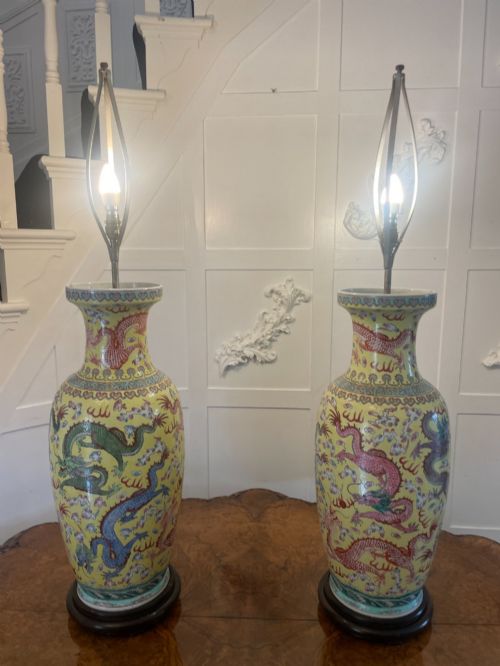
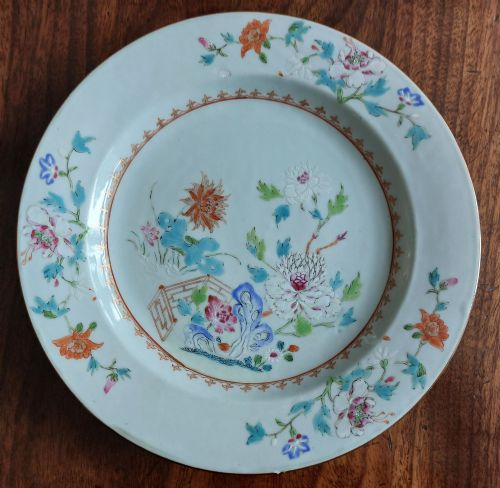
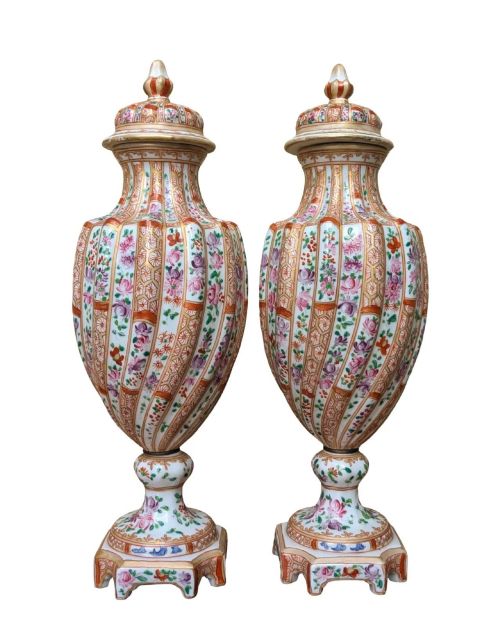
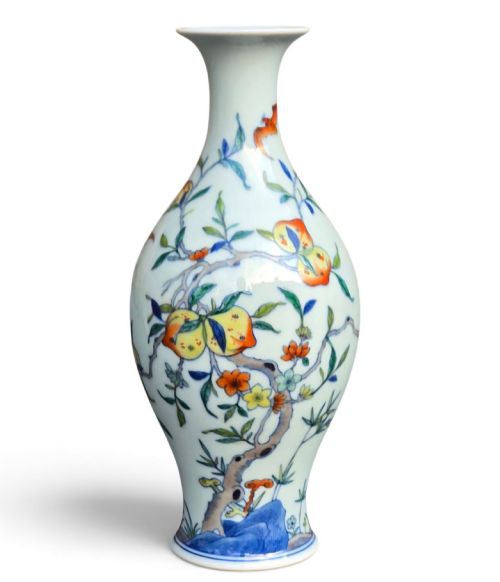
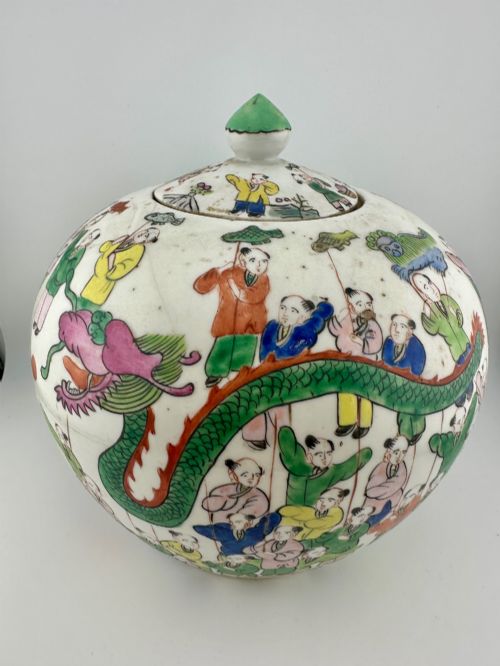
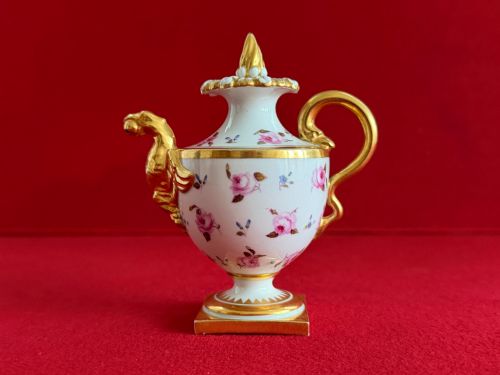
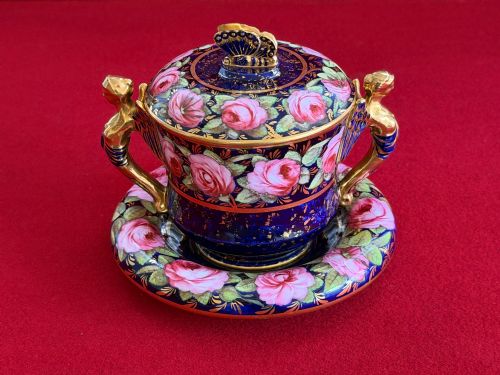
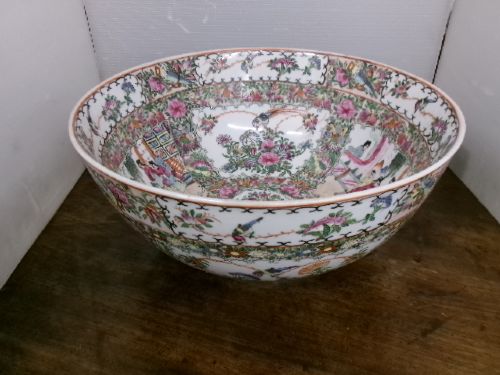
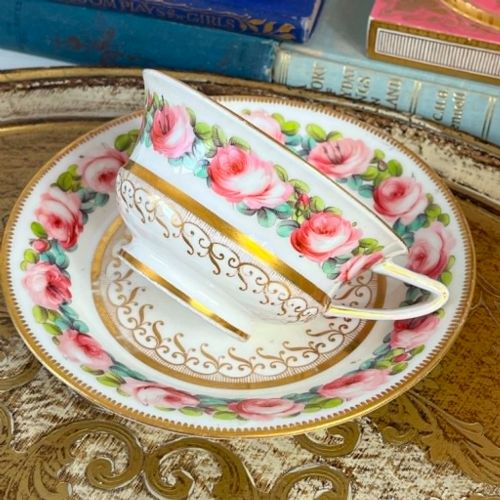
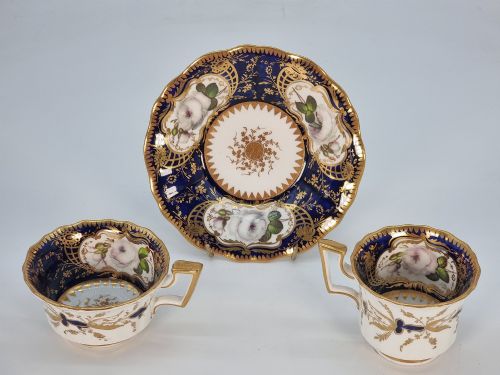
Buyers exploring rose painted porcelain encounter a diverse array of items, from 18th-century Chinese export bowls and vases to Georgian teacups and Victorian cabinet pieces. The selection spans distinct global traditions, merging botanical subjects with traditional ceramic forms.
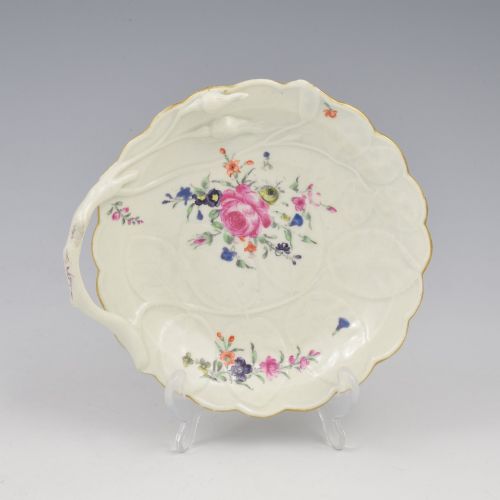
English factories such as Derby, Worcester, Coalport and Spode feature prominently, alongside extensive groupings of Chinese Canton and Famille Rose wares. Pieces range from large punch bowls and chargers down to delicate teacups, saucers and scent sprinklers.
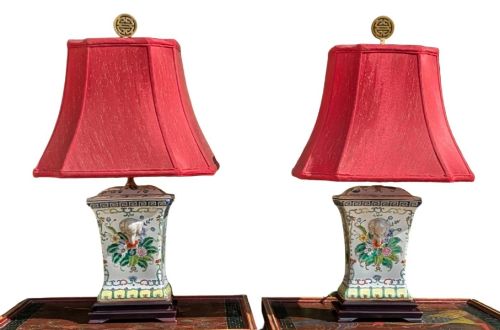
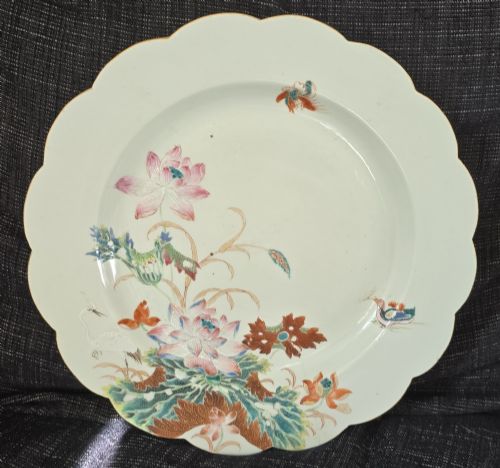
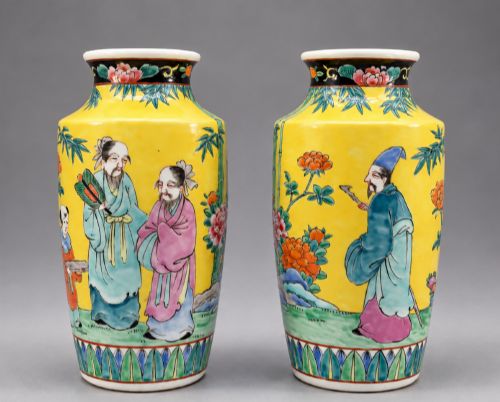
The most common items on this page are decorative bowls, plates, and vases adorned with hand-painted floral motifs. These objects reflect both domestic British output and extensive international trade from the Georgian era through to the twentieth century.
Materials and construction
Makers utilised fine porcelain bodies, shaping them into tableware, vases and decorative figures before applying glazes. Overglaze enamel decoration was then added by hand to achieve vivid pink and red tones for the floral subjects.
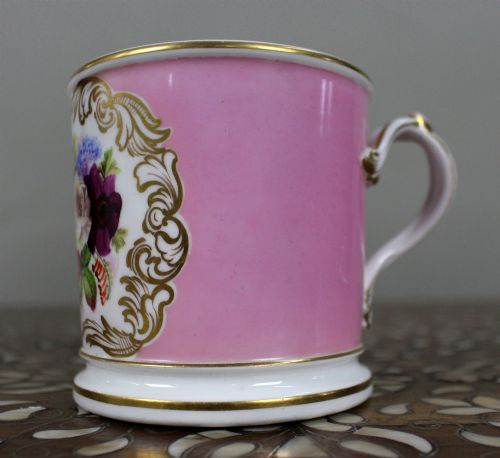
Many items incorporate gold leaf, gilding or metal mounts to accent the porcelain forms. These supplementary materials highlight rims, handles and structural details, working alongside the glaze to catch the light.
Early tea drinkers required specialised vessels just to hold individual sips while admiring the painted cabbage roses.
Evaluating the pieces
The sophistication of the hand-painted botanical detail distinguishes finer examples from simpler output. Superior execution shows in the delicate shading of individual petals, precision of brushwork, and the harmonious integration of the floral design with the underlying porcelain form.
The preservation of the overglaze enamels and original gilding dictates the overall visual impact of each piece. Intact surface decoration without heavy wear maintains the integrity of the original maker's vision across centuries.
Flight Barr And Barr·John Rose Coalport·Grainger Worcester·Samson Of Paris·Zhu Mao Ji
The Rose Painted Porcelain Glossary
- Famille rose
- A major palette of Chinese ceramic glazes introduced in the Qing dynasty, distinguished by an opaque pink or rose enamel derived from colloidal gold.
- Overglaze enamel
- A technique where coloured pigments are applied over a previously fired and glazed ceramic surface, then fixed with a lower temperature second firing.
- Gilding
- The application of gold leaf or powdered gold onto the surface of porcelain to create decorative borders and highlights.
- Charger
- A large decorative plate utilised primarily for display or formal service rather than daily dining.
- Biscuit
- Fired unglazed porcelain that presents a matte texture before subsequent glazing and enamelling stages.
Rose Painted Porcelain: Frequently Asked Questions
How are different periods identified?
Examine the base of the ceramic for maker's marks, factory stamps, or reign characters that correlate with known historical periods. Stylistic cues, such as the specific colour palette and painting technique, also signal whether a piece originates from the eighteenth, nineteenth, or twentieth century.
Material characteristics like the weight of the porcelain body and the texture of the glaze offer further clues. Comparing these details against documented examples helps confirm the era of production.
Were these items used daily?
Many items, including teacups, saucers, and teapots, were designed for active use in Georgian and Victorian households. Over time, tablewares transitioned into display objects as their decorative value became more appreciated.
Larger pieces like punch bowls and chargers served primarily during formal gatherings and banquets. Their survival in good condition often reflects careful preservation by successive owners.
What defines Chinese export porcelain?
Chinese export porcelain refers to wares manufactured in China specifically for European and American markets from the Ming dynasty onward. These pieces often combined traditional Chinese forms and motifs with Western-commissioned shapes and heraldic designs.
The Famille Rose palette became particularly popular among Western buyers during the eighteenth century. This cross-cultural exchange resulted in distinct stylistic hybrids found in global collections today.