

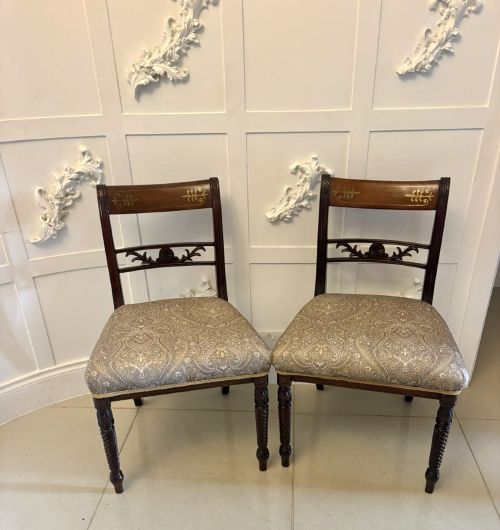
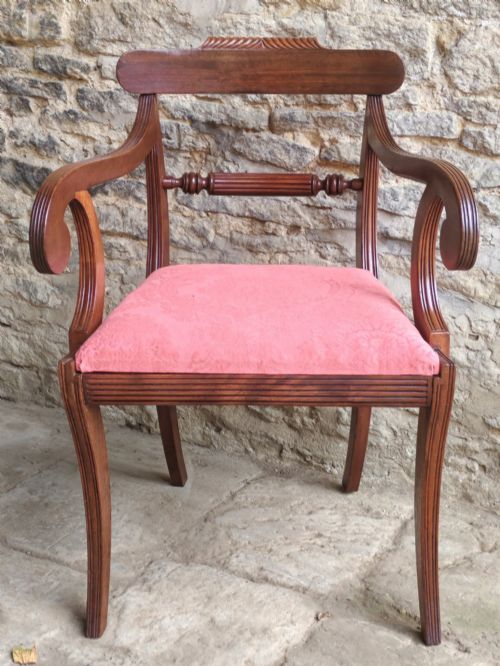
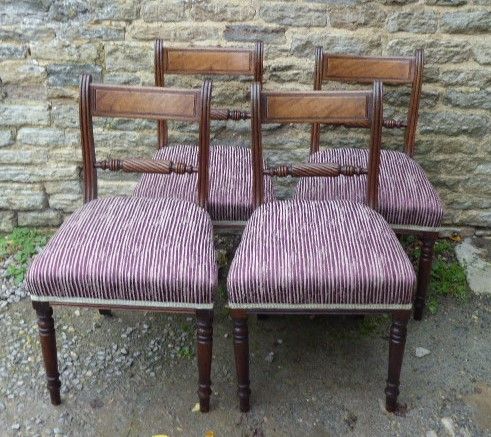
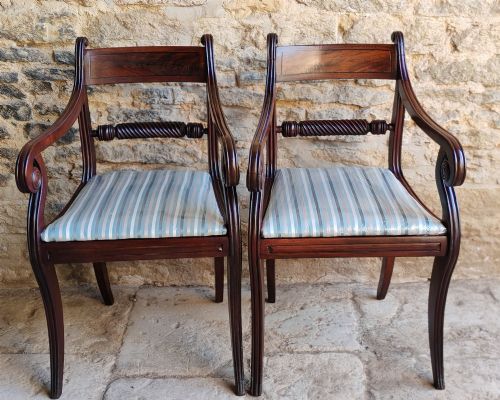
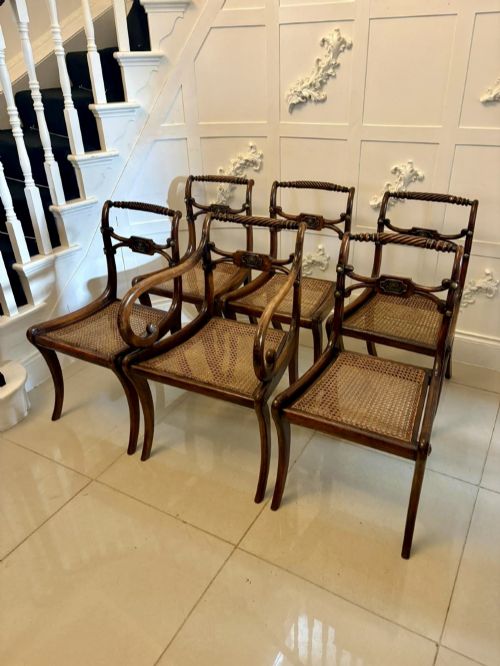
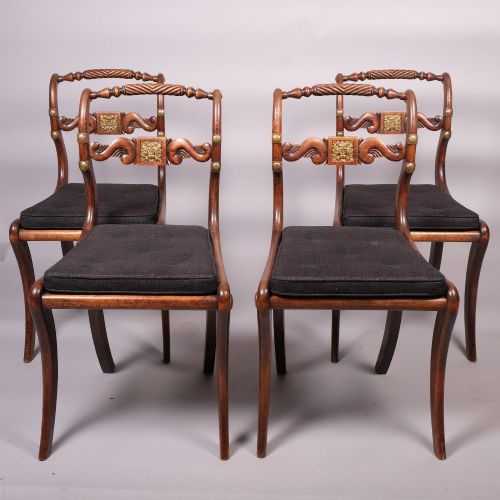


Rope Twist Leg Chairs
Rope twist leg chairs are seating pieces defined by carved twisted supports, offering classic form and historical character for the home.
Rope Twist Leg Chairs
The forms range from single dining chairs to sets of various sizes, alongside pairs of armchairs and individual stools. These seating pieces typically combine traditional wood framing with cane seats or upholstered pads.
How they were made
Maker construction relies heavily on solid mahogany, walnut, and simulated rosewood, shaped into turned wooden frames that define the rope twist profile. Joinery techniques secure the uprights and cross rails to support the weight of daily use.
Seating areas utilise woven cane, brass details, and various upholstery fabrics to complete the surface. Artisans shaped the wood by hand to create the characteristic spiral design before applying finishes.
Rope Twist Leg Chairs Retail Price Guide 2026
Typical asking prices for rope twist leg chairs among the pieces listed under this phrase on Sellingantiques today, from the lower quarter to the upper quarter. They describe what is for sale here now, not the wider market.
Listings feature mahogany, walnut, and simulated rosewood materials across Georgian, Regency, and Victorian periods.
What varies in quality
The standard of carving on the turned wooden supports separates finer examples from standard production, with crisp detail indicating superior craftsmanship. Wood selection and timber grain consistency also distinguish more accomplished pieces from simpler furniture.
The integrity of the frame construction and the preservation of original or sympathetic upholstery contribute to the overall merit of the piece. Matching sets demonstrate greater uniformity across the group than assembled collections.
The Rope Twist Leg Chairs Glossary
- Carver chair
- An armchair designed to match a set of dining chairs, usually placed at the head of the table. These pieces often feature supportive armrests integrated into the frame.
- Cane seat
- A seating surface woven from peeled rattan strips, providing a flexible and breathable platform. This technique appears frequently on nineteenth-century dining chairs.
- Simulated rosewood
- A painted or stained wood finish designed to imitate the appearance of genuine rosewood timber. Artisans utilised this method on Regency furniture to achieve a decorative effect.
- Hall chair
- A stiff-backed wooden seat intended for placement in an entrance hall rather than for prolonged dining use. These pieces often display distinctive or unusual design elements.
Rope Twist Leg Chairs: Frequently Asked Questions
What periods do these chairs come from?
These seating pieces date primarily from the Georgian, Regency, and Victorian eras, spanning the late eighteenth and nineteenth centuries.
Most examples reflect the design preferences of the Regency period, whilst others date to the early nineteenth century or the Victorian epoch.
Are they suitable for daily dining use?
Yes, many of these pieces function effectively as dining seating when acquired in matching sets or substantial groups.
Buyers should consider the seat height and frame stability to ensure the furniture meets practical requirements for everyday use.
How do carver chairs differ from single chairs?
Carver chairs include armrests attached to the frame, making them wider and more substantial than the matching single chairs in a set.
They were traditionally positioned at the ends of a dining table while single chairs filled the sides.
What materials were used for the frames?
Cabinet makers utilised dense hardwoods such as mahogany and walnut to form the structural components of the seating.
Simulated rosewood finishes also appear on certain Regency pieces to provide a decorative alternative to natural grain timber.