





Romantic School Artwork
Romantic school artwork captures the intense emotion and dramatic light of the nineteenth century, offering evocative landscapes and expressive figure studies.
Romantic School Artwork
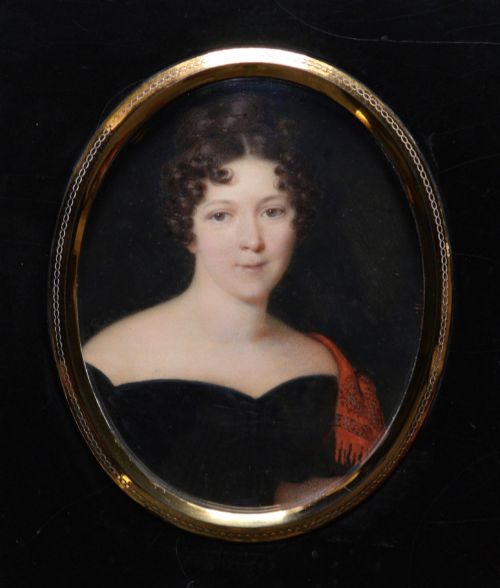
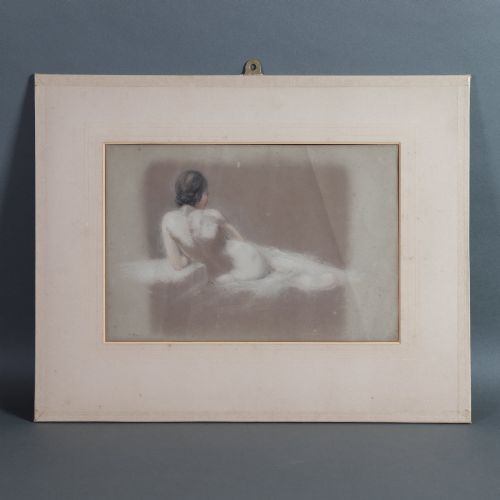
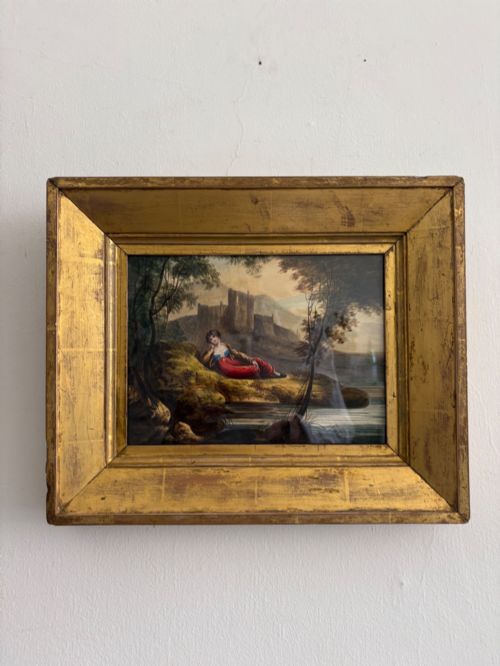
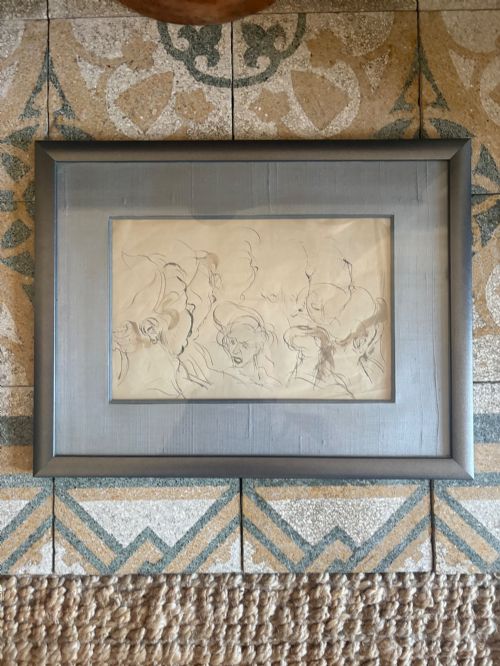
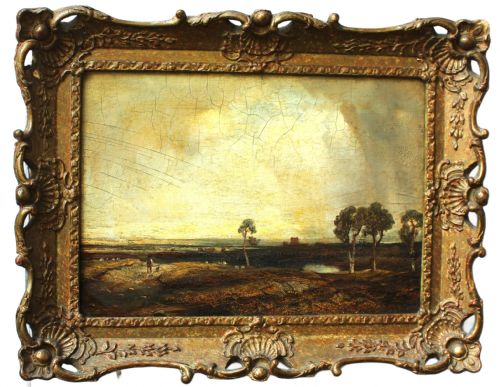
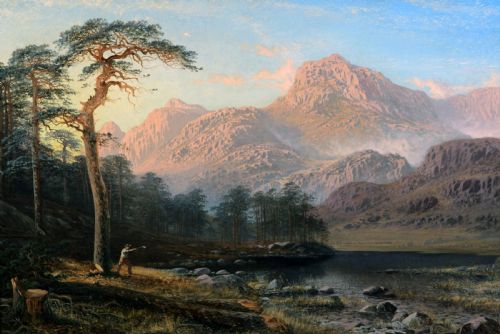
Romantic school artwork encompasses nineteenth century oil paintings, watercolours, and original drawings produced across Britain, France, Germany, and the wider continent. Buyers seeking romantic school artwork encounter diverse subjects, ranging from sweeping mountainous landscapes and coastal scenes to intimate portraits and figure studies. The examples available span from the Regency era through the Victorian period, reflecting both formal academic output and informal preparatory sketches.
Continental and British regional schools dominate the selection, including distinct French school and German school compositions. Pieces often emerge from the circles, followers, or studios of notable nineteenth century painters, capturing the expressive brushwork and atmospheric mood characteristic of the movement. Most works retain their original frames, predominantly executed in giltwood, which complement the painterly qualities of the canvas or paper support.
How they were made
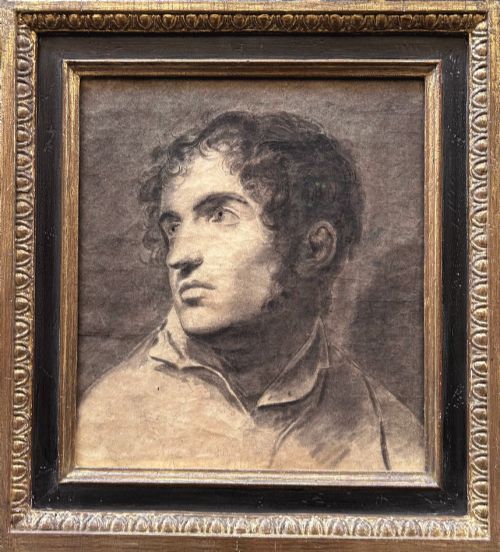
These works rely on traditional nineteenth century supports, utilising canvas stretched over wooden frames, heavy paper, and occasionally prepared wood panels. Artists applied oil paints, watercolours, or mixed media using fine brushes to build rich textures and atmospheric depths, particularly in handling skies and landscapes. Drawings and preparatory studies employ pen, ink, and wash on paper to capture rapid gestures and preparatory compositions.
Frames form an integral part of the physical object, constructed from wood and finished with applied gilt or gesso. Many frames are original to the period, showing the hand-carved ornamentation and gilding techniques typical of nineteenth century framing workshops. The combination of oil on canvas or watercolour on paper within a giltwood frame defines the physical presence of these pieces.
A surprising number of nineteenth century artists found dramatic inspiration simply by staring intensely at local sheep and grumpy dogs.
What varies in quality
Quality in romantic school artwork rests upon the strength of the composition, the handling of light and atmosphere, and the expressiveness of the brushwork. Works by named artists or those closely associated with recognised nineteenth century masters display a superior command of anatomy, perspective, and tonal balance. Finer pieces maintain strong pigment saturation and confident linework, whereas lesser examples can appear formulaic or stiff in execution.
The integrity of the medium and the preservation of the original support significantly influence the standing of a piece. Well-preserved surfaces retain their original varnish layers and subtle colour transitions without heavy overpainting. Additionally, the presence of a period-appropriate or original gilt frame enhances the overall coherence and historical value of the artwork.
William Etty·Benjamin Barker of Bath·Alfred Dehodencq·Alphonse Robert·John Constable·Andreas Schelfhout·Leon Girardet·Eugene Verboeckhoven·Charles Pettitt
The Romantic School Artwork Glossary
- Giltwood
- Wood carved and covered with a thin layer of gold leaf or gilt preparation. This finish was standard for nineteenth century picture frames.
- Preparatory study
- A preliminary drawing or sketch made by an artist to plan a larger, more finished composition. These works often show immediate brushwork or pen strokes.
- Continental school
- A broad designation for artists trained and working in mainland Europe during the nineteenth century, distinct from British traditions.
- Mixed media
- An artwork combining two or more artistic materials, such as watercolour, ink, and bodycolour on paper.
- Provenance
- The documented history of ownership of an artwork, establishing its authenticity and chain of custody over time.
Romantic School Artwork: Frequently Asked Questions
What defines romantic school artwork?
Romantic school artwork is defined by its focus on emotion, dramatic natural scenery, and expressive human forms during the nineteenth century. Artists prioritized atmospheric moods and personal expression over strict neoclassical academic rules.
The pieces range from finished oil landscapes to rapid ink preparatory studies, all sharing a distinct nineteenth century sensibility. Regional variations, such as the French and German schools, brought unique tonal palettes and thematic emphases to the movement.
How should I hang these paintings?
These works require placement away from direct sunlight and excessive humidity to protect vulnerable canvas, paper, and giltwood frames. Stable indoor temperatures prevent the wood and canvas from expanding or contracting over time.
Matching the weight of the original frame to your wall fixings ensures secure hanging. Grouping smaller drawings or watercolours together can create a balanced display reminiscent of nineteenth century salon arrangements.
Are these works original period pieces?
The listings consist entirely of nineteenth century works, spanning periods from the Regency era through the Victorian age. Materials and styles correspond strictly to this timeframe, utilising period supports like canvas, paper, and wood.
Attributions often point to specific schools, circles of known painters, or documented artists from the eighteen hundreds. This ensures that collectors acquire genuine period artefacts rather than modern reproductions.
What is the difference between an oil painting and a watercolour?
Oil paintings utilise pigments suspended in drying oils applied to canvas or wood panels, allowing for rich textures and deep layering. Watercolours employ water-soluble pigments on paper, creating translucent washes and bright, luminous effects.
Oils were typically used for finished exhibition pieces, whereas watercolours and drawings often served as intimate studies or portable sketches. Both mediums were central to the output of nineteenth century romantic artists.