

Roman Grand Tour Bronze
When you handle a roman grand tour bronze, you hold a miniature souvenir cast in nineteenth-century workshops to satisfy travellers returning from Italy.
Roman Grand Tour Bronze
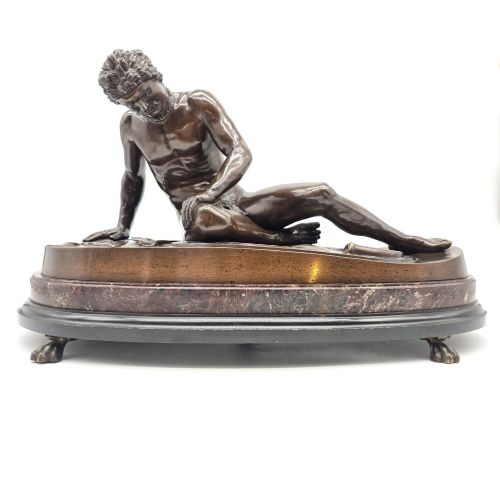
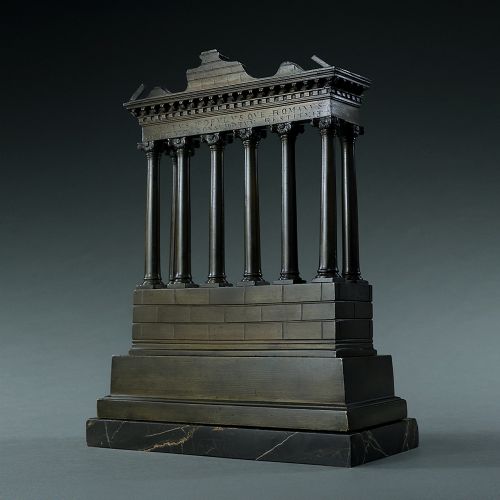
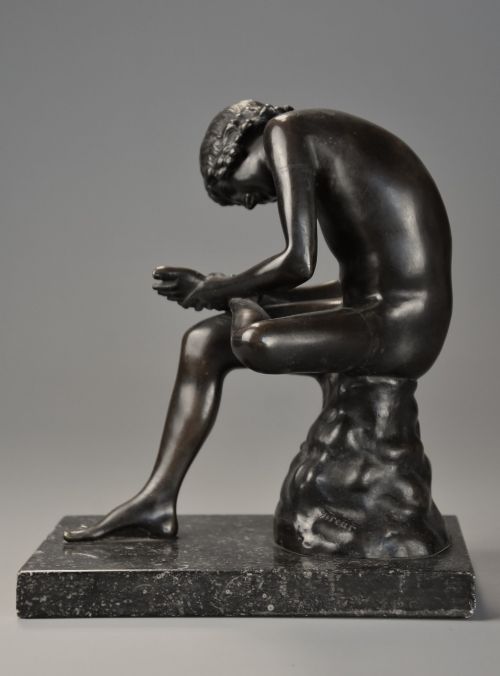
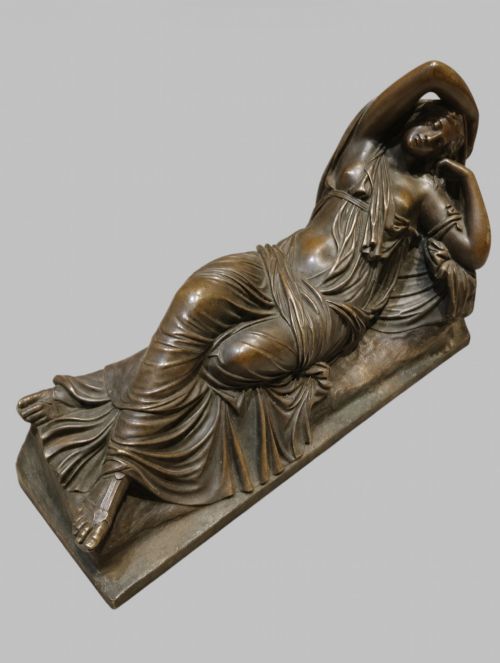
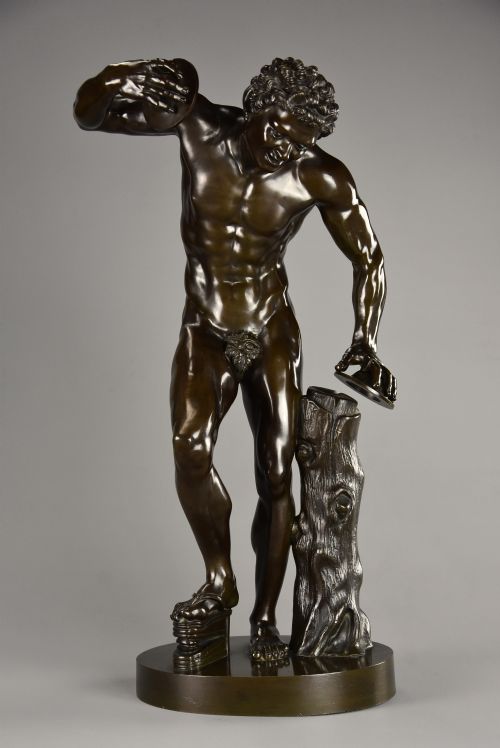
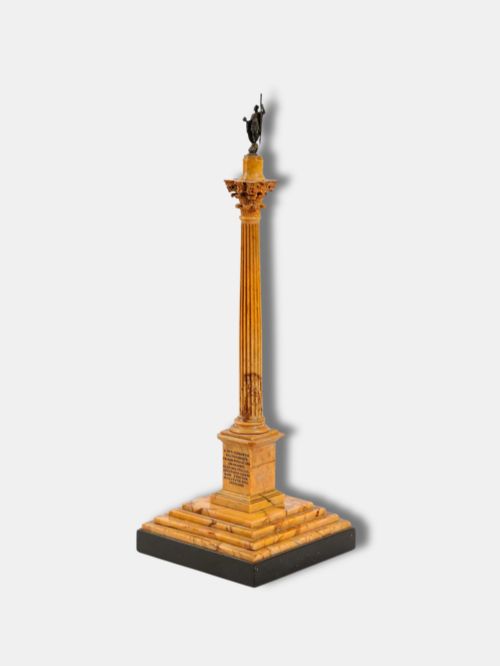
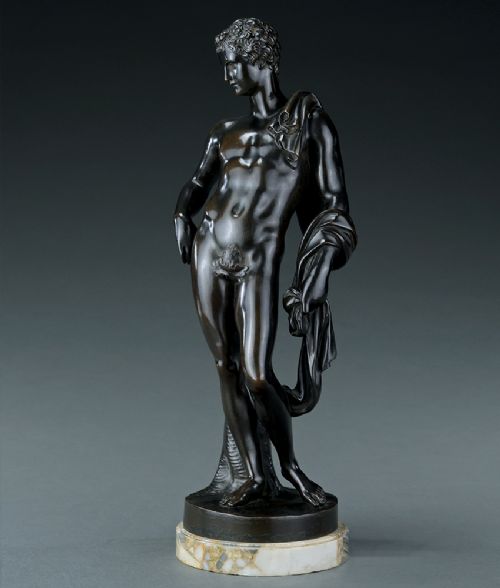
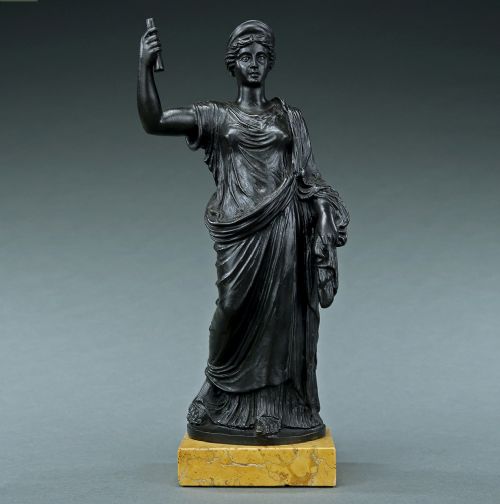
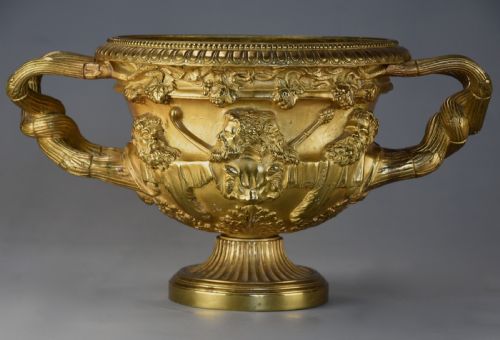
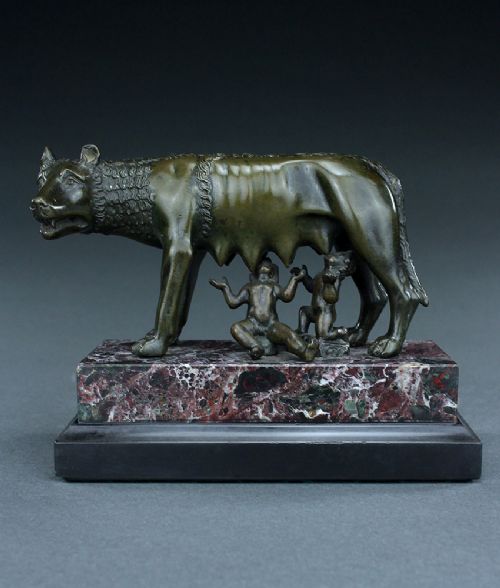
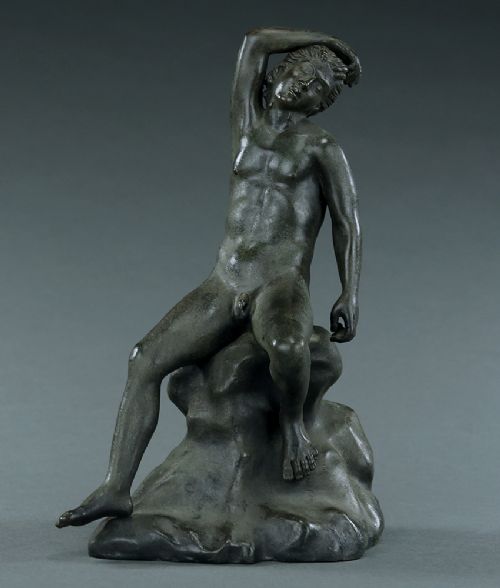
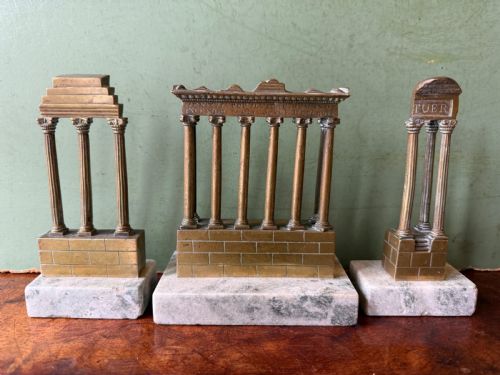
A roman grand tour bronze represents classical sculpture, architectural models, and portrait busts collected by travellers during the nineteenth century. These souvenirs capture famous antiquities such as the Dancing Faun, the Warwick Vase, and the Phocas Column in reduced scale.
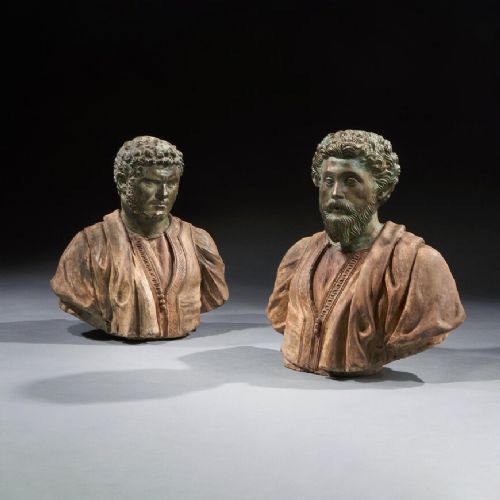
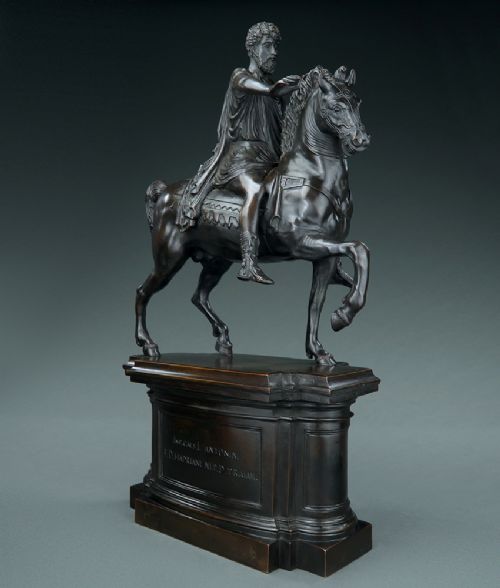
You will most commonly encounter library bronzes, portrait busts of Caesars, and mythological figures cast across the nineteenth century, often mounted on marble plinths. The forms draw directly from excavations in Rome and Pompeii, translating monumental statues into cabinet-sized bronzes.
How they were made
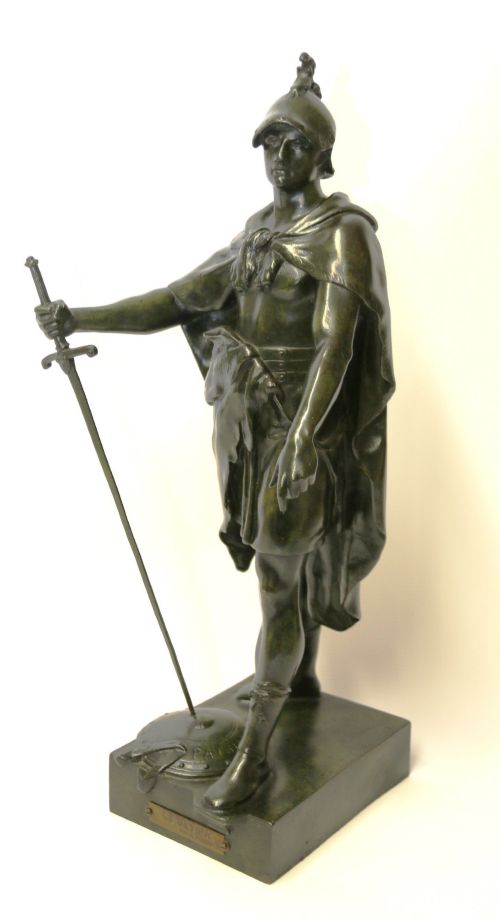
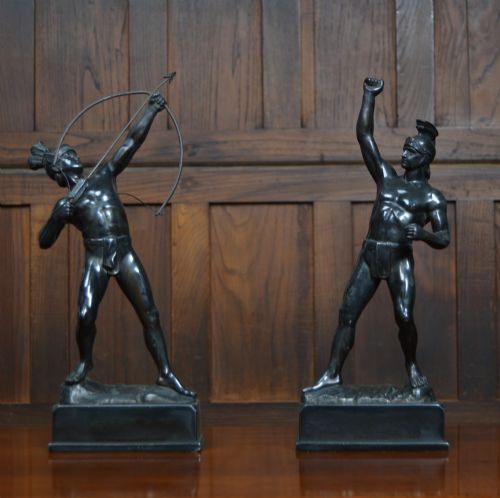
Foundries utilised traditional lost-wax casting and sand-casting methods to capture fine details from ancient prototypes. Artisans then applied chemical patination, ranging from deep brown and black tones to green verdigris, to simulate the appearance of buried antiquity.
Many bronzes are mounted on bases of marble, including giallo antico and black marble, while architectural models and vessels incorporate brass and stone elements. These varied materials were assembled to create tactile desktop ornaments and decorative urns.
Roman Grand Tour Bronze Retail Price Guide 2026
Typical asking prices for roman grand tour bronze among the pieces listed under this phrase on Sellingantiques today, from the lower quarter to the upper quarter. They describe what is for sale here now, not the wider market.
Listings feature nineteenth-century periods, ranging from Victorian casts to specific dates like eighteen-eighty and eighteen-ninety.
What varies in quality
The quality of the patination and the integration of the marble or stone base dictate the overall success of the object. Heavier castings with nuanced hand-finishing display greater depth and command stronger presence than mass-produced commercial editions.
Duchemin·Émile Louis Picault·Zoffoli·Mathurin Moreau·Richard Aurili
The Roman Grand Tour Bronze Glossary
- Patina
- The surface coloration and sheen developed naturally over time or applied chemically by the foundry. This finish protects the metal and defines the visual character of the bronze.
- Reduction
- A scale copy made smaller than the original monumental antique sculpture. Nineteenth-century workshops produced these reductions for desktop and cabinet display.
- Giallo Antico
- A yellow marble quarried in ancient Tunisia and prized by Italian makers for decorative plinths and architectural elements. Its rich golden tones contrast sharply with dark patinated bronze.
- Lost-wax casting
- A method where a wax model is melted from a mould and replaced with molten metal. This technique allows for intricate undercut details in sculptural figures.
Roman Grand Tour Bronze: Frequently Asked Questions
What is a roman grand tour bronze?
These objects are nineteenth-century miniature metal casts of classical statues, architectural ruins, and portrait busts. Travellers purchased them in Italy as portable mementoes of their educational journeys.
They function today as decorative desk ornaments and cabinet sculptures that reflect Victorian and continental taste for classical antiquity.
How do I date a grand tour bronze?
Dating relies on the casting technique, the style of the mounting, and the character of the patina. Most surviving examples date from the nineteenth century, spanning from the neoclassical revivals of the eighteen-fifties through the late eighteen-nineties.
Foundry marks, signatures, and the type of marble used for the base also offer reliable clues to the period of manufacture.
Where were these bronzes made?
The majority of these pieces were cast in workshops and foundries across Italy, particularly in Rome and Florence, catering specifically to foreign visitors. French foundries also produced significant numbers of reductions after the antique.
Italian makers often combined local stones and marbles with patinated bronze to create complete souvenir table pieces.
How should I care for a bronze?
Bronze requires minimal maintenance beyond gentle dusting with a soft, dry cloth. Avoid using commercial metal cleaners or abrasives, as these will strip the historical patina.
Keep the pieces away from direct heat sources and excessive moisture to protect both the metal surface and any fitted marble bases.