

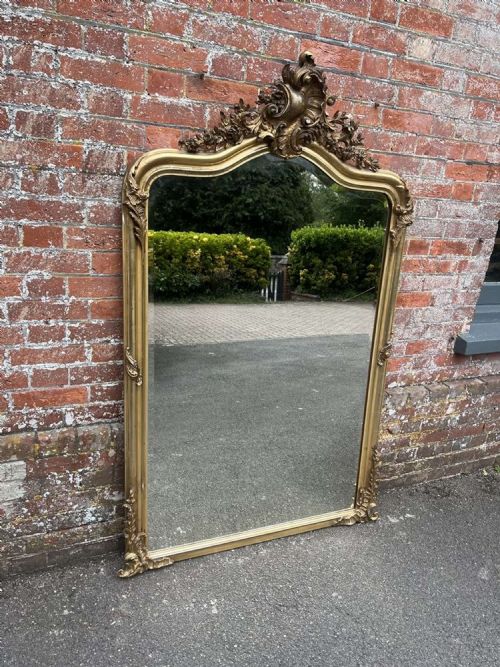
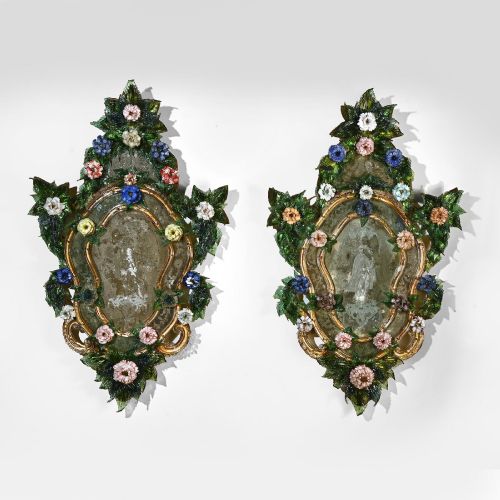
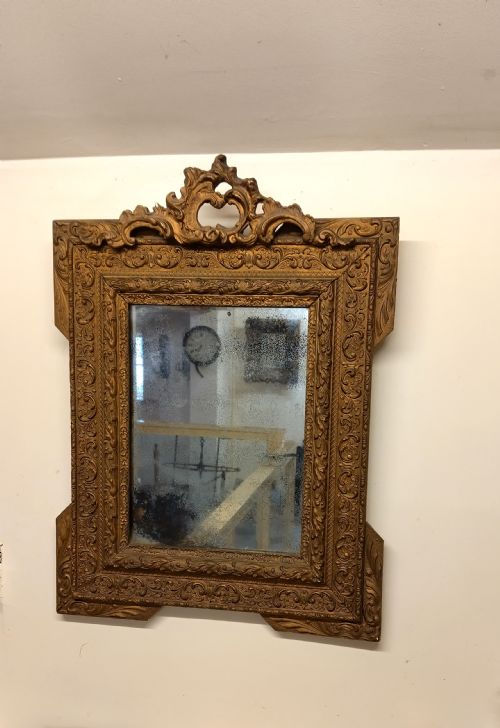
Rococo Wall Glass
Rococo wall glass unites scrolling frames and reflective plates to brighten rooms with historic depth.
Rococo Wall Glass
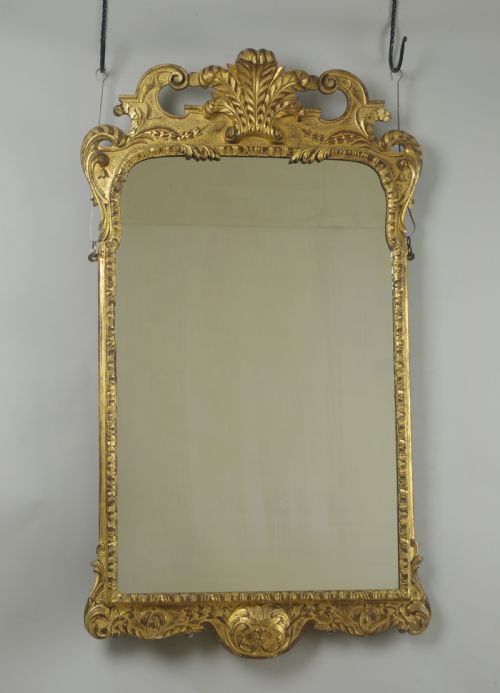
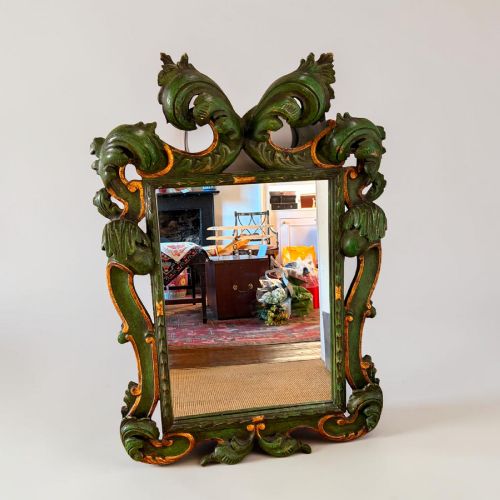
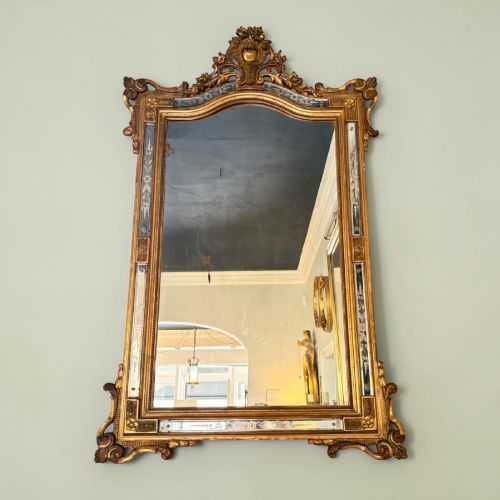
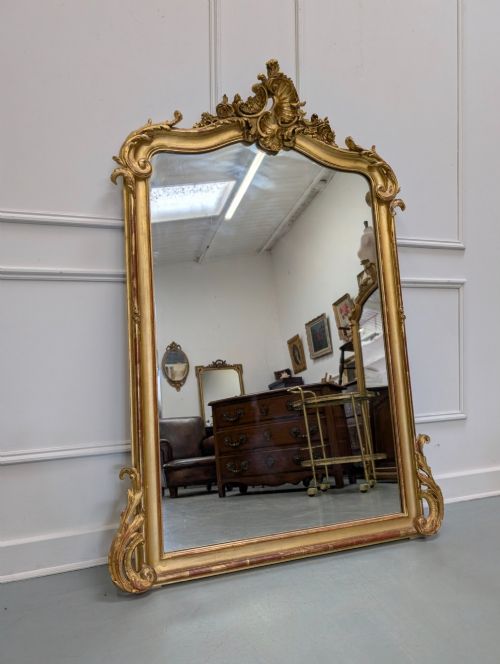
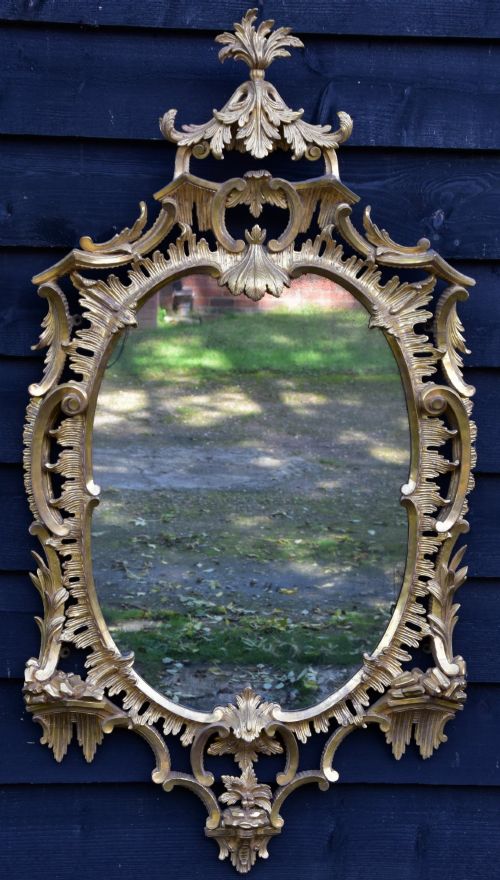
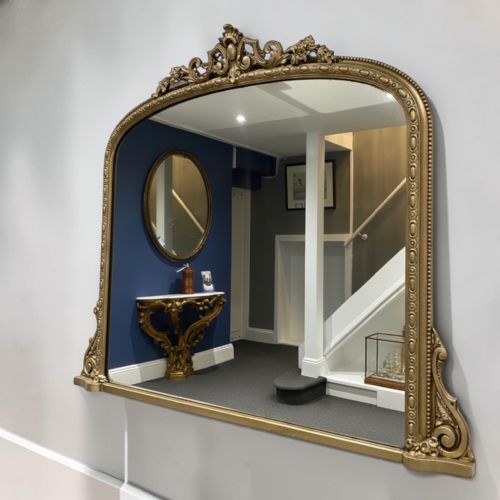
A rococo wall glass selection brings together elaborate mirrors, overmantels, and wall lights shaped by eighteenth-century design ideals and later nineteenth-century revivals. Pieces span the Georgian and Victorian eras, alongside French and Italian interpretations from the nineteenth and twentieth centuries.
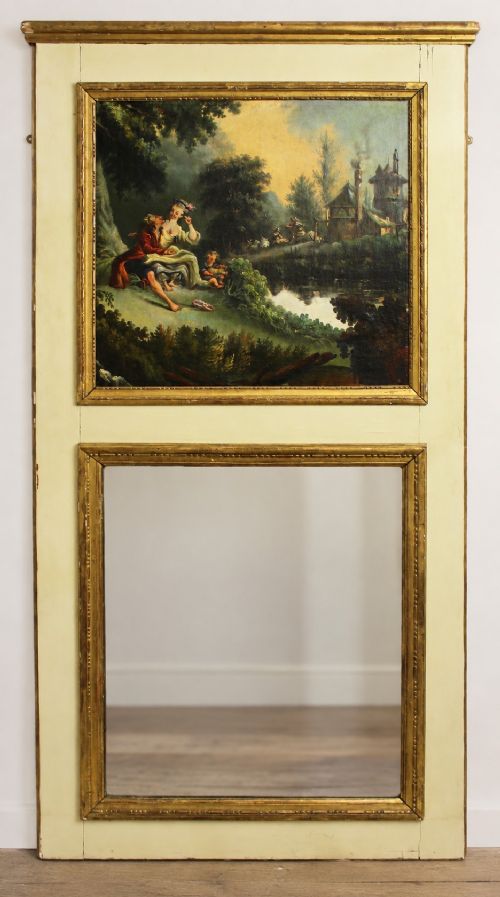
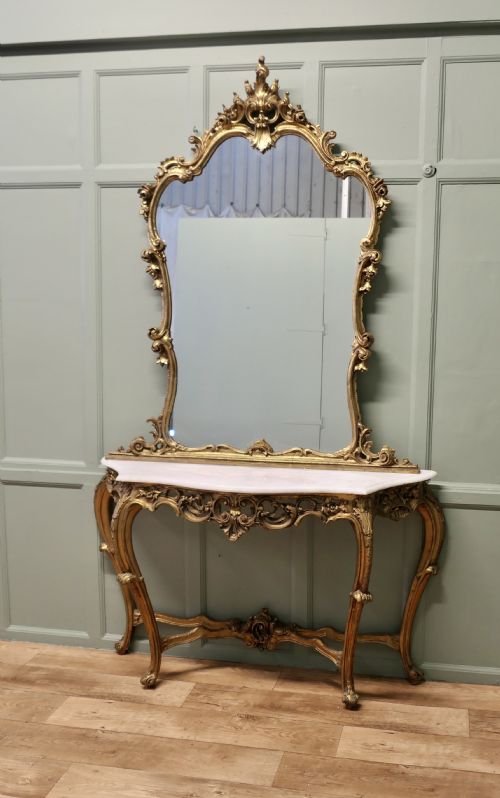
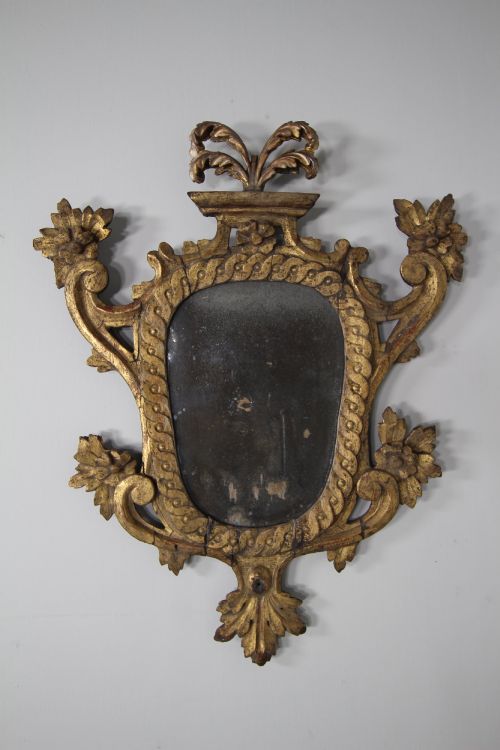
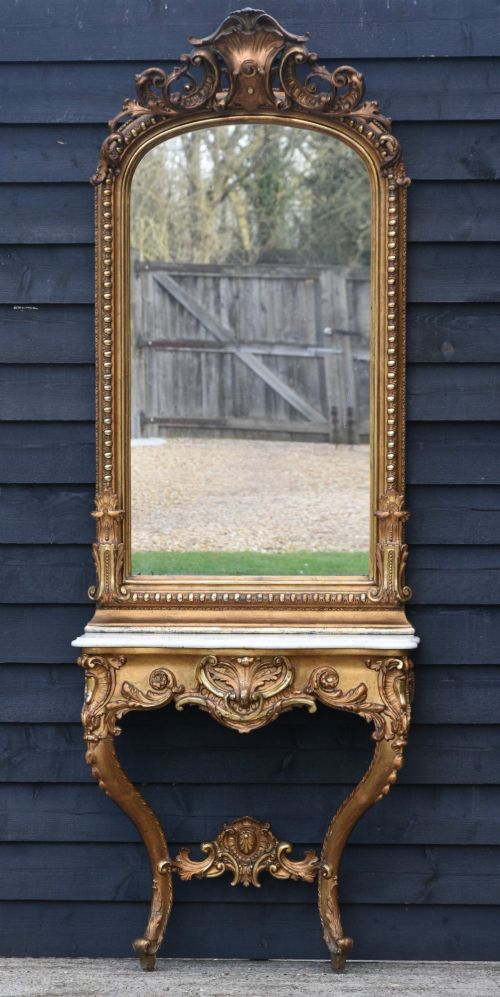
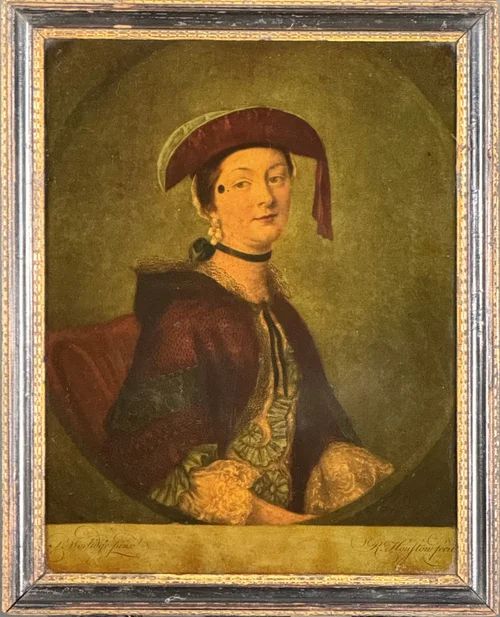
The most common examples on this page are nineteenth-century French and Italian giltwood mirrors, frequently incorporating carved gesso, shaped tops, and mercury glass plates. Trumeau mirrors holding pastoral oil paintings or seascapes also appear alongside paired wall sconces.
Early eighteenth-century works emerge in walnut and carved wood, representing Venetian and English cabinet-making traditions. Later iterations lean into Napoleon III and Rococo Revival aesthetics, carrying ornate frames finished in gold or silver leaf.
Materials and construction
Makers shaped these frames from woods such as oak, mahogany, sycamore, and walnut, often applying layers of gesso to build up intricate, asymmetrical scrollwork and floral motifs before applying gold leaf, silver leaf, or giltwood finishes.
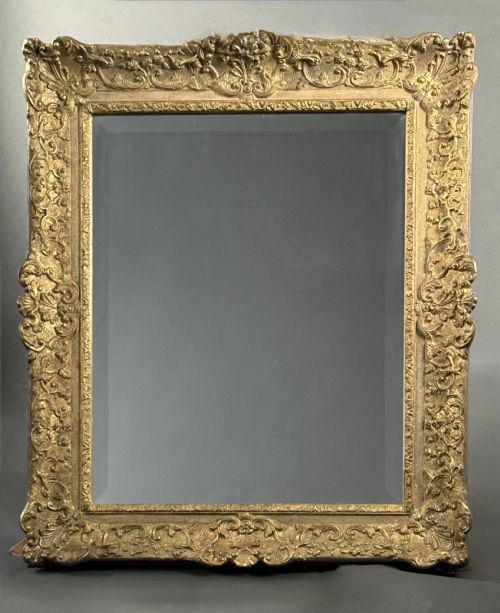
Mirror plates range from early foxed mercury glass to bevelled modern alternatives, while specific pieces incorporate oil paintings on canvas within trumeau panels, or cast bronze and ormolu for wall lights and lanterns.
Materials span mercury glass, carved gesso, gold leaf, and walnut across various European origins.
Design depth and finish
Quality rests in the crispness of the hand-carved wood and gesso ornamentation, where deeper relief work and fluent asymmetry separate superior frames from simpler moulded versions.
The character of the glass plate contributes significantly to the piece, as original mercury silvering showing age oxidation or hand-engraved details hold greater historic integrity than plain modern replacements.
Charles Spooner
The Rococo Wall Glass Glossary
- Gesso
- A plaster-like mixture applied to wood frames to create a smooth surface for gilding. It allows carvers to build up high-relief scrolls and details.
- Trumeau mirror
- A decorative wall mirror featuring an integrated painted panel or oil painting above the glass plate. These pieces often hang above fireplaces or console tables.
- Mercury glass
- An early type of mirror plate created by pouring a silver-mercury amalgam behind glass. It produces a mottled, dark reflective quality.
- Giltwood
- Timber coated with thin gold leaf or gold paint. It provides the bright reflective warmth characteristic of grand historic interiors.
- Pier glass
- A tall mirror designed to hang on the wall space between windows. It typically sits above a matching console table.
Rococo Wall Glass: Frequently Asked Questions
What is a trumeau mirror?
A trumeau mirror combines a vertical glass plate with an integrated painted scene positioned directly above it. These architectural pieces originated in eighteenth-century France to decorate panelled rooms.
They serve well above mantelpieces or console tables where the painted panel adds colour and narrative context to the reflective glass below.
How do I identify mercury glass?
Mercury glass displays a characteristic dark, cloudy reflection with small speckled patches where the silvering backing has thinned over time. This aged appearance gives the glass a softer depth than modern mirror plates.
Historic eighteenth and nineteenth-century pieces often exhibit this natural foxing around the edges of the frame.
Where should I hang a rococo wall mirror?
These mirrors work best on principal walls where they can bounce natural light across the room and act as a focal point. Placing one above a fireplace mantel or a low sideboard creates a balanced traditional arrangement.
Ensure the wall fixings match the substantial weight of carved wood and gesso frames before hanging.
What distinguishes Rococo Revival from original pieces?
Original eighteenth-century rococo pieces show hand-carving techniques and timber constructions typical of the Georgian or Louis XV periods. Revival pieces, common from the mid-nineteenth century onward, utilise machine-assisted moulding alongside traditional hand-finishing.
Both categories share the characteristic C-scrolls, asymmetrical foliage, and shell motifs of the style.