

Rococo Wall Frame
A rococo wall frame brings swirling asymmetric curves and opulent gilding into a room, framing mirrors and oil paintings with exuberant 18th-century style.
Rococo Wall Frame
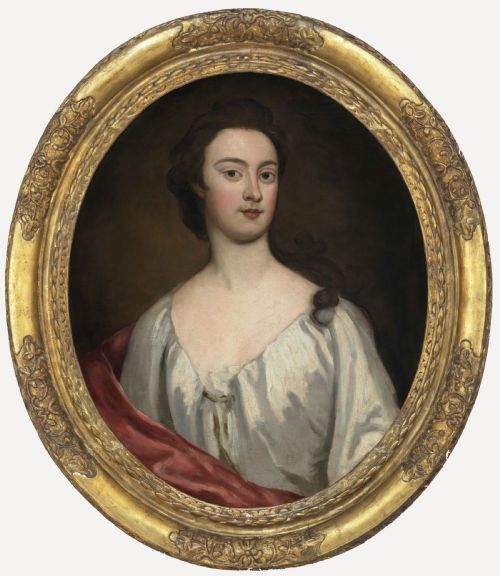
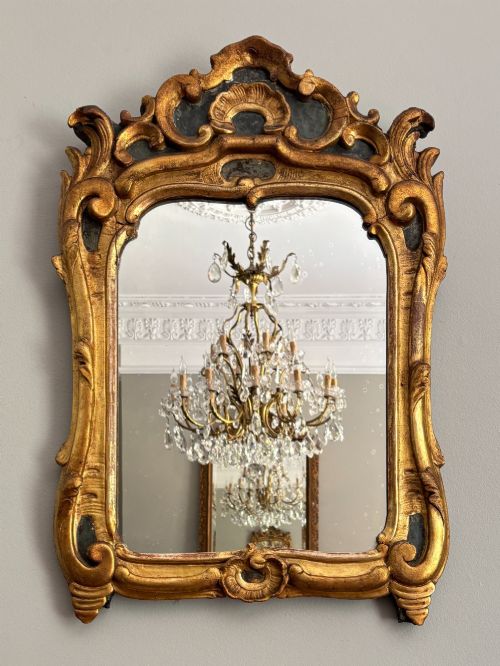
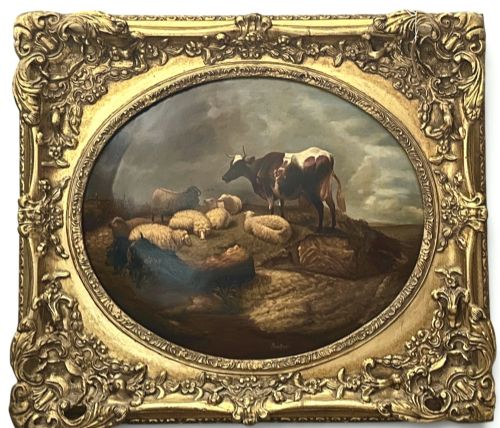
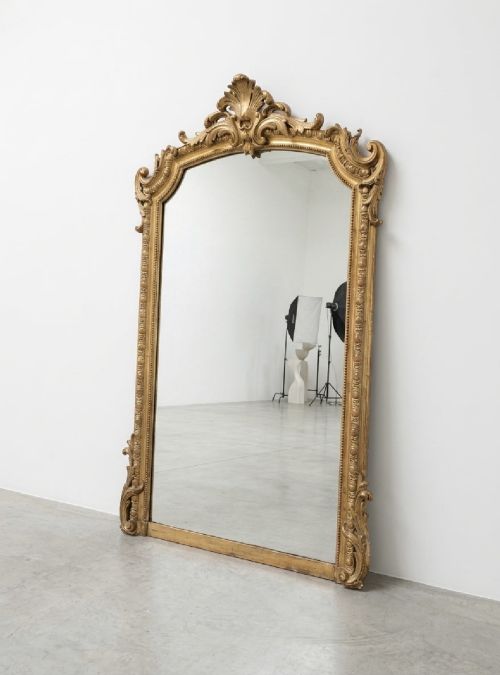
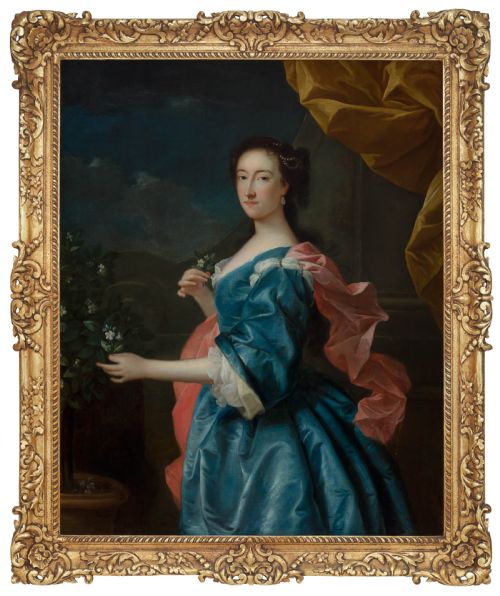
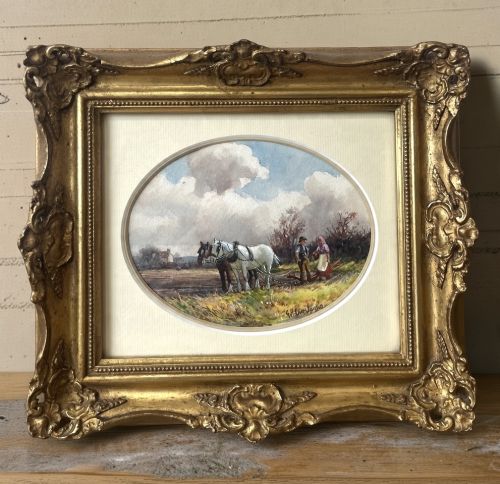
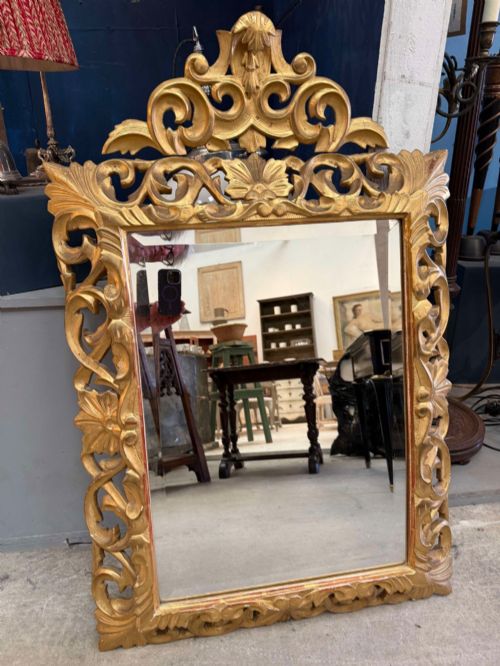
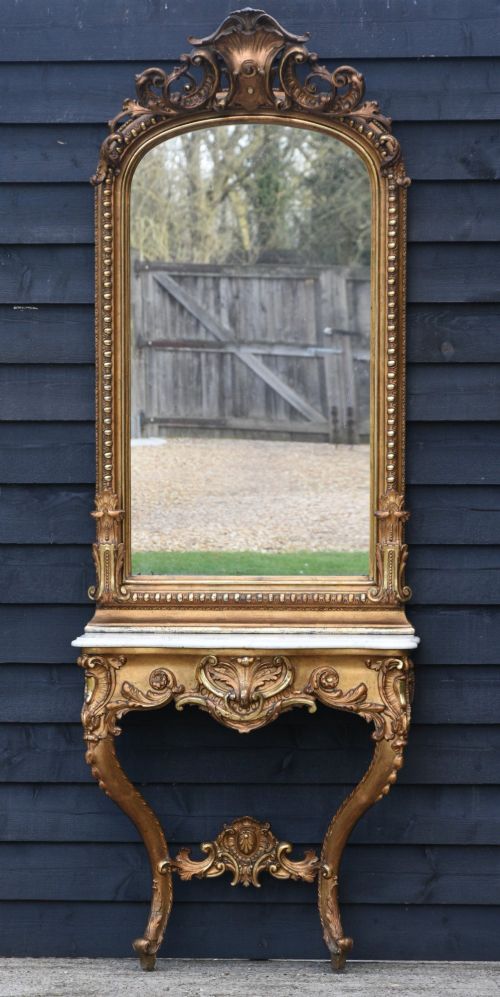
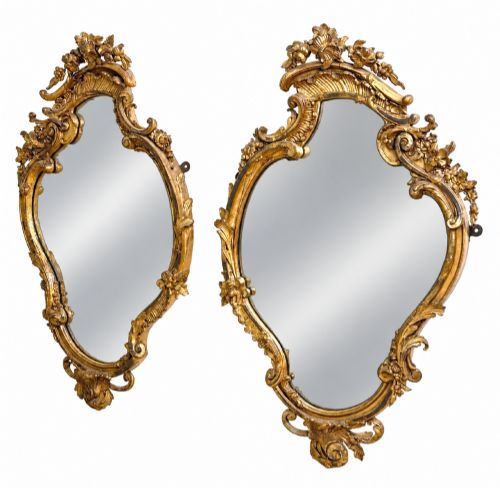
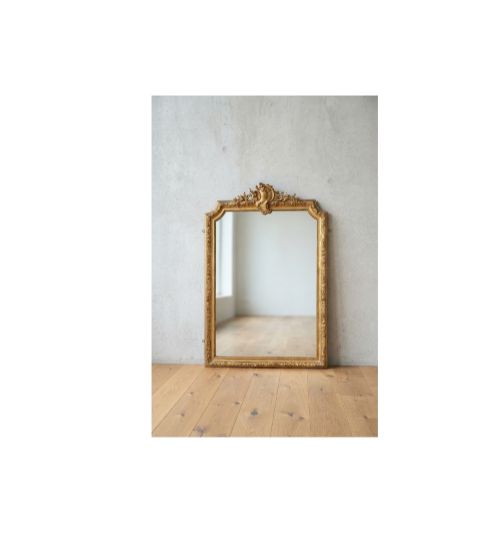
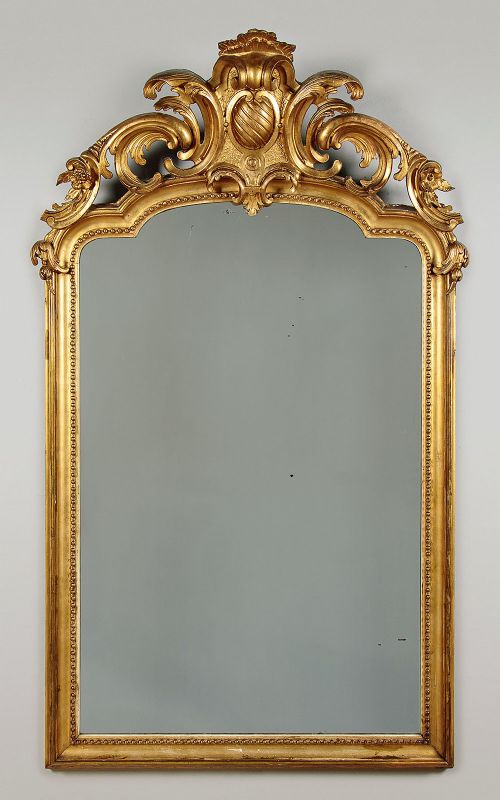
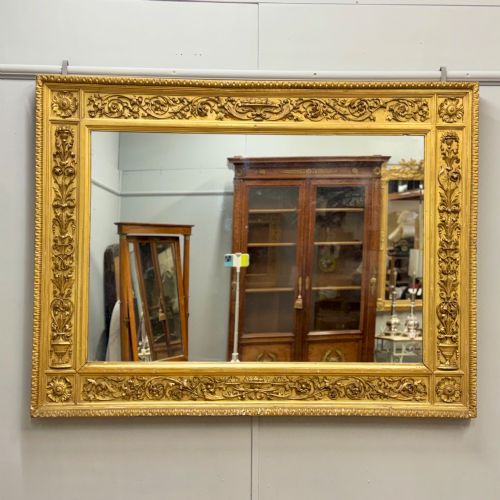
A rococo wall frame typically houses a mirror plate, an overmantel glass, or an oil painting within a heavily ornamented border. These pieces draw from French and Italian traditions, frequently appearing in revival styles during the nineteenth century alongside authentic eighteenth-century examples.
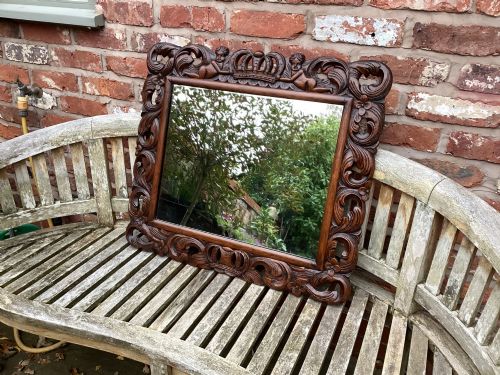
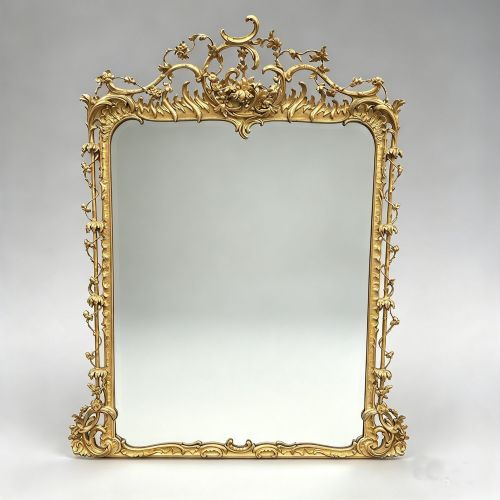
The forms span large trumeau mirrors incorporating pastoral oil paintings, shaped top overmantle mirrors designed for placement above fireplaces, and carved giltwood girandoles. Wood, gesso, and glass form the primary physical structure of these wall hangings.
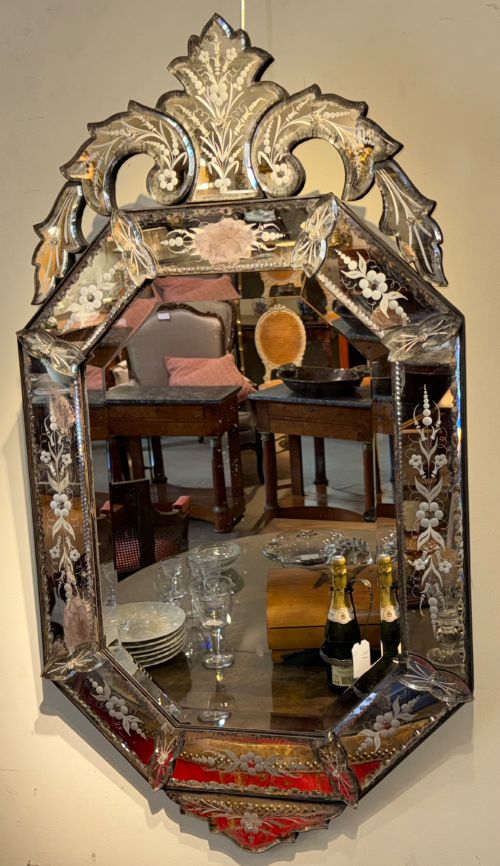
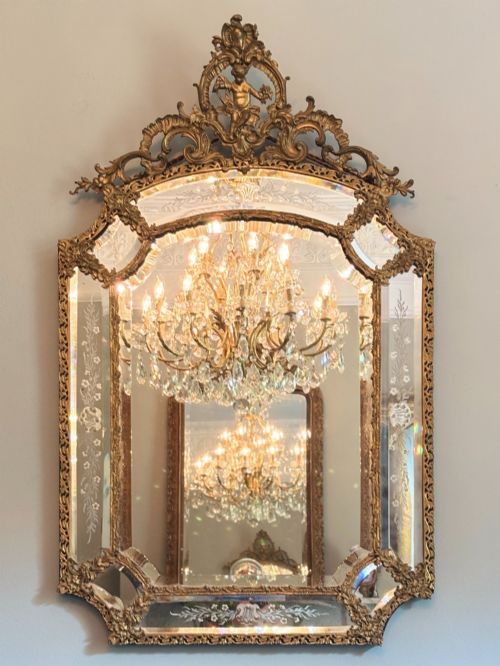
Buyers encounter variations ranging from French Louis XV designs and Venetian polychrome pieces to Chinese Chippendale interpretations and Florentine giltwood frames. Most listings date from the nineteenth century, though eighteenth-century and early twentieth-century examples also appear.
How they were made
Carved wood provides the structural foundation for the most elaborate frames, allowing artisans to shape deep, flowing scrolls and asymmetrical motifs by hand. Gesso is applied over this wooden base to build up relief details and smooth the contours before gilding.
Gold leaf and silver leaf are laid onto the prepared surfaces, creating a brilliant metallic finish that catches the light. Many pieces incorporate antique mirror glass, sometimes paired with oil paintings on canvas or panel.
Polychrome paint finishes and etched glass techniques appear on specific regional variants, particularly Venetian and Florentine pieces. Joinery techniques secure heavy glass plates within ornate carved wooden borders designed to support significant weight on a wall.
Rococo Wall Frame Retail Price Guide 2026
Typical asking prices for rococo wall frame among the pieces listed under this phrase on Sellingantiques today, from the lower quarter to the upper quarter. They describe what is for sale here now, not the wider market.
Listings feature rococo wall frame examples spanning the eighteenth, nineteenth, and twentieth centuries, incorporating materials such as carved wood, gesso, glass, and oil paint.
What varies in quality
Depth and sharpness in the carved decoration distinguish superior examples from simpler production, as skilled carvers achieve crisp undercut foliage and fluid asymmetry rather than flat, repetitive moulding. The quality of the gesso application beneath the leaf determines how cleanly the fine details read under light.
Gilding technique separates the finest output, using genuine gold leaf applied over bole to yield a warm, deep luminescence compared to flat modern metallic paint. Original mirror plates with authentic foxing and silver degradation add depth that replacement glass lacks.
Jean-Baptiste Van Loo·Charles-Antoine Coypel·Maurice Quentin de la Tour·Charles Spooner
The Rococo Wall Frame Glossary
- Giltwood
- Wood that has been coated with gold leaf or gold dust. This finish gives the carved frame a luminous metallic appearance.
- Gesso
- A plaster mix applied to wood to create a smooth surface for carving and gilding. It allows artisans to shape intricate relief ornamentation.
- Trumeau
- A decorative wall mirror featuring an oil painting or panel set into the upper portion of the frame. These pieces often hung above mantelpieces in French interiors.
- Girandole
- A wall-mounted bracket holding candles, typically attached to a mirrored backplate. The reflective surface multiplies the candlelight.
- Overmantle
- A large mirror or frame designed specifically to hang above a fireplace mantel. These pieces anchor the visual weight of a chimney breast.
Rococo Wall Frame: Frequently Asked Questions
What is the difference between an 18th-century original and a 19th-century revival frame?
Eighteenth-century originals display hand-carved details specific to the height of the rococo period, showing natural wear patterns in the gesso and gold leaf. Nineteenth-century revival pieces often utilise machine-moulded composition ornament alongside hand-carved elements, reflecting Victorian or Edwardian tastes.
Examining the construction joints, backing boards, and the composition of the gesso helps determine the exact period of manufacture.
How should I clean and maintain a gilded frame?
Dust the carved surfaces gently with a soft, dry brush to prevent dirt from settling into the deep recesses of the gesso. Avoid chemical cleaners, water, or abrasive cloths, which can strip away the delicate gold leaf.
Keep gilded pieces away from direct sunlight and damp environments to protect the wood and prevent the gesso from cracking over time.
Where is the best place to hang an overmantel mirror?
An overmantel mirror traditionally hangs directly above a fireplace mantelpiece, reflecting light and creating a focal point in a reception room. They also function effectively on main living room walls to bounce natural light around the space.
Consider the height of the ceiling and the scale of surrounding furniture to ensure the frame proportions anchor the room harmoniously.