

Rococo Upholstered Chairs
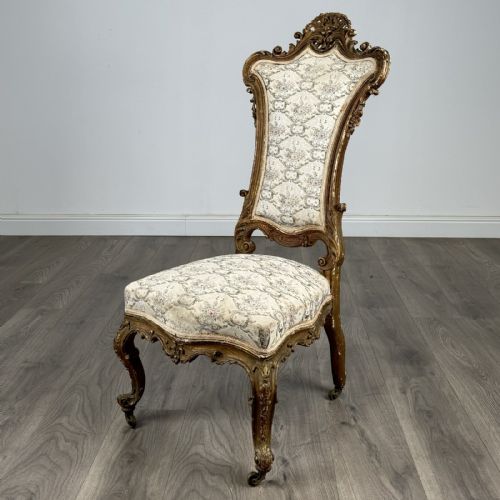
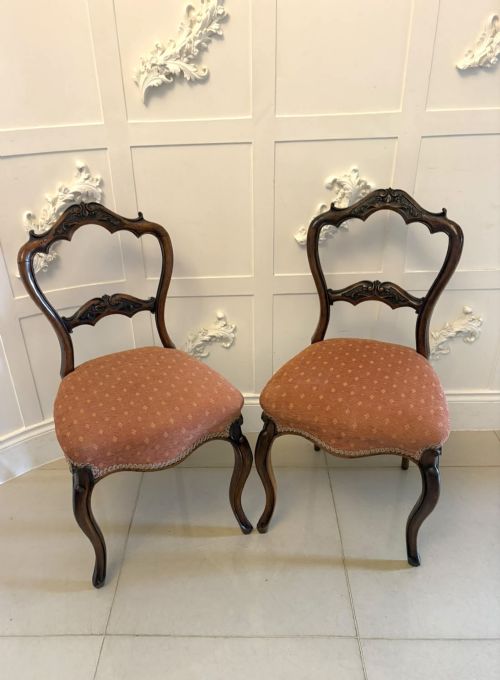
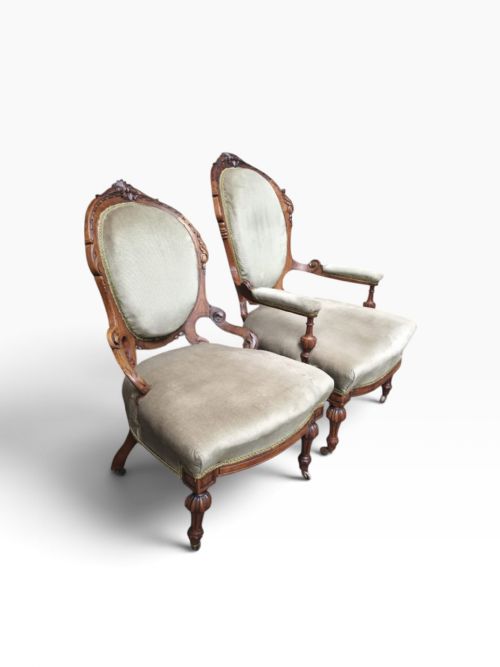
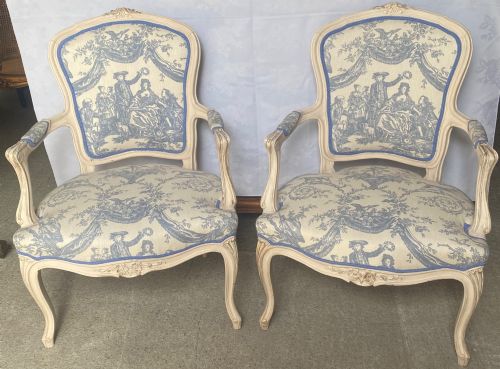
These rococo upholstered chairs combine curving organic lines with generous padding, offering both decorative presence and comfortable seating for a period interior.
Rococo Upholstered Chairs
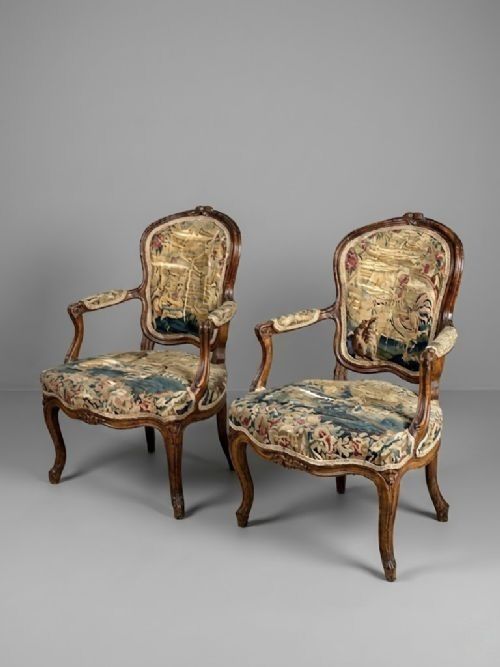
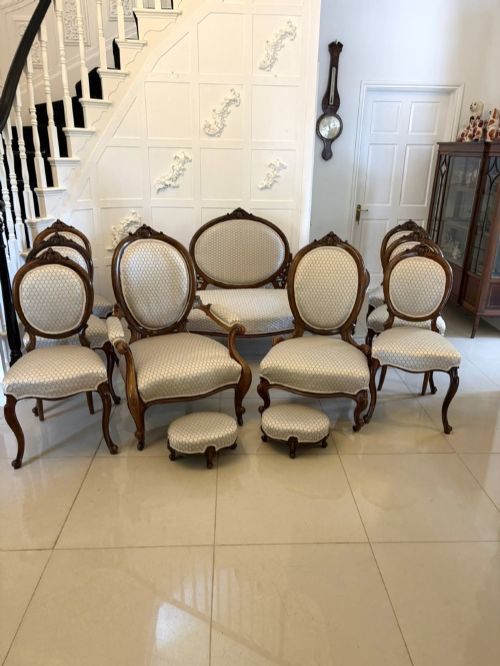
When you examine rococo upholstered chairs, you encounter seating shaped by the fluid, asymmetrical aesthetic of the eighteenth-century French style and its nineteenth-century Victorian revivals. The forms span armchairs, side chairs, dining chairs, and larger pieces such as sofas, settees, and salon suites.
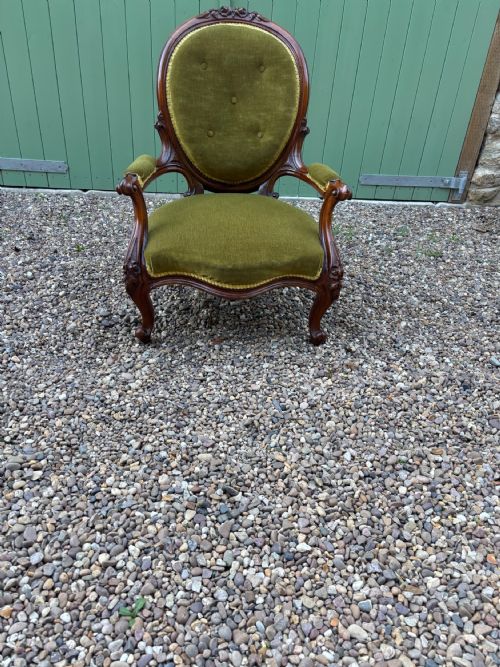
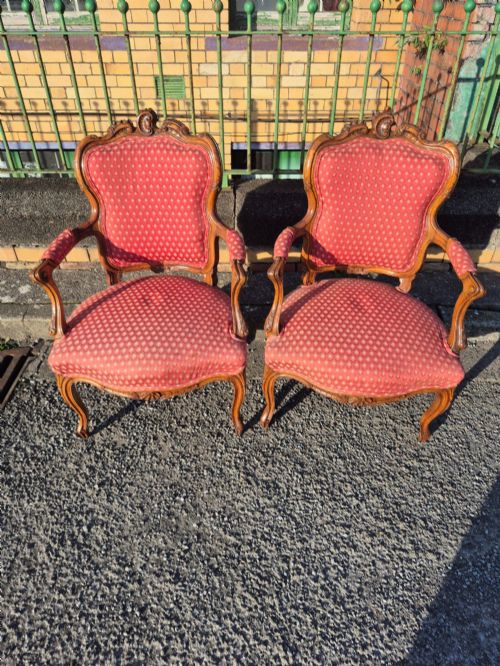
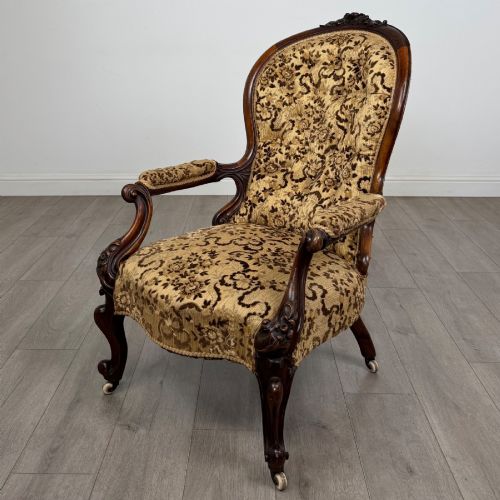
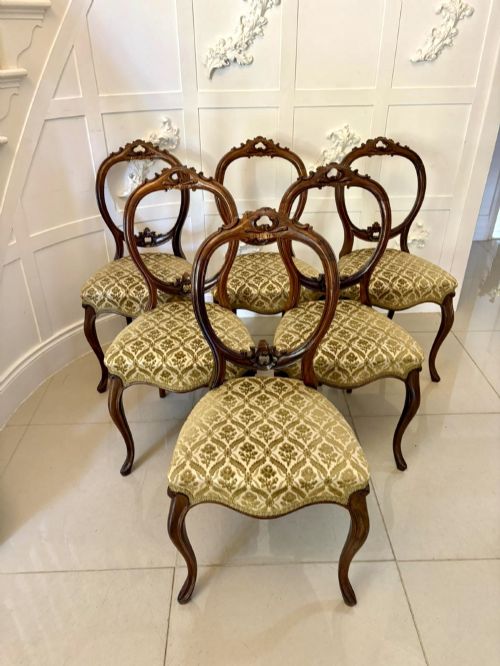
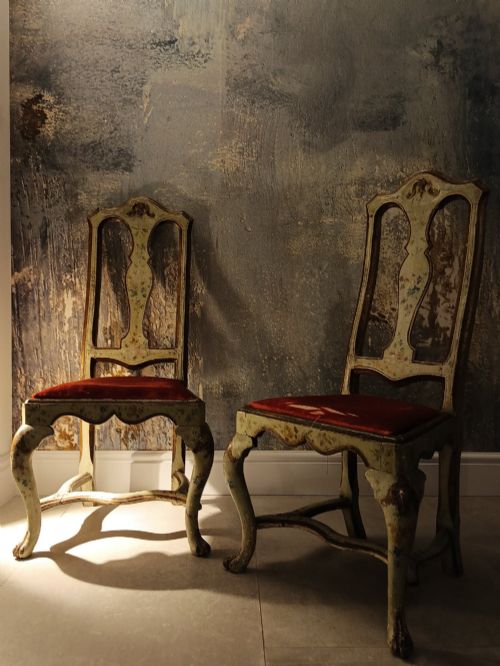
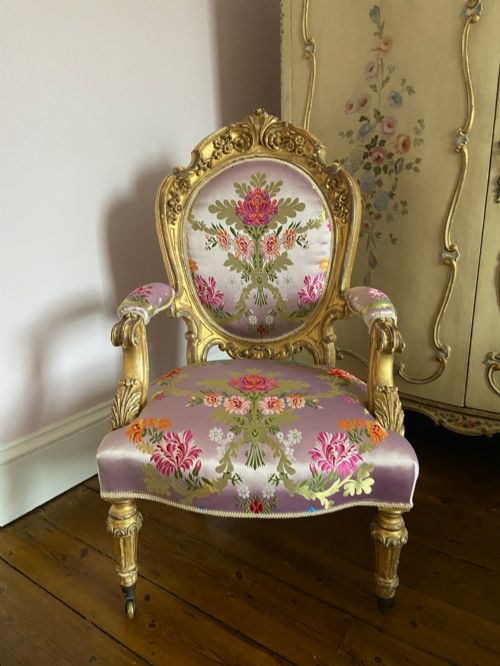
The versions met most frequently on this page date from the Victorian period, alongside eighteenth-century continental pieces and later revivals. They appear in walnut, mahogany, and giltwood, carrying upholstered surfaces in velvet, silk, and various textiles.
How they were made
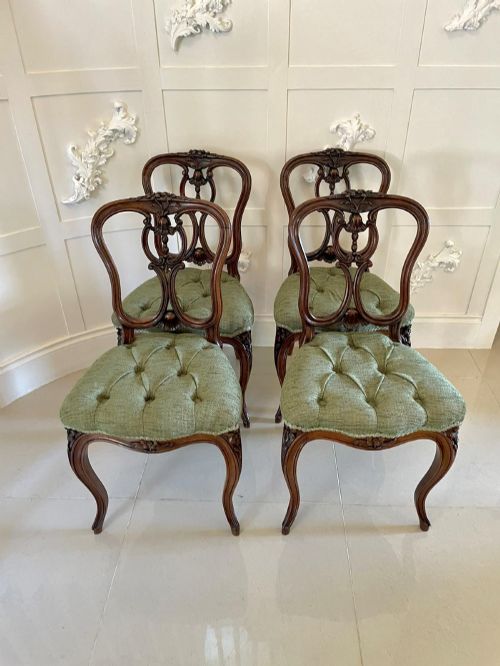
Makers shaped the timber frames by hand, carving walnut, mahogany, and rosewood with scrolling foliage, floral motifs, and characteristic cabriole legs. Giltwood examples received layers of gesso and gold leaf to achieve a brilliant metallic finish.
Upholstery techniques involved securing natural textile fibres over webbing and springs, finished with silk, velvet, or specialised upholstery fabric. Frames often incorporated exposed carved wood framing around the padded backrests and armrests.
Listings feature walnut, mahogany, and rosewood alongside giltwood frames, upholstered in silk, velvet, and standard textiles across Victorian and eighteenth-century periods.
What varies in quality
The refinement of the wood carving dictates much of the distinction between pieces, separating crisp, deeply undercut foliage from softer, more generalized moulding. Timber selection also matters, with dense, beautifully grained walnut and rosewood elevating the piece.
The harmony of the proportions and the fidelity of the stylistic revival play an equal role in defining standard. Superior examples maintain balanced curves and sturdy joinery that support the elaborate decorative carving without appearing clumsy.
The Rococo Upholstered Chairs Glossary
- Cabriole leg
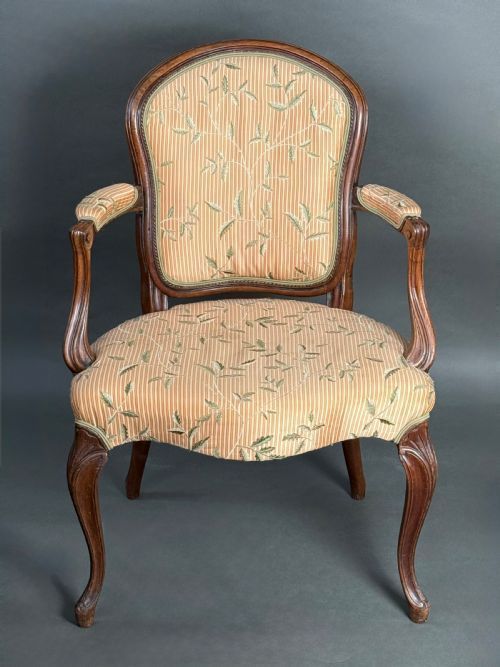
- A furniture leg that bends outward in a convex curve at the knee and tapers inward in a concave curve toward the foot, terminating in a scroll or pad. This form mimics the curve of an animal limb and typifies rococo design.
- Fauteuil
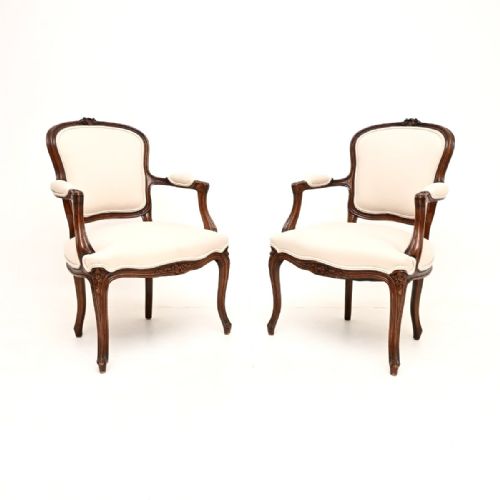
- An open-framed upholstered armchair with exposed wooden arms originating in France during the eighteenth century. The sides remain open beneath padded armrests.
- Giltwood
- Timber that has been coated with thin gold leaf or powder over a prepared gesso ground. It provides a luxurious reflective surface common on high-status continental seating.
- Spoonback
- An upholstered chair back shaped in a concave oval contour resembling the bowl of a spoon. This ergonomic form fits the human spine and appears frequently on Victorian walnut salon seating.
Rococo Upholstered Chairs: Frequently Asked Questions
What periods do these chairs come from?
The selection spans from the mid-eighteenth century through the nineteenth-century Victorian revival and into twentieth-century interpretations. Most pieces date to the Victorian era, reflecting a strong domestic interest in French-inspired design.
Earlier eighteenth-century examples originate from continental workshops in France and Italy, featuring authentic period construction. Later revivals from the late nineteenth and early twentieth centuries emulate these historical forms using contemporary woodworking techniques.
How do I distinguish French rococo from Victorian revival?
Authentic eighteenth-century pieces display the lighter scantlings, hand-mixed finishes, and joinery methods characteristic of their period of origin. They often show honest wear and timber shrinkage consistent with age.
Victorian revival pieces generally employ heavier framing timbers, machine-assisted turning alongside hand carving, and darker shellac finishes typical of nineteenth-century manufacturing. The upholstery systems underneath also reflect the introduction of coil springs in the Victorian era.
Are these chairs suitable for daily seating?
Many of these chairs provide supportive seating, particularly larger armchairs and salon seats designed for comfort. Their structural stability depends on the soundness of the internal wooden frame and joinery.
Buyers intending regular use should verify the condition of the internal webbing, springs, and padding. Professional reupholstery often restores modern comfort while preserving the historic wooden exterior.
Where should I place a salon suite?
A matching salon suite works best in a principal reception room, drawing room, or large bedroom where multiple seating elements can be arranged together. Their unified carving and fabric create a cohesive focal point.
Individual armchairs or side chairs adapt easily to corners, dressing rooms, or studies as occasional seating. Their decorative backs mean they look effective even when viewed from behind in an open room layout.