


Rococo Style Writing Bureau
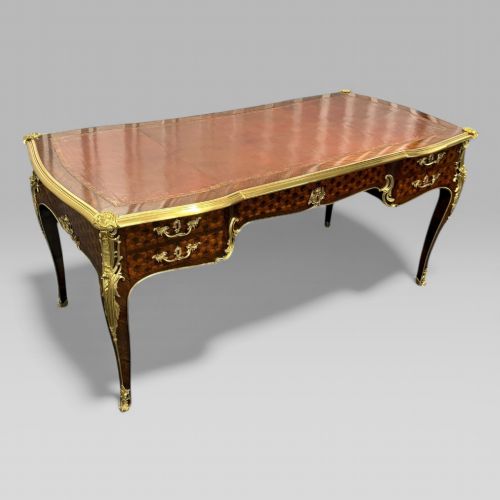
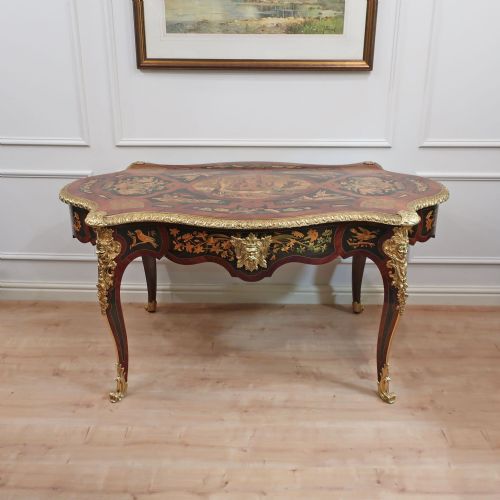
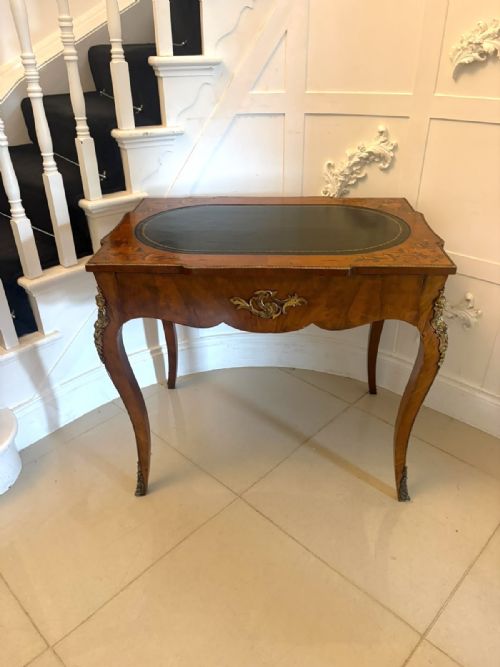
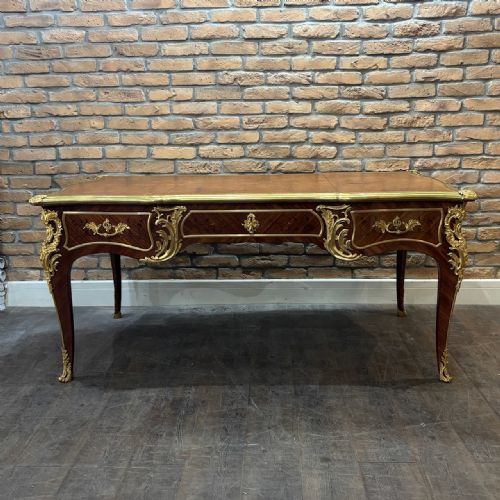
These rococo style writing bureau pieces combine exuberant serpentine outlines with rich veneers and gilt metal mounts, offering both decorative presence and a practical writing surface.
Rococo Style Writing Bureau
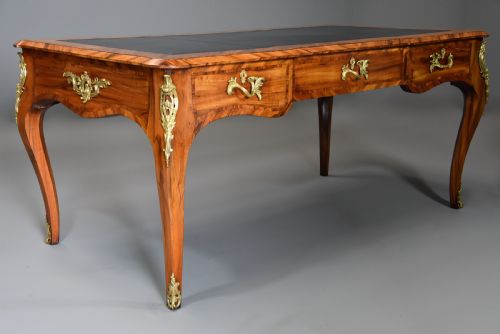
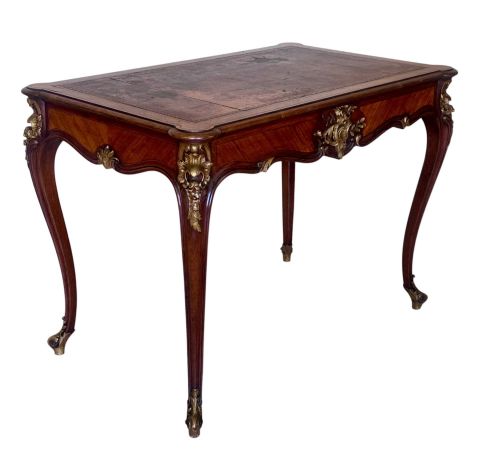
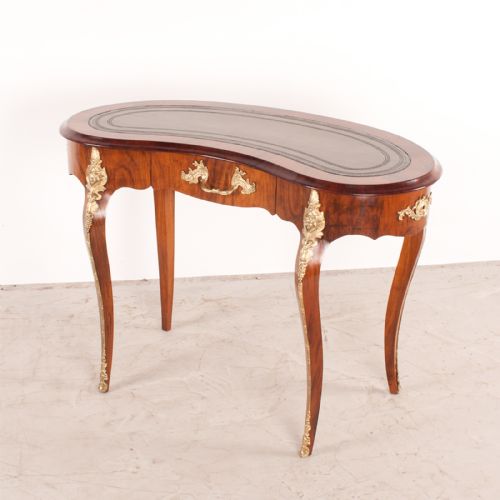
A rococo style writing bureau encompasses desks, bureau plats, and writing tables styled after French eighteenth-century designs. Most examples found here originate from the nineteenth century, reflecting a strong Victorian taste for continental revivalism.
How they were made
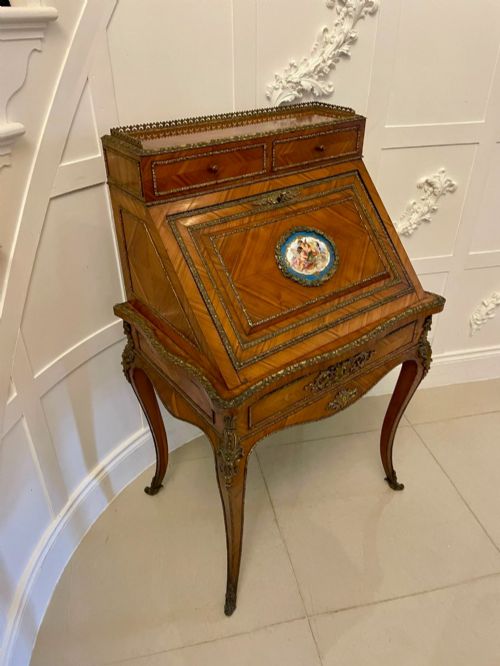
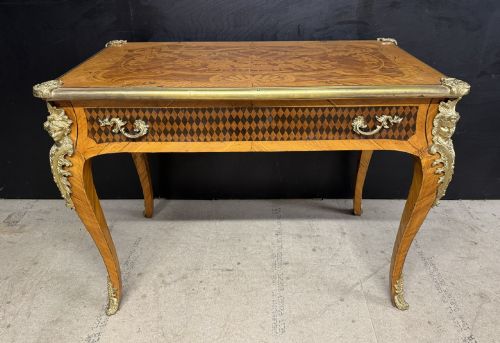
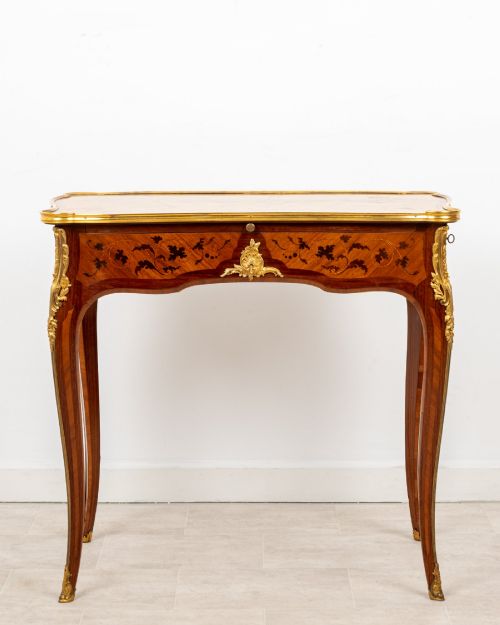
Cabinetmakers utilised dense hardwoods such as kingwood, walnut, and rosewood, frequently applying intricate marquetry patterns across the surfaces. Tops often incorporate fitted leather inserts for writing.
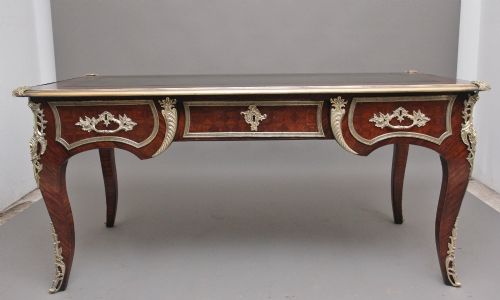
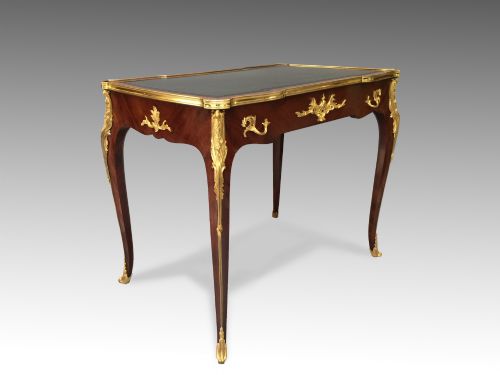
Cast ormolu and gilt bronze mounts accentuate the curved contours and corners of the furniture. Sevres porcelain plaques and painted panels occasionally supplement the wooden marquetry.
The listings here feature pieces predominantly from the nineteenth century, utilising kingwood, walnut, and ormolu within French revival styles.
What varies in quality
The refinement of the cast ormolu mounts dictates much of the visual distinction between examples, separating finely chased detailing from simpler metalwork. Cabinetmaking skill shows in the precision of the marquetry and the smooth movement of drawers.
Attribution to documented workshops elevates an object's standing, as seen in pieces bearing the marks of known makers. The choice of underlying timbers and the retention of original leather writing surfaces also influence overall character.
François Linke·Edwards & Roberts·CH. Jeanselme & Co·Durand·Zweiner·Gillows
The Rococo Style Writing Bureau Glossary
- Bureau plat
- A freestanding double-sided writing table with drawers in the frieze, typically finished with a leather top. These desks were designed to stand away from walls.
- Ormolu
- Gilded bronze used for decorative mounts on furniture. It provides the characteristic metallic highlights associated with the style.
- Marquetry
- Inlaid wood veneers arranged in decorative patterns across the surface of the desk. Different timber species create tonal contrast and pictorial designs.
- Vernis Martin
- A type of simulated Japanese lacquer developed in France. It appears on decorative panels inset into cabinet furniture.
Rococo Style Writing Bureau: Frequently Asked Questions
Where should a bureau plat go?
These desks are designed to stand prominently in the middle of a room rather than against a wall. Their finished backs and symmetrical decoration allow them to be viewed from all angles.
Placing the piece centrally highlights the ormolu mounts and marquetry work on every side of the timber frame.
How do I care for the leather top?
The leather writing surface benefits from occasional cleaning with a damp cloth followed by a neutral leather conditioner. Avoid using harsh chemical solvents that might damage the gilt tooling around the edges.
Keeping the surface clear of prolonged moisture prevents the leather from warping or staining the timber border.
What is the difference between a bureau plat and a secretaire?
A bureau plat functions primarily as an open writing table with drawers beneath the main surface. A secretaire usually incorporates a folding or dropping flap that conceals inner compartments and pigeonholes.
Both forms utilise similar revival styles, but they serve different storage needs within a study.
How can I tell nineteenth century pieces apart from older work?
Nineteenth-century revival furniture often employs machine-sawn veneer thicknesses and specific construction methods characteristic of Victorian workshops. Examination of the interior drawer linings and secondary timbers reveals the manufacturing period.
Stylistic markers may mimic earlier eighteenth-century reigns, yet the handling of the ormolu and timber preparation points to later production.