





Rococo Style Plant Stand
These rococo style plant stand pieces combine ornate scrollwork and rich materials, offering an elegant focal point for displaying greenery in a traditional interior.
Rococo Style Plant Stand
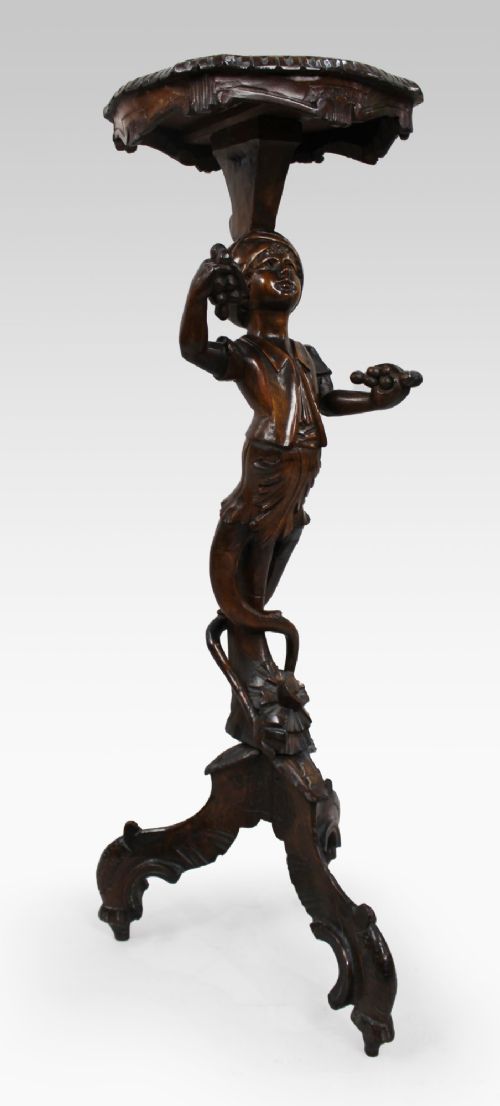
A rococo style plant stand embodies the elaborate, nature-inspired flourishes typical of the revival periods, often taking the form of tall pedestals, torchaires, or decorative jardinieres. These pieces frequently manifest as 19th-century works, Victorian creations, or Edwardian designs that lean heavily on continental European aesthetics.
Makers and designers of these items often utilised forms associated with French chateau or Venetian baroque traditions to create striking display surfaces. Buyers encounter tall torchaires alongside lower plant stands, occasional tables, and side tables configured to hold heavy vessels.
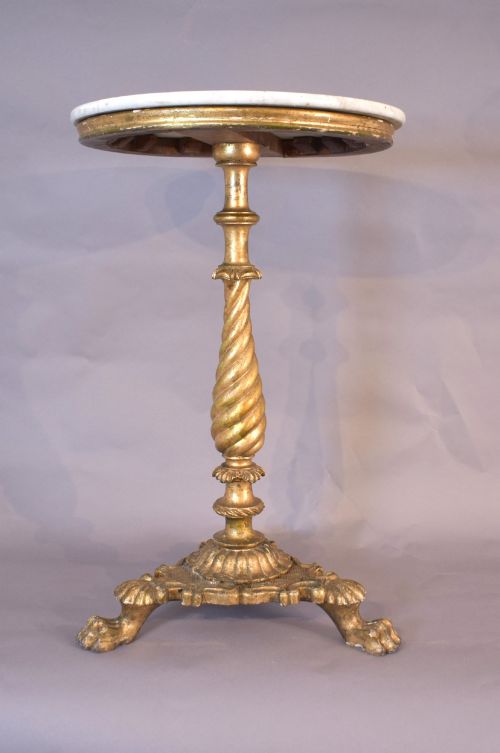
The silhouettes rely on dynamic tripod bases, shaped columns, and tiered structures that elevate plants or busts above floor level. Such items serve as functional furniture and decorative statements within a room.
Materials and construction methods
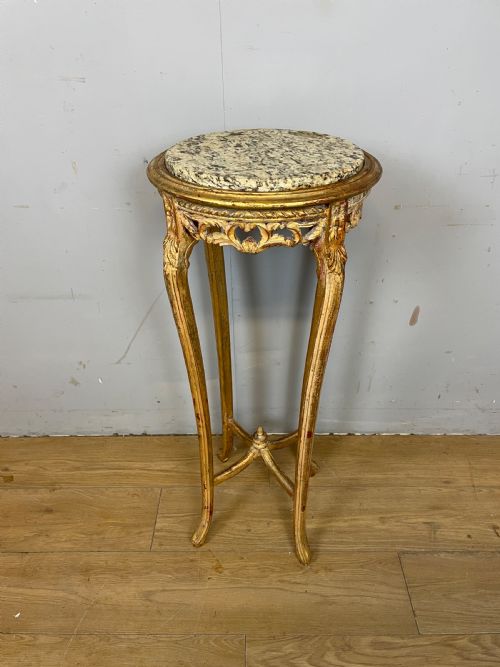
Construction frequently involves carved walnut, mahogany, or kingwood, complemented by intricate gesso and giltwood applications to achieve a brilliant metallic sheen. Artisans shaped these timbers to support heavy stone elements without losing the characteristic fluidity of the design.
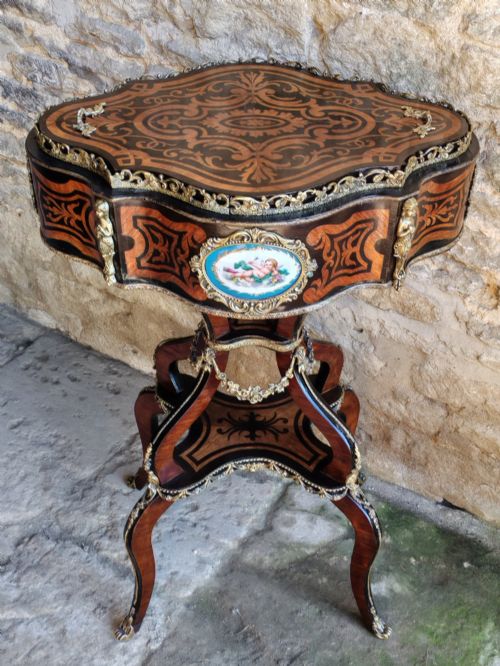
Many examples incorporate contrasting surfaces, pairing carved wooden structures with polished marble, alabaster, or onyx tops designed to withstand moisture from plants. Ormolu, gilt brass, and cast iron mounts provide structural reinforcement and decorative detail along the legs and rims.
Assessing craftsmanship and finish
The depth and crispness of the hand-carved gesso or wooden ornamentation separate standard items from superior examples. Skilled hands create undercut scrollwork and detailed foliage that retain definition beneath layers of gilding.
The choice of top material also indicates the grade of the piece, with thick, well-figured marble or alabaster slabs demonstrating greater investment than simpler wooden boards. Furthermore, the integration of bronze or ormolu mounts reveals the maker's commitment to balanced proportions and secure joints.
The Rococo Style Plant Stand Glossary
- Giltwood
- Wood that has been coated with gold leaf or a gold-coloured metallic finish. This technique creates a luminous surface that catches candlelight or natural daylight.
- Ormolu
- Gilt bronze ornamentation applied to furniture and decorative objects. The method involves mercury gilding or modern electroplating to achieve a rich golden appearance.
- Torchaire
- A tall, ornamental stand or candlestick originally designed to hold a light source. In later periods, these evolved to support flower pots, jardinieres, or sculpted busts.
- Jardiniere
- An ornamental receptacle or stand for holding plants and flowers. These containers frequently feature waterproof inserts or metal linings.
- Gesso
- A plaster mix applied to wood surfaces as a base for painting or gilding. Artisans carve fine details directly into this layer before applying gold leaf.
Rococo Style Plant Stand: Frequently Asked Questions
What is a rococo style plant stand used for?
These stands serve primarily to elevate potted plants, ferns, or decorative busts, drawing the eye upward and adding height to interior arrangements. They function as both structural furniture and ornamental centerpieces within a room.
Historically, they occupied corners or window spaces where natural light benefited the plants while showcasing the decorative craftsmanship of the stand itself.
How do I date a plant stand?
Dating relies on examining the timber species, the mounting hardware, and the application of gesso or gilding techniques. Mid-19th-century pieces often display heavier hand-carved elements and natural walnut or mahogany.
Later Victorian and Edwardian examples may incorporate machine-tooled brass or standardised bronze mounts alongside lighter wood frames, reflecting shifts in manufacturing methods.
Can these stands support heavy pots?
Most of these pieces are constructed from sturdy hardwoods like mahogany, walnut, or cast iron, designed to bear considerable weight. The inclusion of solid marble or onyx tops provides a stable, moisture-resistant platform for large planters.
It remains wise to check the integrity of the tripod base and joints to ensure the structure remains balanced under heavy loads.
How do I care for giltwood and marble?
Giltwood requires gentle dusting with a soft, dry cloth to protect the delicate gold leaf or gesso surface from abrasion. Moisture and chemical cleaners should be kept far away from gilded areas.
Marble and onyx tops benefit from wiping with a damp cloth and mild soap, followed by immediate drying to prevent water spots on the polished stone.