



Rococo Style Framed Artwork
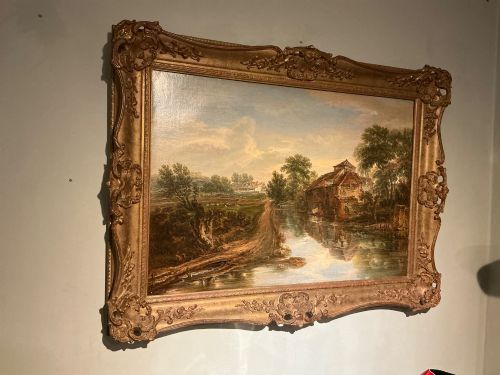
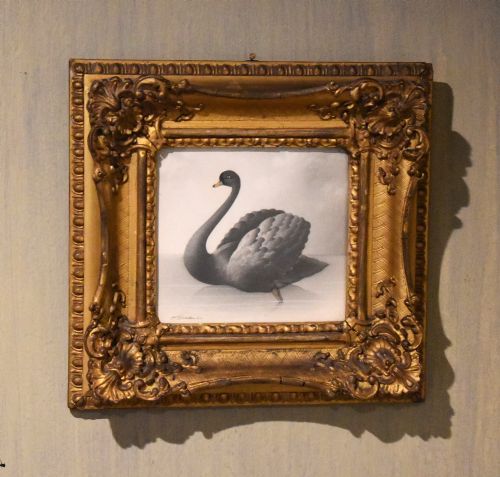
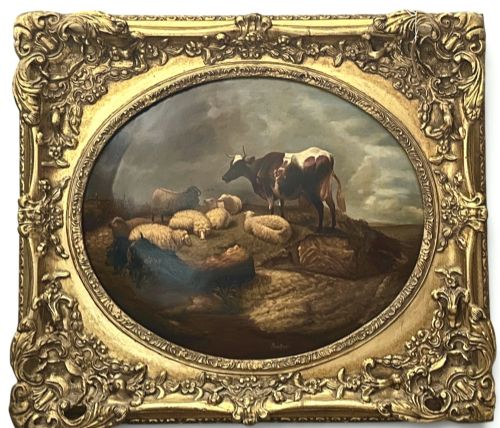
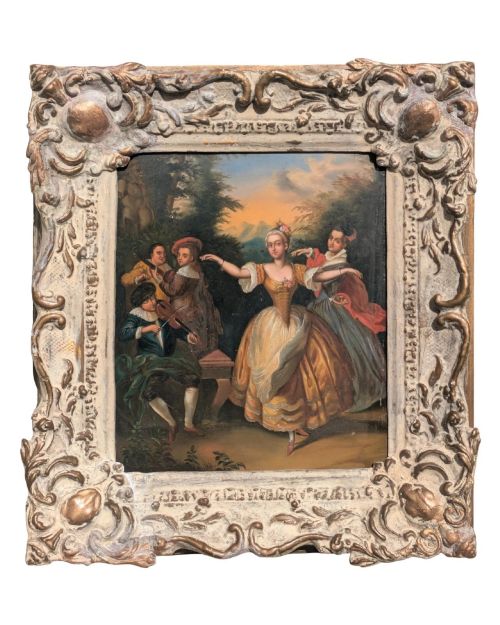
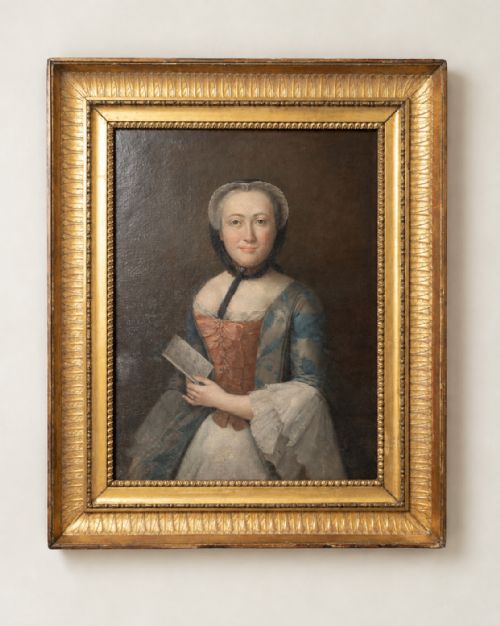
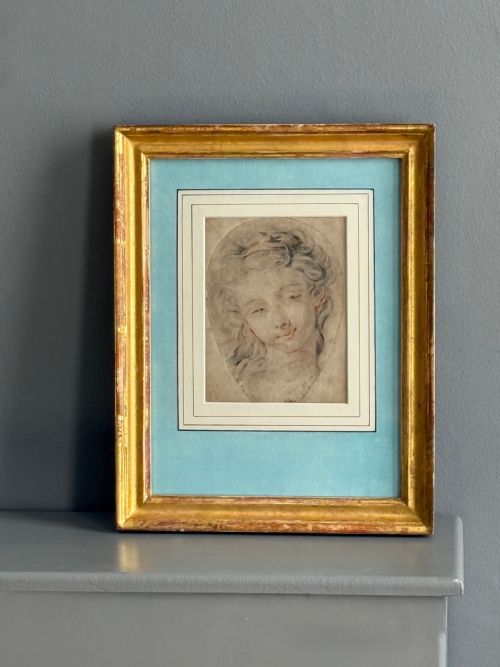
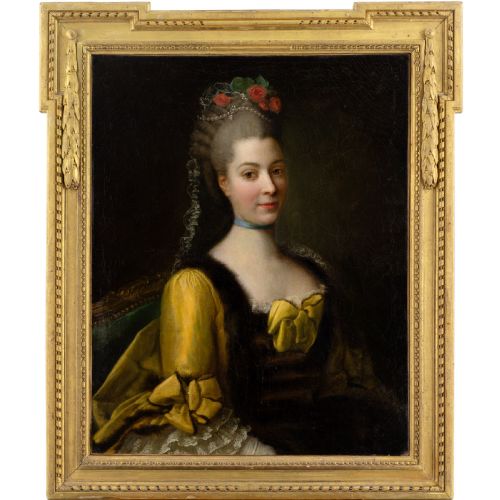
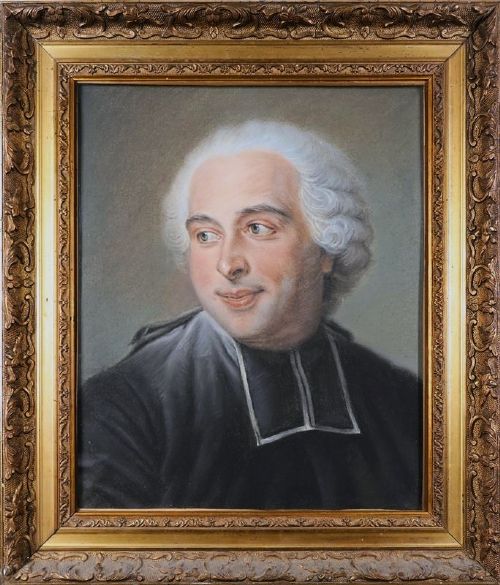
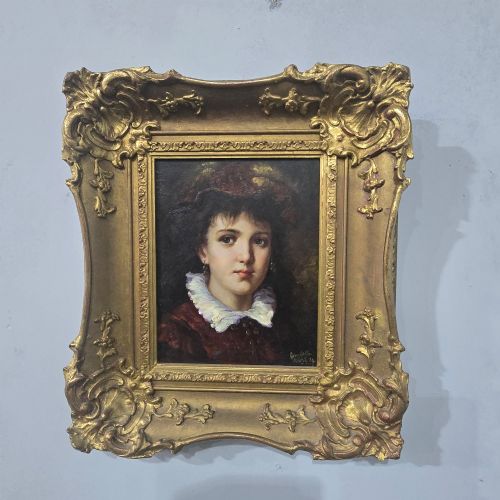
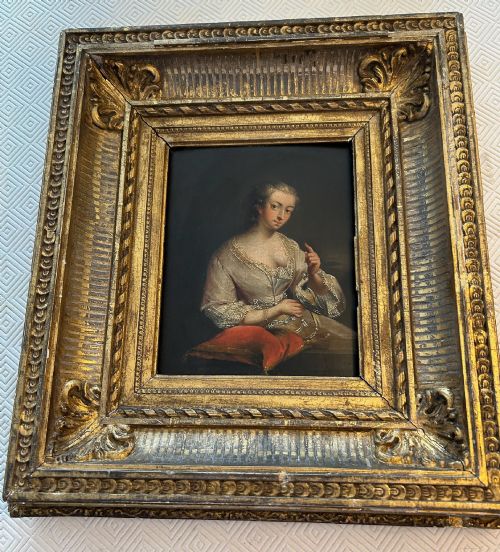
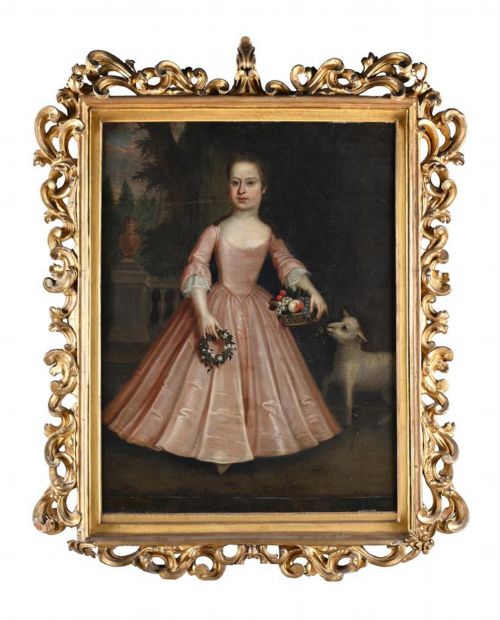
These pieces of rococo style framed artwork combine ornate painted scenes with heavily embellished frames to bring period drama into a room.
Rococo Style Framed Artwork
When buyers search for rococo style framed artwork, they encounter oil paintings, pastels, prints and needlework pictures depicting portraits, courtly genre scenes and classical subjects. The pieces originate from periods spanning the eighteenth and nineteenth centuries, alongside mid-century interpretations.
The versions met most frequently on this page are oil paintings on canvas executed in nineteenth-century revivals of earlier French and Italian styles. These works often portray elegant figures, interior scenes and garden landscapes housed within ornate surrounds.
Framed artwork in this tradition includes both original compositions and historical copies after prominent masters. The physical form ranges from small miniatures and wall art to large, imposing canvases set within heavy decorative borders.
How They Were Made
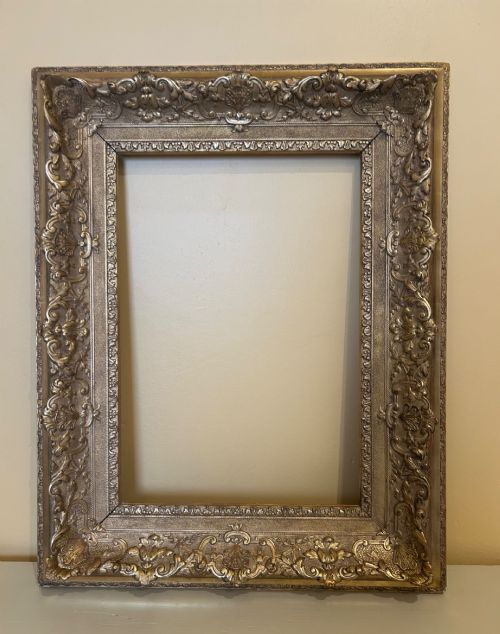
The construction of these pieces relies on traditional canvas stretched over wooden frames, painted with oil or rendered in pastel. Artisans built up the decorative surrounds using carved wood, moulded gesso and applied gold leaf or giltwood to achieve a metallic sheen.
Surrounds feature sweeping curves, scrolls and floral motifs characteristic of the style, fashioned through meticulous carving and moulding techniques. The artwork itself employs layered oil paints to capture fine details in costume, flesh tones and architectural interiors.
Rococo Style Framed Artwork Retail Price Guide 2026
Typical asking prices for rococo style framed artwork among the pieces listed under this phrase on Sellingantiques today, from the lower quarter to the upper quarter. They describe what is for sale here now, not the wider market.
Listings feature oil paintings, pastels and prints spanning from the eighteenth century through to mid-century Italian productions.
What Varies in Quality
The standard of execution in the painted surface dictates the upper tier of the range, visible in the handling of facial expressions, drapery folds and light. Finer works display confident brushwork and anatomical precision, whereas simpler pieces rely on formulaic execution.
The construction and finish of the surrounding frame contribute significantly to the overall merit of the object. Hand-carved wooden surrounds with deeply articulated gesso ornamentation and well-preserved gold leaf elevate a piece above those with mass-produced or heavily restored mounts.
Johann Hamza·Marcel Brunery·Carlo Ferranti·Philip Mercier·Ernest Higgins Rigg
The Rococo Style Framed Artwork Glossary
- Gesso
- A plaster-like mixture applied to wood as a base for gilding and painting. It is built up in layers before being carved or moulded with ornamental details.
- Giltwood
- Wood that has been treated with gold leaf or gold paint to give the appearance of solid gold. This material defines the lustrous finish seen on many period surrounds.
- Genre painting
- A category of artwork depicting scenes from everyday life, ordinary people or courtly leisure activities. These compositions often show figures engaged in games, music or conversation.
- Pastel
- A medium consisting of powdered pigment combined with a binder and pressed into sticks. Artists use it on canvas or paper to achieve soft textures and delicate colour transitions.
Rococo Style Framed Artwork: Frequently Asked Questions
How do I date these pieces?
Dating relies on examining the stretcher frames, canvas preparation, and the specific characteristics of the pigments used in the painting. Stylistic cues in clothing and hairstyle also offer clues to the period of creation.
Secondary indicators include the construction methods of the surrounding frame and any written inscriptions, labels or stamps found on the reverse of the work.
Where should I hang them?
These works suit formal reception rooms, dining areas or hallways where their decorative frames can command attention against plain or panelled walls. Position them away from direct sunlight and sources of heat to protect the canvas and gilded surfaces.
Ensure the wall fixings can support the weight, as many period surrounds incorporate heavy carved wood and dense gesso.
Are the frames original?
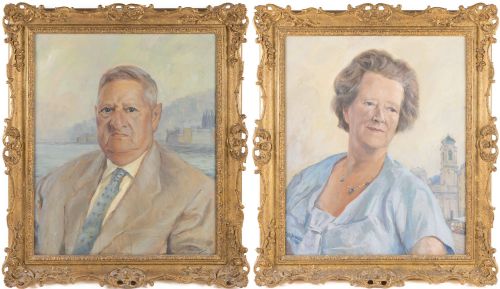
Many pieces retain frames contemporary to their creation or from a closely related revival period, though some have been paired together later in their history. Inspecting the joins and the wear on the gilding helps determine the relationship between the artwork and its mount.
Both original and matched period surrounds contribute to the visual impact of the ensemble.
What subjects are most common?
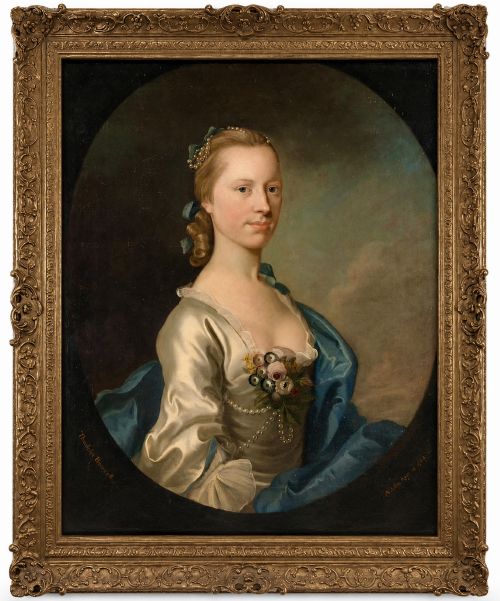
Portraits of elegant ladies and gentlemen dominate the selections, alongside courtly genre scenes depicting figures at leisure in palaces or gardens. Classical motifs and pastoral subjects also appear frequently.
These themes reflect the decorative tastes of eighteenth-century France and its later nineteenth-century revivals.