



Rococo Style Dresser
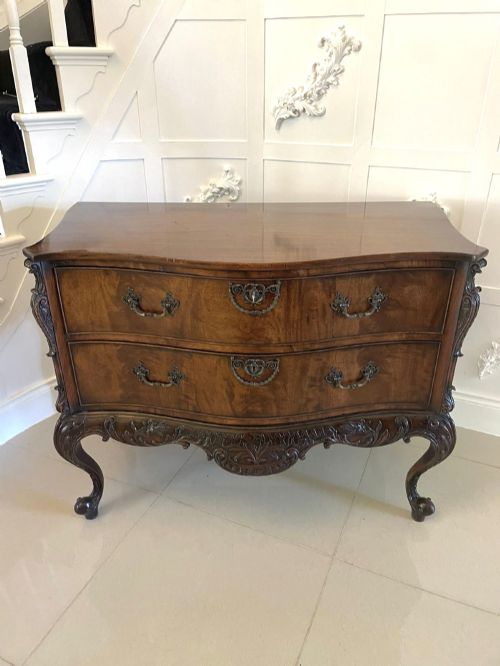
A rococo style dresser brings sweeping, asymmetrical elegance to a room through curvaceous lines and rich timber work.
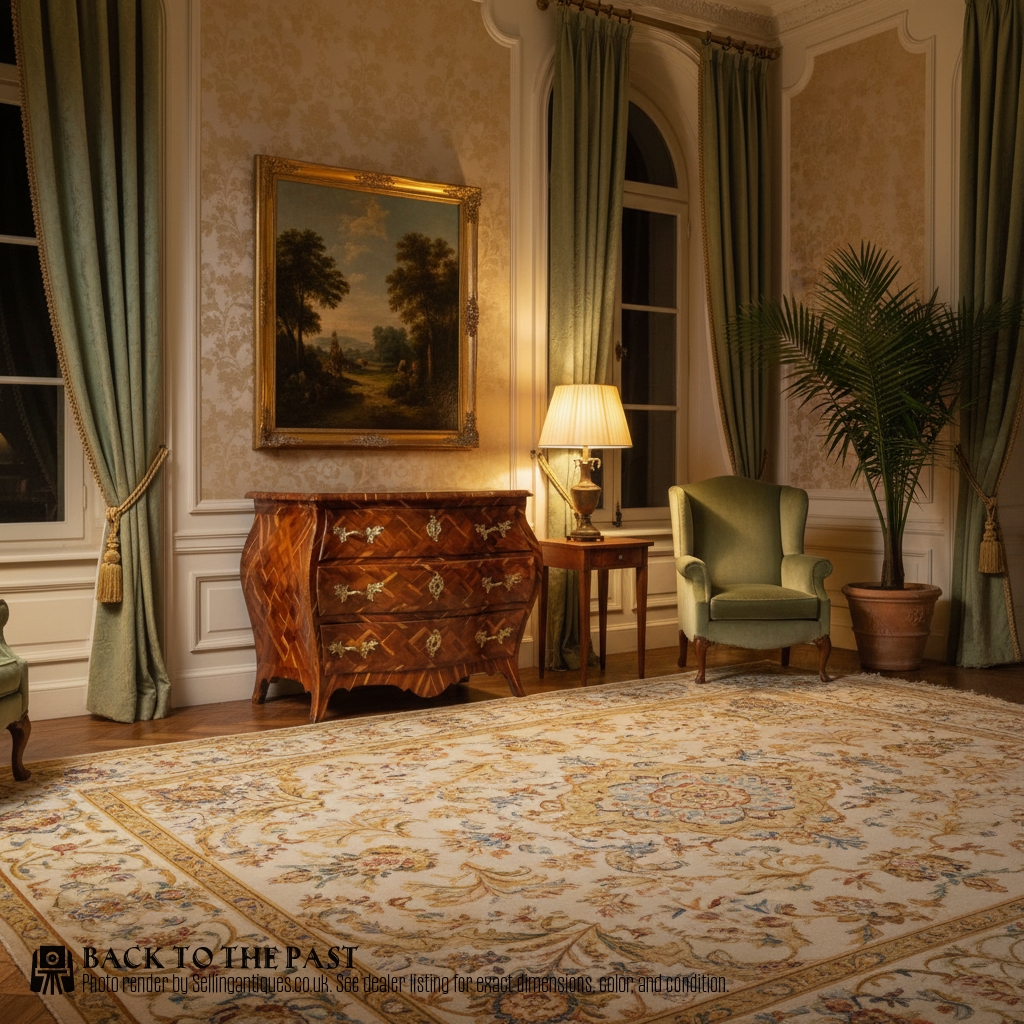
Rococo Style Dresser
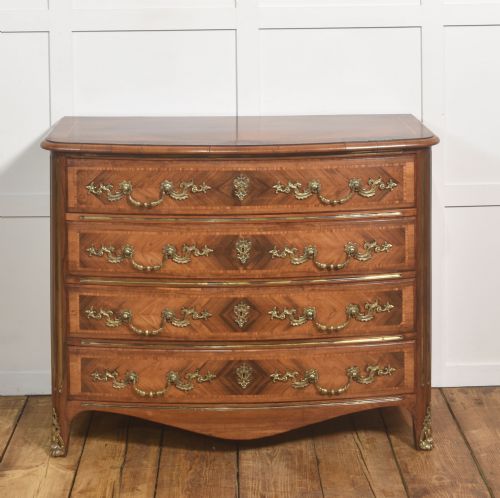
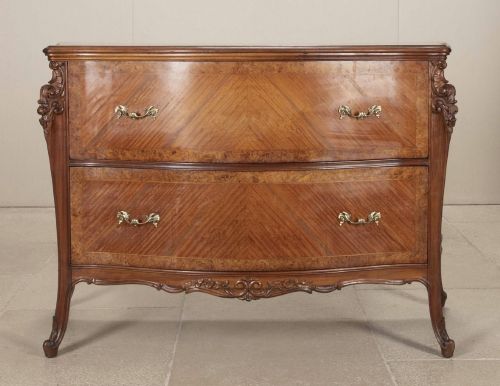
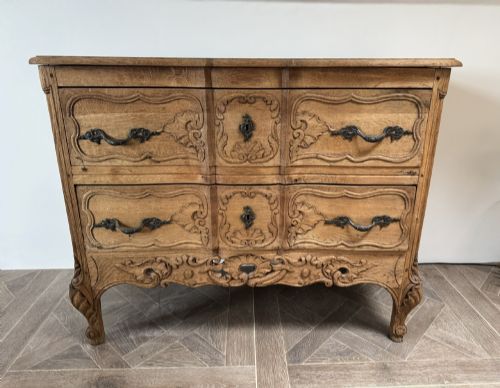
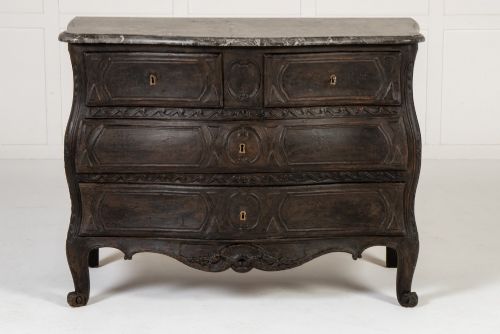
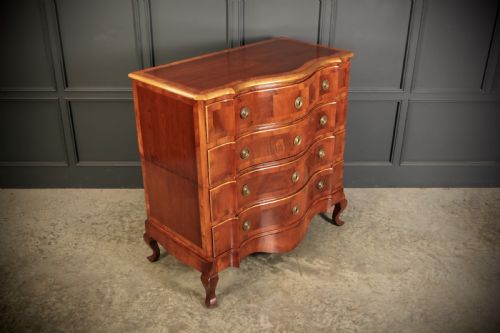
When searching for a rococo style dresser, buyers encounter a variety of forms including serpentine chests of drawers, bombe commodes, and jewellery caskets spanning from the eighteenth century to the twentieth century.
The pieces appearing on this page originate from diverse regions such as France, Italy, Germany, and Denmark, showcasing regional interpretations of the style.
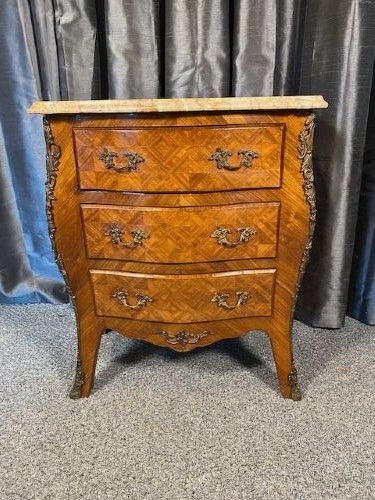
Most items take the form of commodes and chests of drawers featuring characteristic serpentine fronts and rounded profiles.
Materials and construction
Cabinet makers utilised choice timbers including walnut, mahogany, oak, fruitwood, kingwood, and satinwood, often applying intricate marquetry and burr veneers to curved surfaces.
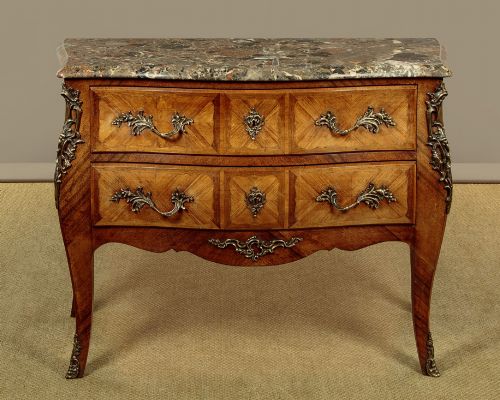
Many pieces incorporate shaped marble tops alongside cast or chased ormolu mounts and brass hardware that accentuate the sweeping contours of the woodwork.
Painted finishes frequently appear, displaying Venetian scenes or decorative pigments on oak, pine, and other painted woods.
The selection includes pieces from French, Italian, German, and Danish workshops.
Evaluating craftsmanship
The standard of a commode depends heavily on the precision of its serpentine shaping and the fluidity of the carved details executed in the wood or ormolu mounts.
Finer examples demonstrate seamless integration of decorative veneers, such as burr walnut and marquetry, fitted carefully to complex bombé or curved carcases.
The integration of heavy marble tops and the quality of original brass mounts distinguish superior specimens from simpler provincial work.
Charles Cressant
The Rococo Style Dresser Glossary
- Serpentine
- A furniture front or side shaped with a central concave curve flanked by two convex curves, creating a fluid undulating line. This contour defines many commodes in the style.
- Bombe
- A swelling, bulging outward profile characteristic of continental case furniture. It requires considerable skill from the cabinet maker to shape timber or veneer to these rounded contours.
- Ormolu
- Gilt bronze mounts applied to furniture for decorative effect. These cast metal details highlight the corners and aprons of finer chests.
- Marquetry
- The art of applying thin pieces of veneer to a structure to form decorative patterns or pictures. Wood workers used contrasting timbers like satinwood and walnut to achieve tonal depth.
Rococo Style Dresser: Frequently Asked Questions
What is a rococo style dresser?
A rococo style dresser typically refers to an ornate chest of drawers or commode characterised by asymmetrical scrolls, serpentine fronts, and curved outlines.
These pieces draw on eighteenth-century design principles, though many examples date from subsequent revival periods in the nineteenth and twentieth centuries.
How do I distinguish an eighteenth-century piece?
Examining the construction methods, timber ageing, and hand-cut joinery helps determine the age of a commode.
Earlier examples often display native cabinet-making techniques specific to their region of origin in France, Italy, or Germany.
Where should I place a commode?
These decorative chests work well in living rooms, hallways, or bedrooms as statement storage items.
The finished backs and detailed fronts on many models allow them to sit effectively within a room rather than strictly against a wall.
What maintenance do marble tops need?
Marble surfaces require gentle cleaning with mild, pH-neutral soap and warm water to protect the stone from staining.
Avoiding acidic liquids and harsh abrasives keeps the polished finish intact over decades of use.