
Rococo Style Chairs
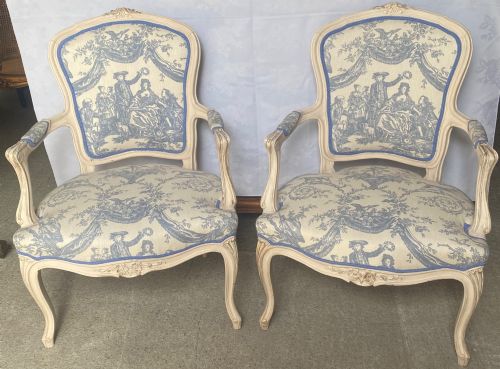
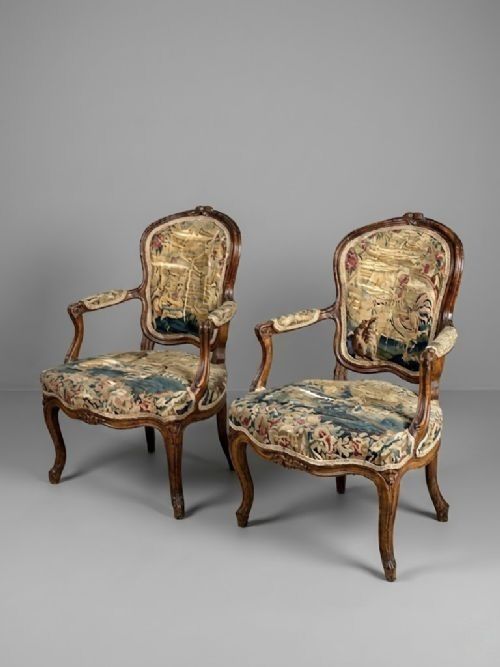
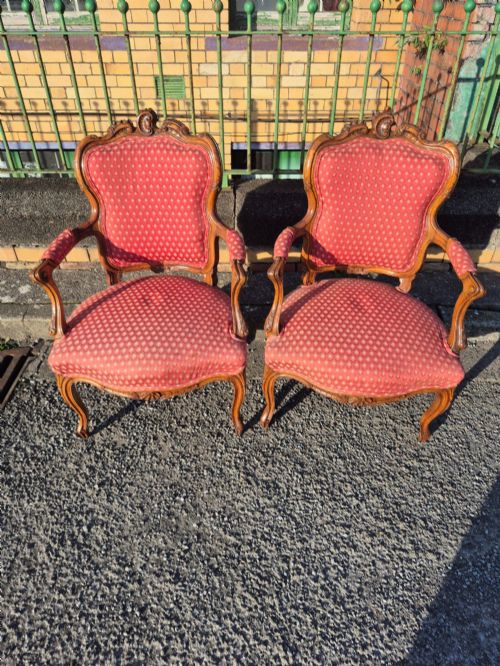
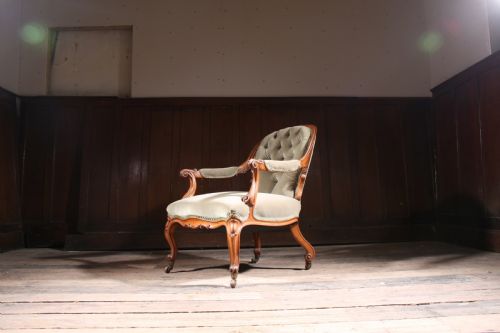
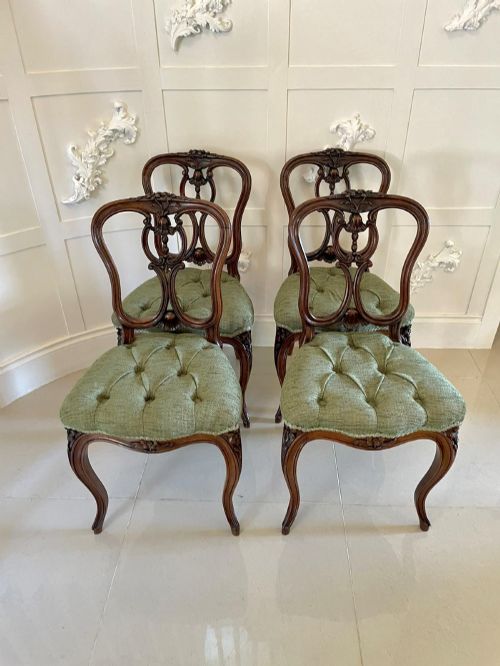
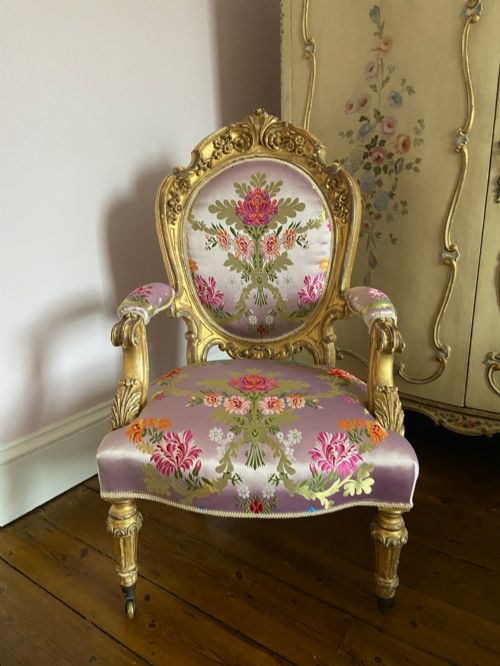
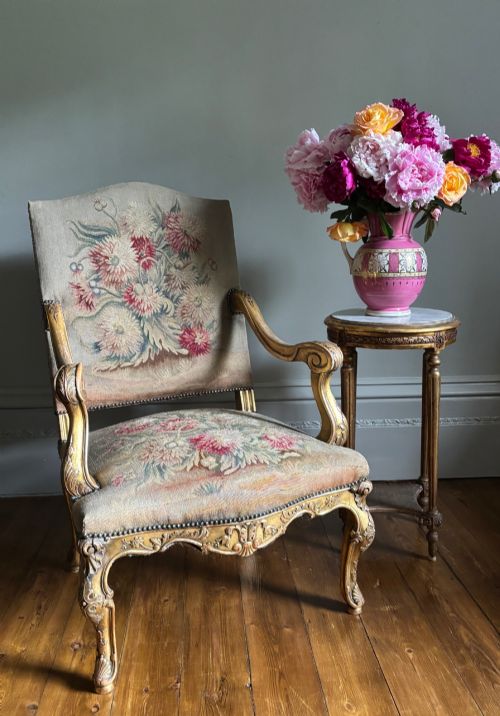
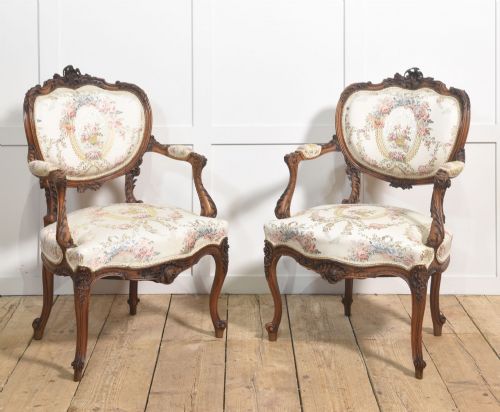
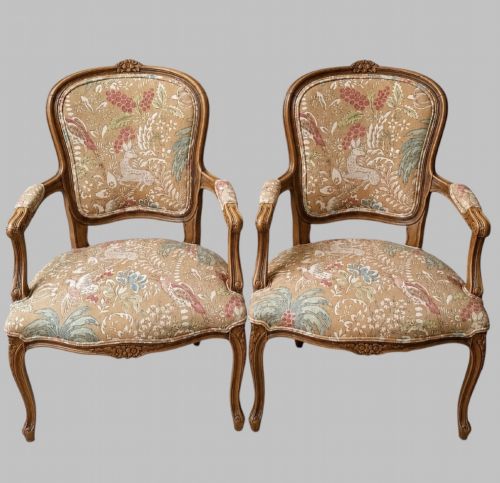
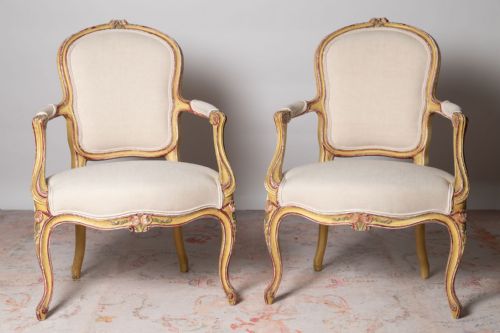
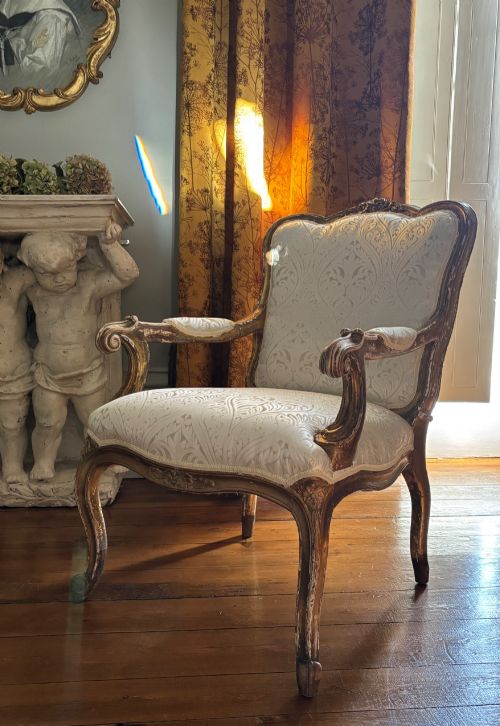
These rococo style chairs bring extravagant carved walnut and giltwood curves into a room, drawing on eighteenth-century French and Dutch forms.
Rococo Style Chairs
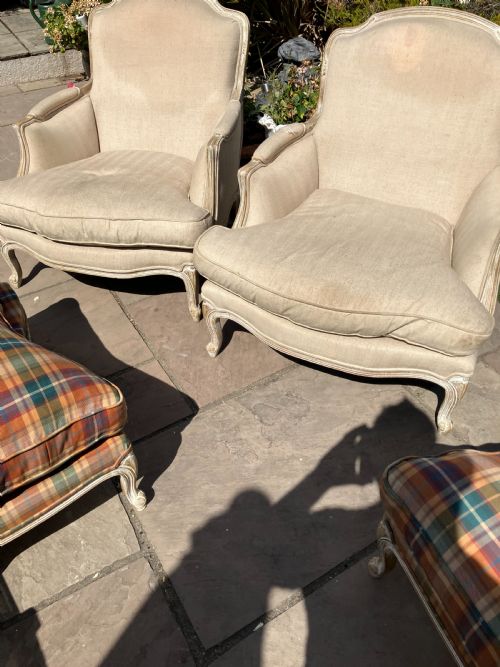
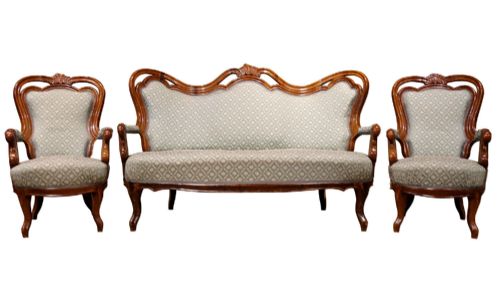
When you search for rococo style chairs, you encounter seating built primarily in the nineteenth and twentieth centuries that mimics earlier French and Dutch designs. The selection spans armchairs, side chairs, dining chairs, and larger salon suites that adapt these flamboyant historical outlines.
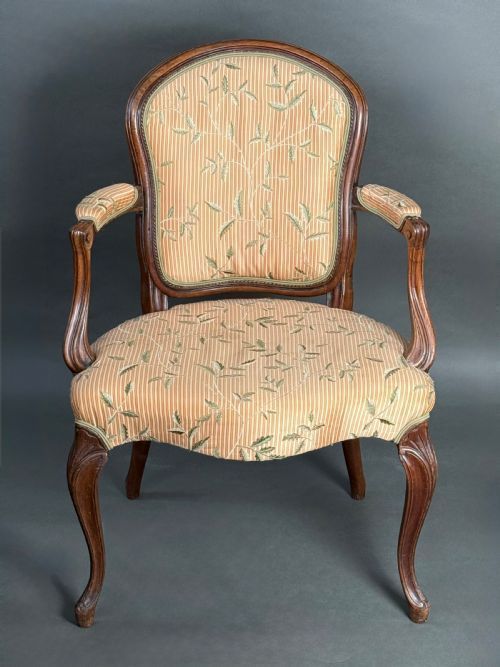
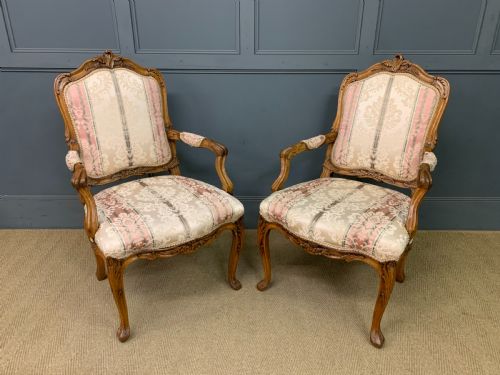
Most examples originate from nineteenth-century revival periods, particularly Victorian interpretations and later twentieth-century pieces. You find open armchairs, fauteuils, and salon chairs featuring the characteristic asymmetry and scrolling woodwork associated with the style.
How they were made
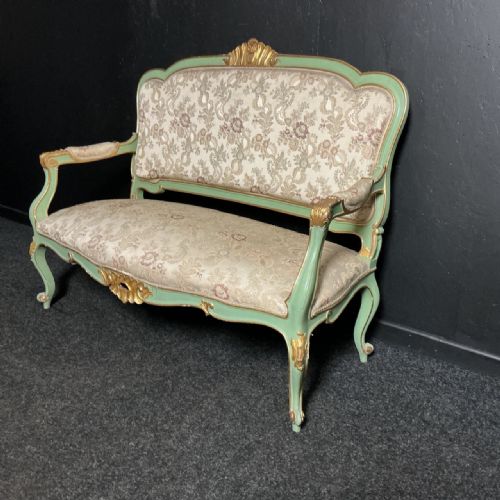
Maker workshops built these frames predominantly using solid walnut, carved giltwood, and occasional mahogany. Craftsmen shaped the wood into elaborate serpentine rails and cabriole legs before applying surface gilding or paint.
Upholstery forms a major component of construction, utilising traditional textiles such as silk, velvet, and modern reproduction fabrics. Frames often received padding secured with brass tacks to support the ornate wooden show-frames.
Listings include walnut, giltwood, and mahogany examples spanning the eighteenth, nineteenth, and twentieth centuries.
What varies in quality
Depth and crispness of the wood carving distinguish superior examples from plain production pieces. Hand-carved walnut and giltwood frames display fluid, undercut relief work, whereas lower tiers show softer, mechanical moulding.
Structural integrity and the quality of the textile coverings dictate overall standard. Original framing joints paired with high-grade silk or velvet upholstery elevate the piece above later, less substantial assemblies.
Blaise Maucuy·Morison And Co Of Edinburgh
The Rococo Style Chairs Glossary
- Fauteuil
- An open-framed upholstered armchair originating in France, featuring exposed wooden arms and a padded back. These seats combine decorative woodwork with upholstered comfort.
- Giltwood
- Timber treated with a thin layer of gold leaf or gilt preparation. This finish highlights intricate carved scrollwork on revival frames.
- Cabriole leg
- A furniture leg that curves outward and then tapers inward, finishing in a pad or scroll foot. This shape dominates eighteenth-century and revival seating.
- Salon suite
- A matched set of seating comprising a settee or sofa alongside multiple armchairs. These groupings furnished formal nineteenth-century reception rooms.
- Marquetry
- Decorative veneer work forming intricate patterns using various woods. Dutch high-back chairs frequently utilise this technique on walnut surfaces.
Rococo Style Chairs: Frequently Asked Questions
What defines a rococo style chair?
These chairs feature asymmetric carved wooden frames, curved cabriole legs, and elaborate scroll motifs derived from mid-eighteenth-century French designs. They prioritise decorative fluid lines alongside upholstered comfort.
Most options on the market date from nineteenth-century revival movements rather than the original period. They reproduce the distinctive aesthetic using walnut or giltwood.
How do I identify a revival piece?
Revival pieces display nineteenth or twentieth-century construction methods, machine-assisted joinery, or characteristic secondary woods beneath the surface. Stylistic proportions often lean heavier than genuine eighteenth-century work.
Examining the underside, screw types, and wear patterns helps clarify the true age of the timber frame.
Where should I place these chairs?
These seating options suit formal drawing rooms, bedrooms as boudoir chairs, or hallways as statement pieces. Their ornate giltwood and carved walnut frames function best away from direct sunlight.
Pairing single armchairs with modern furnishings creates a striking contrast that highlights their historic silhouettes.
Are these chairs comfortable for daily use?
Upholstered armchairs and salon suites offer supportive seating through padded backs and sprung bases. Many examples feature generous proportions designed for lounging.
Frames with delicate open arms require sensible handling compared to solid dining chairs built for frequent sitting.