





Rococo Silvered Candlesticks
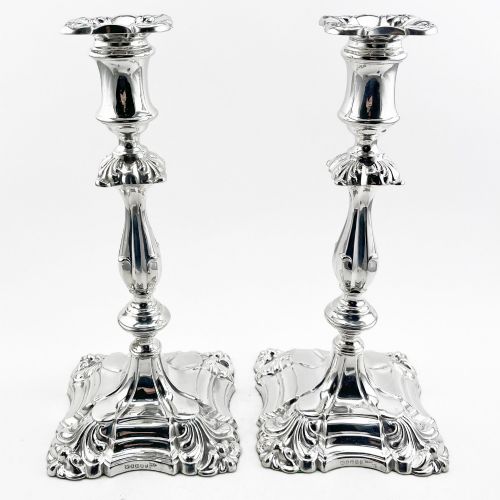
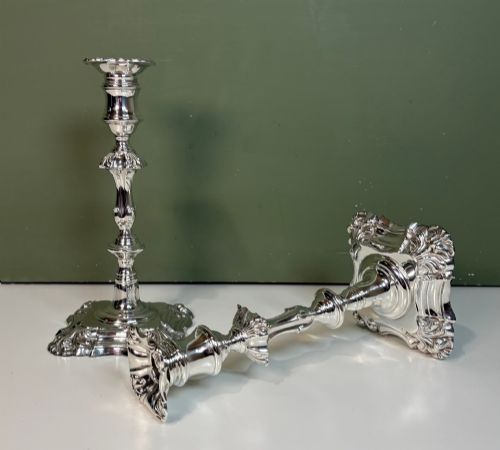
Rococo silvered candlesticks bring sculptural movement and ornate scrollwork to a room, offering the quintessential drama of asymmetric design.
Rococo Silvered Candlesticks
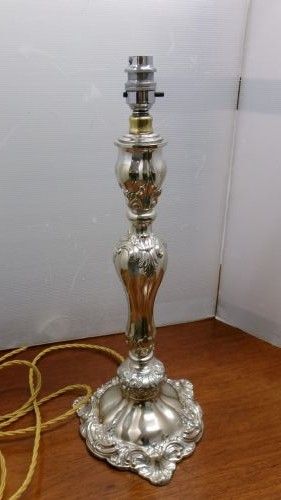
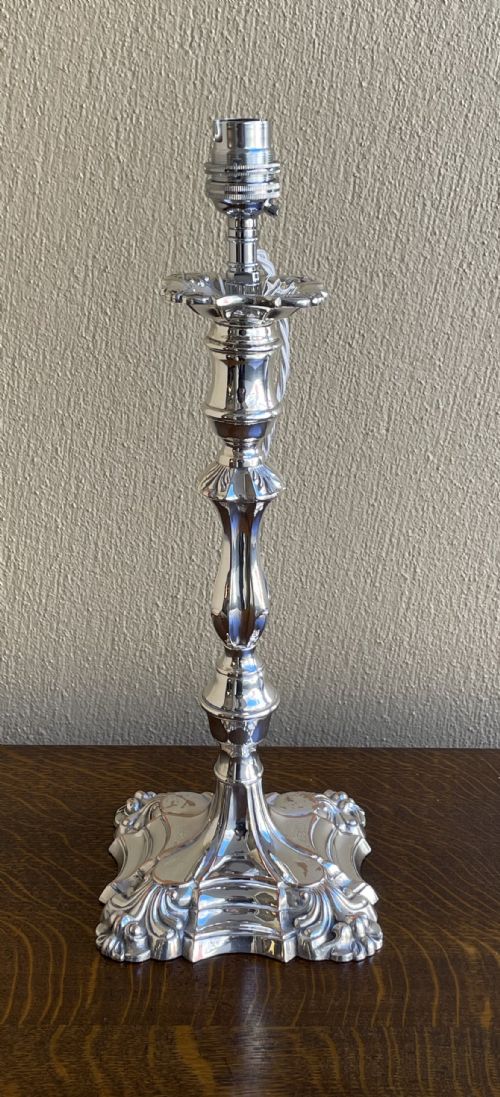
When you search for rococo silvered candlesticks, you are looking at items that span from the eighteenth century through to the Edwardian period and the early twentieth century. These objects include pairs and sets of candlesticks, tall table lamps adapted from older forms, and multi-branch candelabra suites.
The aesthetic is firmly rooted in the revival of eighteenth-century motifs, appearing alongside pieces from the Victorian and Edwardian eras. Forms range from simple metal columns to grand, highly ornate designs featuring cherubs or cast foliate scrolls.
Materials and Construction
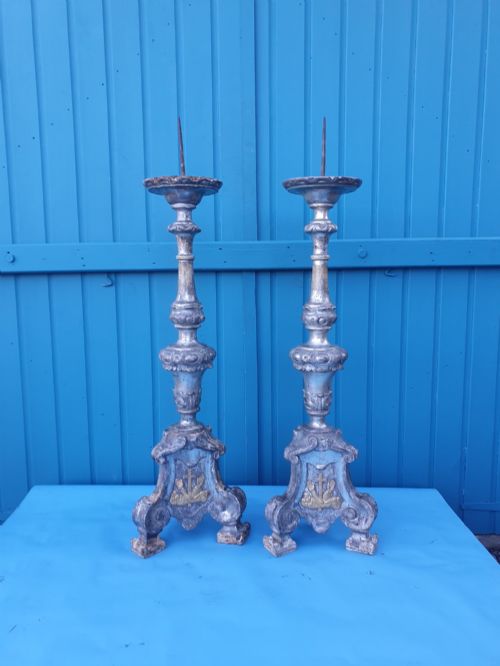
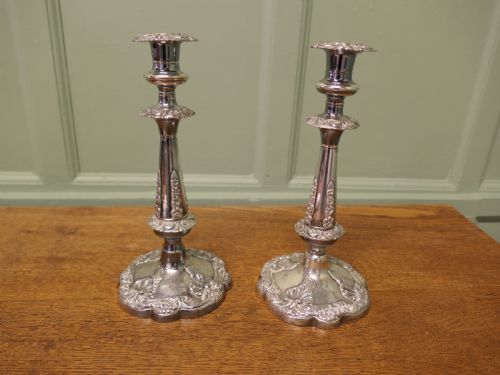
The listings show a heavy reliance on base metals covered with precious finishes, including silver plate, Old Sheffield plate, EPNS, and delicate silver leaf applied to hand-carved wood. Brass, copper, bronze, pewter, and sterling silver also form the structural bodies of these items.
Manufacturers utilised casting and plating techniques to achieve the sculptural shellwork and C-scrolls typical of the style. Heavier pieces employ robust metal foundations to support elaborate arms and branches.
Rococo Silvered Candlesticks Retail Price Guide 2026
Typical asking prices for rococo silvered candlesticks among the pieces listed under this phrase on Sellingantiques today, from the lower quarter to the upper quarter. They describe what is for sale here now, not the wider market.
Several pieces feature mischievous cherubs holding up the branches, proving that even eighteenth-century lighting enjoyed a sense of theatre.
Judging Quality
The distinction between standard examples and superior pieces rests on the crispness of the cast ornamentation and the weight of the metal. Finer items display deep, hand-chased detail within the asymmetrical foliage rather than soft, mass-produced contours.
Maker attribution elevates certain works, particularly when signed by known silversmiths or workshops. The integrity of the silver surface plating, whether old Sheffield plate or later silver plate, dictates the visual success of the piece.
John Cafe·Smith & Sissons & Co·Blagden, Hodgson & Co
The Rococo Silvered Candlesticks Glossary
- Rococo Revival
- A nineteenth-century artistic movement that revived the ornate, asymmetrical ornamentation of the mid-eighteenth century. It is characterised by shell motifs, C-scrolls, and naturalistic curves.
- Old Sheffield Plate
- A composite material made by fusing a thin sheet of silver to a thicker copper base. This early plating method produces a distinctive warm lustre.
- EPNS
- Electroplated Nickel Silver, a common base material introduced in the nineteenth century. It provides a stable metallic core for a uniform silver coating.
- Candelabra
- A branched candlestick designed to hold multiple tapers. These often form matching suites with single candlesticks.
- Chasing
- A metalworking technique used to decorate or refine the surface by hammering from the outside. This brings out the fine details in floral and scroll designs.
Rococo Silvered Candlesticks: Frequently Asked Questions
What periods do these pieces come from?
The available items bridge several centuries, starting from eighteenth-century Georgian origins through to nineteenth-century Victorian production. Later interpretations extend into Edwardian and early twentieth-century examples.
Stylistic revivals mean that nineteenth-century makers frequently recreated eighteenth-century aesthetics. Dating relies on hallmarks, manufacturing methods, and stylistic cues.
How do I clean silver plated items safely?
Silver plated surfaces require gentle cleaning with a soft cloth and dedicated silver cream to preserve the thin metallic layer. Abrasive polishes should be avoided because they wear down the plating over time.
Regular, light dusting prevents the buildup of grime in the deep recesses of the cast scrollwork. Proper storage away from damp environments protects the underlying base metals.
Were these originally used as lamps?
Many taller pieces started life as candlesticks and were later converted into table lamps during the twentieth century. Original candelabra and multi-branch fixtures were designed purely to hold wax tapers for illumination.
Conversions often respect the original metalwork, allowing electric fittings to integrate smoothly with the antique forms. This adaptation lets historical objects function within modern domestic settings.
How do I distinguish between solid silver and plated items?
British hallmarks stamped into the metal indicate solid sterling silver, whereas plated pieces generally lack these official assay office stamps. Examining areas of wear can reveal the base copper or brass showing through the silver layer.
Weight and magnetic tests also help differentiate solid precious metals from plated base metals or pewter. Most decorative candlesticks from this tradition rely on plating or heavy casting rather than solid silver.