



Rococo Silver Dish
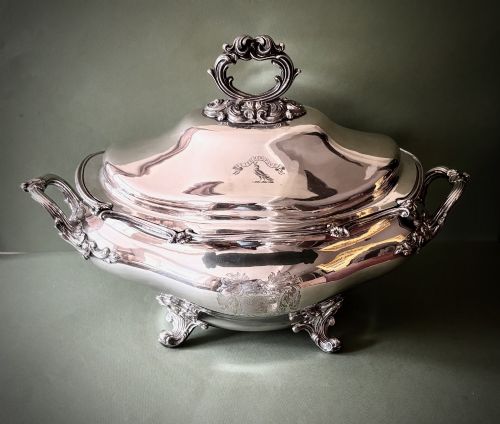
These rococo silver dish pieces bring sweeping asymmetrical curves and organic motifs to the table, offering a striking display of historic metalwork for the collector.
Rococo Silver Dish
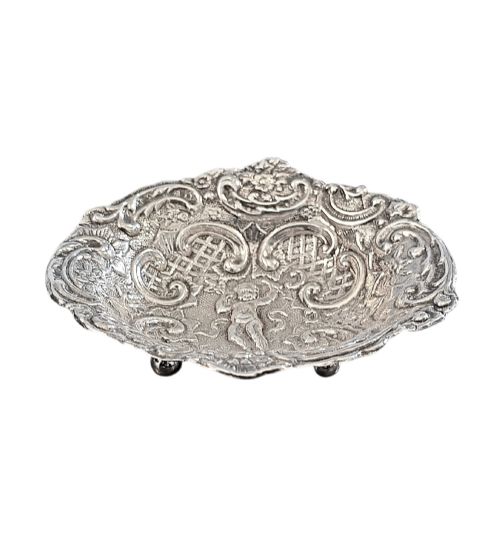
A rococo silver dish encompasses a varied selection of domestic silver and plated wares, ranging from bonbon dishes and decorative trays to specialised salt cellars and fruit baskets. The versions you are most likely to encounter on this page span the Victorian and Edwardian eras, alongside earlier Georgian productions and later twentieth-century interpretations.
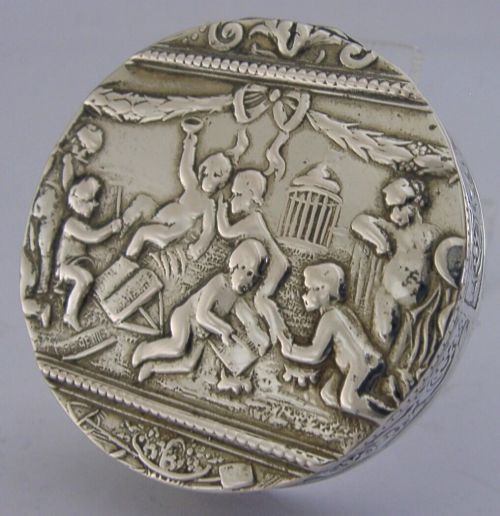
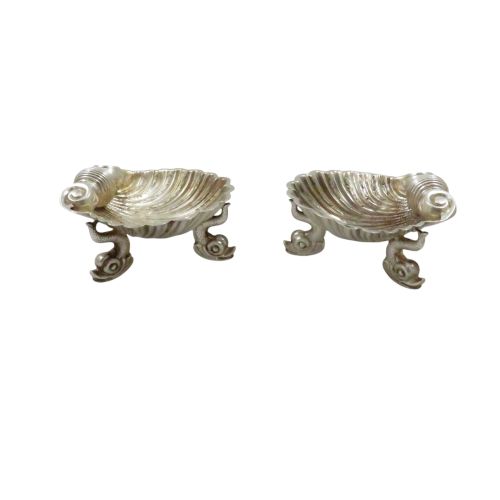
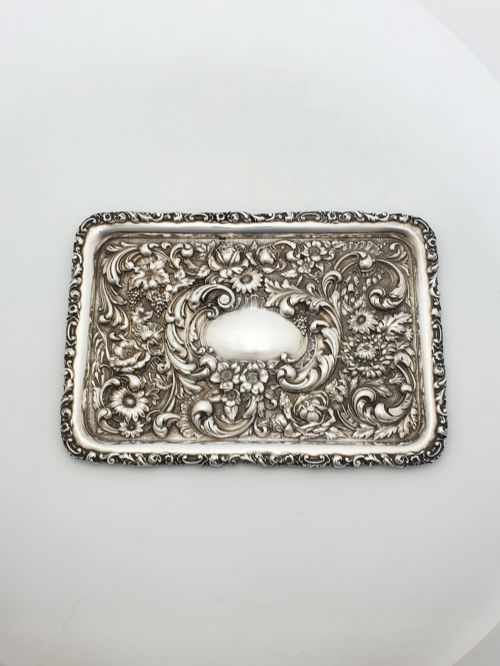
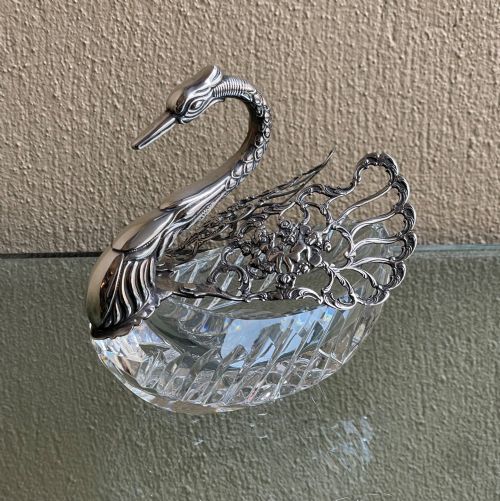
The decorative vocabulary draws heavily on eighteenth-century European precedents, utilising shell forms, floral repoussé work, and scroll motifs that define the style. These objects frequently take organic shapes such as scallop shells, naturalistic baskets, and elaborate centrepieces supported by figural elements like dolphins or cherubs.
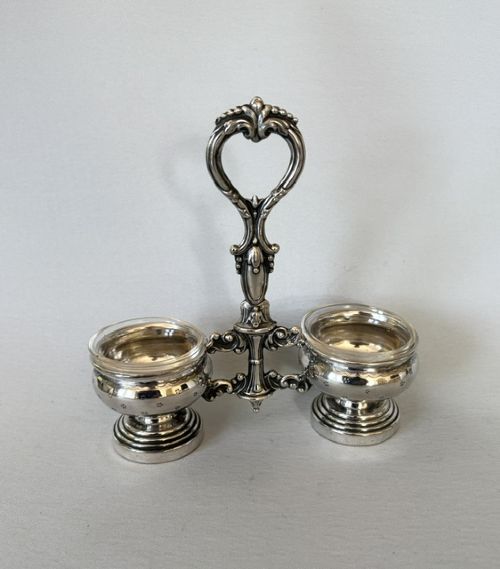
Originating across British, French, German, and Austrian workshops, these pieces demonstrate how continental and domestic makers adapted asymmetric scrollwork to practical table items. Whether you are examining a small trinket box or a large double condiment stand, the core aesthetic remains rooted in fluid, nature-inspired ornamentation.
Judging quality and execution
The distinction between standard items and superior examples lies in the crispness and depth of the repoussé work and the hand-finishing of chased details. Higher quality pieces display sharply defined motifs without undue thinning of the metal wall from aggressive polishing.
Consideration must also be given to the structural integrity of cast appendages and the harmony of the overall design, where proportion and balance elevate a decorative vessel from routine manufacturing to accomplished craftsmanship.
Rococo Silver Dish Retail Price Guide 2026
Typical asking prices for rococo silver dish among the pieces listed under this phrase on Sellingantiques today, from the lower quarter to the upper quarter. They describe what is for sale here now, not the wider market.
Some nineteenth-century makers modeled small salt cellars as garden wheelbarrows, pairing whimsical continental charm with domestic utility.
Edward Farrell·William Comyns
The Rococo Silver Dish Glossary
- Repoussé
- A metalworking technique where the artisan hammers the design from the reverse side to create a raised pattern in relief. This method defines the sculptural floral panels seen on many trays and dishes.
- Sterling silver
- An alloy consisting of pure silver and other metals, typically copper, standardly established at a specific fineness for durability. It forms the primary material for the majority of Victorian and Edwardian domestic wares.
- Sheffield plate
- An early form of composite material produced by fusing a thin sheet of silver to a thicker copper base before rolling and shaping. This technique predates modern electroplating.
- Gilt
- A thin layer of gold applied to the interior or exterior surface of a silver object, often seen in salts and bowls to protect the metal from corrosive foodstuffs.
- Bonbon dish
- A small open vessel specifically designed for holding sweets, confectionery, or small delicacies during formal dining or tea service.
Rococo Silver Dish: Frequently Asked Questions
What are these silver dishes used for?
These pieces were originally manufactured for a variety of domestic and dining table functions, including serving bonbons, holding condiments, or displaying small ornamental items. Today, collectors utilise them for decorative display or repurpose smaller vessels as trinket and jewellery boxes.
Their varied forms, from scallop shell butter dishes to large centrepieces, allow them to fit easily into contemporary interior schemes as accent pieces.
How do I identify the period?
Dating relies heavily upon hallmarks stamped into the metal, which indicate the assay office, year of production, and maker's mark. Stylistic clues, such as the heavier cast elements of Georgian pieces versus the lighter repoussé work of the Edwardian era, also offer guidance.
Examining the construction methods and any accompanying retailer marks helps narrow down the decade of manufacture.
Are these items solid silver or plated?
The inventory includes both solid silver and silver-plated examples, alongside pieces fashioned from old Sheffield plate. Hallmarks typically confirm whether an item is sterling or solid silver.
Plated items utilise a base metal, such as copper, beneath a protective layer of silver, offering a similar visual appearance without the higher weight and content of solid metal.
How should I care for silver dishes?
Maintenance involves gentle cleaning with appropriate silver polishes designed to remove tarnish without wearing away fine repoussé details. Avoid abrasive cloths or harsh chemical dips that can strip original patination or damage gilded interiors.
Displaying pieces away from direct heat sources and humid environments helps preserve the condition of the metal over time.