




Rococo Revival Pedestals
Rococo revival pedestals bring sweeping C-scrolls and asymmetrical carved foliage into nineteenth-century interiors.
Rococo Revival Pedestals
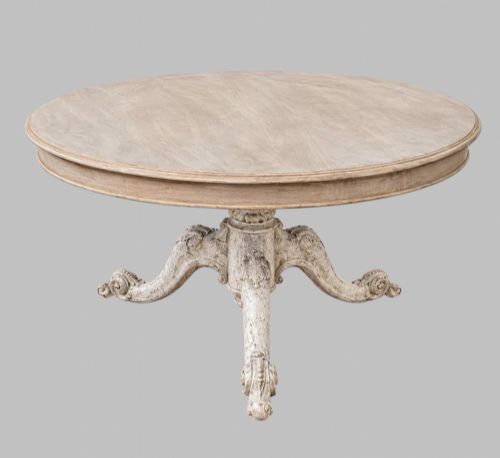
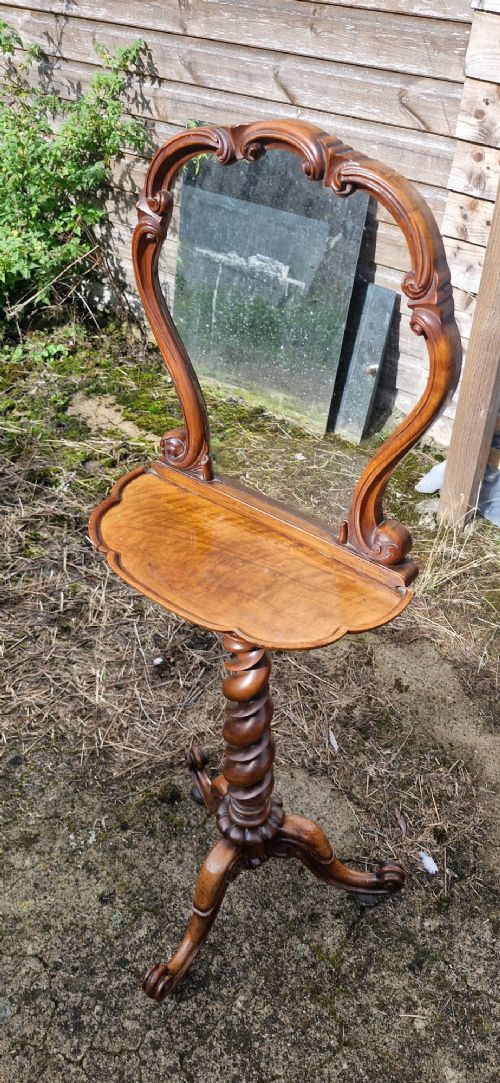
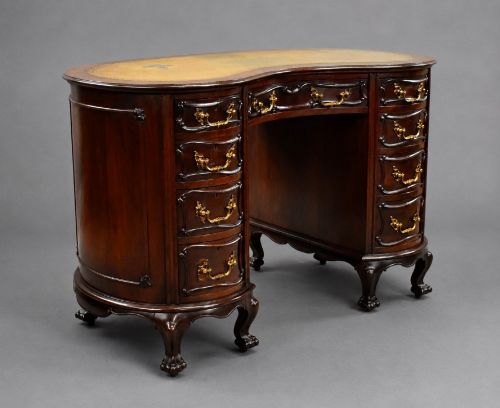
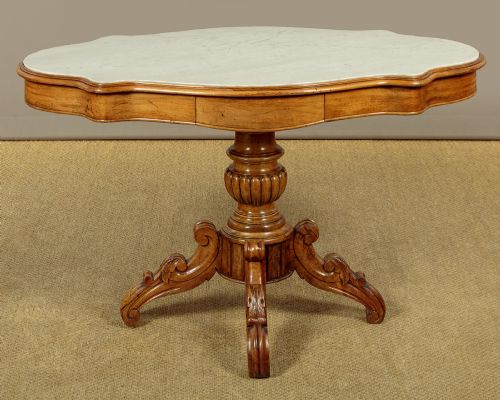
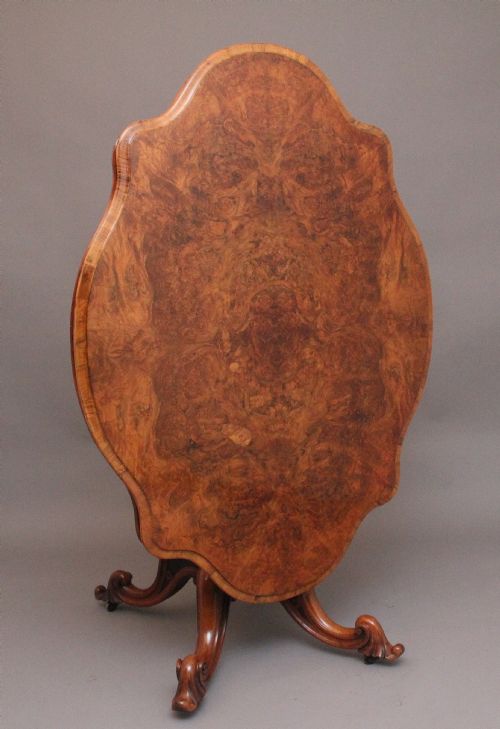
When searching for rococo revival pedestals, buyers seek nineteenth-century furnishings shaped by the revival of mid-eighteenth-century continental curves and naturalistic ornamentation. The pieces seen across these listings span the Victorian era, specifically from the eighteen-fifties through the eighteen-eighties, adopting forms associated with plant stands, torcheres, and support tables rather than structural architectural columns. Walnut, burr walnut, and mahogany dominate the timber choices, frequently paired with marble tops or intricate marquetry.
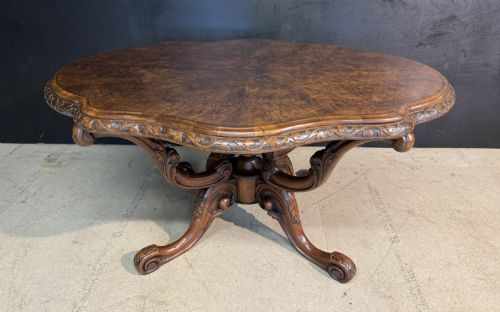
The aesthetic relies heavily on organic asymmetry, rounded serpentine edges, and deeply carved floral motifs that echo French and Italian rococo design principles. While formal pedestals appear alongside plant stands and torchere columns, the selection also encompasses related walnut and rosewood centre tables that share the same curving silhouette and ornamental vocabulary. These items served both decorative and functional roles in Victorian reception rooms, designed to display ornaments, lamps, or floral arrangements.
How they were made
Cabinet makers utilised dense hardwoods such as walnut, burr walnut, mahogany, and rosewood, often selecting figured veneers to create rich surface patterns across shaped table tops and columnar shafts. These timbers underwent steam bending or careful sawing to achieve the characteristic serpentine curves and cabriole legs intrinsic to the style. Artisans applied intricate hand-carving to the knees, skirts, and capitals, introducing naturalistic leaf and scroll work.
Rococo Revival Pedestals Retail Price Guide 2026
Typical asking prices for rococo revival pedestals among the pieces listed under this phrase on Sellingantiques today, from the lower quarter to the upper quarter. They describe what is for sale here now, not the wider market.
Listings feature nineteenth-century items spanning the Victorian era, constructed from walnut, mahogany, and rosewood with marble and glass.
What varies in quality
Quality rests upon the depth and crispness of the hand-carving, distinguishing mechanically finished mouldings from fluid, individually chiselled organic motifs. The selection of timber veneer also dictates standing, with highly figured burr walnut and book-matched flame mahogany representing the upper tier of nineteenth-century production. Construction integrity shows in the joinery of the central column to the base, where substantial weight requires rigid, enduring stability.
Provenance and maker attribution elevate certain examples, particularly those bearing stamps from established London workshops such as Edwards & Roberts. The harmony of proportions between the top, the central support, and the carved foot determines visual balance. Furthermore, original matching elements, such as fitted marble tops or unaltered patination, separate well-preserved survivals from heavily restored pieces.
Edwards & Roberts·Barker Ellis
The Rococo Revival Pedestals Glossary
- Rococo Revival
- A nineteenth-century design movement inspired by the flamboyant curves and natural ornamentation of the mid-eighteenth-century French court. It favours asymmetry, C-scrolls, and floral carvings.
- Burr Walnut
- A prized timber harvested from the wart-like growths on walnut trees, yielding swirling, highly decorative grain patterns. Cabinet makers utilised it as a veneer on top surfaces.
- Torchere
- A tall, slender stand designed to hold a light source, candle, or decorative ornament. In nineteenth-century interiors, they often featured carved wooden shafts and tripod bases.
- Serpentine
- A shape characterised by a line of curving contours, alternating from convex to concave. It appears frequently along the edges of Victorian tabletops and cabinet fronts.
- Marquetry
- The art of applying small pieces of veneer to a structure to form decorative patterns or pictures. Craftsmen used contrasting woods to build elaborate floral or geometric designs.
Rococo Revival Pedestals: Frequently Asked Questions
What are rococo revival pedestals used for?
These pieces function primarily as display platforms for sculptures, urns, lamps, or large plants within a reception room or hallway. Their decorative carved shafts and shaped tops allow them to serve as standalone focal points.
Historically, they occupied corners or prominent wall spaces where vertical height helped balance heavy Victorian room layouts. Today, collectors continue to use them to elevate decorative objects off the floor.
How do I identify nineteenth century walnut furniture?
Nineteenth-century walnut displays a warm, rich brown hue that deepens naturally with age beneath traditional shellac polishes. Examining the underside and secondary timbers reveals hand-cut joinery and honest timber ageing.
Pieces from this era often incorporate burr veneers on primary display surfaces while utilising solid walnut for structural legs and carved mouldings.
Where were these pieces made?
Production centred largely around British cabinet-making workshops in London, alongside regional centres in Scotland and Ireland. Continental pieces, particularly from France and Italy, also heavily influenced the domestic market.
Many workshops produced matching suites of centre tables, card tables, and plant stands sharing identical carving characteristics.
How do I care for antique wood and marble?
Maintain wooden surfaces by applying a microcrystalline wax polish sparingly to nourish the finish without building up greasy residues. Keep pieces away from direct heat sources and strong sunlight to prevent veneer lifting and timber drying.
Clean marble tops using a damp cloth with mild soap, avoiding acidic cleaning agents that etch polished stone surfaces.