

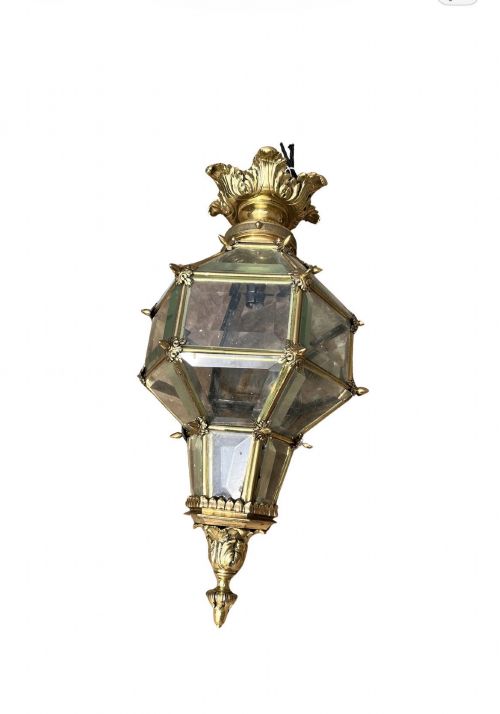
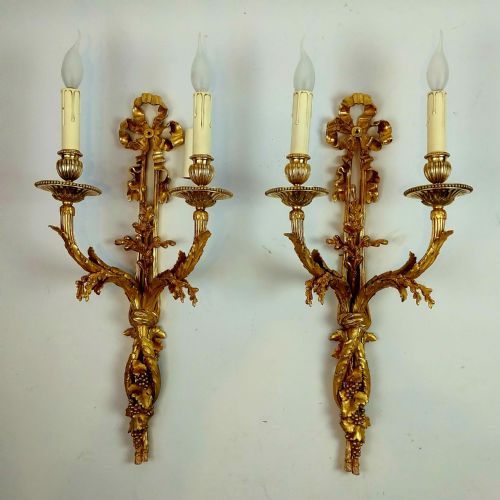


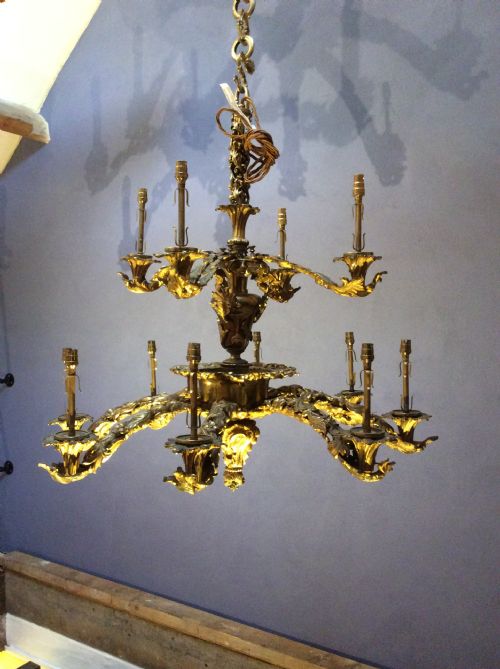
Rococo Revival Light Fixture
A rococo revival light fixture brings sweeping, scroll-heavy nineteenth-century French flourish into a room.
Rococo Revival Light Fixture
A rococo revival light fixture encompasses ornate chandeliers, wall sconces, ceiling lights and table lamps drawn from nineteenth-century aesthetic revivals. These pieces channel the asymmetrical curves, scrolls and natural motifs of earlier French decorative movements into domestic illumination.
The versions most commonly met on this page include nineteenth-century and Victorian gilt bronze or brass chandeliers and wall sconces. Pieces range from multi-branched candelabra fittings to porcelain and gilt bronze lamp bases bearing distinct period styling.
Makers and manufacturers during these periods produced lighting spanning French Louis XV revival, gothic revival and baroque revival idioms. Such fixtures often combine cast metals with porcelain inserts, cut glass or fabric elements to achieve their decorative impact.
How they were made
Cast metals form the structural backbone of these fixtures, relying on brass, gilt bronze, ormolu and gilt metal. Foundries shaped these metals through traditional casting methods before applying fire-gilding or surface patination to create rich metallic tones.
Porcelain and cut glass frequently complement the metalwork, appearing as decorative bodies in lamp bases or shimmering prisms on ceiling plafonniers. Fabric and iron also feature selectively in specific Victorian and Edwardian iterations to support distinct regional designs.
Rococo Revival Light Fixture Retail Price Guide 2026
Typical asking prices for rococo revival light fixture among the pieces listed under this phrase on Sellingantiques today, from the lower quarter to the upper quarter. They describe what is for sale here now, not the wider market.
Listings feature periods spanning the nineteenth century, Victorian era, nineteen-hundreds, nineteen-twenties and Edwardian period.
What varies in quality
The refinement of the metal casting and chasing dictates the upper tier of these pieces. Crisp, deeply undercut foliage and organic scrolls show meticulous hand-finishing by skilled metalworkers, whereas lower-tier examples display softer, shallower surface details from worn or simpler moulds.
Integration of secondary materials also separates standard production from superior work. High-quality fixtures incorporate hand-painted porcelain components and precision-cut glass crystals that hold structural integrity and brilliance over generations of use.
The Rococo Revival Light Fixture Glossary
- Ormolu
- A technique of applying finely ground high-carat gold to a bronze object using a mercury amalgam. This process yields a deep, warm metallic lustre characteristic of luxury French decorative arts.
- Plaffonier
- A ceiling-mounted light fixture designed to sit flush or close to the ceiling surface. These often feature cut glass bowls held within ornamental metal mounts.
- Gilt Bronze
- Bronze metal that has been coated with a thin layer of gold leaf or gold paint. It provides durable corrosion resistance while maintaining a bright metallic appearance.
- Capodimonte
- A style of fine Italian porcelain originating from Naples, known for intricate moulded figures and floral reliefs. Pieces of this porcelain frequently embellish nineteenth-century lamp bodies.
- Sconce
- A wall-mounted lighting fixture designed to hold candles or electric lamps. Historical examples typically project outward on decorative brackets to cast illumination across a room.
Rococo Revival Light Fixture: Frequently Asked Questions
What periods do these light fixtures date from?
The lighting options span the nineteenth century, Victorian era and Edwardian period, with many pieces originating around the nineteen-hundreds. Specific items reflect revival styles popular during these decades.
Craftsmen drew inspiration from earlier French aesthetics, resulting in ornate metalwork and classic forms that suit historic and contemporary interiors alike.
How were these antique fixtures originally used?
These pieces provided illumination in formal rooms before the widespread adoption of modern grid electricity. Chandeliers hung centrally in salons, while wall sconces flanked mirrors and fireplaces.
Over time, many surviving frames have been safely adapted for modern electrical wiring while retaining their historic metal and glass components.
How do I live with a heavy bronze chandelier?
Hanging a substantial gilt bronze or brass chandelier requires professional installation into secure ceiling joists. The structural weight of cast metal demands proper load-bearing hardware.
Routine care involves gentle dusting with a soft cloth to preserve the bronze and ormolu finishes without stripping the historic surface patination.
How do I distinguish between revival styles?
Rococo revival pieces emphasise asymmetrical C-scrolls, shell motifs and natural foliage inspired by Louis XV design. Gothic revival examples introduce pointed arches, trefoils and heavier iron or brass framing.
Observing the primary motifs and casting sharpness helps identify whether a fixture leans toward French baroque, rococo or Victorian revival traditions.