


Rococo Revival China
Rococo revival china brings exuberant 19th-century ceramic design into your home through decorative plates, figures, and tea wares.
Rococo Revival China
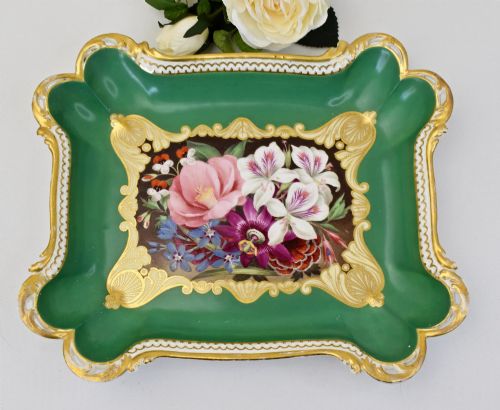
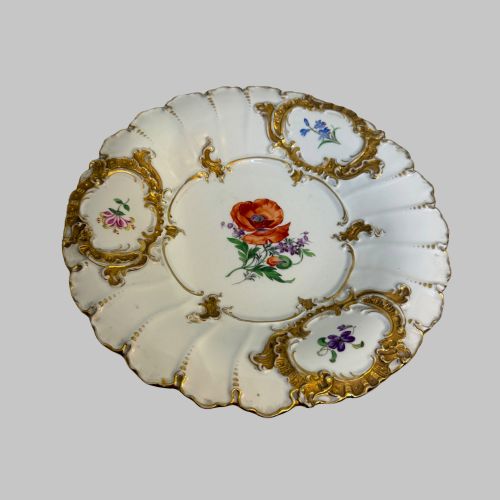
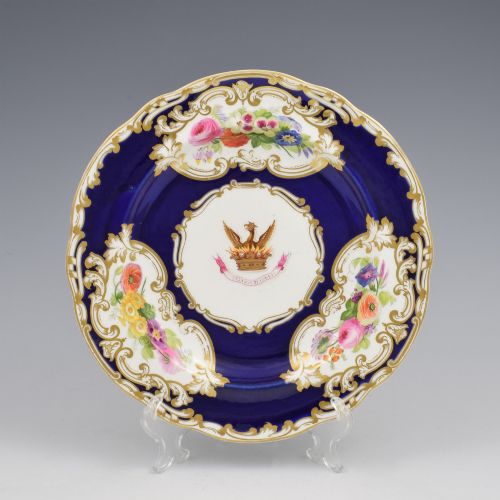
When you search for rococo revival china, you encounter objects shaped by 19th-century tastes that drew heavily upon earlier French and English styles. The selection here brings together cabinet plates, porcelain figurines, teapots, and dessert services produced across the Georgian and Victorian eras.
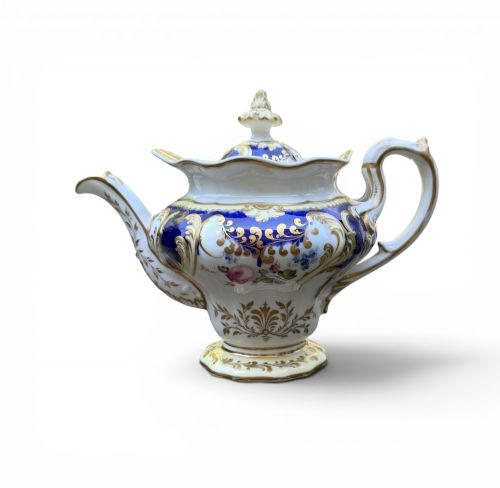
Continental factories and English potteries both contributed to this decorative output, often applying intricate hand-painted floral motifs and gilding. You are most likely to meet cabinet plates, porcelain figures, and vitrines housing related wares as you browse this page.
The objects span multiple decades of the 19th century, alongside occasional early 20th-century items influenced by Louis XV and Rococo revival aesthetics. These pieces reflect a sustained historical enthusiasm for ornate curves, asymmetrical scrollwork, and painted pastoral scenes.
How they were made
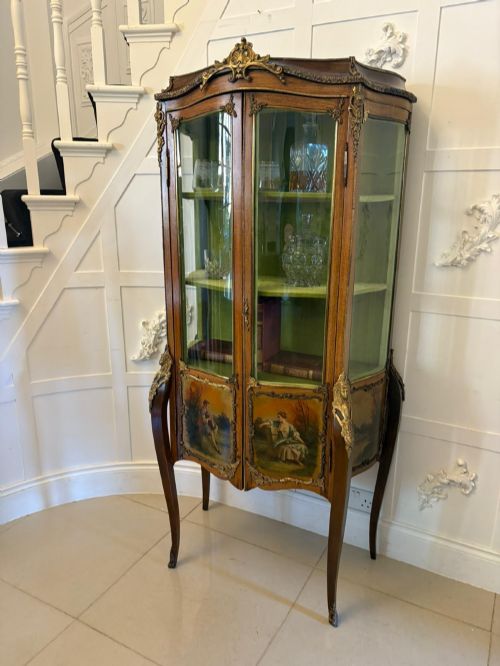
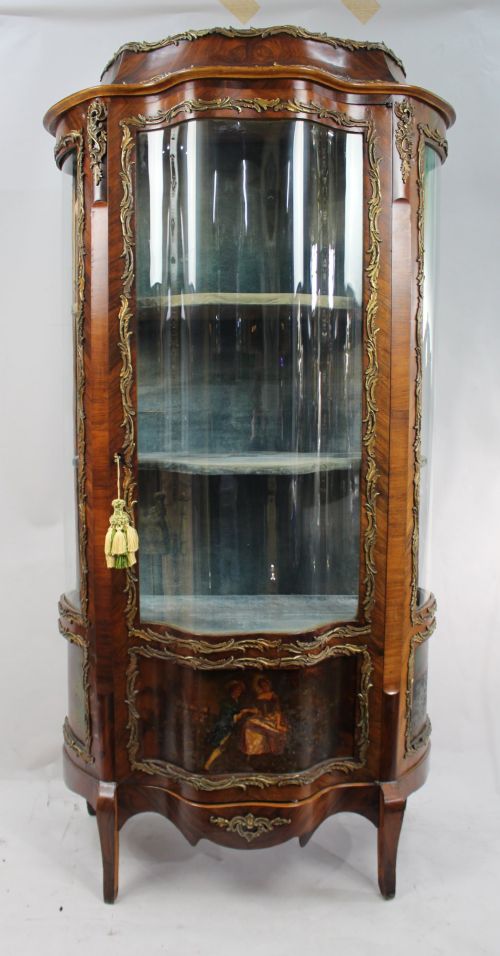
Makers shaped porcelain bodies using moulds and hand-thrown techniques, subsequently applying enamel paints and gold leaf highlights by hand. Many items combine fired ceramic with gilt metal mounts, while larger display furniture incorporates kingwood, ormolu, and vernis martin lacquer.
Artisans employed detailed overglaze enamelling to render botanical subjects, armorial crests, and figurative scenes after artists like Boucher. Gilding was carefully applied and fired to create contrasting borders and highlights across plates, ewers, and tureens.
Listings feature 19th-century porcelain from English, German, and French factories alongside ormolu-mounted kingwood vitrines.
What varies in quality
The refinement of the hand-painted decoration determines much of the distinction between standard and superior pieces. Skilled brushwork in floral panels and figurative groups demonstrates a higher level of artistic execution.
Material application also separates examples, such as the depth of the gilding and the precision of the porcelain moulding. Additionally, associated display pieces vary according to the complexity of their kingwood marquetry, parquetry, and ormolu mounts.
Copeland and Garrett·Doe and Rogers·Meissen·Mintons·Chelsea·Triebner Ens and Eckert·Helena Wolfsohn·Royal Worcester·Ernst Bohne Sohne·Rockingham·Jacob Petit·Coalport
The Rococo Revival China Glossary
- Cabinet plate
- A decorative ceramic plate intended for display rather than dining. These often feature elaborate hand-painted scenes, armorial crests, or floral borders.
- Vernis martin
- A type of simulated Japanese lacquer developed in France, frequently seen on the panels of 19th-century display cabinets. It provides a glossy, translucent finish over painted decoration.
- Ormolu
- Gilded bronze mounts applied to furniture and decorative objects. This technique adds metallic ornamentation to kingwood cabinets and vitrines.
- Tureen
- A deep serving vessel for soups or creams, often supplied with a matching stand. 19th-century examples frequently include ornate handles and gilded detailing.
- Figurine
- A small modelled porcelain sculpture depicting human figures, putti, or allegorical subjects. These pieces are often hand-painted and finished with lace details or floral elements.
Rococo Revival China: Frequently Asked Questions
How were cabinet plates used?
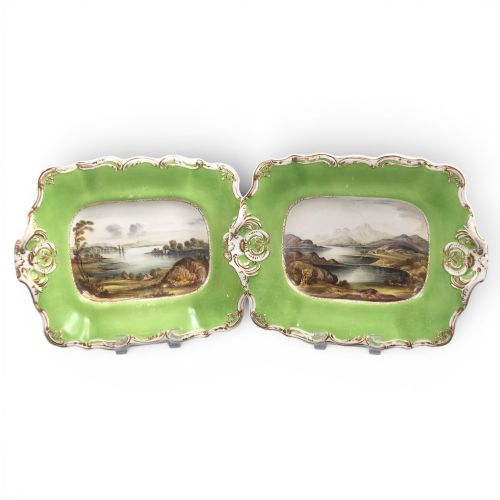
Cabinet plates were manufactured primarily for display in drawing rooms rather than for serving food. They allowed households to exhibit fine porcelain painting and armorial designs.
Owners typically placed them on specialised stands or hung them on walls to showcase the artistry of makers like Copeland or Meissen.
How do I identify a vitrine?
A vitrine is a glazed display cabinet designed specifically to exhibit porcelain collections and decorative objects. 19th-century examples often feature kingwood, serpentine fronts, and ormolu mounts.
These cabinets protect delicate figures and plates while providing glass panels for all-round viewing.
What subjects appear on figures?
Porcelain figures commonly depict putti, allegorical characters, pastoral figures, and children in garden settings. Makers like Volkstedt and Meissen specialised in these modelled groups.
Many incorporate intricate details such as applied lace, delicate floral garlands, and hand-painted facial expressions.