



Rococo Revival Accent Desk
These rococo revival accent desk pieces are Victorian and Edwardian furnishings that bring decorative flourish to a workspace.
Rococo Revival Accent Desk
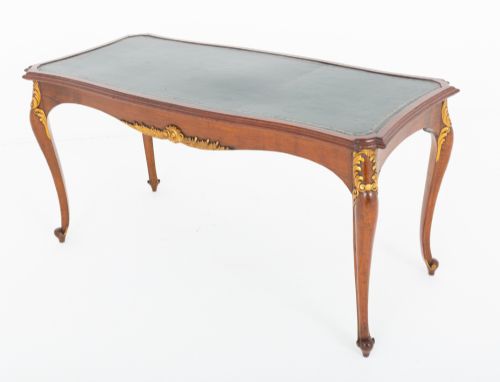
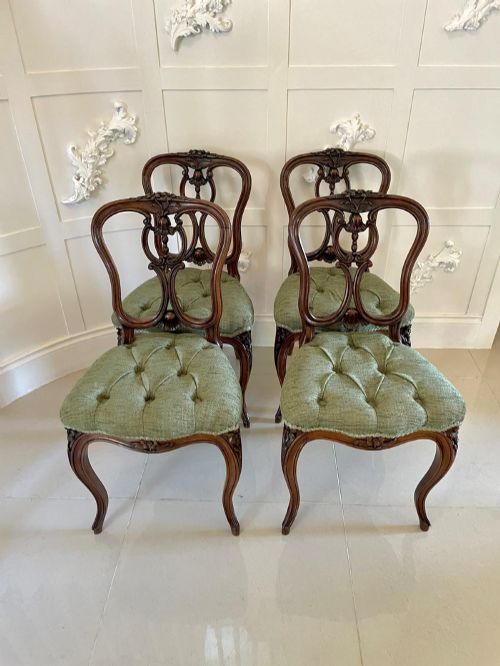
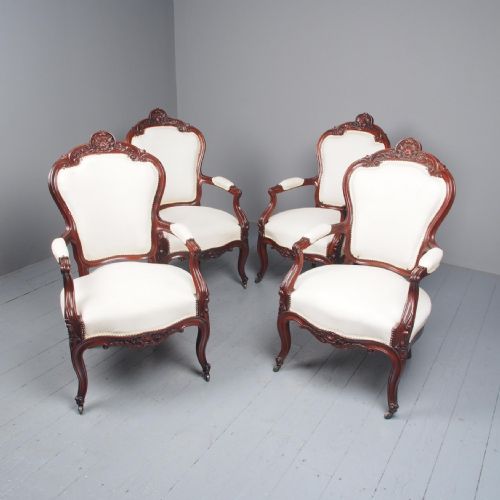
When you search for rococo revival accent desk pieces, you encounter seating and tables spanning the mid nineteenth century through to the early twentieth century. The selection contains Victorian walnut and mahogany chairs alongside Swedish country and French revival examples.
Side chairs, armchairs, and desk chairs dominate the offering, accompanied by freestanding centre and side tables. These pieces display the characteristic flowing lines and ornate carving associated with the revival of the rococo style.
Materials and construction methods
Cabinet makers utilised solid walnut, mahogany, and kingwood, often enhanced with parquetry inlay or ebonised finishes. Carved wooden frames form the structural core of the seating and tables.
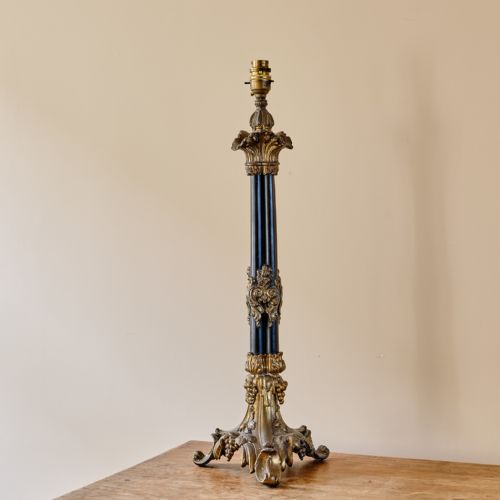
Metal mounts in ormolu, gilt bronze, and brass add decorative detail to the woodwork. Upholstered elements incorporate fabric to finish the seating designs.
Rococo Revival Accent Desk Retail Price Guide 2026
Typical asking prices for rococo revival accent desk among the pieces listed under this phrase on Sellingantiques today, from the lower quarter to the upper quarter. They describe what is for sale here now, not the wider market.
Current listings span the nineteenth and early twentieth centuries, featuring walnut, mahogany, and gilt bronze.
Distinctions in standard and finish
Superior examples display crisp, deep hand carving on the wooden frames rather than shallow moulding. The choice of timbers, such as figured walnut or Cuban mahogany, elevates the visual depth of the piece.
Refined metal mounts and intricate marquetry indicate higher craftsmanship. The integrity of the joinery and the selection of appropriate upholstery materials further separate the finest pieces.
The Rococo Revival Accent Desk Glossary
- Ormolu
- Gilded bronze ornamentation applied to furniture and lamps. This technique was widely utilised in French and English pieces of the nineteenth century.
- Parquetry
- Geometric wood inlay forming patterned surfaces on tabletops or chair components. Makers used contrasting timbers to create these optical designs.
- Revival
- A stylistic movement adopting historical design vocabulary from earlier centuries. The Victorian era frequently reinterpreted French rococo aesthetics.
- Ebonised
- Wood finished to resemble ebony through staining or painting. This treatment appeared on Victorian seating to create a striking dark contrast.
Rococo Revival Accent Desk: Frequently Asked Questions
What periods do these pieces date from?
The inventory spans the nineteenth and early twentieth centuries, encompassing Victorian and Edwardian manufacturing periods.
Dates range from the mid nineteenth century up to nineteen ten, showing various revival movements.
How do I identify rococo revival style?
Look for asymmetrical curves, naturalistic leaf motifs, and flowing scrollwork carved into the wooden frames.
These decorative elements distinguish the revival pieces from stricter classical or geometric designs.
What woods are commonly found?
Makers predominantly worked with mahogany, walnut, and kingwood for both structural frames and surface veneers.
Some items also feature ebonised finishes or delicate parquetry inlay work.
Where were these items made?
The pieces originate from British, French, and Swedish workshops of the Victorian and Edwardian eras.
Continental influences heavily shaped the design vocabulary seen across these regions.