



Rococo Miniature Art
Rococo miniature art delivers exquisite detail on a tiny scale, offering collectors intimate painted portraits and devotional scenes framed in gilt metal and carved wood.
Rococo Miniature Art
Rococo miniature art captures small-scale paintings, portraits and devotional plaques produced across the eighteenth and nineteenth centuries. These delicate works encompass French Rococo, Regency and Victorian Rococo Revival styles.
Buyers encounter portrait miniatures, miniature paintings, shadow boxes and wall plaques on this page. These pieces originate from periods including the eighteenth century, nineteenth century, Regency and Victorian eras.
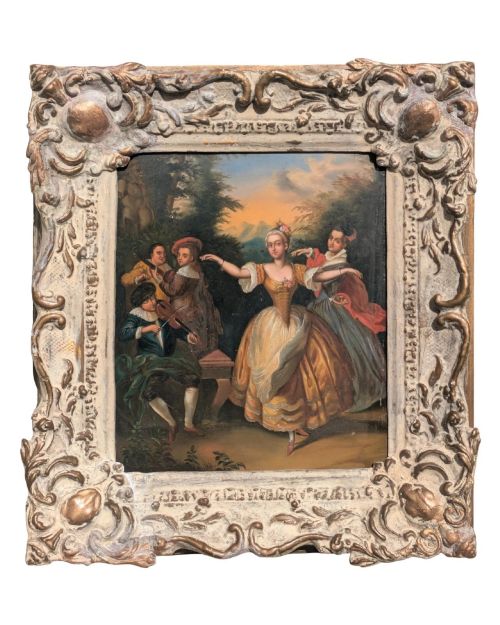
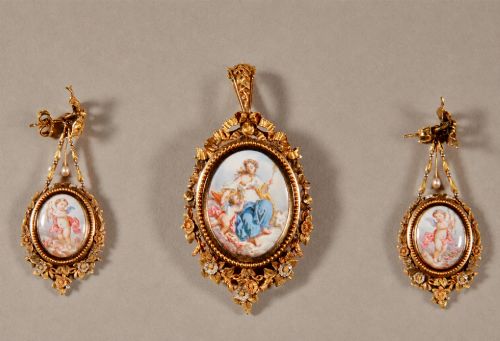
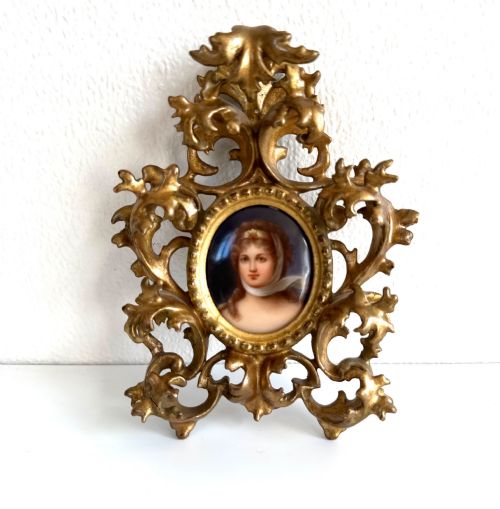
Common forms include framed portraits of women and nobility, mythological scenes after Boucher, and painted porcelain plaques. Materials range from enamel and porcelain to copper, paper and glass.
How they were made
Artisans applied delicate paint work using oil on copper, watercolour on paper, and enamel on porcelain or metal plaques. These techniques achieved rich detail within miniature formats.
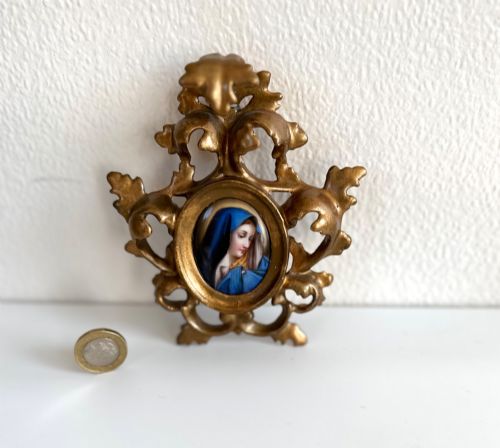
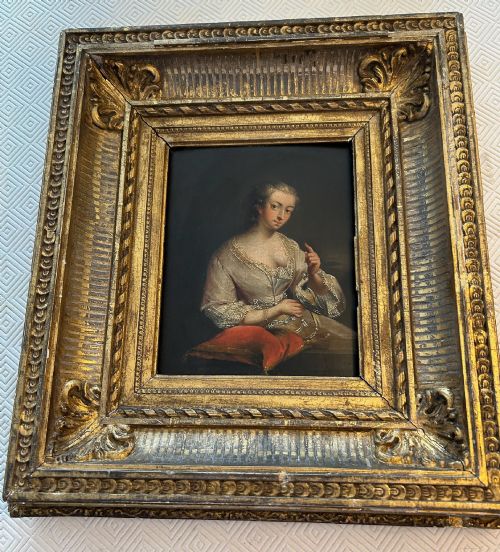
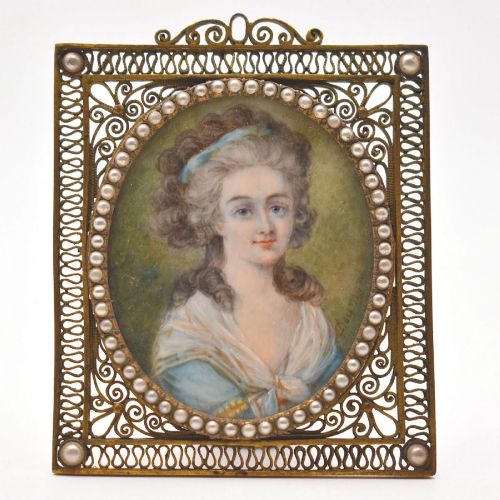
Finished works found housing in bespoke enclosures, including gilt metal frames, seed pearl-set gilt frames, carved wooden frames, and devotional shadow boxes containing glass figures.
Rococo Miniature Art Retail Price Guide 2026
Typical asking prices for rococo miniature art among the pieces listed under this phrase on Sellingantiques today, from the lower quarter to the upper quarter. They describe what is for sale here now, not the wider market.
Venus and Cupid share wall space with eighteenth-century duchesses and woodland musicians.
What varies in quality
The housing and framing elevate the object significantly, with hand-carved giltwood, seed pearl embellishments, and elaborate shadow boxes representing superior craftsmanship.
Jean Baptiste van Loo·Dumont·Boucher·Louis Leopold Boilly
The Rococo Miniature Art Glossary
- Portrait miniature
- A small-scale painting depicting a specific person, executed with fine brushwork on materials such as paper, enamel or copper.
- Shadow box
- A deep, glass-fronted framed enclosure designed to protect and display three-dimensional arrangements or figures.
- Enamel plaque
- A flat support formed by fusing powdered glass to a metal base at high heat, providing a smooth surface for detailed painting.
- Parure
- A set of matching jewellery items designed to be worn together, which can incorporate miniature painted panels.
- Gilt metal
- Base metal treated with a thin layer of gold or gold-coloured finish to simulate solid precious metal framing.
Rococo Miniature Art: Frequently Asked Questions
How were miniature paintings displayed?
These small works hung on walls in specialised groupings or sat upon surfaces within protective frames. Many featured elaborate gilt metal or carved wooden surrounds to highlight their intimate scale.
Some examples formed part of personal jewellery sets or devotional shadow boxes. Their enclosed nature kept delicate painted surfaces safe from handling and environmental wear.
What subjects appear in these miniatures?
Portraits of nobility, aristocrats and children form a significant portion of the painted subjects. Figures often wear period attire reflecting eighteenth-century French fashion.
Mythological and pastoral themes also recur, frequently referencing the works of prominent painters like Boucher. Devotional subjects, including depictions of the Madonna and glass figures within shadow boxes, appear alongside portraits.
How do I identify eighteenth century pieces?
Eighteenth-century examples often display specific stylistic traits associated with French Rococo and Neoclassical movements. The handling of watercolour on paper, enamel on copper, and South Staffordshire plaques aligns with eighteenth-century production methods.
Signatures from period artists provide further chronological markers. Frames and mounting styles from the era also assist in confirming the age of the object.
How do I care for miniature art?
Protect delicate painted surfaces from direct sunlight to prevent fading of watercolours, pigments and paper. Maintaining stable indoor humidity prevents warping in wooden frames and protects delicate enamel.
Leave the original framing undisturbed to preserve the integrity of the piece. Clean only the outer glass gently with a dry cloth where applicable.