


Rococo Glass Crest Mirror
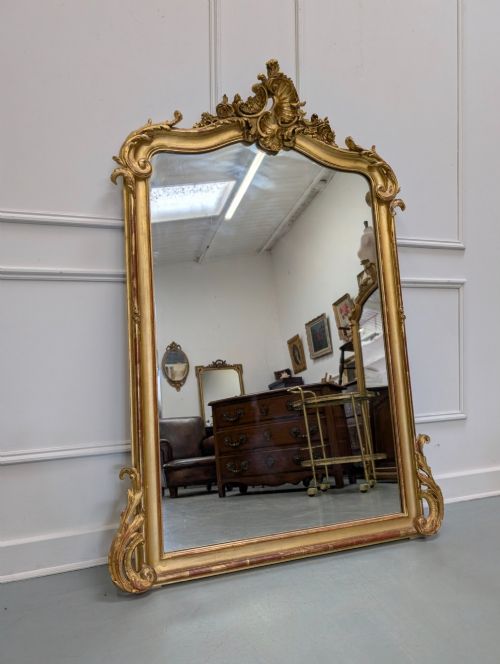
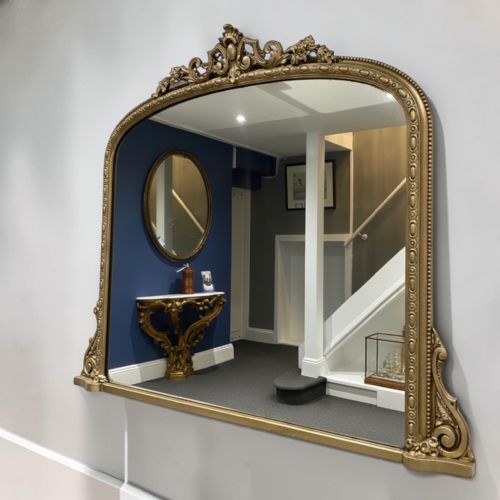
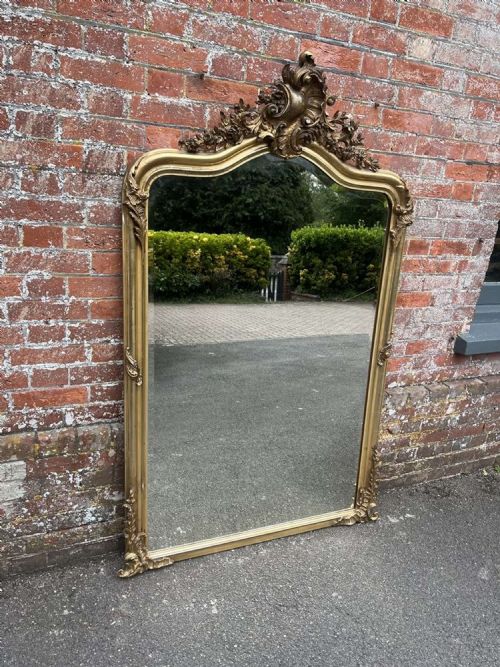
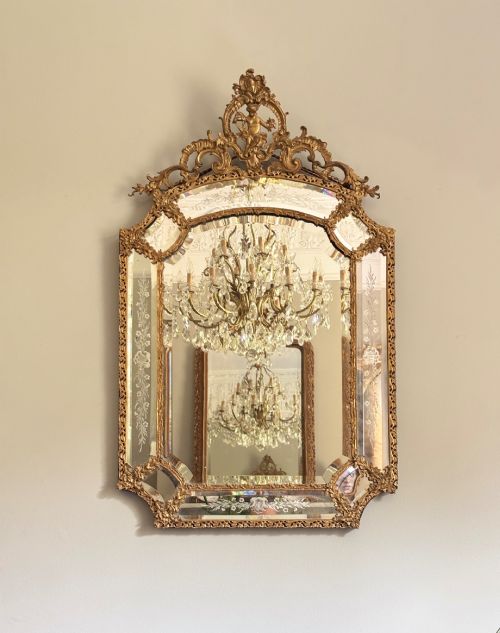
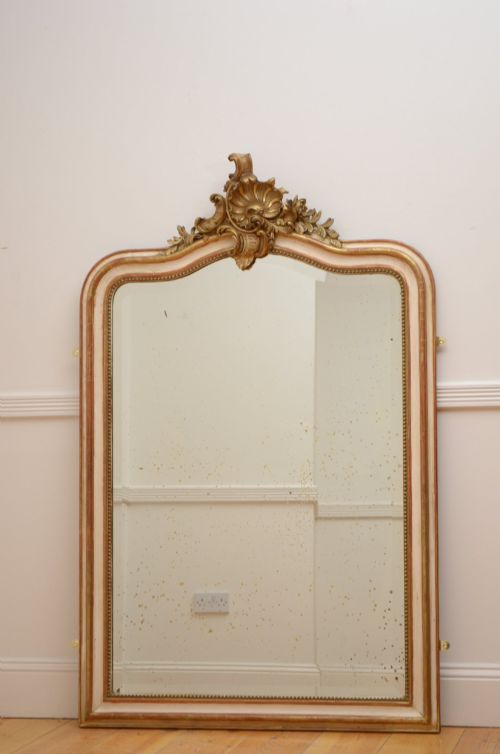
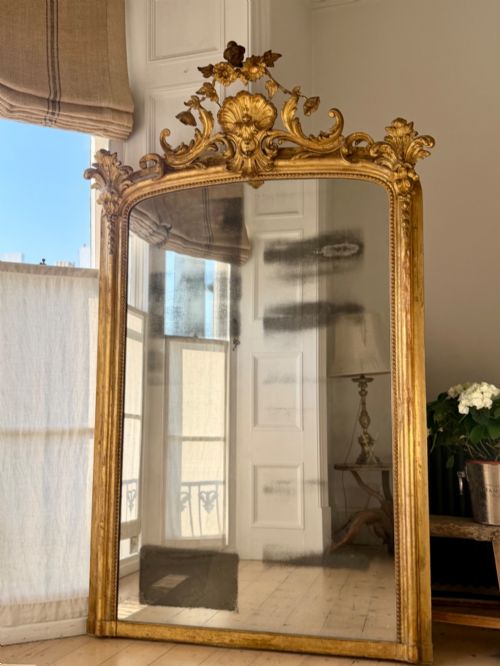
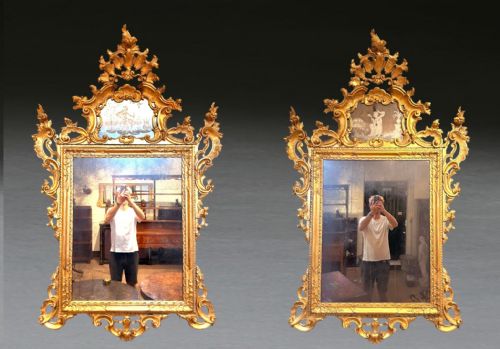
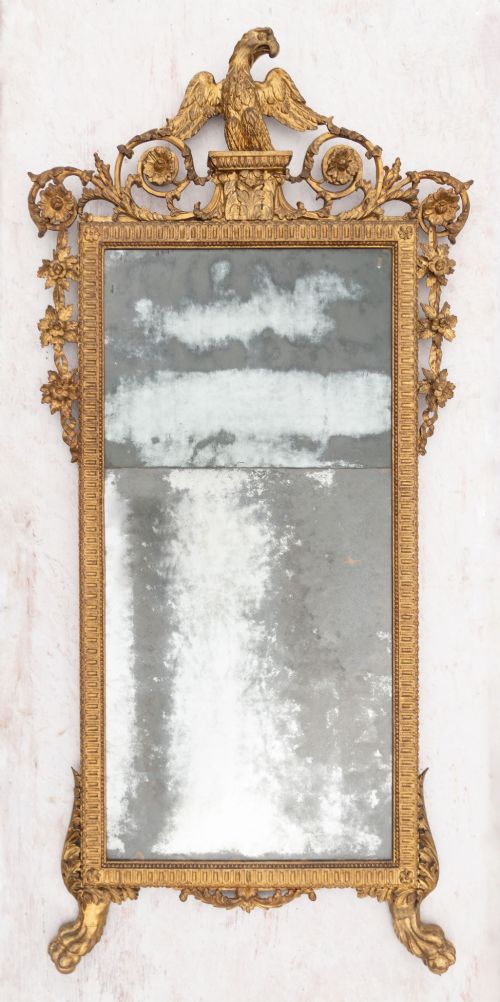
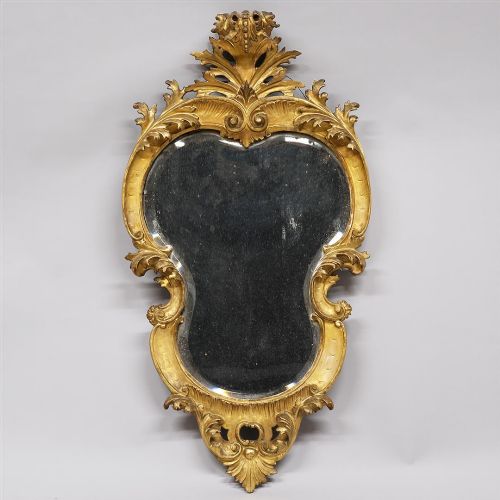
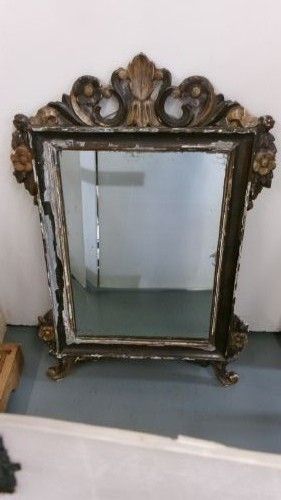
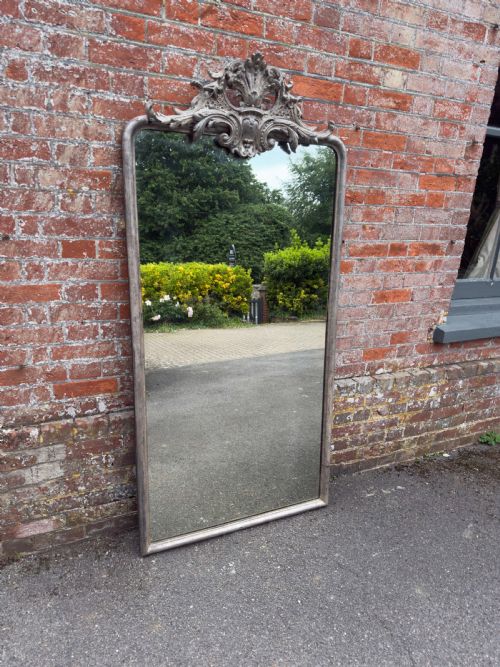
These rococo glass crest mirror pieces bring exuberant curves and gilt opulence into a room, serving as striking focal points.
Rococo Glass Crest Mirror
A rococo glass crest mirror brings together ornate scrolling frames and elaborate crests, often styled after French and Italian designs. The pieces on this page span several eras, predominantly featuring nineteenth-century interpretations alongside eighteenth-century originals and Edwardian examples.
Most items take the form of wall mirrors or grand overmantel mirrors, designed to hang above mantelpieces or anchor large wall spaces. Table mirrors also appear in smaller scales, offering similar decorative flourishes in a compact footprint.
The selection leans heavily toward revival aesthetics, including French Rococo Revival and Baroque styles. These pieces replicate the dynamic asymmetrical scrolls and natural motifs characteristic of earlier periods.
How they were made
Makers built the foundational frames of these mirrors using carved wood or shaped timber substrates. Carved wood and gesso layers provided the smooth, pliable surface necessary for deep relief ornamentation before applying gilding or paint.
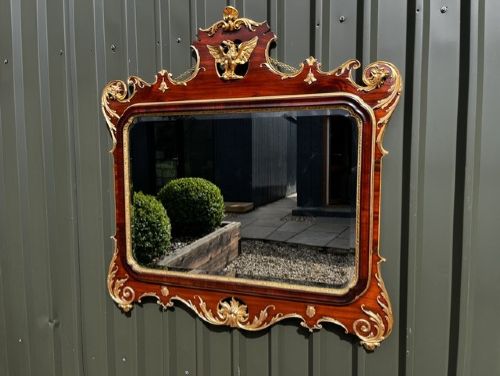
Finishes typically involve gold leaf, silver leaf, or silver gilding applied over gesso, creating bright metallic surfaces that catch the light. Some examples incorporate brass frames or mahogany structures alongside traditional giltwood.
Reflective surfaces range from period mirror glass to foxed mercury glass, showing the age and manual silvering techniques of earlier centuries. Bevelled glass also appears on later nineteenth-century pieces.
Listings feature eighteenth-century, Victorian, and Edwardian periods, utilising materials such as gesso, giltwood, mahogany, and brass.
What varies in quality
The depth and crispness of the carved wood and gesso ornamentation dictate the visual impact of the frame. Superior examples display sharply defined scrolls and undercut foliage rather than soft, moulded relief.
The application and preservation of the gold leaf or silver leaf shape the character of the surface over time. Original gilding that has aged naturally carries a warmth and depth distinct from later resprays.
The glass itself introduces another layer of distinction, where genuine antique mirror plates or foxed mercury glass impart authentic historic atmosphere compared to clear modern replacements.
The Rococo Glass Crest Mirror Glossary
- Gesso
- A plaster-like mixture applied to carved wooden frames to create a smooth surface for gilding. It holds fine detail well under layers of gold leaf.
- Giltwood
- Timber that has been coated with gold leaf or gold paint. This material defines the opulent appearance of many antique decorative frames.
- Overmantel mirror
- A large horizontal mirror designed specifically to hang above a fireplace mantel. These pieces often anchor the proportions of a principal reception room.
- Mercury glass
- A type of double-walled glass blown in the nineteenth century with a silvering solution inserted between the layers. It produces a distinctive speckled reflection.
- Foxed glass
- Mirror glass that has developed dark spots and degradation in the silvered backing over time. Collectors prize this aged appearance for its atmospheric quality.
Rococo Glass Crest Mirror: Frequently Asked Questions
Where should I hang a rococo glass crest mirror?
These mirrors work best mounted above a fireplace mantel or as a principal focal point on a large living room wall. Their ornate crests draw the eye upward, making them suited for rooms with generous ceiling heights.
Ensure the wall construction can support the weight of carved wood and gesso frames. Positioning them opposite a window also helps maximise natural light reflection within the space.
How do I clean an antique gilded mirror frame?
Dust the carved wooden frame gently with a soft, dry brush or a feather duster to remove loose particles. Avoid using liquid cleaners, water, or chemical sprays, as moisture damages traditional gesso and gold leaf.
For the glass itself, apply a small amount of glass cleaner to a cloth rather than spraying directly onto the surface. This prevents liquid from seeping behind the antique mirror plate and harming the backing.
What is the difference between an eighteenth-century and a revival mirror?
Eighteenth-century originals display hand-carved details and construction techniques authentic to the period of their making, often housing genuine period mirror plates. They carry the natural wear of extended use over hundreds of years.
Revival pieces, manufactured during the nineteenth or early twentieth century, emulate these earlier aesthetics using contemporary machinery and production methods. They offer similar decorative drama with nineteenth-century interpretations of historical styles.
What does foxed glass mean on an antique mirror?
Foxed glass refers to the natural degradation of the silvered backing behind the glass, which causes mottled dark spots and cloudy patches to form. This chemical breakdown happens gradually over decades as moisture interacts with the reflective material.
Rather than a defect, many collectors view foxed glass as a sign of authenticity. It proves the mirror plate has considerable age and adds historic character to the reflection.