


Rococo Gilt Bronze Lamp
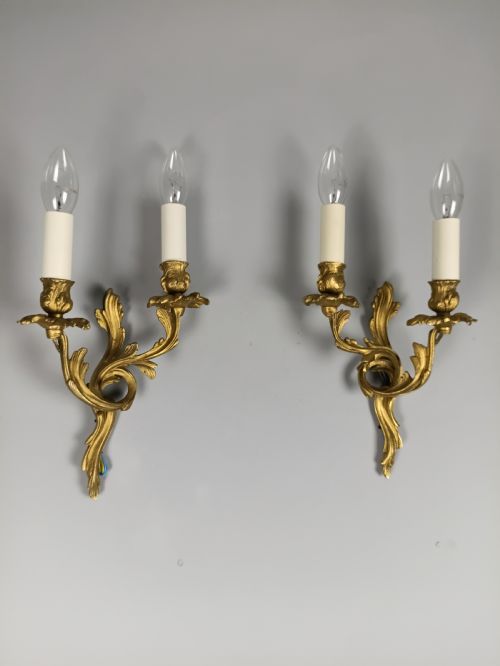
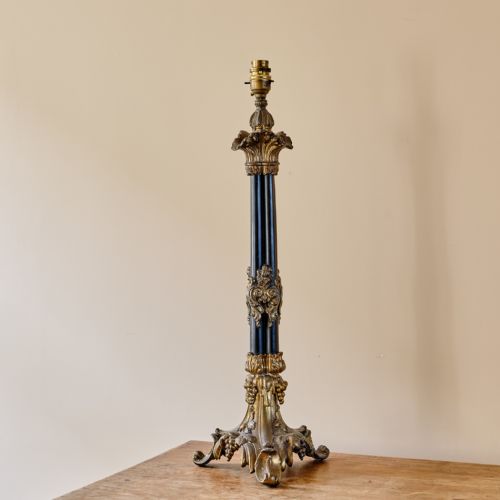
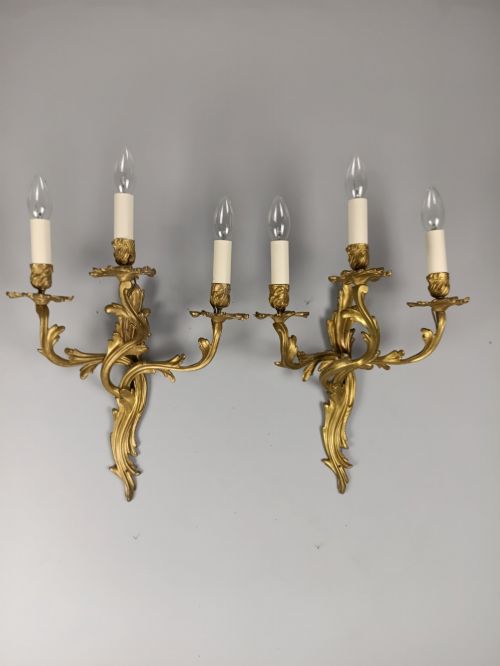
A rococo gilt bronze lamp brings theatrical French flair and warm, ornate metalwork to a room.
Rococo Gilt Bronze Lamp
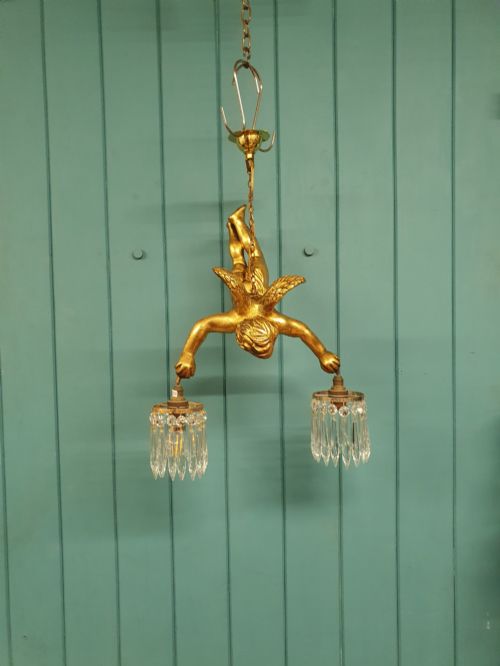
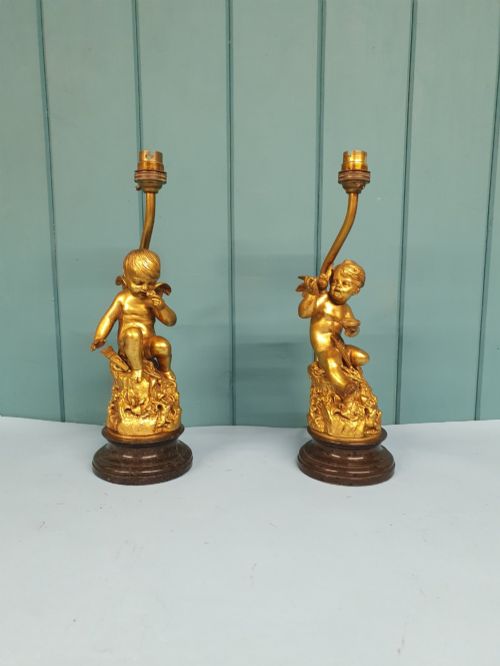
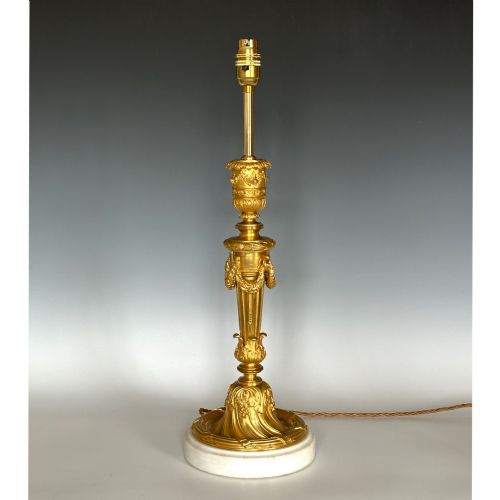
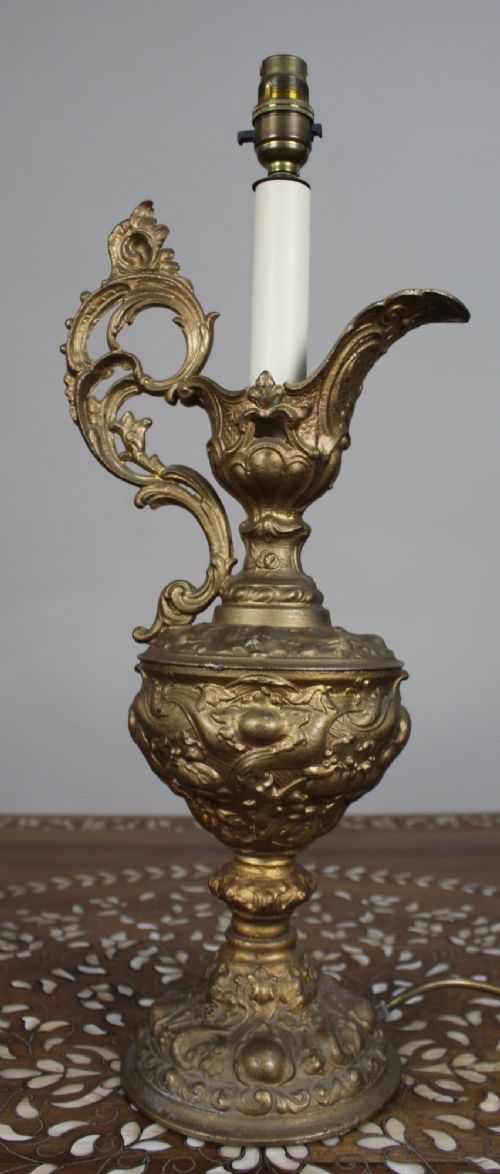
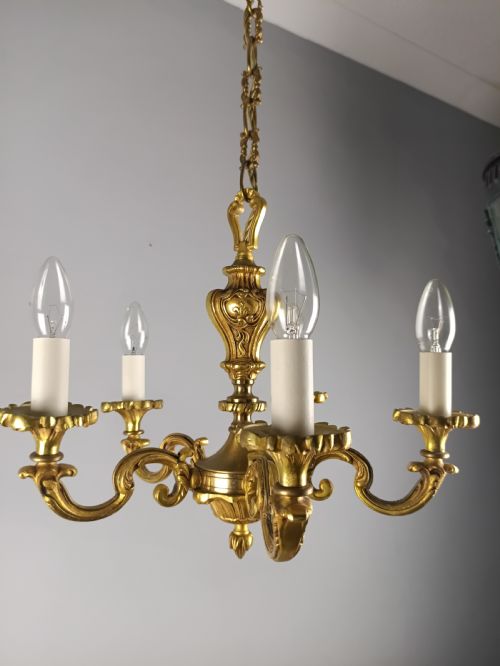
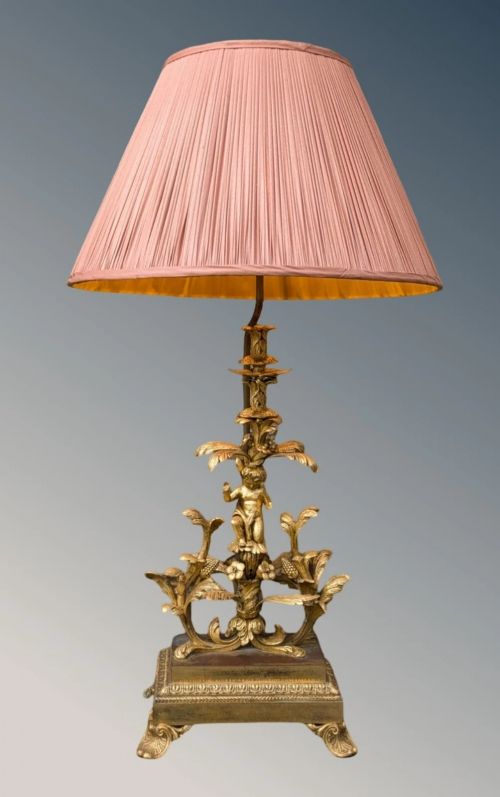
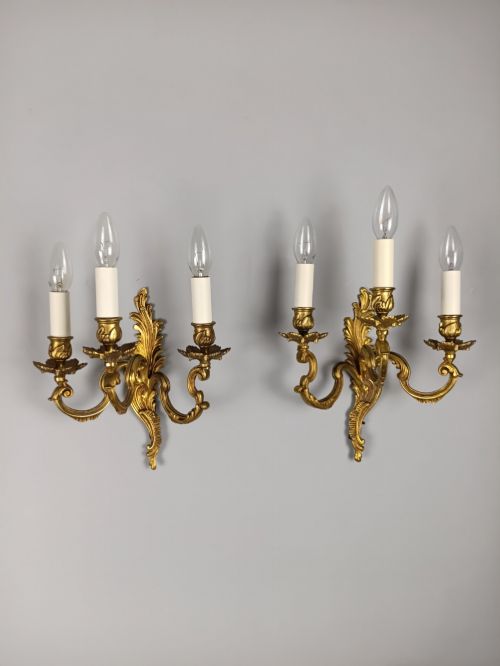
The selection here encompasses table lamps, chandeliers, and wall sconces featuring cast brass, ormolu, and gilded bronze. Many incorporate figural elements like cherubs alongside classical floral motifs.
Most examples originate from French workshops, though related British interpretations also appear. They range from petite boudoir pieces to monumental twin-arm and multi-light fixtures.
Materials and construction
These pieces rely heavily on cast bronze and brass, finished with a bright gilt layer or refined through ormolu techniques. Artisans often combined the gleaming metalwork with contrasting materials such as marble, porcelain, blue glass, and cut crystal spikes.
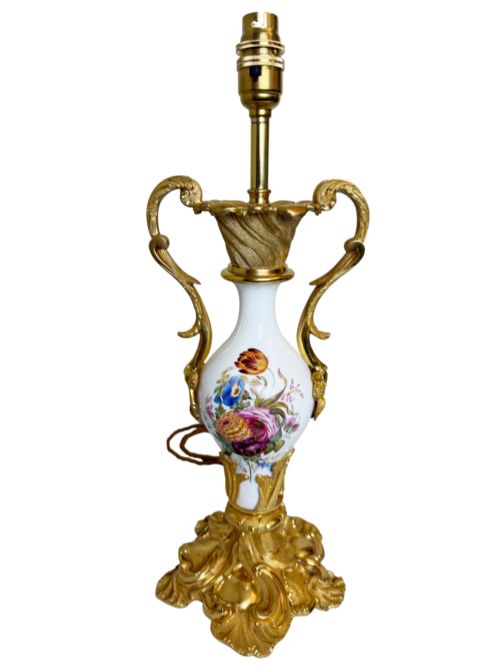
Chandeliers and wall lights frequently employ intricate arm configurations, mounting candle-form lights above reflective crystal drops. Table lamps integrate sculptural bronze statuary, such as cherubs or ewers, adapted for electrical wiring.
Several heavy bronze lamps quietly moonlight as cherub-filled candle holders.
Assessing the craftsmanship
The integration of secondary materials also dictates grade. High-tier items feature unblemished hand-painted porcelain panels, heavy leaded crystal, and thick, secure gilding that maintains its warm lustre across intricate surface relief.
François Linke
The Rococo Gilt Bronze Lamp Glossary
- Ormolu
- Gilded bronze produced through a mercury amalgamation process, creating a durable golden surface common in French decorative arts.
- Rococo Revival
- A nineteenth-century design movement that imitated the asymmetrical scrolls, shell motifs, and curving lines of the eighteenth-century French court.
- Ewer
- A large jug with a wide spout, frequently utilised as the central body for converted decorative table lamps.
- Candelabra
- A branched candlestick holder designed to support multiple light sources, often wired for electricity in later periods.
- Chasing
- The manual metalwork technique of refining cast bronze details with tiny punches and hammers to sharpen textures and contours.
Rococo Gilt Bronze Lamp: Frequently Asked Questions
Are these lamps originally wired for electricity?
Most surviving pieces from the nineteenth and early twentieth centuries were originally designed for candles or oil and converted to electricity later. Rewiring is common to ensure modern safety standards.
Collectors often accept these alterations as part of a fixture's functional evolution over decades of domestic use.
How do I clean a gilt bronze lamp?
Gilt metal surfaces require gentle dusting with a soft, dry brush to prevent the abrasive removal of the thin gold layer. Moisture and chemical polishes will strip the original finish.
Crystal pendants and glass components can be carefully wiped with a damp cloth while detached from the main bronze body.
What is the difference between ormolu and gilt bronze?
Ormolu specifically denotes mercury gilding applied to a bronze base, a technique prevalent in eighteenth and nineteenth-century French luxury workshops. Gilt bronze is a broader term encompassing any bronze object covered in gold leaf or wash.
Both finishes yield a rich metallic sheen, though ormolu typically exhibits a deeper, more buttery golden hue.
How can I date a rococo gilt bronze lamp?
Dating relies on examining the casting quality, the style of the mounting hardware, and any accompanying ceramic or glass elements. Nineteenth-century pieces often display heavier casting and more authentic wear patterns than later twentieth-century revivals.
Wiring styles, screw types, and maker stamps or attributions also provide reliable clues to a piece's chronological origin.