
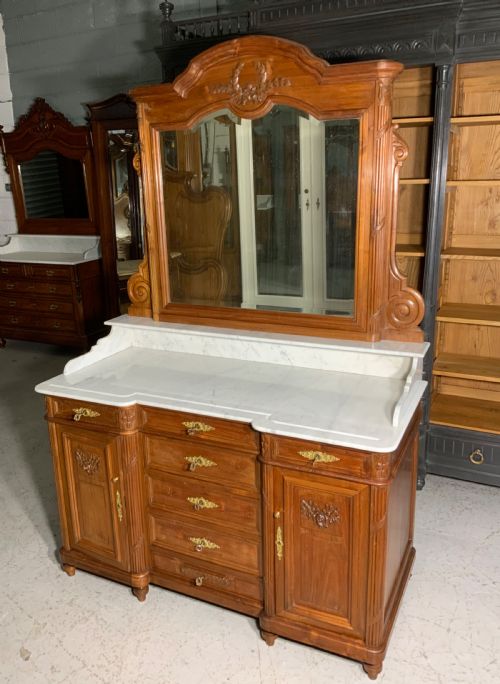
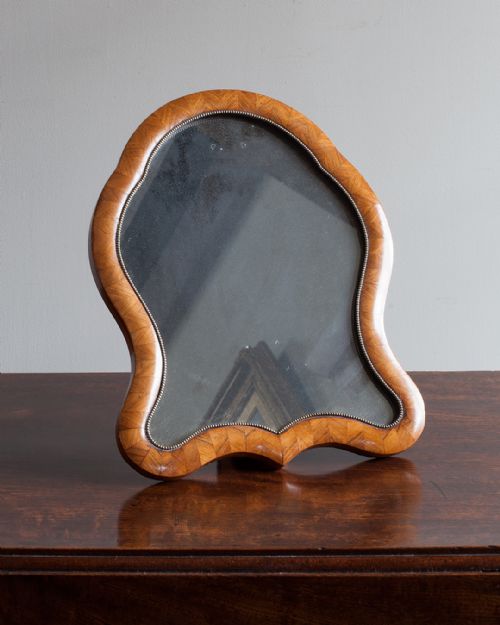
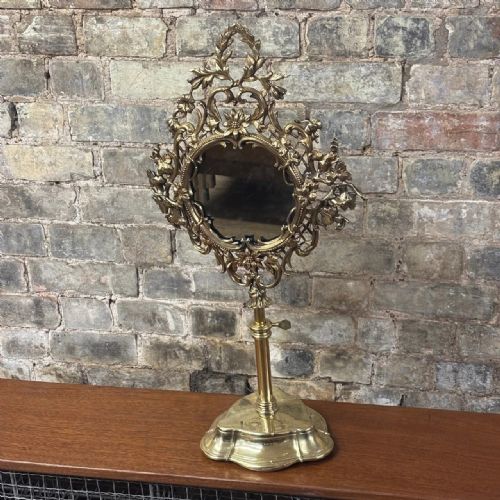
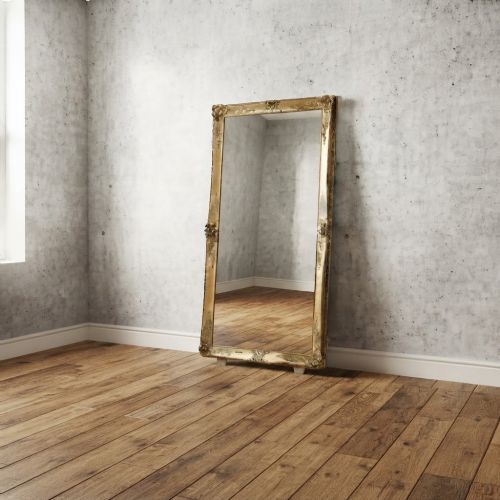


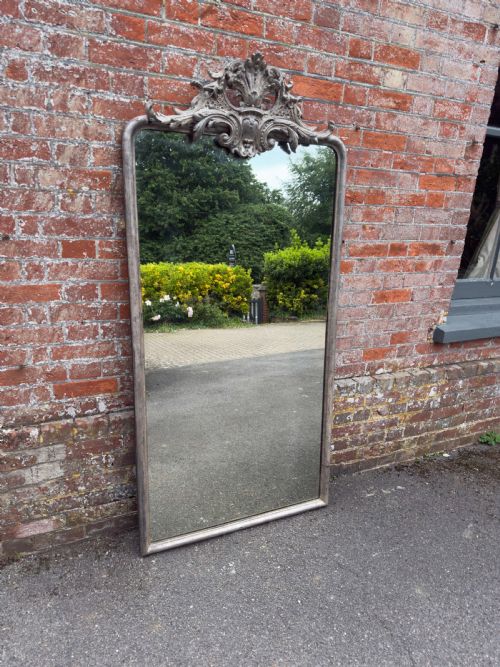
Rococo Dressing Mirror
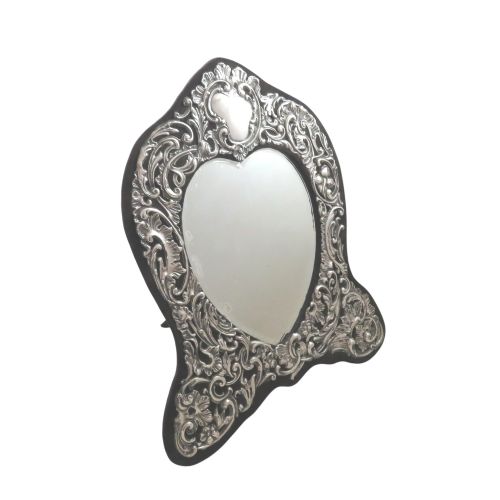
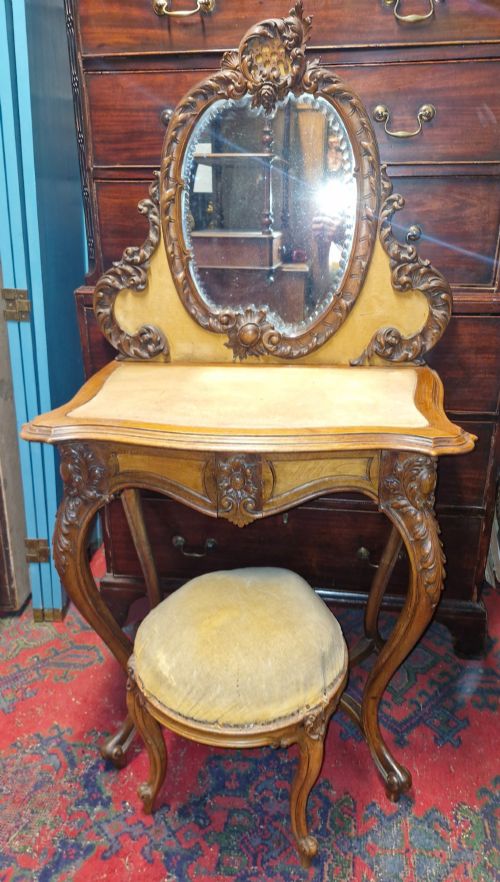
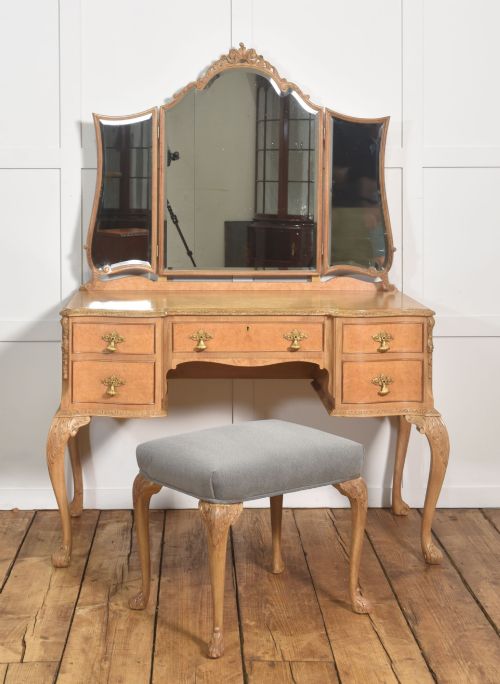
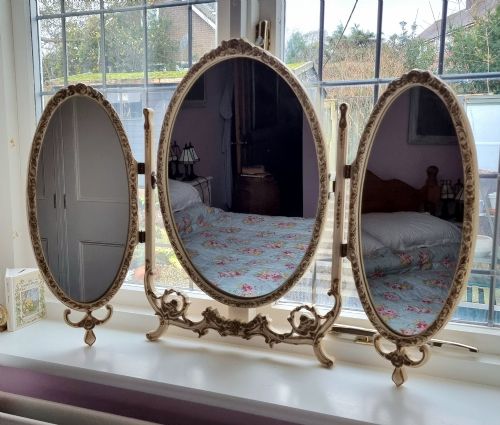
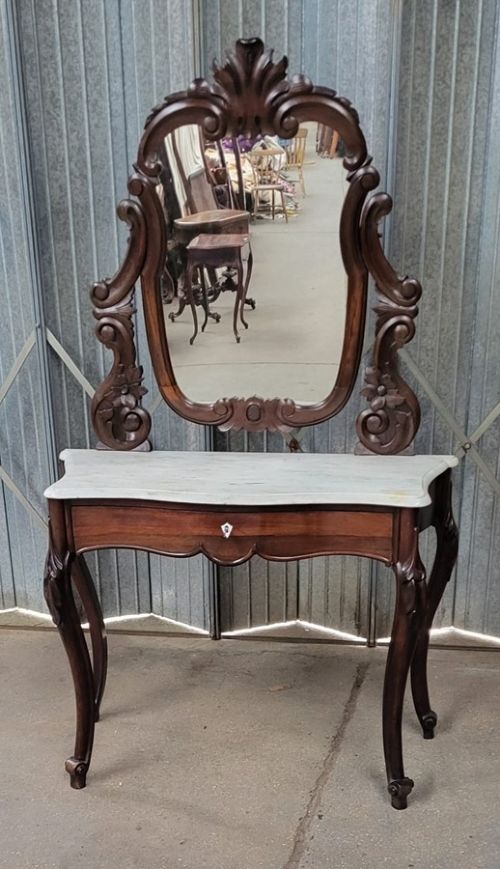
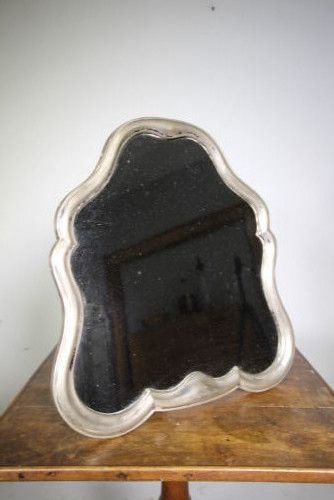
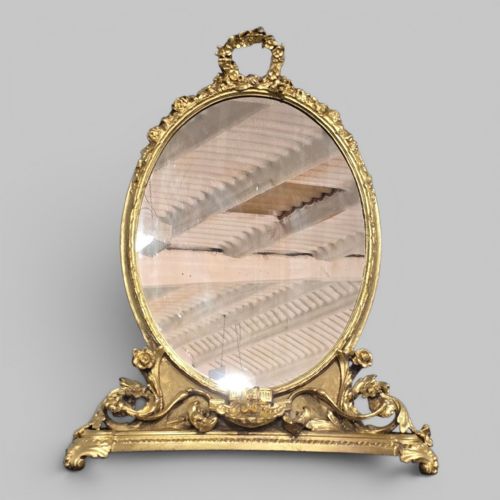
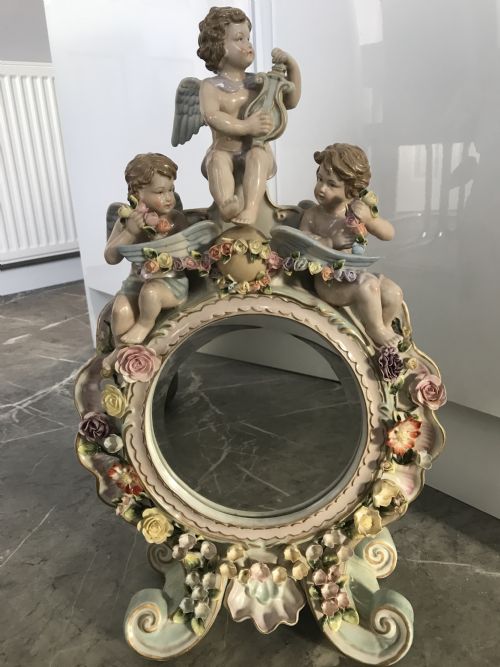
These rococo dressing mirror examples bring swirling, ornate frames and pivoting glass to a dressing table.
Rococo Dressing Mirror
A rococo dressing mirror takes the scrolling, asymmetric forms of the eighteenth century and applies them to table top, cheval, and vanity mirrors. These objects sit upon dressing tables or chests, offering an adjustable reflective surface framed in carved timber or metal.
The pieces appearing on this page span the nineteenth century, the Edwardian period, and into the nineteen-thirties, showing revivals of Louis the Fifteenth and French styles. Makers and manufacturers combined glass with wood, brass, and porcelain to create ornamental items for the bedroom.
Forms range from small swing mirrors designed for table tops to large cheval mirrors standing on the floor, alongside dressing tables fitted with triple mirror arrangements.
How they were made
Carvers shaped walnut, oak, kingwood, and mahogany into asymmetrical scrolls and foliage, sometimes applying gesso before gilding or silvering the surface. These wooden frames relied on traditional joinery and swing pivots to hold the glass.
Foundry workers cast solid brass and ormolu into floral and scrollwork mounts, while potteries moulded porcelain frames decorated with flowers and painted scenes. Silver mounts and sterling silver elements were also worked by hand to frame the glass.
Periods represented span from the eighteenth century through Victorian and Edwardian eras to the nineteen-thirties.
What varies in quality
The depth and crispness of the carving distinguish finer pieces from simpler production, particularly where wood or gesso is worked into deep scrolls. Hand-chiselled brass and chased ormolu display sharper detail than mass-cast metal.
The quality of the mirror glass itself, along with the weight and stability of the frame and pivoting mechanism, determines how well the object functions and survives.
Jean Gille·Joseph Meissonnier
The Rococo Dressing Mirror Glossary
- Rococo Revival
- A nineteenth-century style imitating the ornate, asymmetrical curves and shell motifs of eighteenth-century French design. This aesthetic dominates the frames found on these dressing mirrors.
- Cheval mirror
- A full-length mirror hung in a frame that allows it to swing entirely. These freestanding pieces allow a view of the full outfit.
- Gesso
- A plaster mixture applied to wood frames to create a smooth surface for gilding. Carvers cut fine details directly into this hardened layer.
- Ormolu
- Gilded bronze used for decorative mounts and frames. The technique involves applying a gold amalgam to bronze before heating.
- Swing mirror
- A glass plate mounted on pivots between two upright posts, allowing the user to tilt the angle. This mechanism is central to table top dressing mirrors.
Rococo Dressing Mirror: Frequently Asked Questions
What is a rococo dressing mirror?
A rococo dressing mirror is an adjustable looking glass set within an ornate, scrolling frame inspired by eighteenth-century French design. These pieces sit on dressing tables or stand independently on the floor.
They combine decorative carved wood, giltwood, brass, or porcelain with pivoting glass plates designed for personal grooming.
How do I date a dressing mirror?
Dating relies on examining the construction methods of the frame, the fixings, and the characteristics of the mirror glass. Nineteenth-century examples often feature revival styles executed in walnut, brass, or carved gesso.
Later pieces from the twentieth century introduce different timber treatments and hardware while maintaining historic decorative motifs.
Are these mirrors meant for everyday use?
Most table top and cheval mirrors remain fully functional for daily grooming and dressing routines. Their pivoting mechanisms allow users to adjust the angle of the glass.
Care should be taken with antique gilding, porcelain mounts, and original silvered glass surfaces during cleaning and movement.
What is the difference between a table mirror and a cheval mirror?
Table mirrors are smaller objects designed to rest on top of a dressing table, chest, or console. They provide an upper-body reflection.
Cheval mirrors are large, freestanding floor pieces that tilt within a stable frame to show a full-length view.