
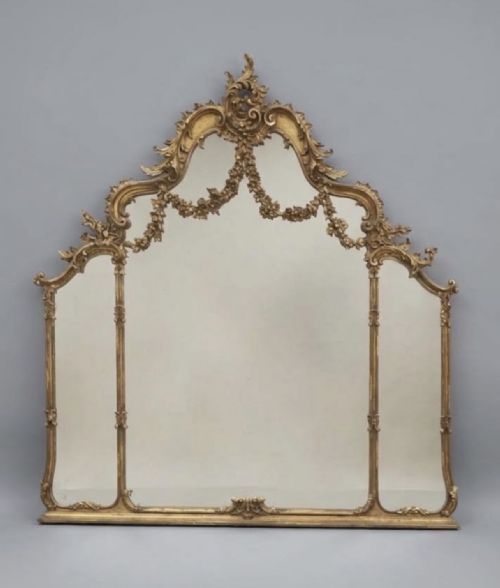
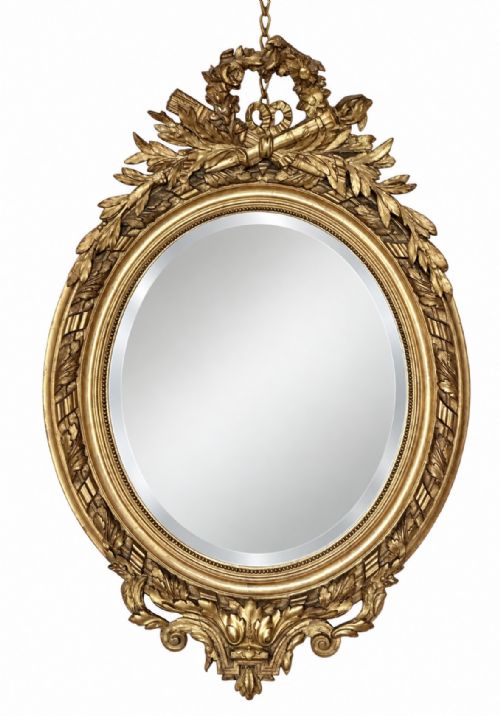
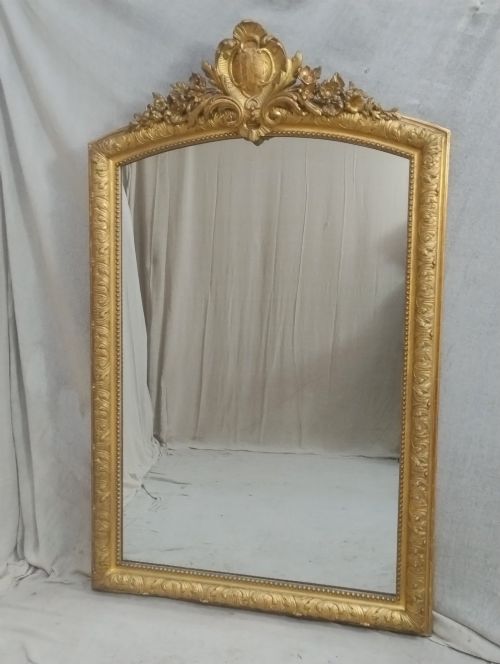
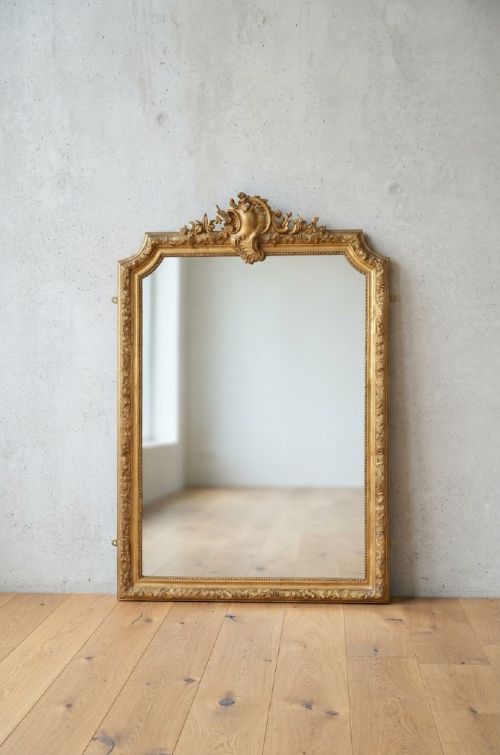
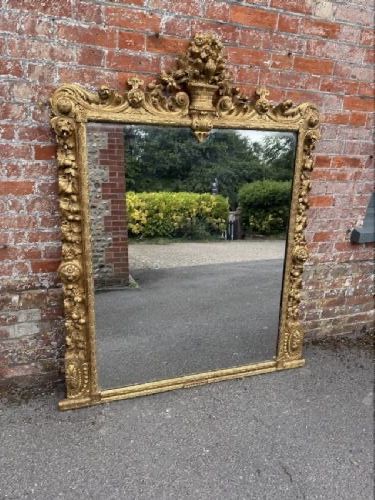
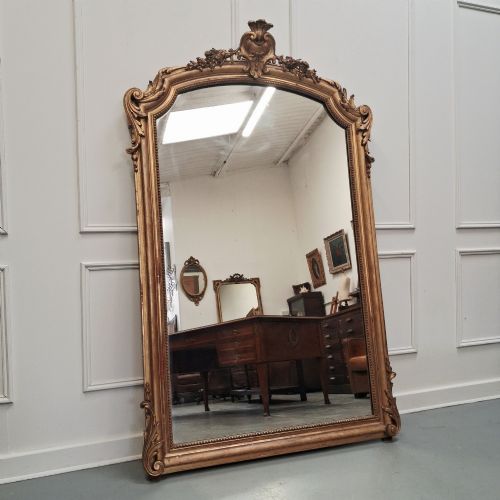
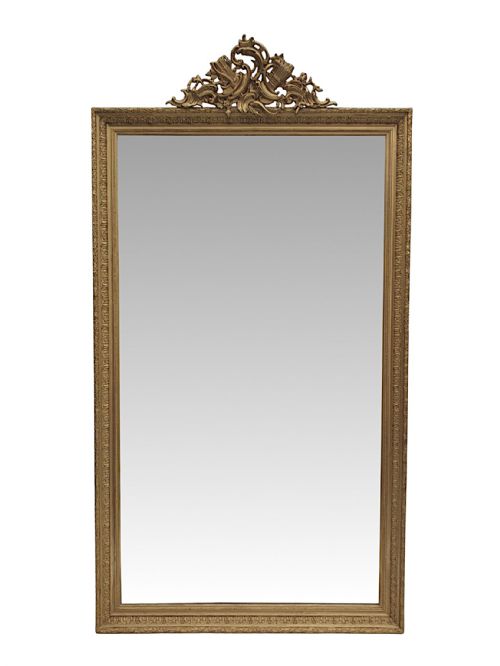
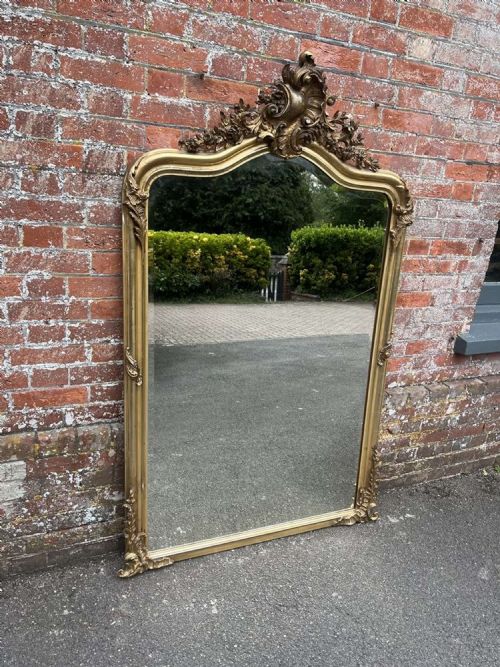
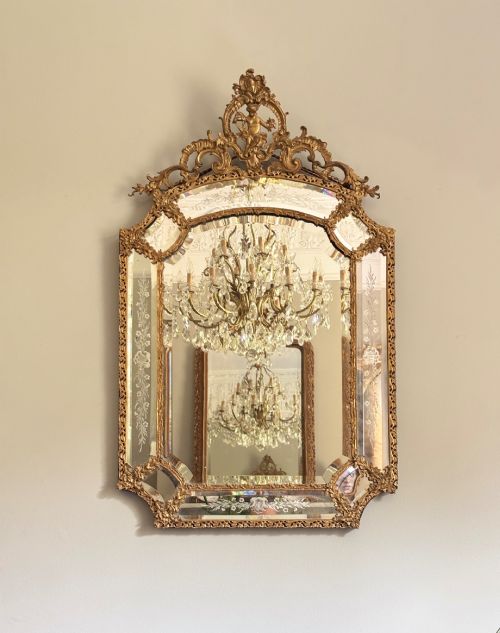
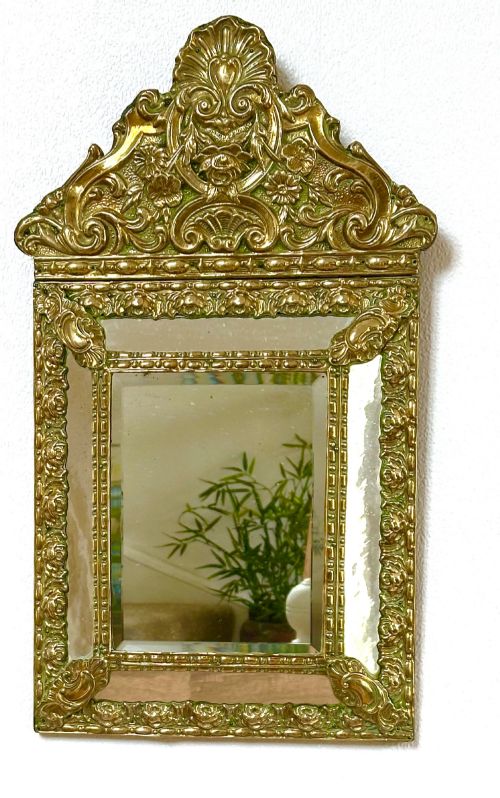
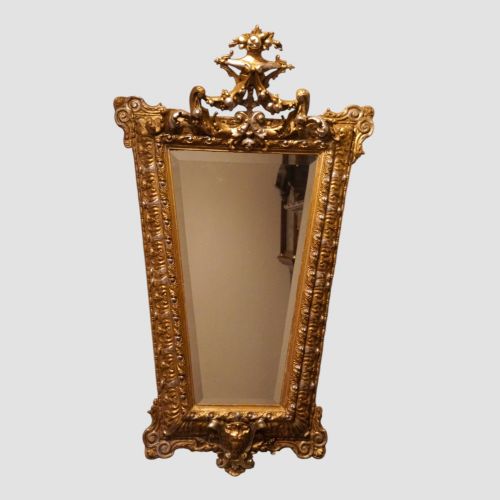
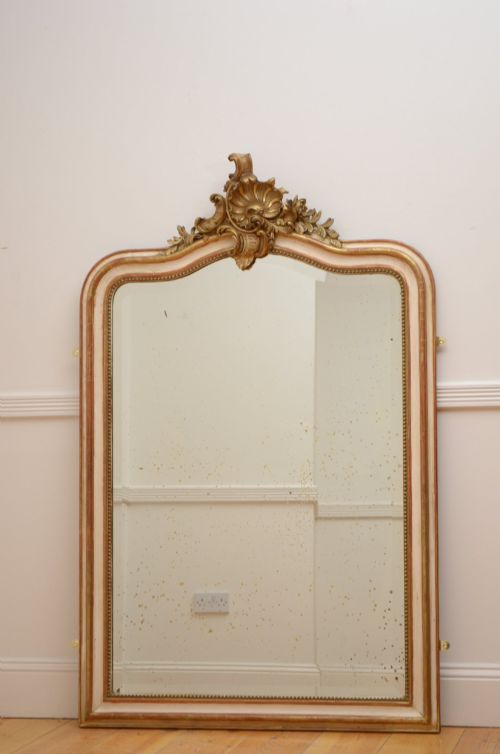
Rococo Cresting Wall Mirror
A rococo cresting wall mirror brings flowing organic ornament and brilliant reflective depth into a room.
Rococo Cresting Wall Mirror
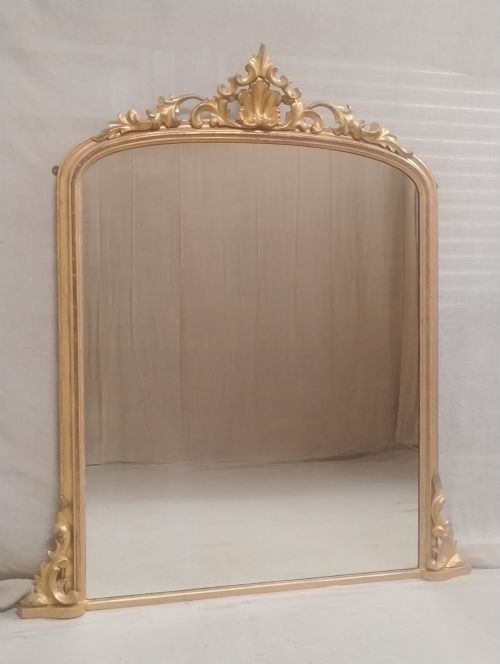
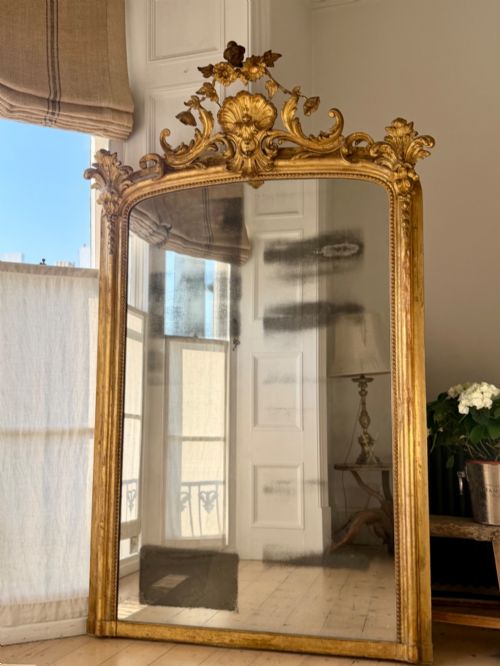
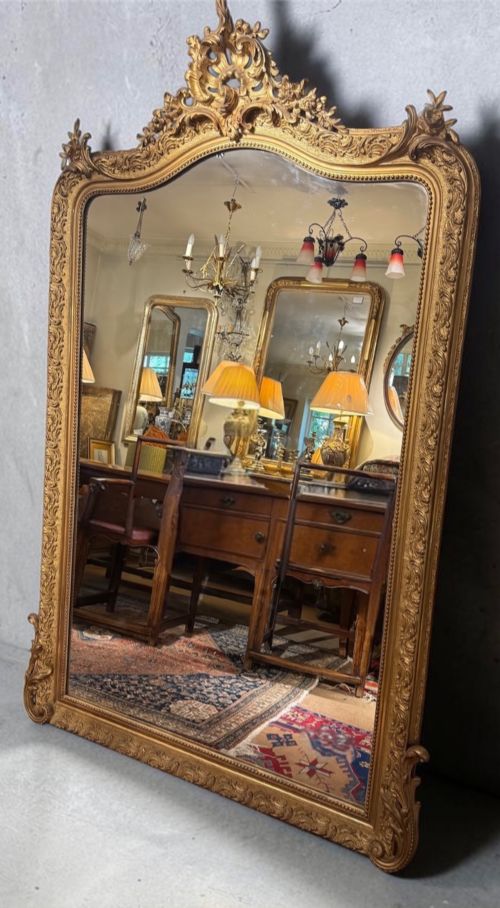
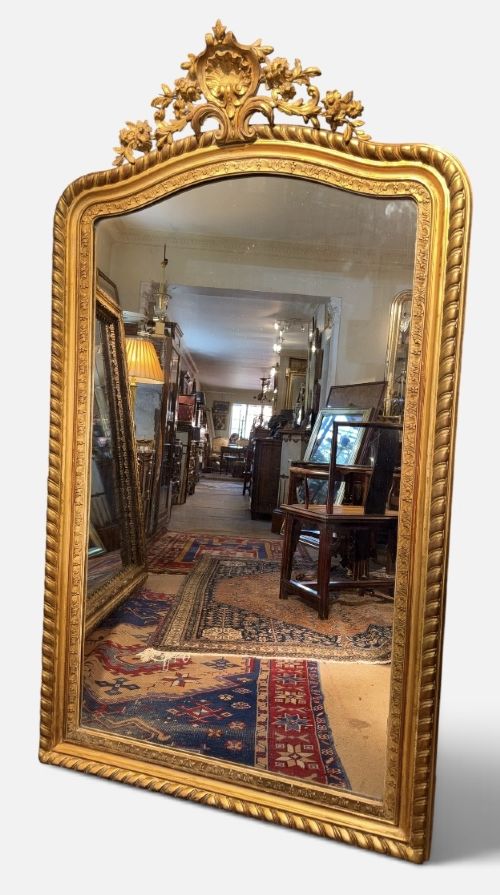
A rococo cresting wall mirror combines elaborate carved frames with asymmetrical scrolls and shell motifs, typically taking the form of a wall mirror or an overmantel mirror. These decorative pieces emerge from periods such as the eighteenth century and the nineteenth century, reflecting styles like French Rococo and Rococo Revival.
The versions met most frequently on this page span the Victorian era, the nineteenth century, and the early twentieth century. Examples range from large French chateau wall mirrors and Italian rococo designs to carved wood and gesso pieces featuring shaped or arched tops.
Buyers encounter various scales, from compact pier mirrors to large overmantel mirrors designed to sit above a fireplace. Materials extend beyond standard timber to include giltwood, silver-gilt, and mirror glass, often bearing distinct regional characteristics from French and Italian workshops.
How They Were Made
Carved wood and gesso form the structural base of many frames, allowing artisans to build up complex relief ornamentation before applying surface finishes. Gold leaf and silver leaf then provide the bright metallic sheen characteristic of these elaborate frames.
Glass production techniques involved silvering or utilising mercury glass, which over time develops a characteristic foxed appearance with dark spots and patination. Artisans shaped these glass plates to fit trapezoidal, oval, or arched frame geometries.
Listings feature periods spanning the eighteenth century, nineteenth century, and early twentieth century, utilising giltwood, gesso, and mirror glass.
What Varies in Quality
The crispness and depth of the carved woodwork determine the visual impact of the frame, distinguishing deeply undercut foliage and scrolls from softer, shallower mouldings. Hand-applied gold leaf or silver leaf demonstrates superior craftsmanship compared to simpler painted metallic finishes.
Original mirror glass with period foxing retains authenticity, whereas replaced modern glass alters the historic character of the piece. The structural integrity of the underlying gesso and wood frame dictates how well the heavy assembly survives over centuries.
The Rococo Cresting Wall Mirror Glossary
- Giltwood
- Wood covered with a thin layer of gold leaf or gold paint. This technique creates a luminous metallic surface that defines many antique frames.
- Gesso
- A plaster mixture applied to wood frames as a base for carving and gilding. It provides a smooth white ground that holds sharp decorative detail.
- Overmantel mirror
- A large mirror specifically designed to hang above a mantelpiece or fireplace. These pieces often feature horizontal proportions or grand arched crests.
- Foxed glass
- Mirror glass that displays age-related spots, clouding, and oxidation. This natural degradation creates a mottled reflective surface prized by collectors.
- Cartouche
- An ornamental frame or tablet resembling a scroll or rolled-up piece of paper. It frequently appears centrally positioned on the crest of a mirror frame.
Rococo Cresting Wall Mirror: Frequently Asked Questions
How do I hang a heavy antique mirror?
These large mirrors require secure wall fixings distributed across multiple load-bearing points. Professional installers typically use heavy-duty wall anchors matched to the weight of the timber and glass.
Ensuring the frame rests partly on a mantel or structural support helps distribute the overall load safely.
What is foxed glass?
Foxed glass refers to the natural ageing of the reflective silver backing over decades or centuries. Moisture seeps behind the glass, creating characteristic dark spots and soft patches.
Collectors value this mottled effect because it proves the antiquity and original state of the mirror plate.
Where should I place an overmantel mirror?
An overmantel mirror traditionally hangs directly above a fireplace mantel to reflect light and fill vertical wall space. Placing it opposite a window maximises the natural illumination entering the room.
It also functions effectively as a leaner mirror against a main living room or bedroom wall.
How do I clean an antique gilt frame?
Dust the carved wooden surfaces gently with a soft, dry brush to prevent damaging the delicate gold leaf. Avoid using chemical sprays, water, or abrasive cloths that can strip the historic finish.
Professional conservators should handle any repairs to cracked gesso or flaking metallic leaf.