




French Chateau Arch Mirror
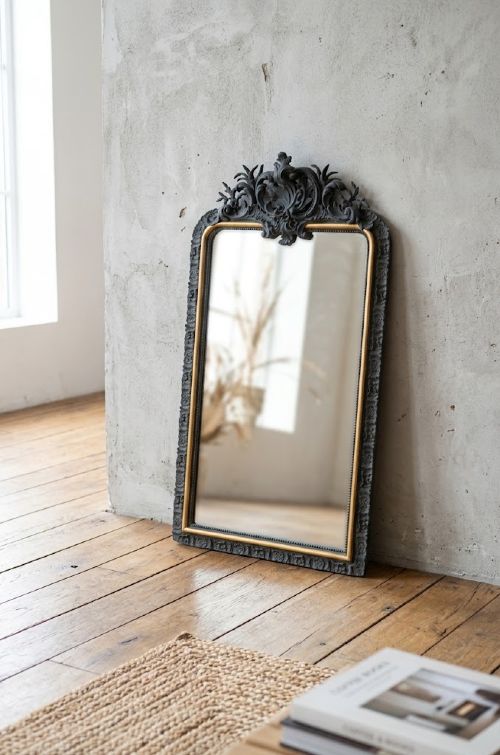
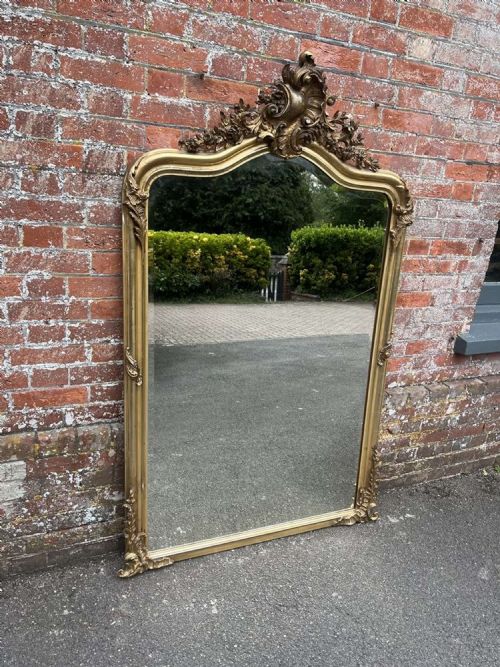
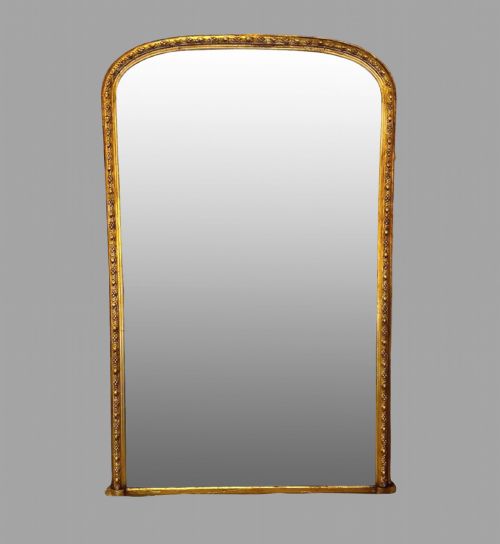
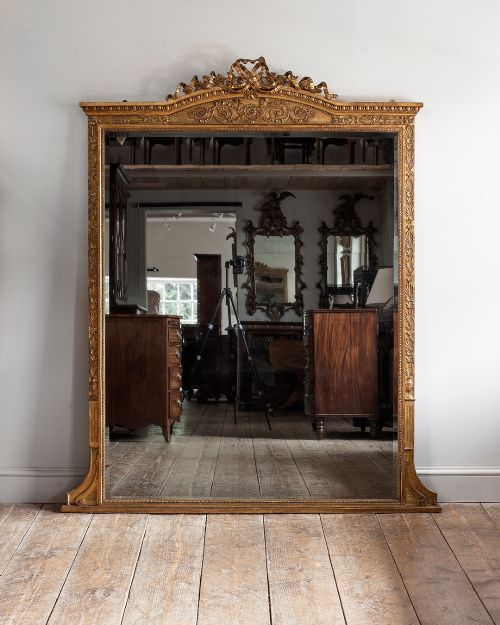
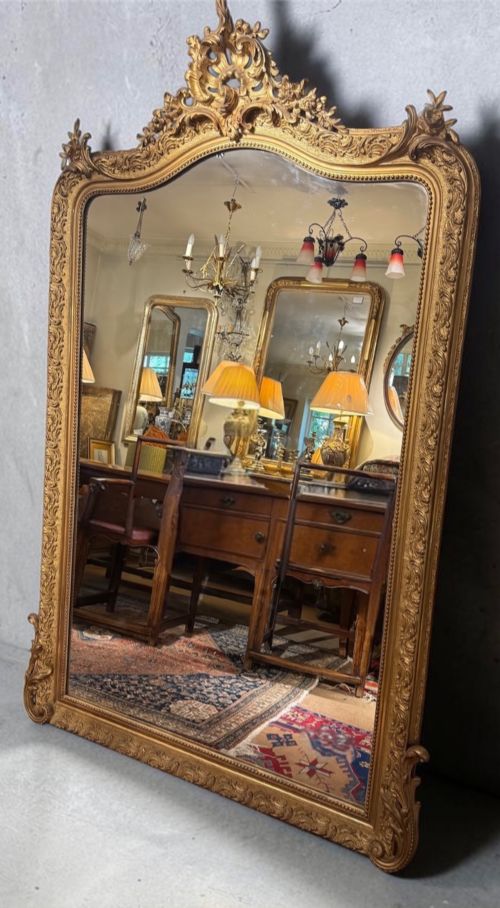
A french chateau arch mirror brings vertical presence and historical weight to a room, offering grand proportions suited for placement above a mantelpiece.
French Chateau Arch Mirror
A french chateau arch mirror is an architectural glass piece designed to hang on a wall or rest above a fireplace, bringing historic character into a room. These items often span large dimensions, functioning as dominant statement pieces within an interior space.
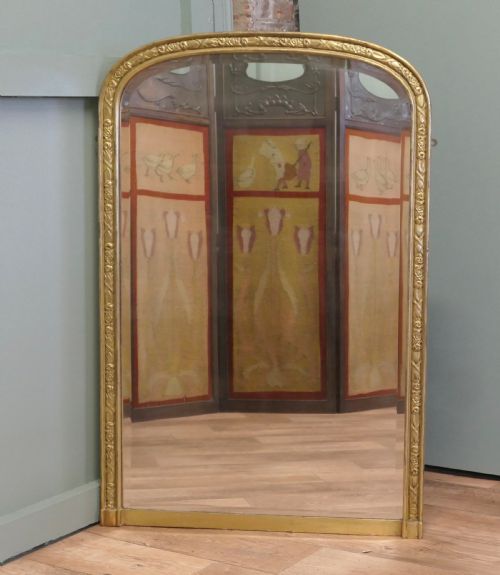
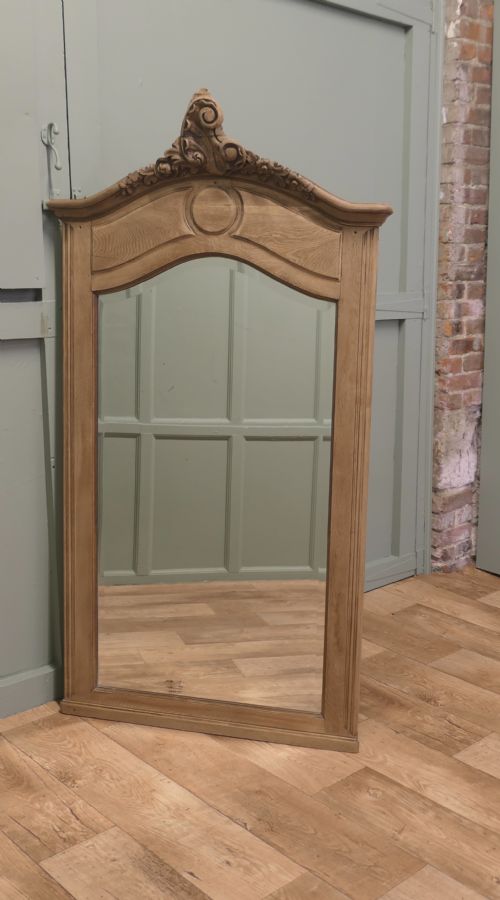
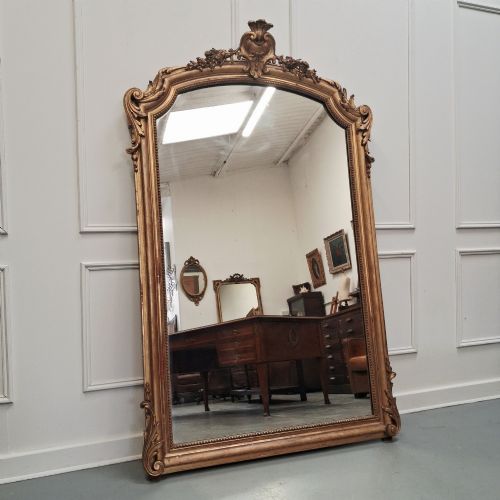
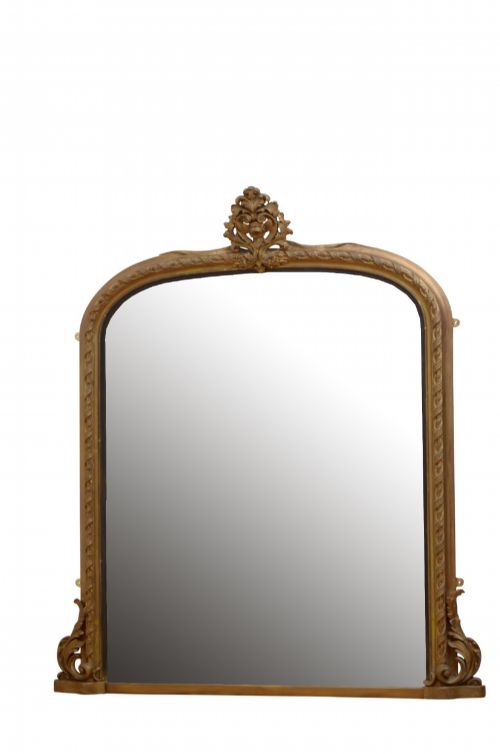
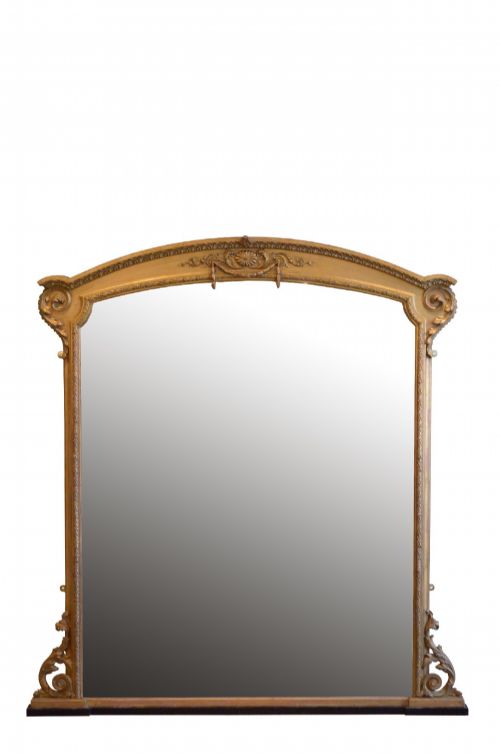
The selections on this page draw from nineteenth-century origins, featuring styles such as Louis Philippe, Rococo Revival, and French Empire. Wall mirrors and overmantel mirrors dominate the forms, frequently utilising arched or shaped tops for a softer silhouette against rectangular walls.
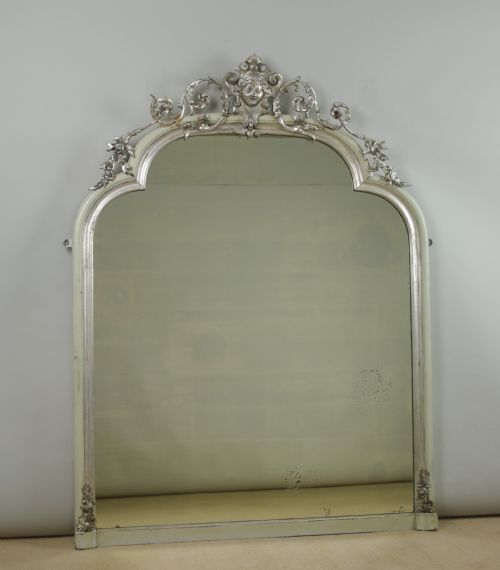
Examples appear in both fully gilded finishes and painted treatments, often showing the influence of French provincial design alongside grander urban aesthetics. Buyers encounter pieces spanning several decades of the nineteenth century, including specific dated items from the eighteen-sixties and eighteen-seventies.
How They Were Made
Carved wood and gesso form the foundational structure for many of these frames, providing a stable base for intricate ornamentation. Artisans applied gold leaf or silver leaf over the gesso ground, creating reflective metallic surfaces that catch the light.
Paint and parcel gilt finishes also appear across the inventory, offering alternative visual textures alongside traditional total gilding. The glass panes are set within these heavy wooden frames, occasionally retaining their original backing materials from the nineteenth century.
One mirror preserves its original nineteenth-century back, proving that even glass likes to hold onto its old winter coat.
What Varies in Quality
The crispness of the carved wooden detailing and the depth of the gesso relief distinguish finer examples from simpler production. Superior pieces display carefully defined motifs like central cartouches or rope twist frames executed with sharp precision.
The preservation of original surface gilding and authentic glass plates significantly influences the character of the object. Heavier proportions and substantial physical scale also separate standard domestic mirrors from grand architectural statement pieces.
The French Chateau Arch Mirror Glossary
- Giltwood
- Wood that has been coated with gold leaf or a gold-coloured metallic finish. This technique gives the frame a bright, reflective metallic surface.
- Gesso
- A plaster-like mixture applied to wood frames and smoothed before gilding or painting. It provides a receptive surface for fine carving and detail work.
- Overmantel mirror
- A large mirror specifically designed to sit on the mantelpiece above a fireplace. These pieces often feature wide horizontal or arched formats to match the width of the hearth.
- Pier mirror
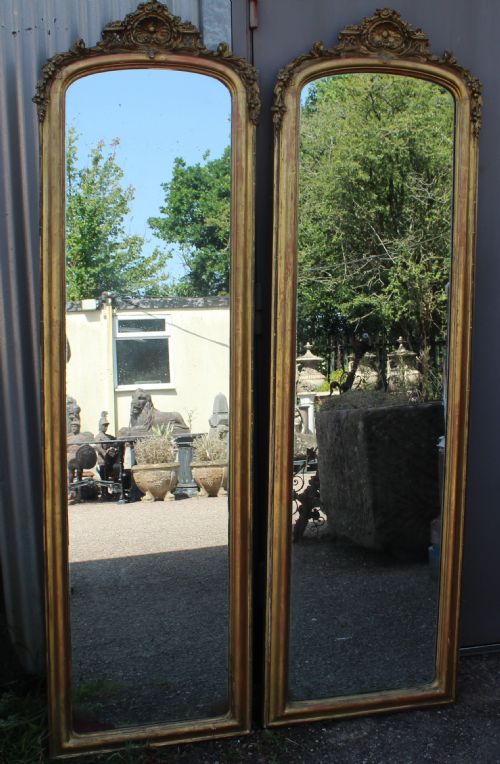
- A tall, narrow mirror traditionally hung on the wall space between two windows. They reflect additional light into darker architectural corners.
- Louis Philippe
- A nineteenth-century French style characterised by understated elegance, curved upper corners, and restrained ornamentation. It bridges the gap between earlier classical revivals and later Victorian exuberance.
French Chateau Arch Mirror: Frequently Asked Questions
Where should I hang an overmantel mirror?
These large mirrors are traditionally positioned directly above a fireplace mantelpiece to anchor the room's central focal point.
They also function effectively on main living room walls where their vertical height can visually expand the space.
How do I identify a Louis Philippe mirror?
Look for a distinct rounded upper arch combined with otherwise straight or gently sloping frame sides.
This style avoids heavy ornamentation in favour of clean lines and subtle proportions.
Are these mirrors heavy to mount?
Many nineteenth-century pieces incorporate solid wood and thick gesso frames that add considerable weight.
Proper wall fixings and professional installation are essential for supporting these large architectural items safely.
What is the difference between a pier mirror and an overmantel mirror?
Pier mirrors are typically taller and narrower, designed to fit the specific wall space situated between two windows.
Overmantel mirrors tend to be broader and are proportioned to sit horizontally across a fireplace surround.