
Rococo Carved Wall Sconces
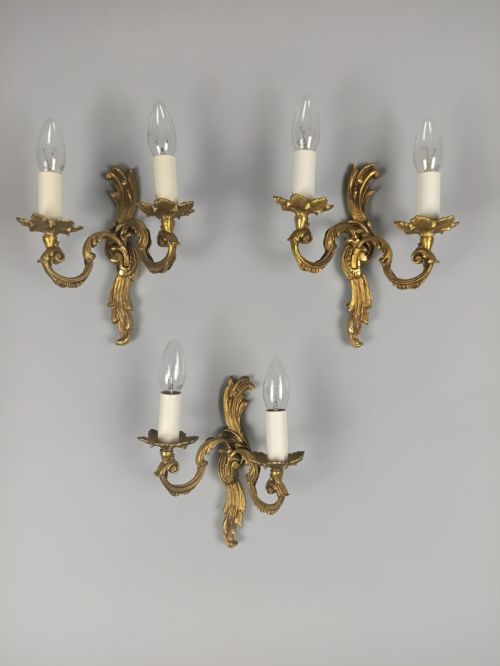
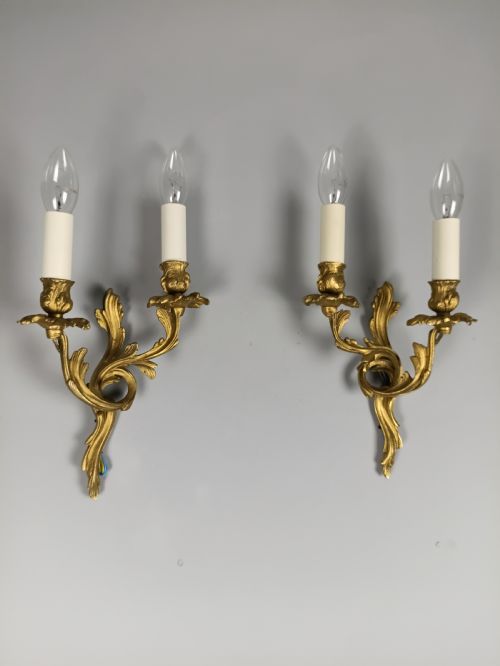
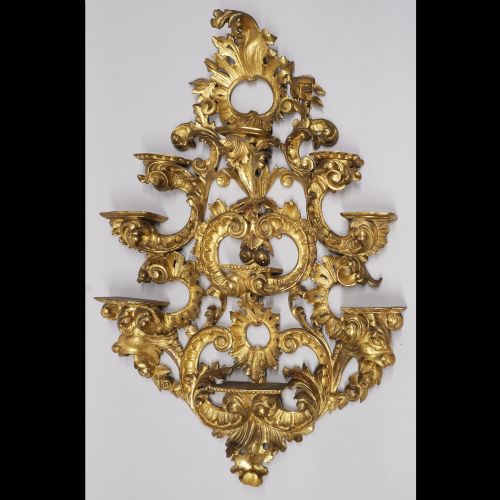
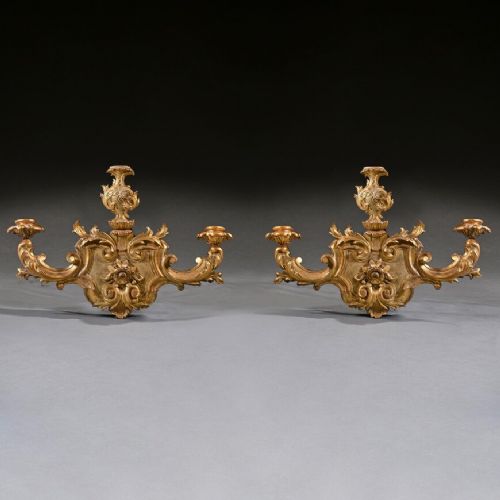
Rococo carved wall sconces combine asymmetrical scrolling forms with candle lighting, bringing ornate continental flair to interior spaces.
Rococo Carved Wall Sconces
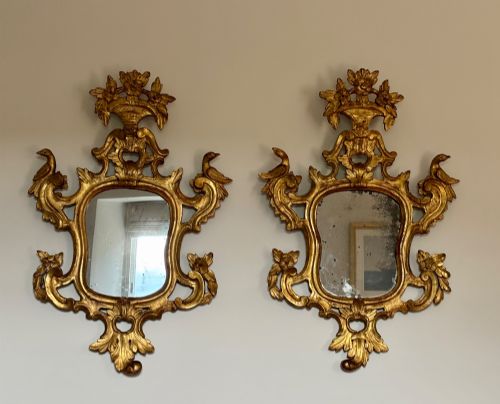
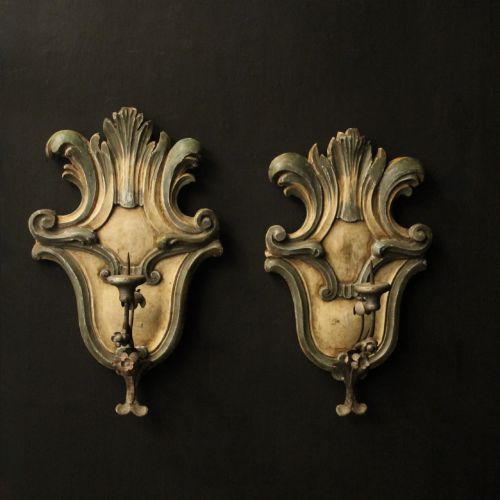
When searching for rococo carved wall sconces, buyers encounter lighting fixtures and mirror combinations shaped by naturalistic motifs like C-scrolls, shells, and foliage. The selection spans origins from France and Italy, with many examples originating from Florentine and Venetian workshops alongside later revival periods.
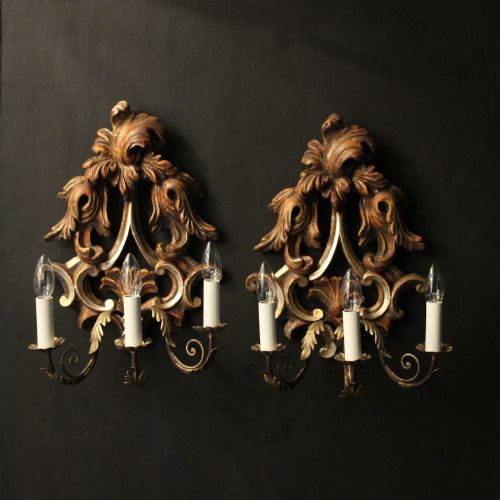
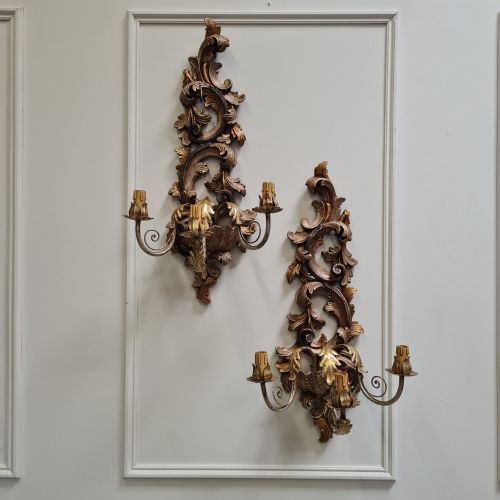
Most items appearing here take the form of paired wall lights, twin-arm girandoles, or carved brackets designed to hold candles or electric fittings. Pieces range from eighteenth-century originals to nineteenth-century revival interpretations and early twentieth-century interpretations.
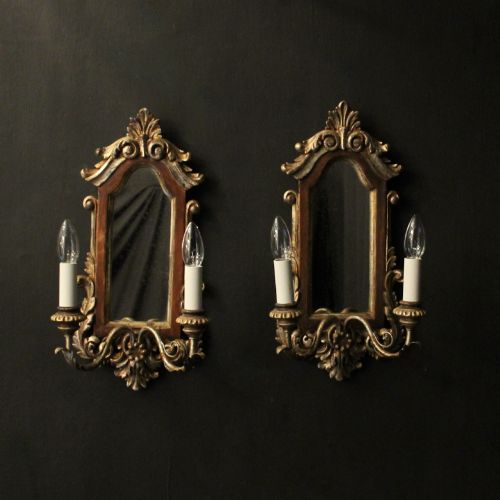
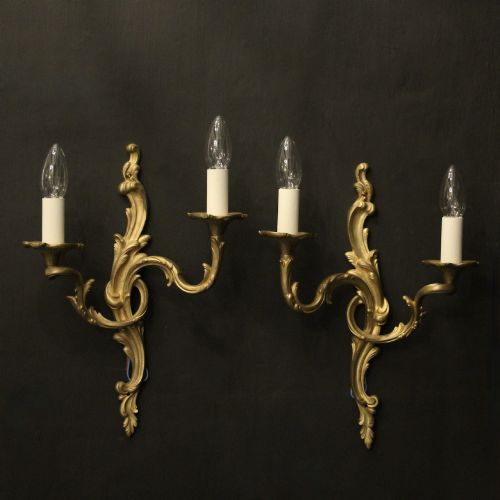
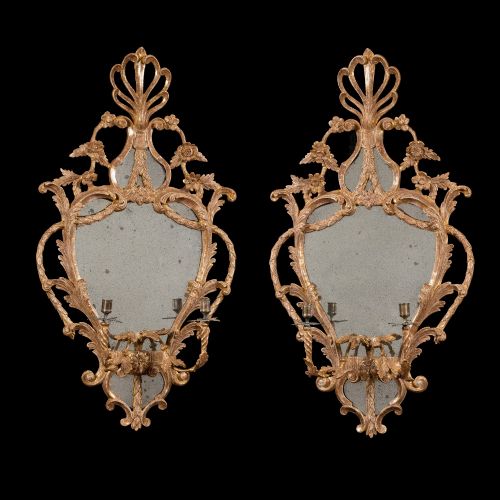
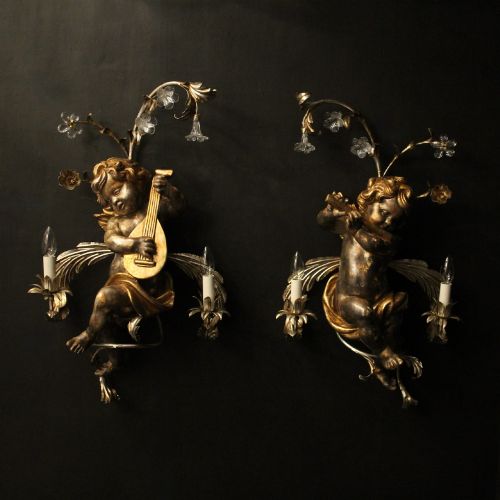
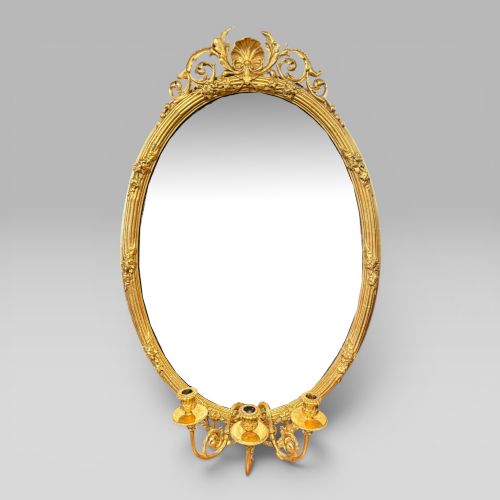
Forms include single-arm lights, multi-branch sconces with cherubs or putti, and wall mirrors flanked by candle arms. Italian and French regional variations dominate the current selection, showing distinct carving traditions across different centuries.
Materials and construction
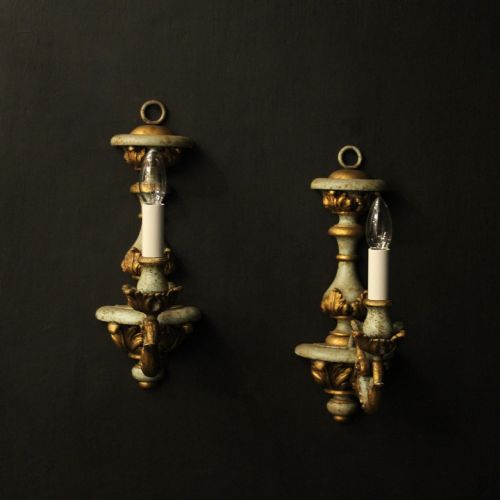
Makers shaped these fixtures using timber bases of carved wood or gesso applied over a wooden core, which provided the foundation for intricate relief work. Artisans then applied layers of gold leaf, silver gilt, or polychrome paint to the surfaces.
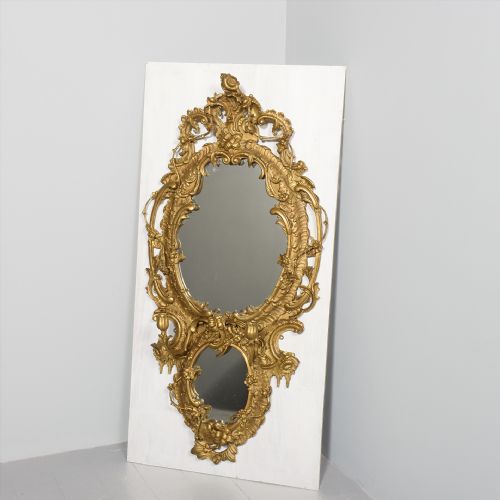
Metal components also appear frequently, utilising cast brass, gilded bronze, and ormolu for arms and structural elements. Glass elements such as Murano components and silvered mirror plates integrate directly into girandoles and cartouche mirrors.
Several Italian and French sconces feature mischievous carved putti peering out from behind gilded foliage and candle arms.
Assessing the craftsmanship
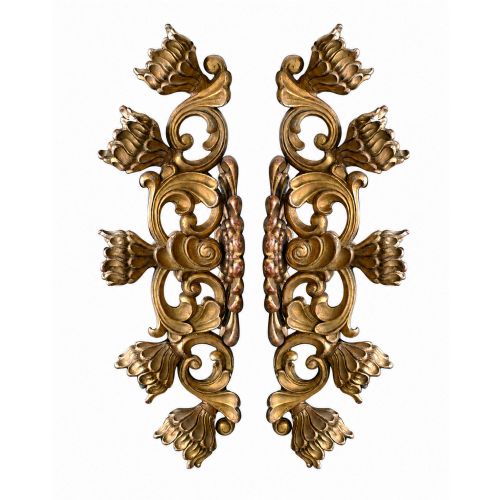
The distinction between tiers rests upon the depth and crispness of the hand-carving within the wood or gesso relief. Superior examples exhibit fluid, deeply undercut scrolls and botanical motifs that retain sharp definition beneath the gilding.
The application and preservation of the surface finish dictate much of the visual appeal. Original gold leaf or period silver gilt patinates with a soft warmth, whereas coarser later interventions can obscure the underlying detail of the wooden substrate.
The Rococo Carved Wall Sconces Glossary
- Giltwood
- Wood that has been coated with fine gold leaf applied over a prepared gesso ground. This finish provides the characteristic metallic sheen seen on antique frames and sconces.
- Girandole
- An ornamental wall mirror fitted with one or more candle branches attached to the frame. The reflective glass multiplies the candlelight within a room.
- Cartouche
- An ornamental frame resembling a rolled-up scroll or piece of parchment, often used for mirrors and central cartouche wall lights. It forms a central focal point for asymmetrical rococo designs.
- Putti
- Depictions of plump, winged infant figures, frequently carved into the woodwork or cast in bronze on continental lighting fixtures. They often flank the central light source or mirror plate.
- Gesso
- A plaster-like mixture applied to wood surfaces to create a smooth layer for subsequent carving and gilding. It allows for fine detail work before the application of gold leaf.
Rococo Carved Wall Sconces: Frequently Asked Questions
How are rococo wall sconces mounted?
Most pieces feature integrated metal hanging loops or secure brackets on the reverse of the wooden backplate. Installation requires sturdy wall fixings to support the weight of the carved wood and metal arms.
Heavier items incorporating mirror plates or multiple bronze branches need professional wall anchors to ensure safe placement.
Were these sconces originally wired for electricity?
These fixtures were originally designed for wax candles or oil before modern electrification. Many surviving examples have been carefully rewired for contemporary interior use while retaining their historic appearance.
Internal wiring typically runs discreetly through the arms or behind the backplate to preserve the carved wooden exterior.
What is the difference between girandoles and standard sconces?
Girandoles incorporate a mirror plate as the central component of the wall-mounted fixture, whereas standard sconces consist solely of a decorative backplate and candle arms. The mirror surface serves to amplify the light cast by the candles.
Both forms utilise the same asymmetrical scrolls and naturalistic motifs characteristic of the style.
How do I distinguish eighteenth-century pieces from later revivals?
Eighteenth-century originals display hand-carving techniques and timber shrinkage consistent with age, alongside period gilding and foxed mirror plates where applicable. Revival pieces from the nineteenth and twentieth centuries often employ heavier gesso layers or machine-tooled elements.
Examining the reverse side and the composition of the wood helps confirm the era of manufacture.