
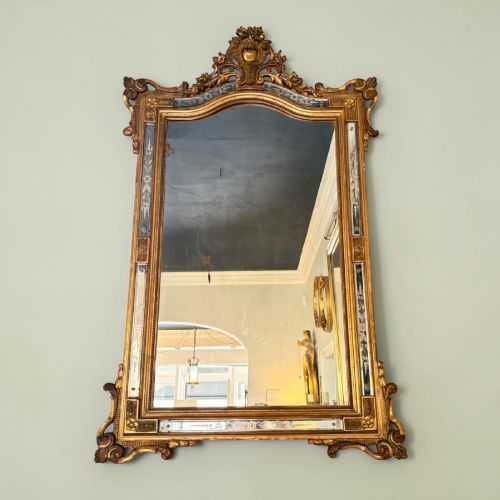
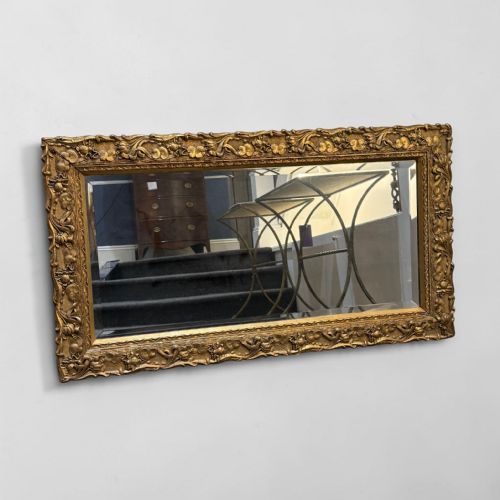
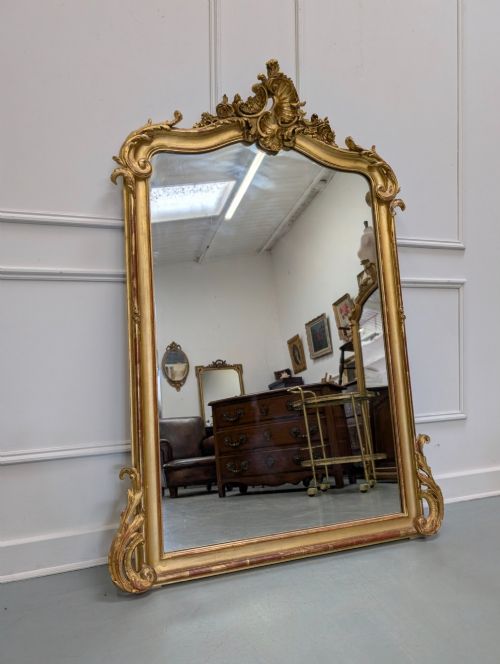
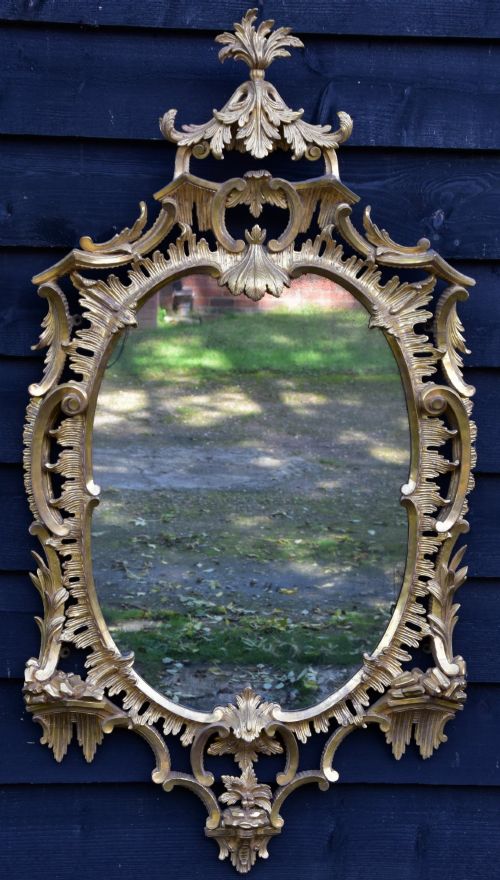
Rococo Carved Gilt Mirror
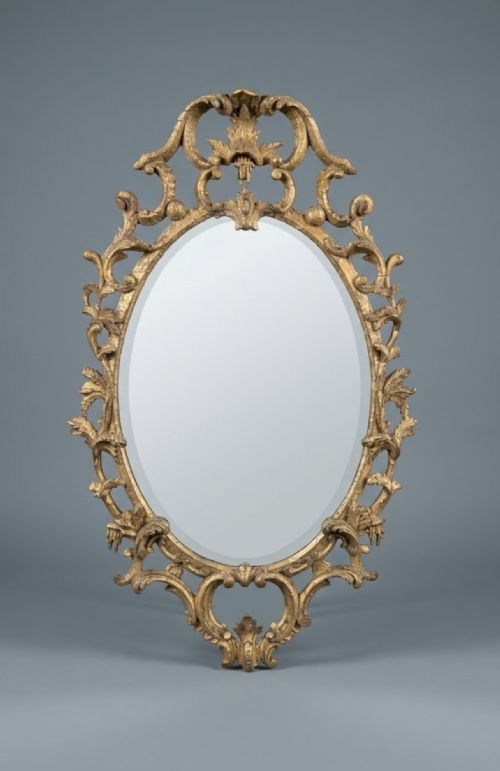
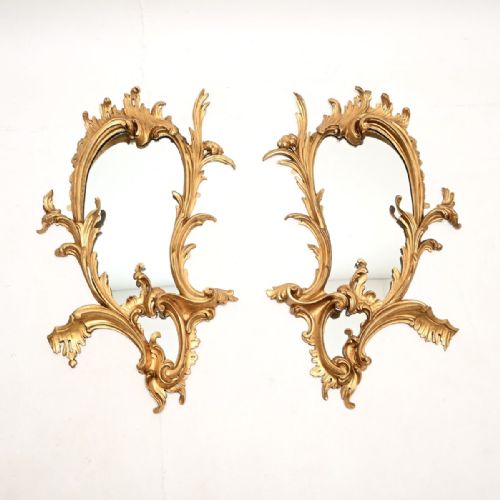
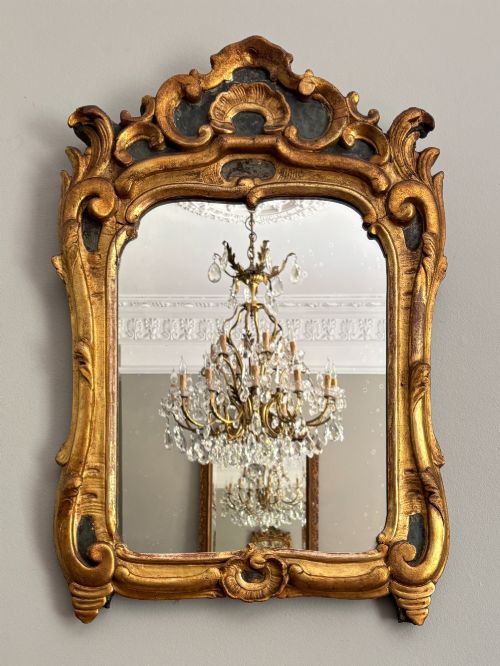
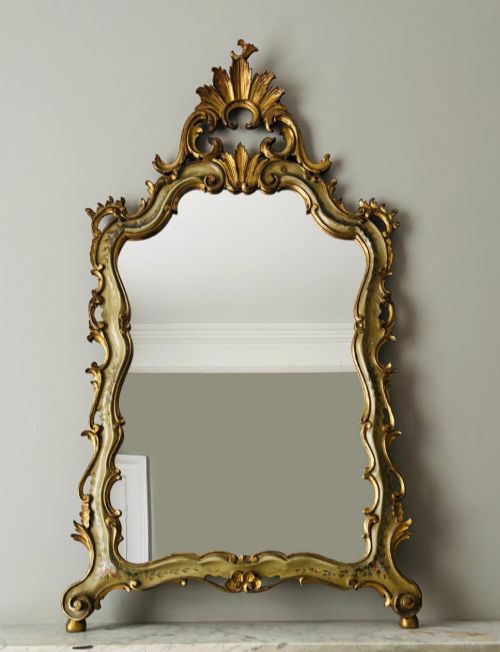
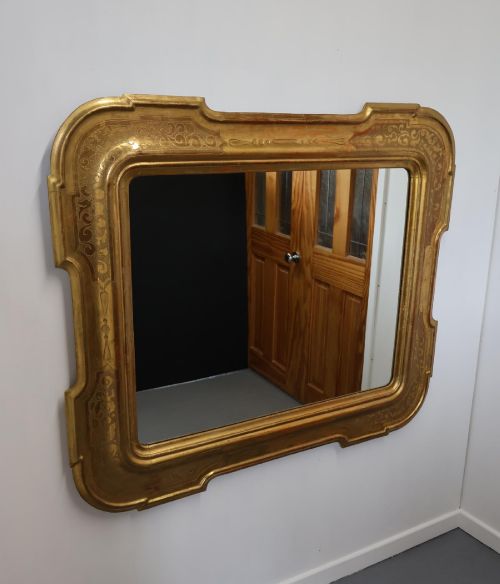
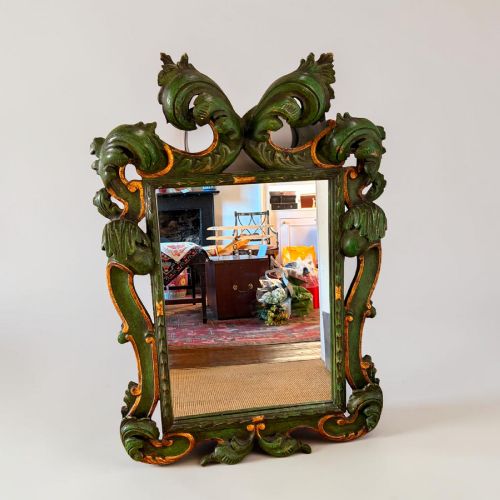
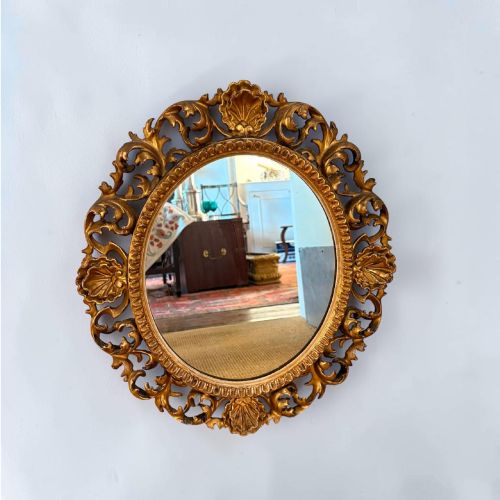
A rococo carved gilt mirror brings swirling asymmetrical motifs and luminous warmth to an interior, drawing the eye with extravagant C-scrolls and naturalistic foliage.
Rococo Carved Gilt Mirror
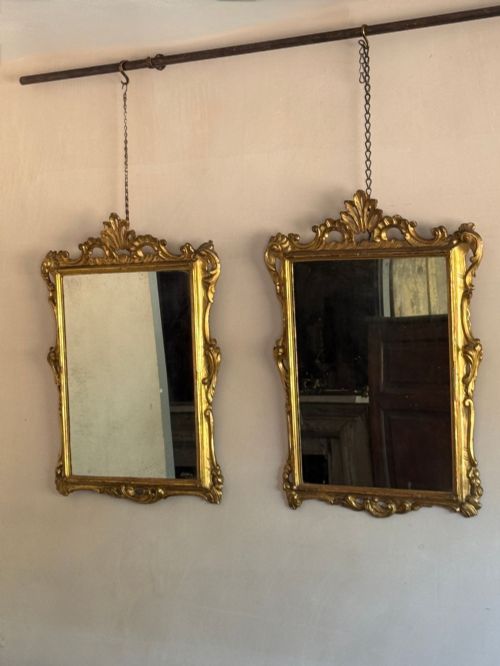
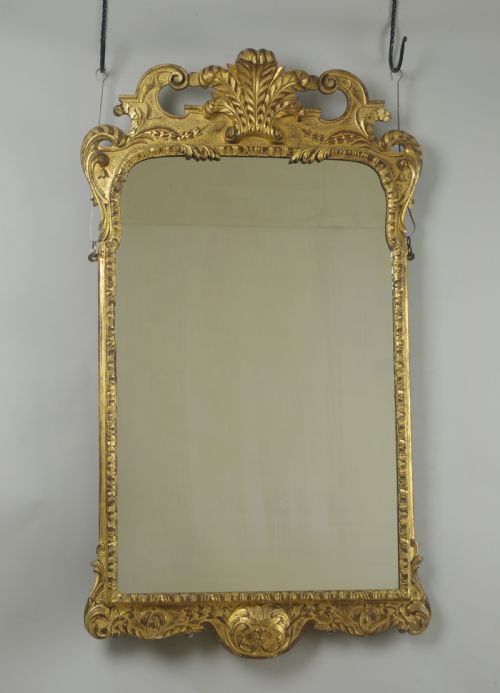
A rococo carved gilt mirror typically presents elaborate ornamental framing featuring asymmetrical scrolls, shell motifs, and floral flourishes derived from eighteenth-century design. Buyers exploring this selection will frequently encounter nineteenth-century revival pieces from France and Italy alongside authentic eighteenth-century examples.
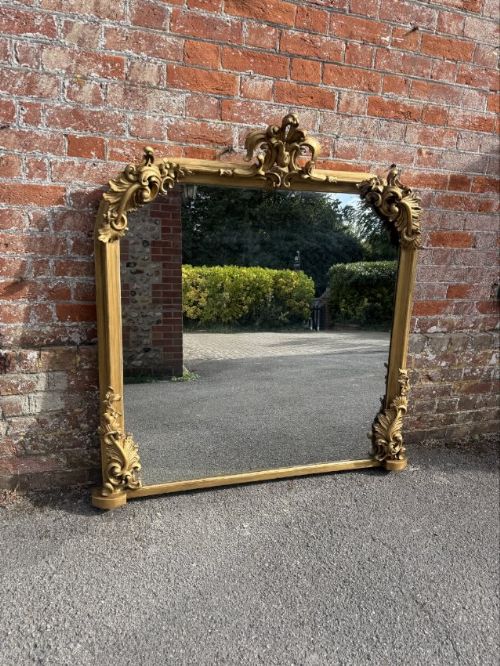
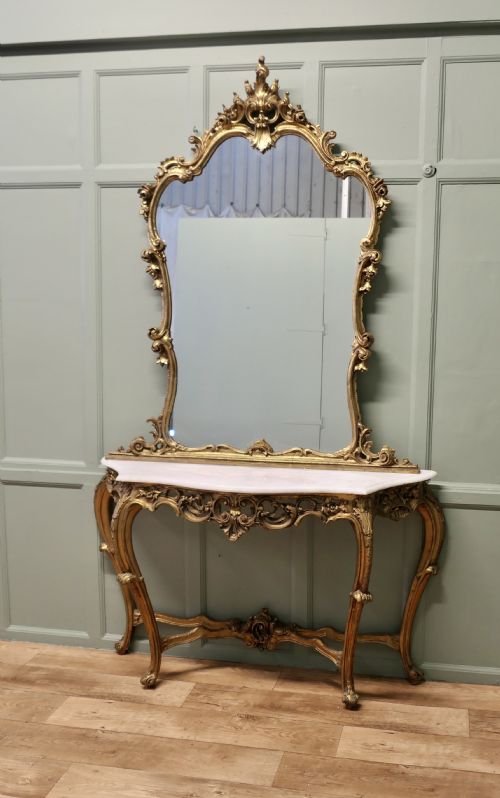
The format varies considerably across the collection, ranging from grand overmantel and pier mirrors designed for principal reception rooms to smaller wall-hanging girandoles and oval portrait frames. Many pieces incorporate original or antique mirror plates, while others feature triple plates or specialised carved timber and gesso construction.
The stylistic influences span French Rococo, Italian Florentine work, and English Chippendale interpretations. These objects served historically as functional reflective surfaces and decorative statements of status within grand domestic interiors.
Materials and construction
Carved giltwood forms the primary structural foundation for the finest frames, requiring skilled artisans to shape timber before applying intricate relief carving. Gesso is frequently applied over the wood substrate to build up crisp details and sharp contours before gilding takes place.
Gold leaf or composition leaf is meticulously laid over a prepared bole to achieve the characteristic metallic sheen, sometimes supplemented by painted or parcel gilt treatments. Mirror plates range from older mercury glass bearing natural foxing to antique bevelled glass.
A few antique frames retain centuries-old foxed mercury glass that still reflects distorted versions of long-gone drawing rooms.
Distinguishing quality in craftsmanship
The distinction between ordinary and exceptional examples lies chiefly in the depth, crispness, and vitality of the hand-carved ornamentation. Superior frames display deeply undercut foliage and organic asymmetry that feels fluid rather than mechanical.
The integrity of the original gilt surface and the preservation of the gesso ground beneath heavily influence the character of the piece. Master craftsmanship is further evidenced by the harmonious proportion between the expansive frame and the central reflective glass.
Thomas Chippendale
The Rococo Carved Gilt Mirror Glossary
- Giltwood
- Timber carved and subsequently covered in gold leaf. This material provides the lustrous metallic finish characteristic of high-status antique frames.
- Gesso
- A plaster-like mixture applied to wood frames to create a smooth base. Artisans carve and stamp directly into this layer to achieve fine ornamental detail before gilding.
- Overmantel
- A large mirror designed to hang specifically above a fireplace mantelpiece. These pieces often feature wide horizontal proportions or tall vertical formats tailored to period chimneypieces.
- Pier Mirror
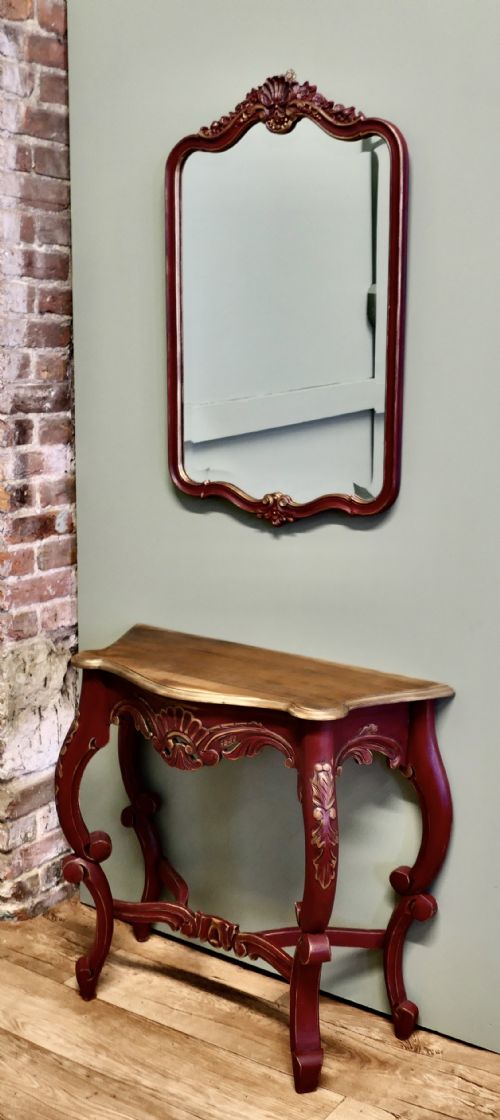
- A tall mirror intended for placement on the wall space between two windows. They frequently coordinate with matching console tables positioned directly underneath.
- Girandole
- A decorative wall mirror fitted with attached candle sconces or arms. The reflective glass enhances the ambient light cast by the candles.
Rococo Carved Gilt Mirror: Frequently Asked Questions
How do I date a gilt mirror?
Dating relies heavily on examining the construction of the wooden frame, the composition of the gesso, and the manufacturing characteristics of the mirror plate itself. Earlier eighteenth-century examples often exhibit hand-beveled edges and mercury backing, whereas nineteenth-century revivals display heavier cast composition or machine-rolled glass.
Secondary clues include the wood type visible on the reverse and the specific style of the carved motifs, which shift from restrained Georgian symmetry to flamboyant Victorian and Edwardian interpretations.
What is mercury glass?
Mercury glass refers to antique mirror plates produced by pouring a silvering amalgam containing mercury between two sheets of glass or onto a single blown globe. Over decades, this chemical process breaks down gracefully, creating characteristic dark spots and cloudy areas known as foxing.
Modern replacements lack this distinctive mottled appearance, making genuine mercury glass a key indicator of high age and authenticity in period wall mirrors.
How do I clean a giltwood frame?
Cleaning antique giltwood requires extremely gentle maintenance to avoid wearing away the delicate gold leaf and underlying gesso. Dusting should be performed strictly with a soft, dry ostrich feather duster or a clean, dry artist's brush.
Moisture, chemical cleaning sprays, and abrasive cloths must be avoided entirely, as liquid quickly damages water-gilded surfaces and lifts the historic metallic finish.