
Rococo Bronze Wall Lights
These rococo bronze wall lights bring swirling asymmetrical curves and warm metallic glow to interiors through French and Continental lighting designs.

Rococo Bronze Wall Lights
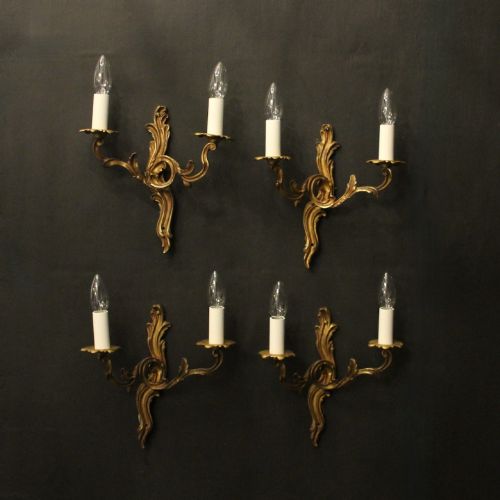
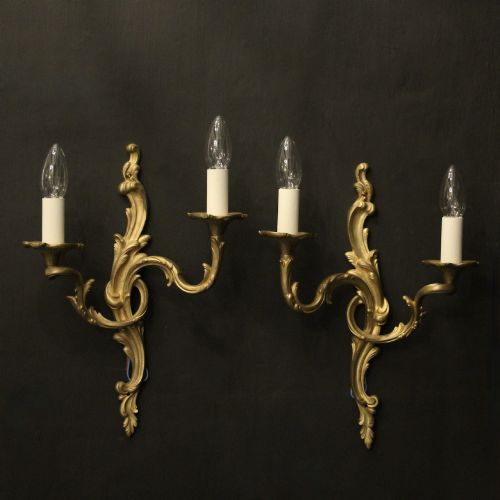
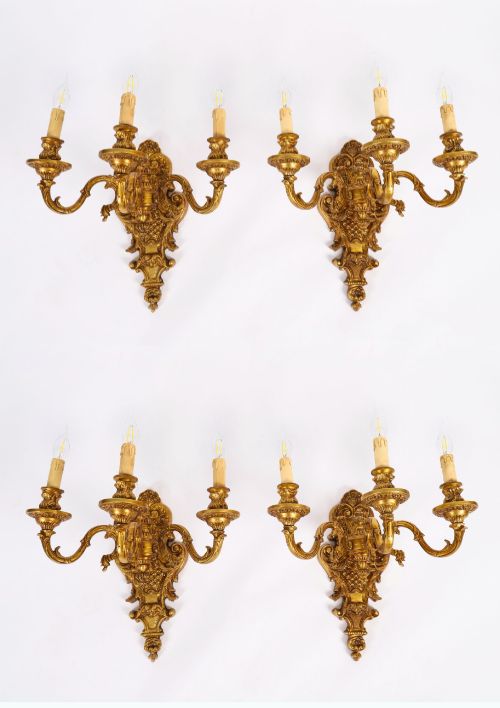
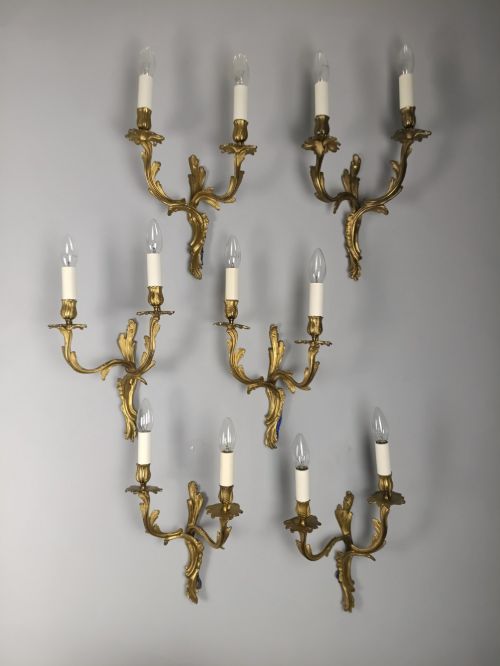
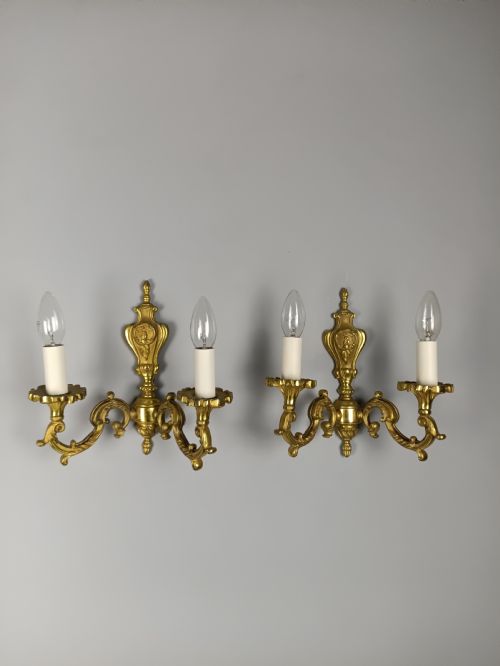
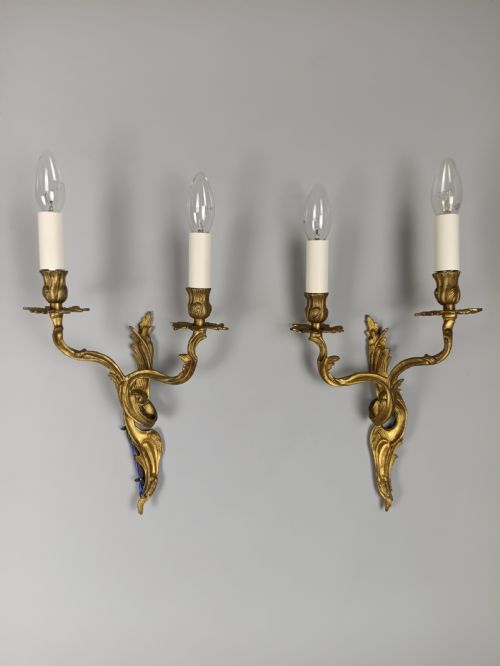
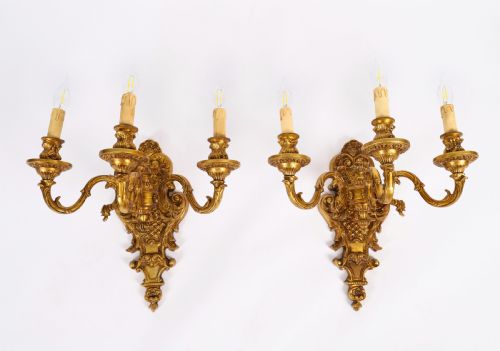
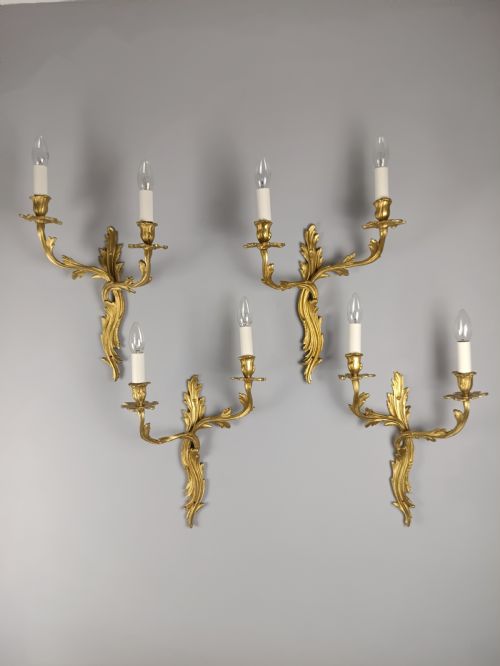
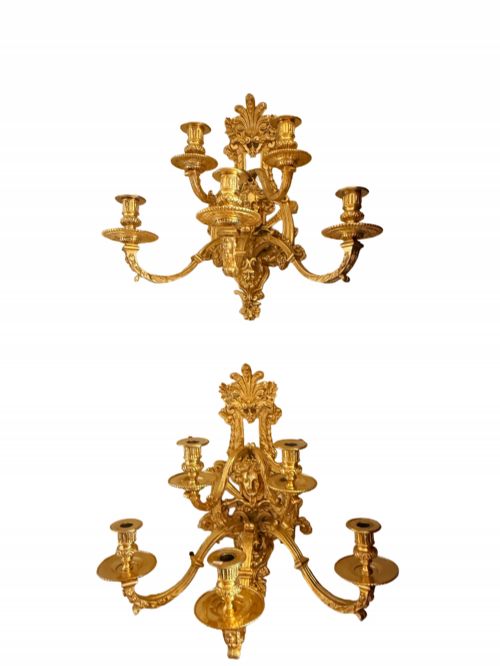
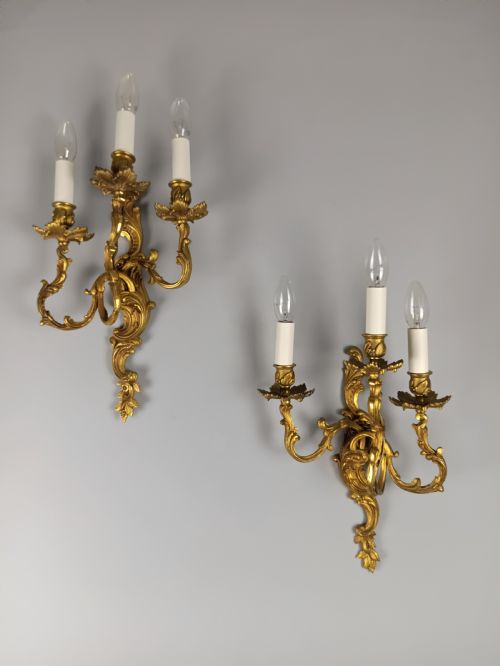
When searching for rococo bronze wall lights, buyers encounter ornate lighting fixtures designed to mount directly onto vertical surfaces. These pieces include wall lights, wall sconces, girandoles, and appliques originating mainly from French workshops across the eighteenth, nineteenth, and twentieth centuries.
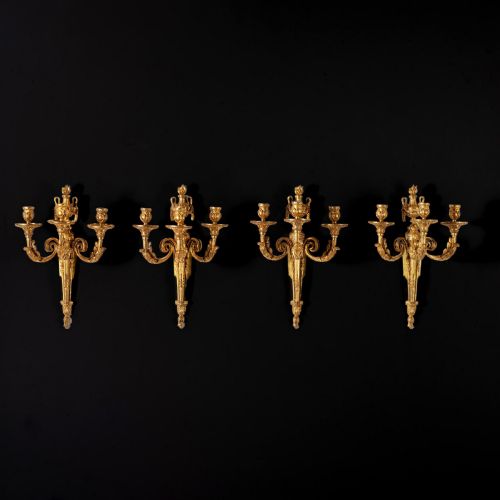
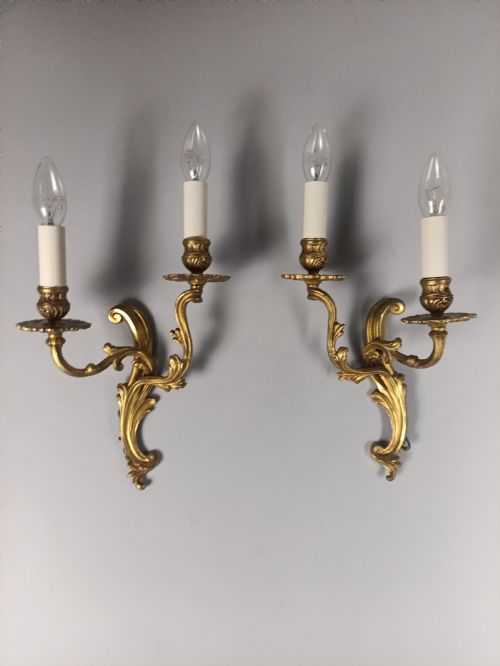
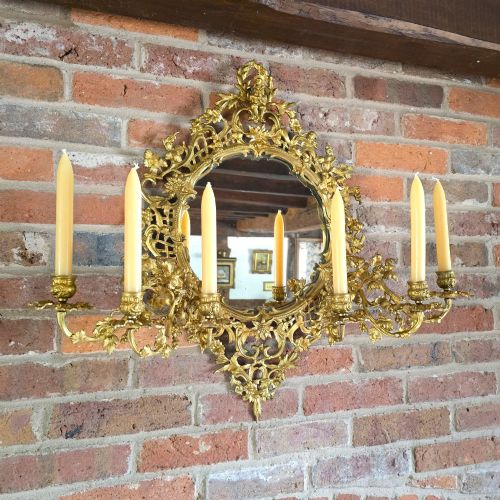
The most common examples on this page are twentieth-century interpretations, particularly from the 1930s, alongside nineteenth-century revivals and occasional eighteenth-century originals dating back to around 1770. Forms range from single-arm brackets to multi-branch candelabras carrying two, three, or six lights.
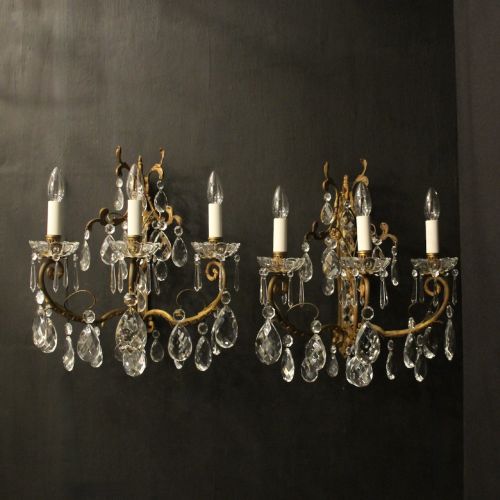
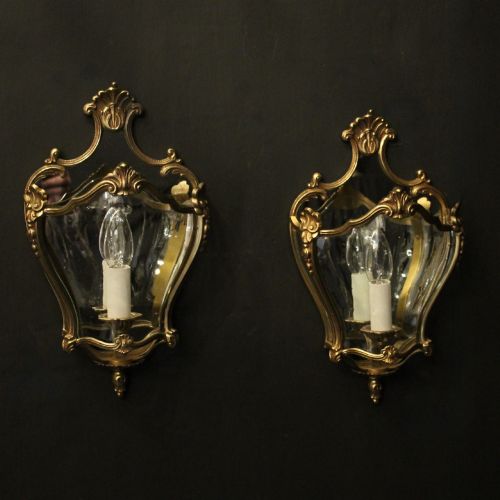
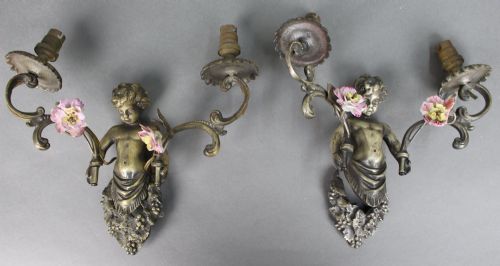
Stylistically, the selection draws heavily upon French Rococo, Louis XV aesthetics, and French Chateau designs. Pieces frequently incorporate decorative elements such as cherubs, porcelain flowers, mirrored backplates, and half-lantern formats.
How they were made
The fabrication of these fixtures relies heavily on cast metals, specifically brass, bronze, and ormolu, which provide the structural rigidity needed for complex branching arms. Artisans applied surface embellishments through gilding techniques, creating the characteristic layers of gilded bronze, gilt brass, and silver plating found across the inventory.
Many examples integrate delicate transparent components like glass and crystal pendants, drops, or mirrored panels to reflect illumination. Structural assembly typically combines cast components with threaded fixings and modern rewiring to ensure safe installation for contemporary domestic settings.
Rococo Bronze Wall Lights Retail Price Guide 2026
Typical asking prices for rococo bronze wall lights among the pieces listed under this phrase on Sellingantiques today, from the lower quarter to the upper quarter. They describe what is for sale here now, not the wider market.
Listings span periods from the eighteenth century to 1930, utilising materials including crystal, ormolu, and gilt brass.
What varies in quality
Quality in these lighting fixtures depends significantly on the crispness of the casting and the depth of the chased surface detail. Finer examples display deeply articulated acanthus leaves, scrolls, and figural elements with sharp definition, whereas simpler productions show softer contours.
The choice of finishing materials also distinguishes tiers of craftsmanship, with heavy fire-gilded ormolu surfaces retaining a warmer, more durable lustre than standard applied coatings. Furthermore, the symmetry of the branching arms and the integration of high-grade crystal or porcelain elements indicate higher standards of period manufacture.
The Rococo Bronze Wall Lights Glossary
- Ormolu
- A technique of applying finely ground high-carat gold to a bronze base, historically using a mercury amalgamation process. This finish provides a distinctive warm golden glow that resists tarnishing over centuries.
- Applique
- A wall-mounted lighting fixture designed to hold candles or electric lamps, often featuring a decorative backplate that reflects light into the room. The term is frequently used interchangeably with wall sconce.
- Girandole
- A branched wall light or candelabrum, typically incorporating a mirrored backplate designed to multiply the ambient illumination from candles. These fixtures often feature crystal pendants that catch and refract light.
- Louis XV Style
- An artistic movement characterised by asymmetrical scrollwork, naturalistic shell motifs, and curving serpentine lines. This aesthetic forms the decorative foundation of the rococo revival pieces seen here.
- Candelabra
- A branched lighting fixture holding multiple light sources from a single mounted base. In these listings, they appear as twin-arm, triple-arm, and six-branch configurations.
Rococo Bronze Wall Lights: Frequently Asked Questions
How do I install antique wall lights safely?
Most period wall lights require professional mounting to ensure the heavy metal or bronze backplates anchor securely into wall studs or masonry. Many fixtures are already rewired and ready for installation by a qualified electrician.
Ensure that the electrical box supports the weight of multi-branch ormolu and crystal designs. Modern wiring inside antique frames allows for safe integration into domestic circuits.
What is the difference between ormolu and gilt bronze?
Ormolu specifically denotes high-quality mercury gilding applied to a bronze substrate, producing a rich and enduring golden finish. Gilt bronze and gilded brass refer more broadly to any bronze or brass object coated with gold leaf, paint, or electroplated finish.
Historical pieces from the eighteenth and nineteenth centuries often feature genuine ormolu, while later revival pieces may utilise other forms of metallic gilding.
Can I use modern bulbs in these sconces?
Rewired antique sconces typically accommodate standard modern candle bulbs or SES fittings chosen to match the scale of the drip pans. LED candle bulbs work particularly well because they emit minimal heat and preserve delicate historic materials.
Consult an electrician regarding wattage limits to protect vintage internal wiring and original socket sleeves.
How do I distinguish an original eighteenth-century piece?
Eighteenth-century examples, such as those from the Louis XV period around 1770, display hand-chased bronze work and construction methods specific to early metal casting. They often feature heavier components and patination accumulated over centuries of handling.
Nineteenth and twentieth-century revivals replicate these forms closely, but examination of the assembly screws, chasing quality, and metal composition reveals the later production date.