



Rococo Base Candlesticks
Rococo base candlesticks are curvaceous, flamboyant lighting supports that bring dramatic scrolling ornamentation and asymmetrical flair to a traditional interior scheme.
Rococo Base Candlesticks
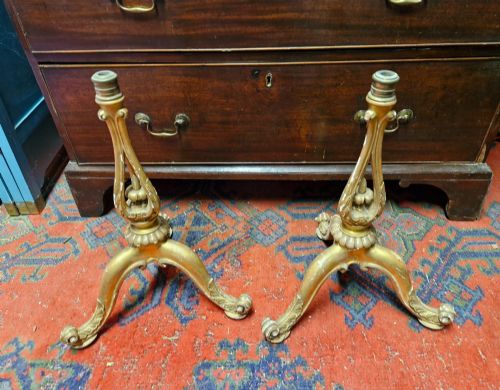
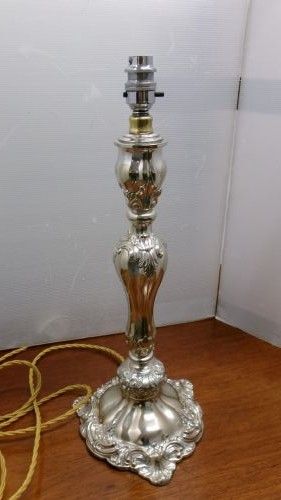
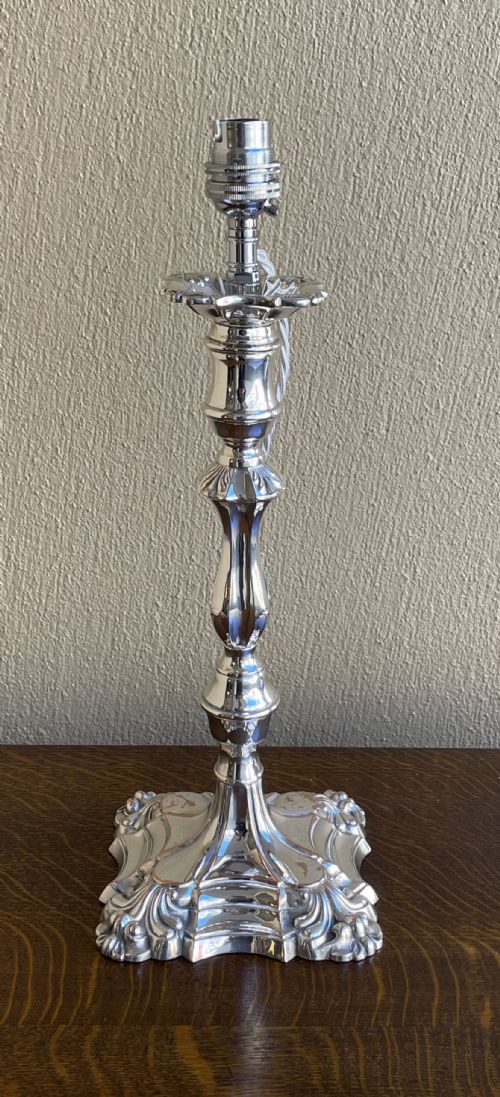
When you search for rococo base candlesticks, you are looking at ornate lighting supports distinguished by lively scrollwork, naturalistic foliage, and asymmetrical forms. The pieces available range from eighteenth-century Georgian examples to nineteenth-century revival items produced in various European workshops.
You are most likely to encounter pairs of nineteenth-century candlesticks and candelabra featuring cast metal bases alongside later conversions to table lamps. These items incorporate sculptural figures including putti and cherubs standing upon elaborate, undulating platforms.
The selection encompasses diverse object types including standard candlesticks, multi-branch candelabra, and dedicated lamp bases. Materials span from traditional cast brass and ormolu to porcelain figures and carved giltwood.
How they were made
The metal examples rely on complex sand casting or lost-wax techniques to achieve deeply sculpted, fluid scrollwork and figural elements. Gilt bronze, ormolu, and brass are frequently chased by hand after casting to sharpen the fine details of the foliage and ornamentation.
Porcelain variants involve detailed mould-making and delicate hand-painting, combined with fired ceramic glazes and applied floral details. Wooden versions utilise hand-carving methods finished with applied layers of silver leaf or gold gilding.
Current listings feature items spanning the eighteenth, nineteenth, and early twentieth centuries, including Edwardian and Victorian revival pieces.
What varies in quality
The integrity of the original surface finish dictates value, with well-preserved fire gilding or original patination standing far above later re-plating. Furthermore, the weight and stability of the supporting marble or metal base indicate the standard of construction.
John Cafe·Sitzendorf·Derby Porcelain
The Rococo Base Candlesticks Glossary
- Ormolu
- Gilt bronze created by applying a mercury and gold amalgam to a bronze base and heating it. This historic French technique produces a rich, durable golden finish found on fine revival pieces.
- Candelabra
- A branched candlestick designed to hold multiple candles simultaneously. These pieces often feature a central stem flanked by detachable or fixed arms.
- Putto
- A plump, naked male child figure frequently depicted as a cherub in classical and revival art. They appear often on nineteenth-century bronze and marble bases.
- Baluster
- A moulded column with a swollen lower portion, commonly supporting the nozzle. This architectural form provides structural balance to ornate scrolling feet.
- EPNS
- Electroplated nickel silver, a base metal coated with a thin layer of silver using electrolysis. This process became widespread during the Victorian era for domestic metalware.
Rococo Base Candlesticks: Frequently Asked Questions
How do I date these candlesticks?
Dating relies on examining the casting techniques, wear patterns, and material composition alongside any stylistic markers. Eighteenth-century pieces typically display hand-finished chasing and specific maker marks, whereas nineteenth-century revival items often utilise heavier sand casting.
Secondary clues include the type of fixings, screws, and the natural ageing of underlying metals like brass or bronze. Comparing the piece to documented examples from periods like the Georgian or Victorian eras helps confirm its exact decade of origin.
Are these suitable for daily use?
These pieces function well for daily lighting provided you handle them with reasonable care. Metal and ceramic examples are structurally robust, though delicate applied porcelain flowers or thin silver leaf require gentle cleaning.
Many period candlesticks have been professionally converted into table lamps to suit modern living. Ensure any electrified wiring is checked by a qualified electrician before plugging them in at home.
How do I clean gilt bronze safely?
Cleaning requires only a very soft, dry microfiber cloth to remove dust from the intricate recesses of the scrollwork. Avoid all abrasive metal polishes, chemical dips, and excessive moisture, which can strip away the historical gilding.
If the piece has accumulated stubborn grime, consult a professional conservator rather than attempting aggressive DIY cleaning. Preserving the original surface patination is essential for maintaining the integrity of the object.
What is the difference between ormolu and brass?
Ormolu specifically refers to cast bronze that has been gilded with a mercury-gold mixture, producing a warm, deep golden lustre. True ormolu was heavily utilised in high-end French decorative arts during the eighteenth and nineteenth centuries.
Brass is a copper and zinc alloy that presents a brighter yellow tone and is typically polished to a high shine without a gold layer. While brass can be cast just as intricately, it lacks the distinct historical surface treatment of genuine ormolu.