

Rococo Desk
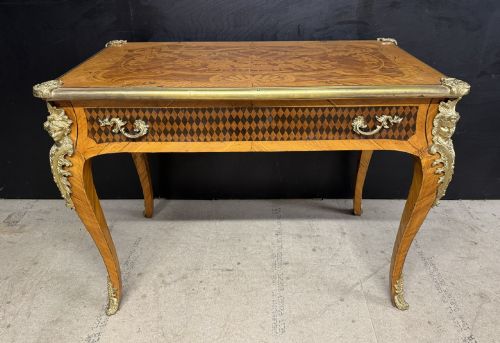
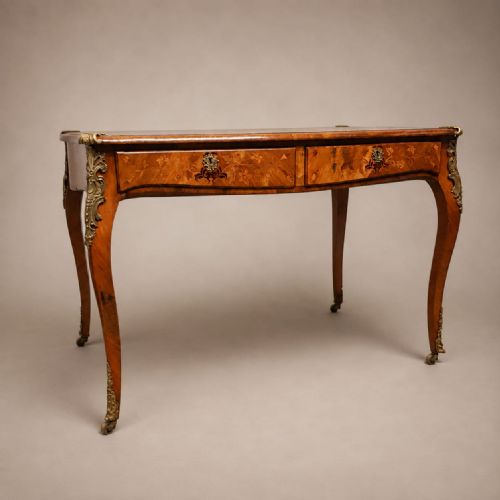
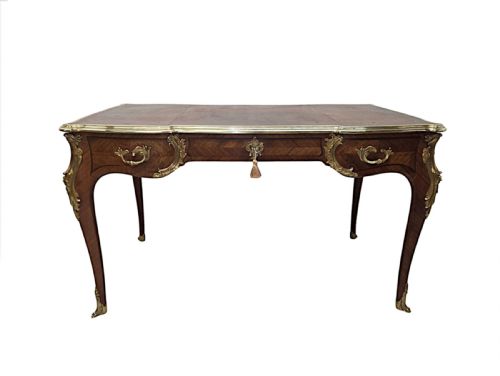
A rococo antique desk offers serpentine lines, floral marquetry and ormolu mounts, bringing fluid French design into a study.
Rococo Desk
A rococo antique desk brings together serpentine forms, floral marquetry and elaborate mounts from eighteenth and nineteenth century periods.
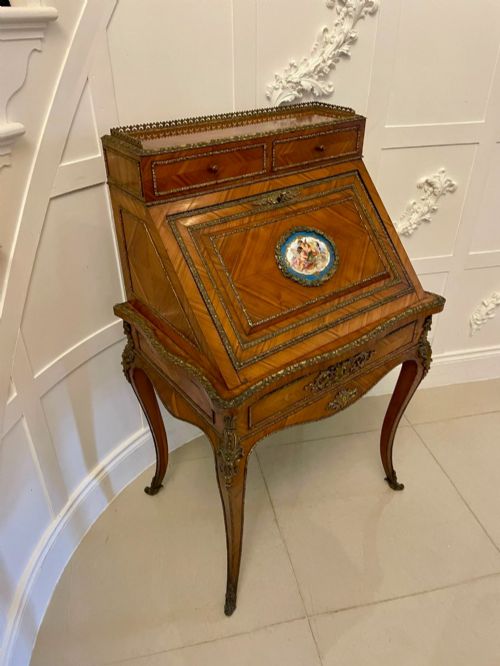
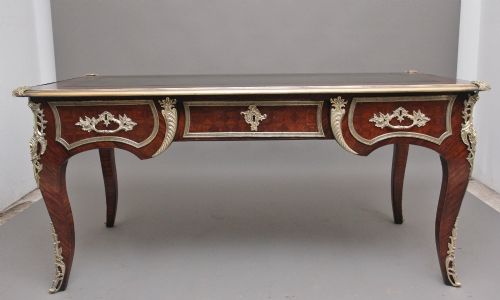
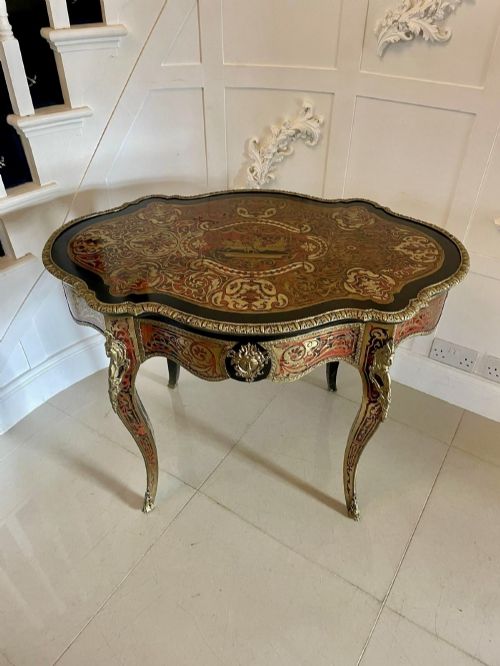
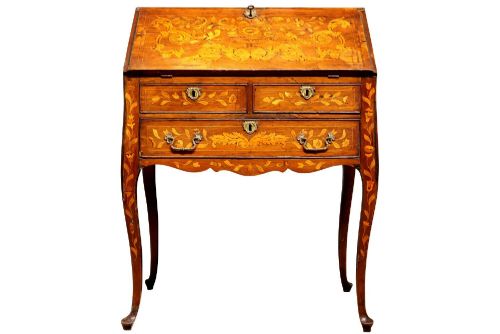
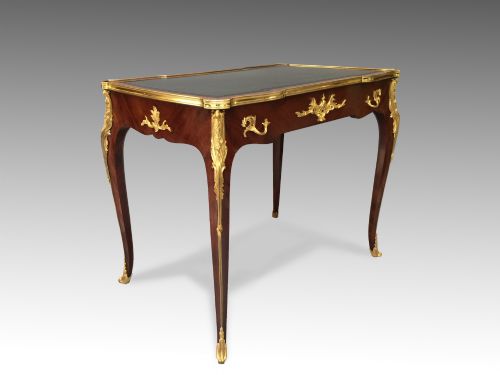
Buyers seeking a rococo antique desk will frequently encounter bureau plat writing tables and fall front bureaux originating from French revival workshops.
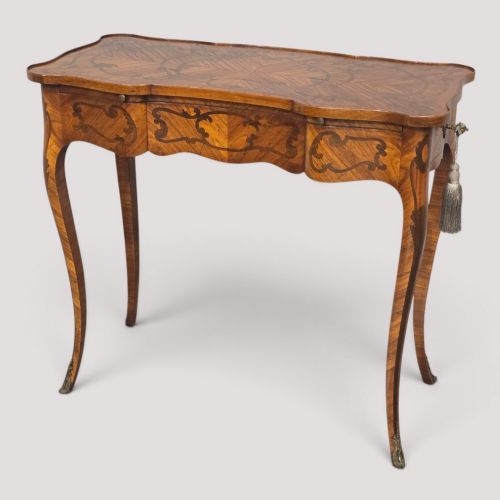
The selection ranges from compact writing tables with delicate parquetry to larger walnut and kingwood bureau plat examples.
How they were made
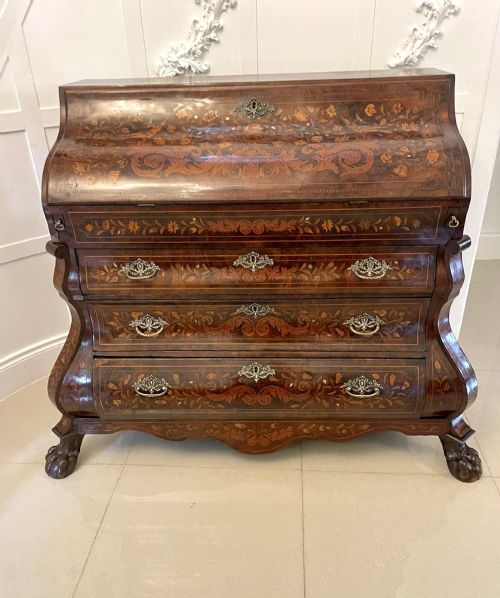
Cabinet makers utilised dense hardwoods such as walnut, kingwood and satinwood as the foundation for intricate floral marquetry and parquetry patterns.
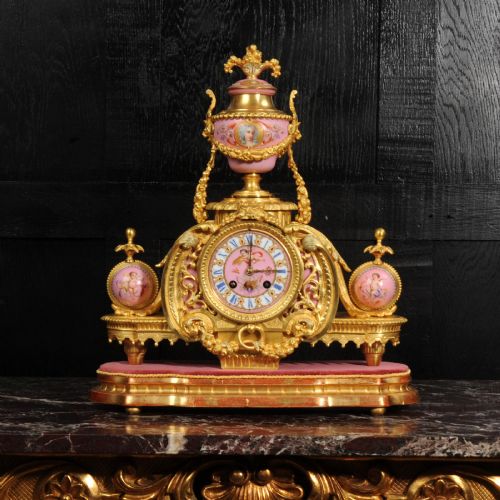
Ormolu and gilt bronze mounts were cast, chased and fire gilded before being fitted to the curved contours of the timber frames.
Leather writing surfaces were often tooled and gilt, inset into the top of bureau plat designs alongside glass and porcelain details.
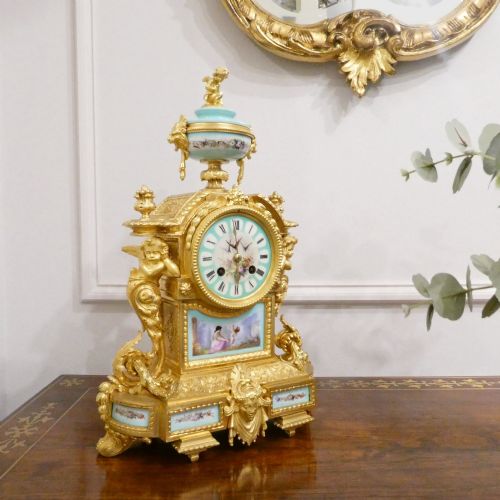
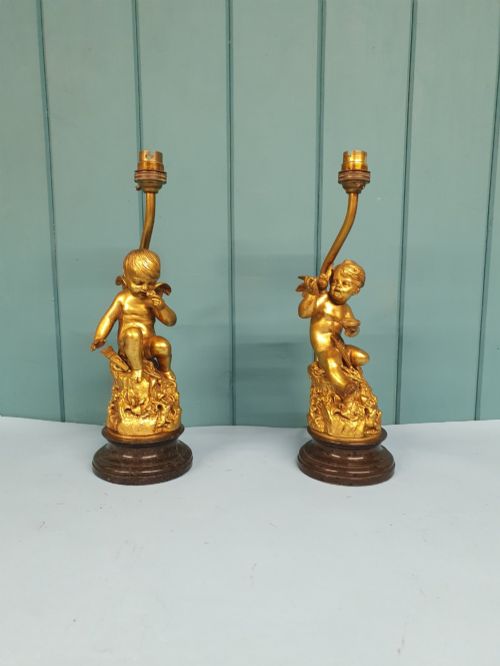
A surprising number of these nineteenth century French desks share shelf space with cheeky cast brass cherubs and elephant shaped clocks.
What varies in quality
The refinement of the ormolu mounts dictates much of the visual success, separating sharply cast bronze work from softer, later castings.
Marquetry execution distinguishes finer pieces through the careful selection of contrasting veneers to build naturalistic floral motifs without gaps.
Structural integrity within the serpentine shaping and the crispness of the hand carved details separate ordinary production from workshop masterpieces.
François Linke·Edwards and Roberts·Achille Brocot·Durand·CH Jeanselme and Co
The Rococo Desk Glossary
- Ormolu
- Gilt bronze applied as decorative mounts to furniture and clocks. It provides a bright metallic contrast against dark timber veneers.
- Bureau plat
- A flat topped freestanding writing table with drawers in the frieze. This form gained popularity in France during the eighteenth century.
- Marquetry
- Veneers arranged in pictorial patterns across wooden surfaces. Cabinet makers used various stained woods to depict floral and geometric designs.
- Parquetry
- Geometric wood inlay forming repeating patterns across a table top or drawer front. It creates an orderly contrast to flowing floral marquetry.
- Serpentine
- A curved line that bends outward then inward in a continuous wave. This contour defines much of the movement in rococo furniture design.
Rococo Desk: Frequently Asked Questions
What is a bureau plat?
A bureau plat is a freestanding writing table finished on all sides so it can sit in the middle of a room rather than against a wall.
These tables typically feature several drawers in the frieze and a leather inset writing surface bordered by ormolu mounts.
How do I identify French revival pieces?
French revival pieces adopt the curved forms and decorative vocabulary of earlier royal periods while utilising nineteenth century construction methods.
Look for machine cut veneers combined with hand chased ormolu and secondary timbers typical of Victorian and later European workshops.
What woods were used?
Cabinet makers relied on exotic and domestic timbers including kingwood, walnut, satinwood, tulipwood and rosewood for their rich grain patterns.
These hardwoods provided stable surfaces for intricate marquetry pictures and accepted polished finishes well.
Are these desks practical?
These desks suit daily writing and laptop use provided the working height and knee clearance match modern seating requirements.
Leather insets offer a stable writing plane while drawers provide storage for stationery and small items.