



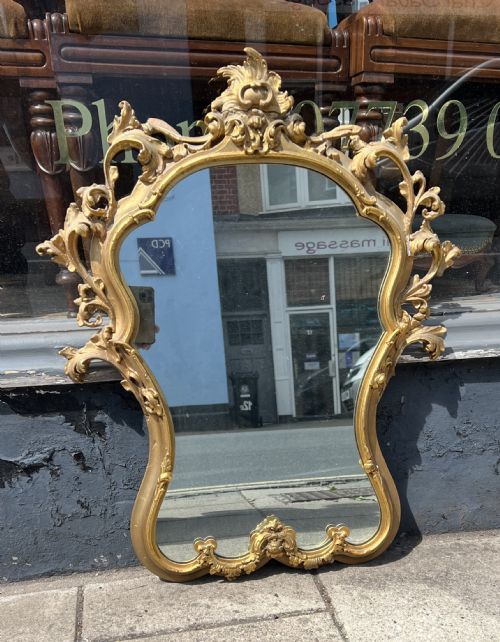


Rocaille Carved Frame
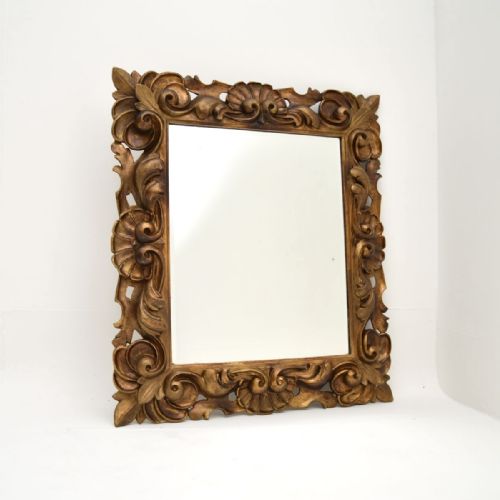
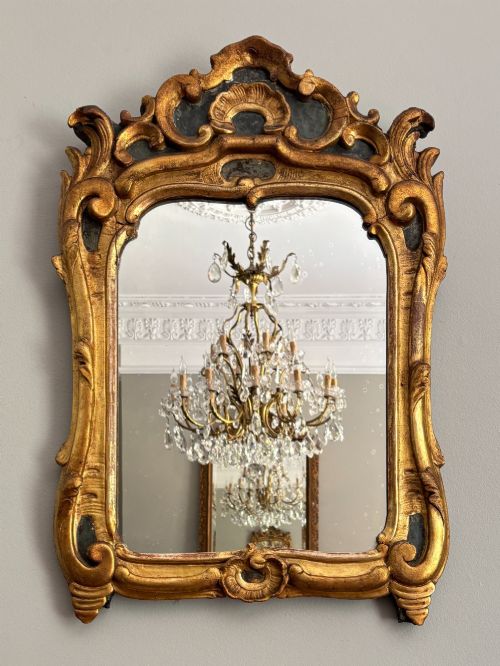
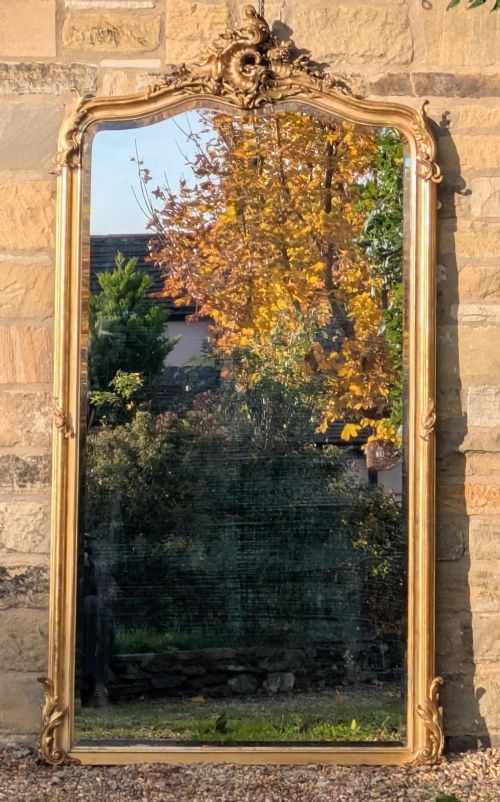
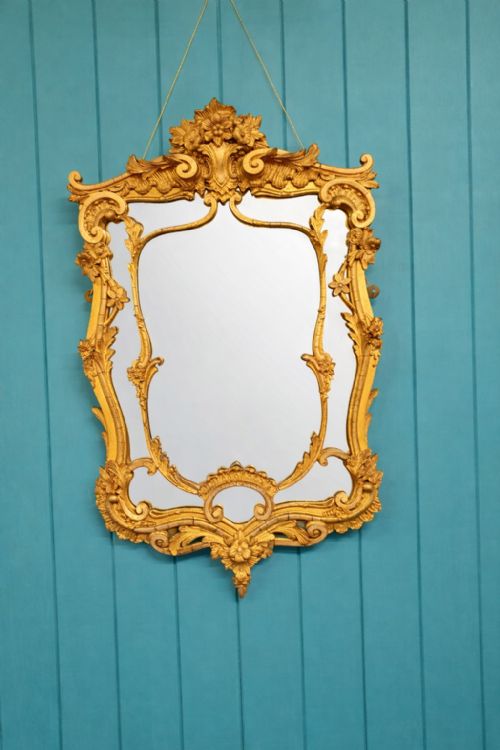
A rocaille carved frame brings undeniable French flair to a room, framing mirrors and beds with extravagant asymmetry and organic curves.
Rocaille Carved Frame
When you search for a rocaille carved frame, you enter a world of exuberant French design spanning the eighteenth century through to the early twentieth century. These pieces predominantly manifest as large wall mirrors and grand beds, drawing heavily on French Rococo, Louis XV, and Louis XVI styles.
You are most likely to encounter nineteenth-century revival pieces on this page alongside eighteenth-century originals. Wall mirrors dominate the selection, shaped with characteristic asymmetry, scrolls, and shell motifs.
The aesthetic is unapologetically ornate, designed to catch the light and command attention in a room. Whether finished in gold leaf, paint, or exposed carved timber, each piece reflects the enduring appeal of Rococo ornamentation.
Materials and construction
Makers shaped timber and applied gesso to build up the heavy, sweeping reliefs characteristic of the style. This plaster-like mixture allowed craftsmen to carve intricate, flowing scrolls and asymmetrical motifs before gilding or painting the surface.
Giltwood and gold leaf feature prominently, catching the light across the intricate woodwork of these frames. Where gold leaf is absent, silver-gilt, paint, or polished timber such as walnut reveals the underlying structure of the frame or bed.
Rocaille Carved Frame Retail Price Guide 2026
Typical asking prices for rocaille carved frame among the pieces listed under this phrase on Sellingantiques today, from the lower quarter to the upper quarter. They describe what is for sale here now, not the wider market.
One grand bed listed here previously starred on screen in the second series of The Great, bringing a touch of television royalty straight to the bedroom.
Assessing quality and craftsmanship
Quality rests in the depth and crispness of the carving, where hand-tooled gesso and timber show confident undercut scrolls rather than soft, moulded relief. The distinction lies in how sharply the shell and leaf motifs are defined against the background.
The handling of the gilding or paint finish further separates the output, with finer pieces displaying layered gold leaf that ages with a rich, warm luminosity. Structural integrity in large formats, particularly on grand beds and massive wall mirrors, demands robust joinery hidden beneath the decorative surface.
The Rocaille Carved Frame Glossary
- Rocaille
- A French term describing shell-work and pebble ornamentation, which forms the foundation of Rococo design. It relies on asymmetrical, scroll-like curves derived from nature.
- Gesso
- A plaster mixture applied to carved wood as a smooth base for gilding or painting. It allows craftsmen to achieve sharp, intricate relief details.
- Giltwood
- Timber that has been decorated with gold leaf or gold paint. This finish creates a luminous, reflective surface highly prized in French mirrors.
- Louis XV Style
- A decorative aesthetic defined by flowing asymmetry and natural motifs. It emerged during the eighteenth century and saw numerous revivals in the nineteenth and twentieth centuries.
- French Rococo
- An artistic movement characterised by elaborate ornamentation, C-scrolls, and serpentine lines. It rejects strict symmetry in favour of organic, fluid forms.
Rocaille Carved Frame: Frequently Asked Questions
What periods do these frames date from?
The listings span from the eighteenth century through to the early twentieth century. Eighteenth-century pieces sit alongside nineteenth-century revival items and later twentieth-century examples.
This broad timeline means you will find authentic period antiques alongside later interpretations that capture the exact same decorative spirit.
How were these frames constructed?
Craftspeople carved timber and applied layers of gesso to build up the intricate, flowing reliefs. Gold leaf, paint, or silver-gilt was then applied to finish the surface.
This combination of carved wood and gesso allowed makers to achieve the deep, sweeping scrolls characteristic of the style.
How do I identify the style?
Look for characteristic French Rococo and Louis XV design elements such as C-scrolls, asymmetry, and shell motifs. The carved frames embrace organic, flowing curves rather than rigid geometry.
Revival pieces from the nineteenth century faithfully replicate these eighteenth-century motifs using traditional materials like gesso and giltwood.