


River Scene Canvas Painting
When you search for river scene canvas painting, you enter a rich tradition of pastoral, urban and maritime views preserved in oil and pigment.
River Scene Canvas Painting
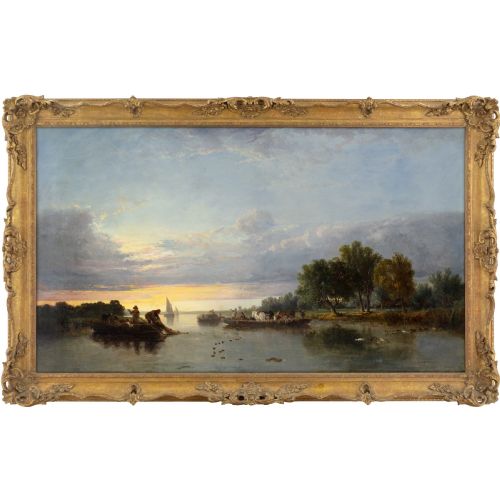
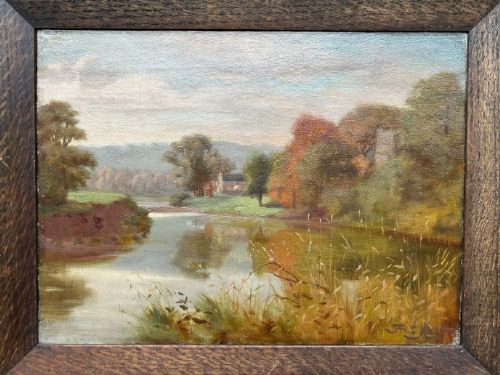
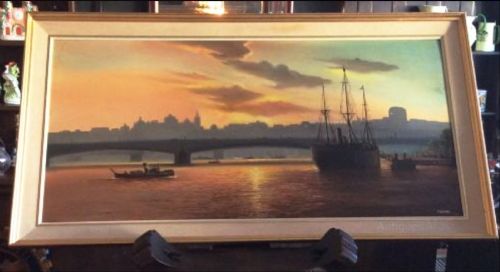
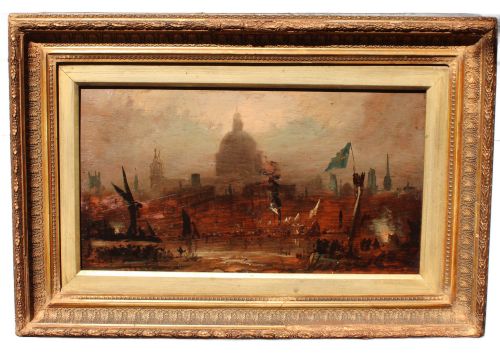
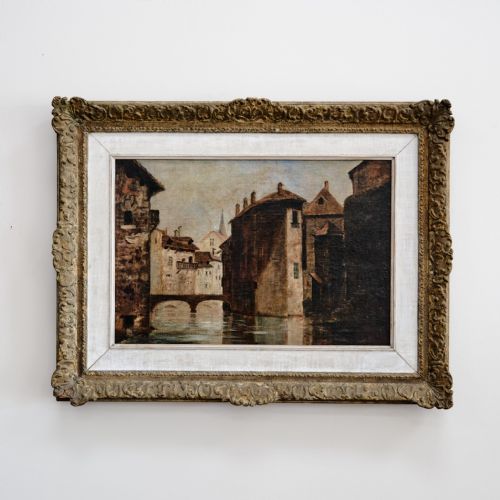
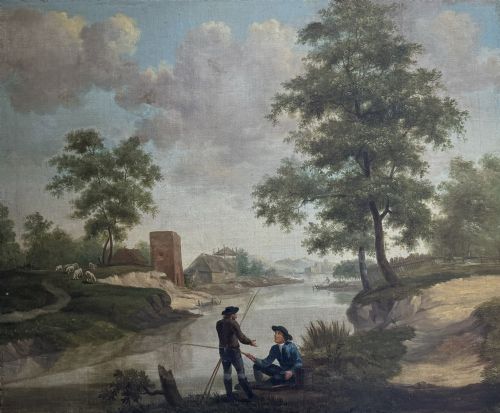
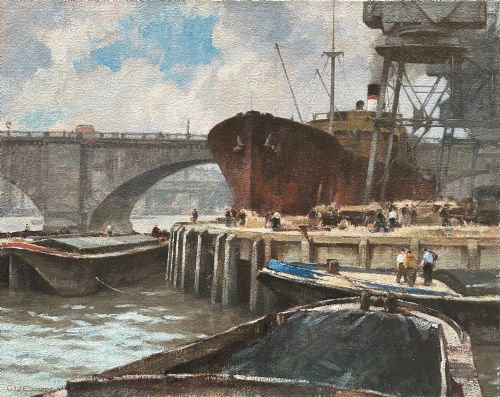
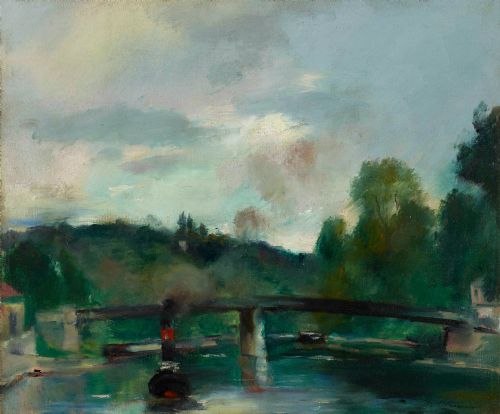
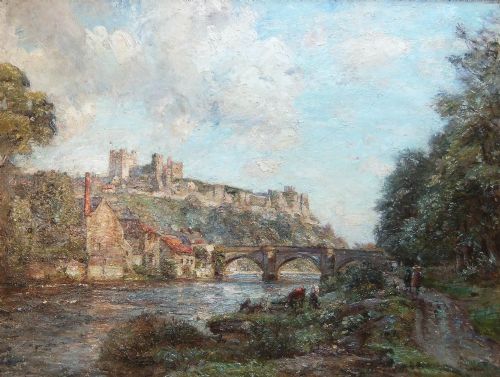
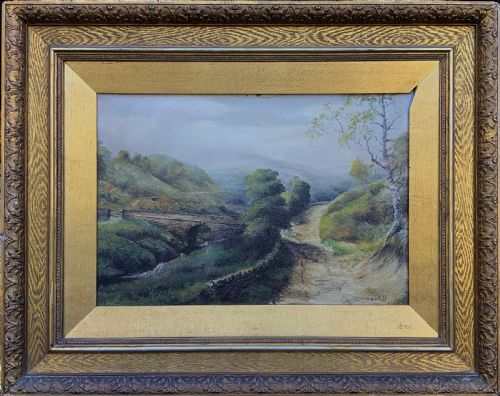
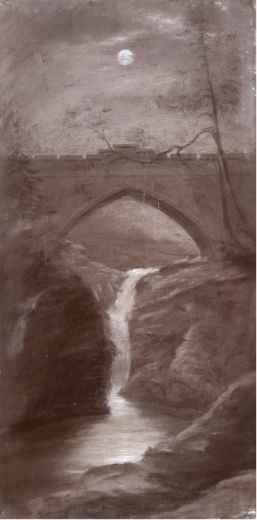
A river scene canvas painting captures flowing water, bridges, barges and rural banks through the eyes of British, French, Dutch and Flemish artists. These works span from the early nineteenth century through the Edwardian era and into mid-twentieth-century impressionism.
You will encounter panoramic London views of the Thames, quiet Scottish streams, French country waterways and Dutch frozen landscapes. The selection ranges from intimate oil studies on board to large framed compositions on stretched canvas.
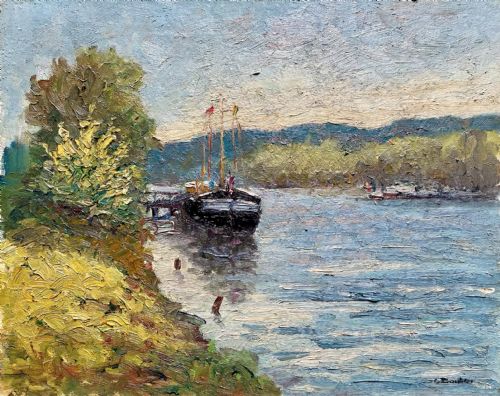
Mannerisms vary from romantic pastoral depictions to post-impressionist brushwork, reflecting how different schools approached natural light and reflection across the decades.
How they were made
Painters applied oil paint directly onto prepared canvas or wooden boards, frequently building texture with gesso underneath. Brushstrokes range from tight academic precision in nineteenth-century works to looser, rapid application in later impressionist pieces.
Many surviving examples retain their period giltwood frames, which protect the outer edges of the canvas and complement the warm tones of the pigments used for sunset and woodland scenes.
Listings feature works spanning the eighteenth century, Victorian era, Edwardian period, and mid-twentieth-century impressionism on canvas, board, and wood.
What varies in quality
Quality rests in the handling of light on water and the surety of the drawing rather than the mere age of the canvas. Finer works capture atmospheric depth and spatial perspective with confident brushwork, avoiding stiff or formulaic composition.
The integration of the painted surface with an appropriate period frame elevates certain examples above standard decorative pieces from the same decade.
Kenneth Cozens·George Graham·Frederick Marriott·Albert Bierstadt·Herbert Royle·Henry H Parker·Thomas Spinks·Robert Gallon
The River Scene Canvas Painting Glossary
- Gesso
- A plaster-like mixture applied to canvas or wood to create a smooth, stable surface for oil painting. It prevents the oil paint from rotting the raw textile fibres.
- Giltwood
- Wood carved and coated with a thin layer of gold leaf or metallic gilt. It frequently frames nineteenth-century landscape paintings.
- Post-Impressionism
- An art movement extending French and British impressionist techniques with bolder brushwork and expressive colour. Artists in this tradition prioritized emotional resonance over strict optical realism.
- Pastoral
- A style of painting depicting idealized rural life, typically featuring rivers, cottages, figures fishing, and placid countryside views.
River Scene Canvas Painting: Frequently Asked Questions
How do I date an oil painting?
Examine the preparation of the canvas, the composition style, and any artist signatures or inscriptions recorded on the reverse. Framing materials also provide reliable clues to the decade of creation.
Comparing brushwork techniques against documented works from specific schools helps narrow the period further.
Where should I hang a canvas painting?
Select an interior wall away from direct sunlight, excessive moisture, and fluctuating heat sources like radiators. Oil paint on canvas responds poorly to damp conditions and extreme temperature shifts.
Ensure the hanging hardware matches the weight of both the canvas and its protective wooden frame.
What is the difference between an oil study and a finished painting?
Oil studies were typically executed rapidly outdoors to capture fleeting light effects, resulting in looser brushwork and smaller formats. Finished paintings were more calculated studio works intended for exhibition.
Both forms appear frequently in historical landscape collections.
How do I identify British School works?
British School pieces often depict recognizable national landmarks, rivers such as the Thames or the Severn, and distinct regional weather patterns. Signatures may be absent if the work was produced collaboratively or anonymously within a regional workshop.
Stylistic comparisons with documented nineteenth-century British artists aid attribution.