

Revival Library Table
A revival library table brings heavy historical presence to a study, built to handle weighty folios and daily correspondence with solid dignity.
Revival Library Table
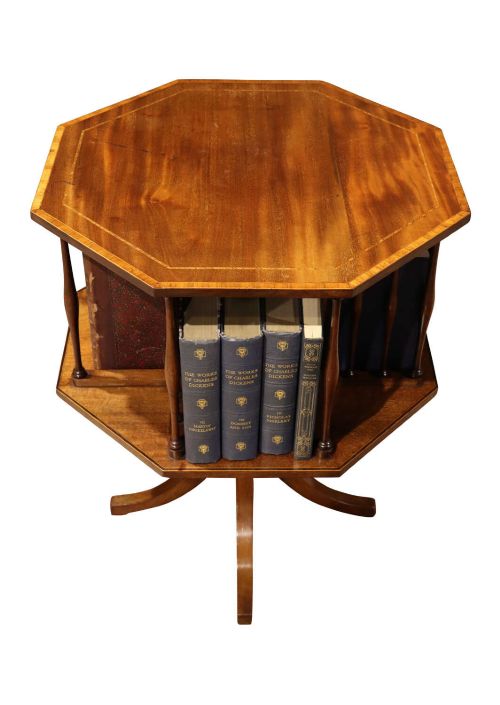
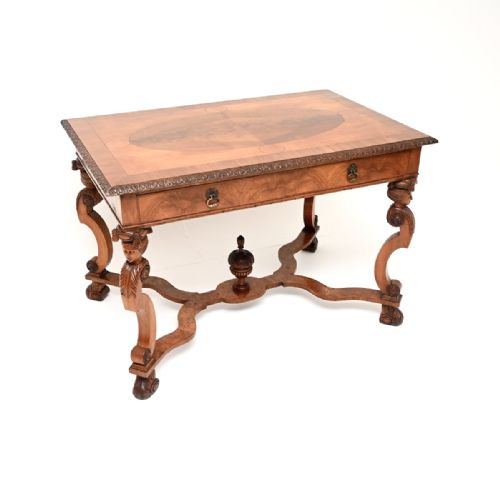
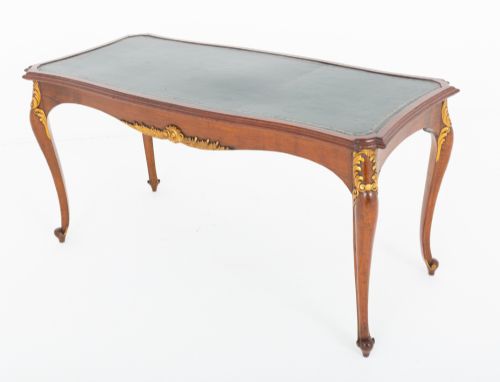
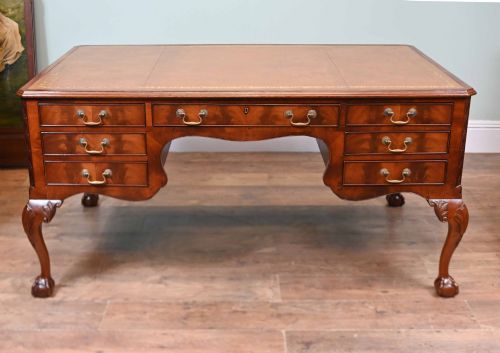
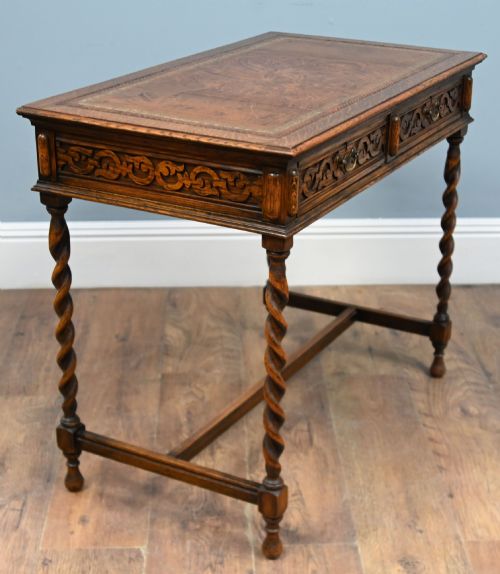
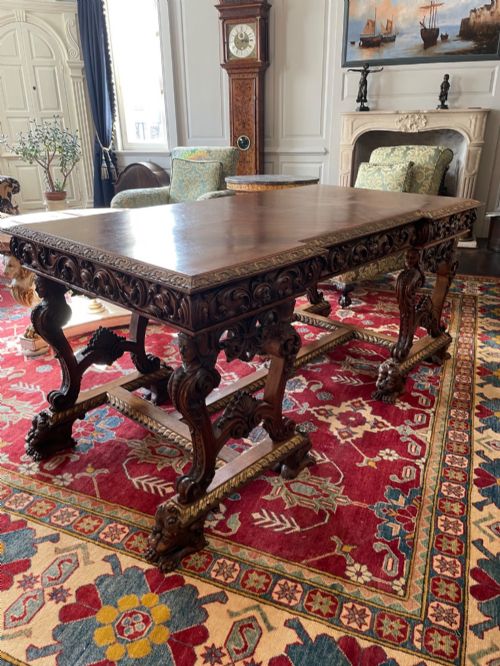
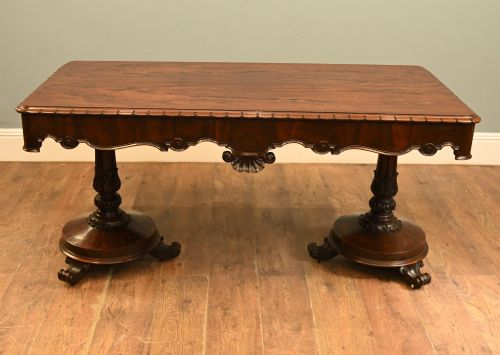
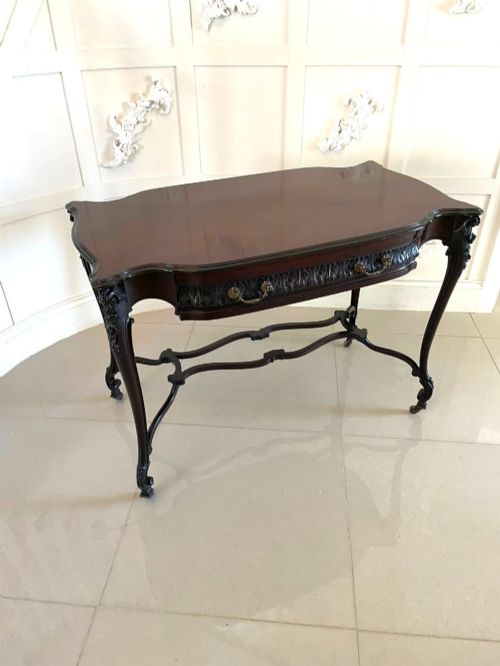
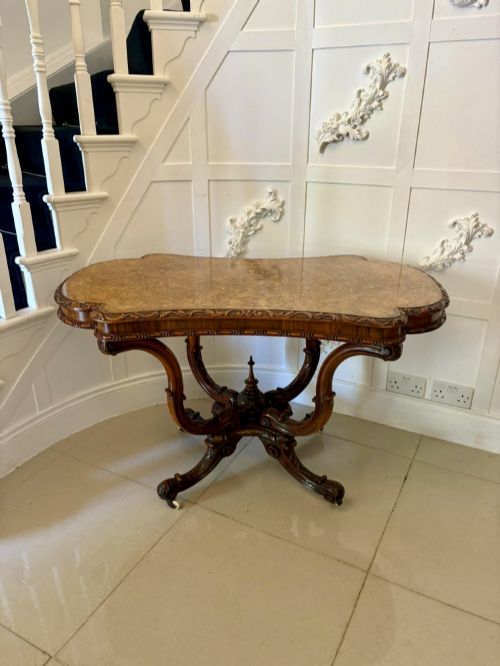
A revival library table is a substantial piece of furniture designed for study and writing, drawing inspiration from earlier historical eras such as the Gothic, Jacobean, and Louis XV periods. These tables frequently appear in nineteenth century and Edwardian incarnations, reflecting the Victorian appetite for historical revivals in domestic interiors.
Materials and construction
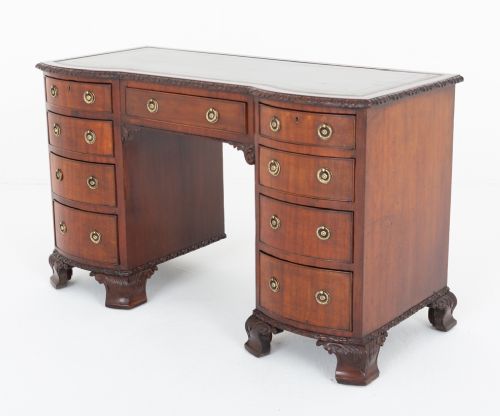
Cabinet makers utilised dense hardwoods such as oak, mahogany, walnut, and rosewood to build these resilient library tables. Structural elements often incorporate heavy timber framing, visible grain, and robust joints designed to bear substantial weight.
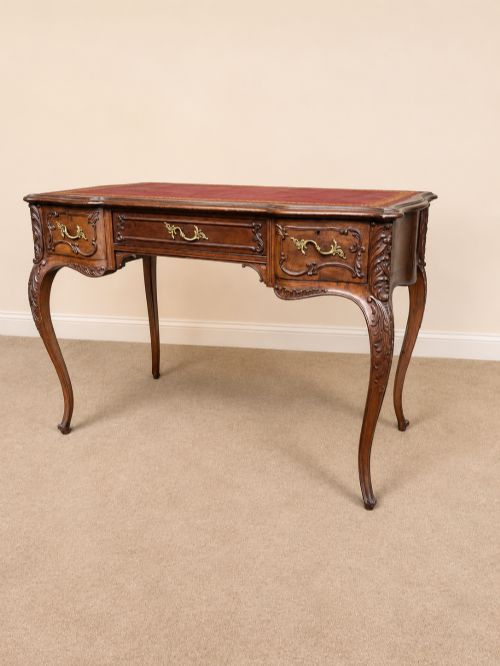
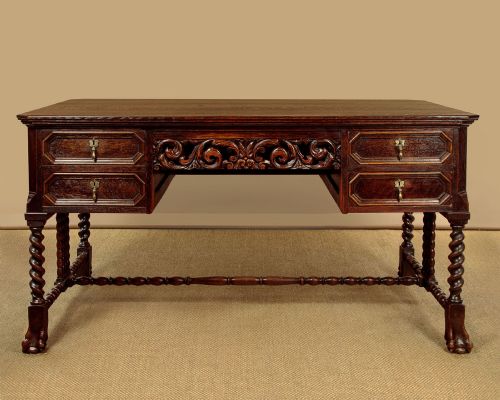
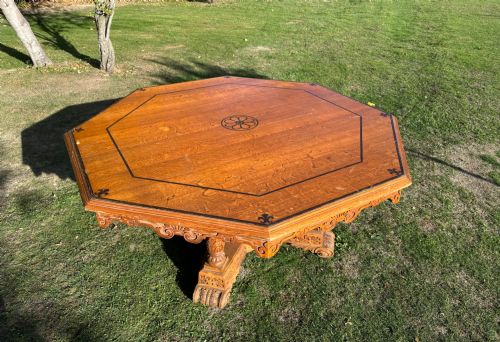
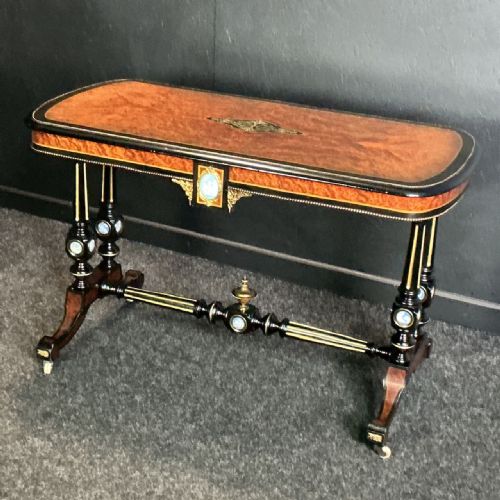
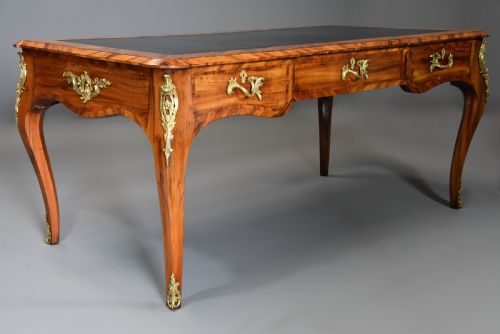
Surface ornamentation relies on traditional techniques including hand carving, parquetry, marquetry, and brass mounts. Inset leather writing panels, frequently tooled with gold leaf, provide a durable and tactile surface for daily correspondence.
Revival Library Table Retail Price Guide 2026
Typical asking prices for revival library table among the pieces listed under this phrase on Sellingantiques today, from the lower quarter to the upper quarter. They describe what is for sale here now, not the wider market.
Listings feature oak, mahogany, walnut, and rosewood tables spanning from the mid-nineteenth century through the Edwardian era.
Degrees of quality
The quality of a revival library table depends heavily on the depth and crispness of the hand carving, alongside the selection of timber. Superior examples display carefully chosen burr veneers or deeply figured solid woods rather than plain, uniform planks.
Internal construction and secondary timbers also separate standard production from superior workshops. Finely made pieces show meticulous attention to drawer linings, dovetail joints, and balanced proportions when viewed from any angle in a room.
CH Jeanselme and Co·Donald Ross·James Shoolbred of London·Edward and Roberts
The Revival Library Table Glossary
- Bureau plat
- A type of freestanding French writing desk, typically featuring multiple drawers and a leather inset top. It originated during the eighteenth century but appears frequently in later revival forms.
- Partners desk
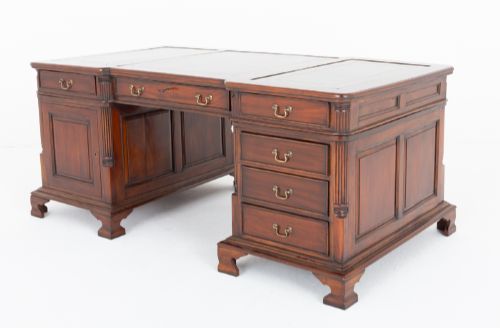
- A large double-sided writing table designed for two people to work opposite one another, incorporating drawers and cupboards on both faces. These pieces were standard fixtures in institutional libraries and large administrative offices.
- Gothic Revival
- An architectural and decorative style drawing on medieval forms, featuring pointed arches, tracery, and heavy carved oak. This aesthetic dominated much of the nineteenth century.
- Parquetry
- A geometric mosaic of wood pieces used for decorative surfaces on tables and desks. The technique creates intricate patterns using contrasting tones of timber.
- Barley twist
- A type of turned furniture leg shaped to resemble a spiralling rope or column. It is commonly found on seventeenth-century pieces and nineteenth-century Jacobean revival furniture.
Revival Library Table: Frequently Asked Questions
What defines a library table?
A library table is a heavy, freestanding desk or centre table traditionally used for reading large volumes and storing writing materials. These pieces are finished on all sides so they can sit in the middle of a room rather than against a wall.
They often incorporate drawers beneath the top and durable leather writing surfaces designed to withstand heavy daily use.
How do I date a revival piece?
Dating a revival table requires examining the secondary timbers inside the drawers, the method of joint construction, and the style of the hardware. Nineteenth-century makers frequently combined historical motifs with contemporary industrial techniques.
Tool marks, screw types, and the ageing of the wood help distinguish an original nineteenth-century revival piece from later twentieth-century reproductions.
Where should I place a centre table?
A centre table works best in an open space where its finished sides and carved details can be appreciated from every angle. Many owners place them in the middle of a study, hallway, or drawing room as a focal point.
Because these tables are finished all round, they do not need to anchor against a wall, making them ideal for dividing large rooms.
How do I care for leather desk inserts?
Leather writing surfaces require regular dusting with a dry cloth and occasional treatment with specialist leather balms to prevent cracking. Avoid placing hot mugs or excessive moisture directly onto the leather.
Proper conditioning keeps the material supple and preserves the subtle gold tooling often found around the border.