

Revival Carved Chair
A revival carved chair brings historical drama into a room, using deep timber relief and period revival motifs to anchor a space with distinct historic character.
Revival Carved Chair
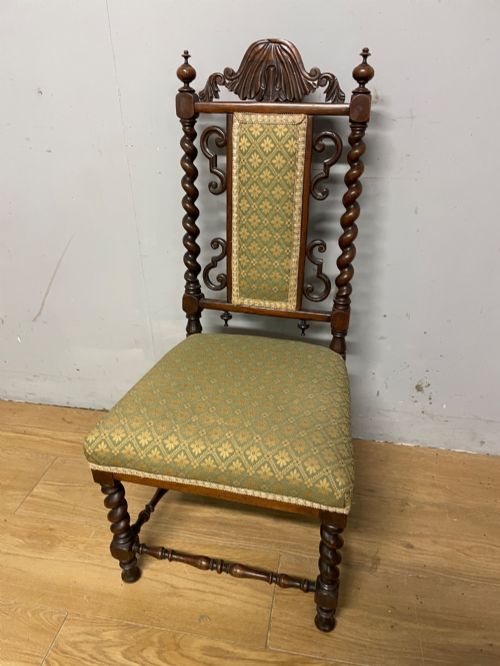
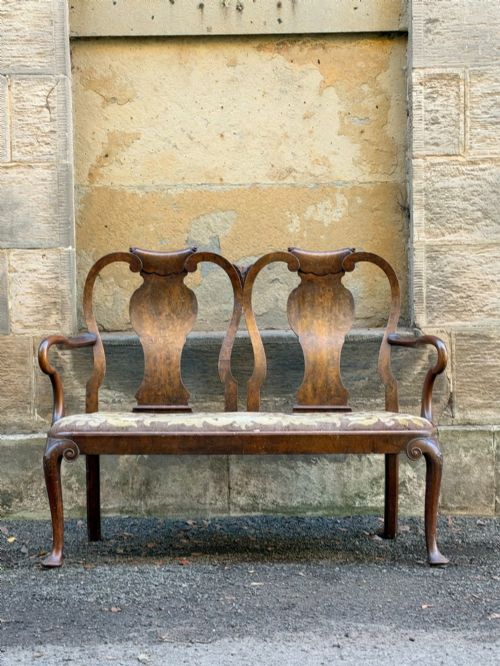
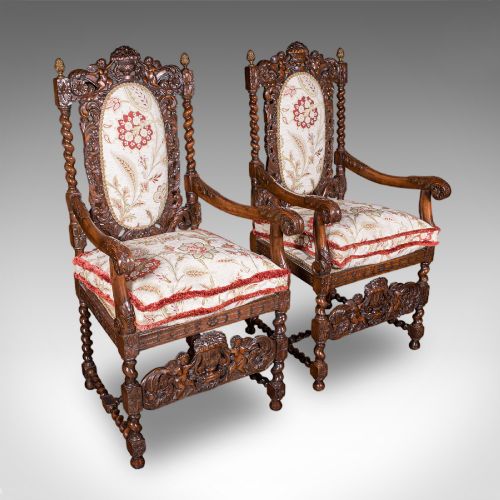
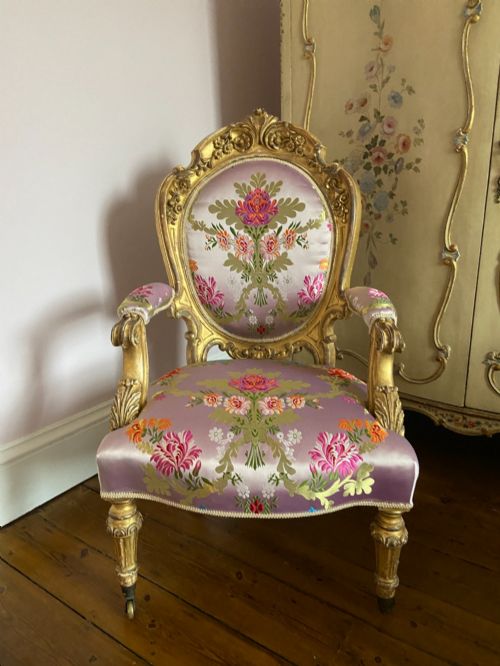
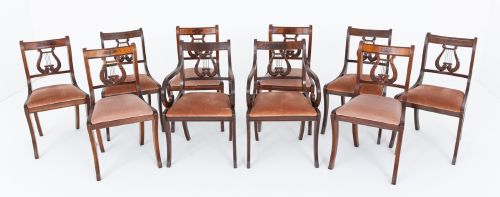
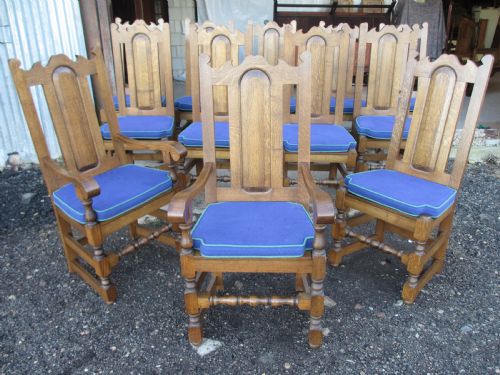
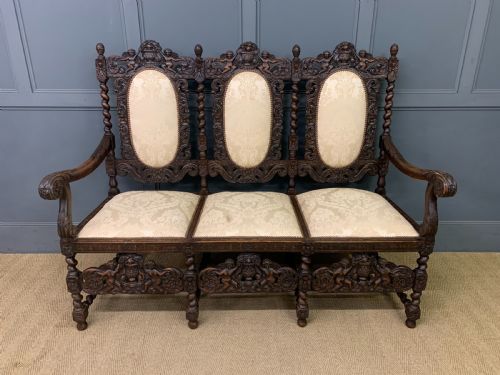
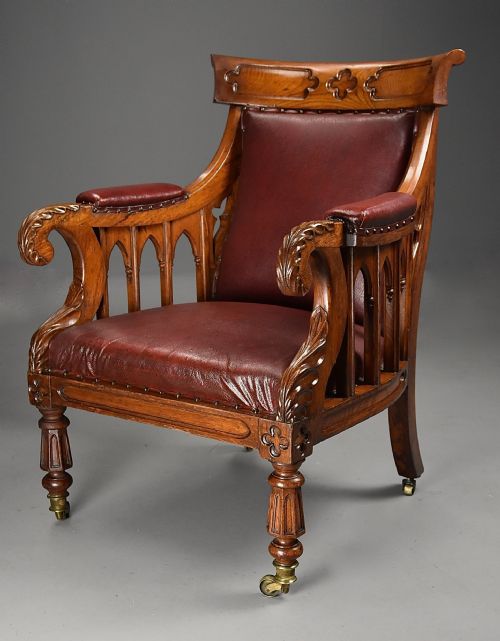
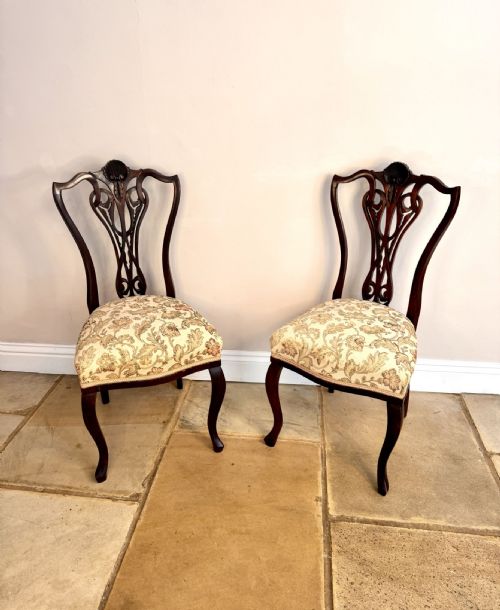
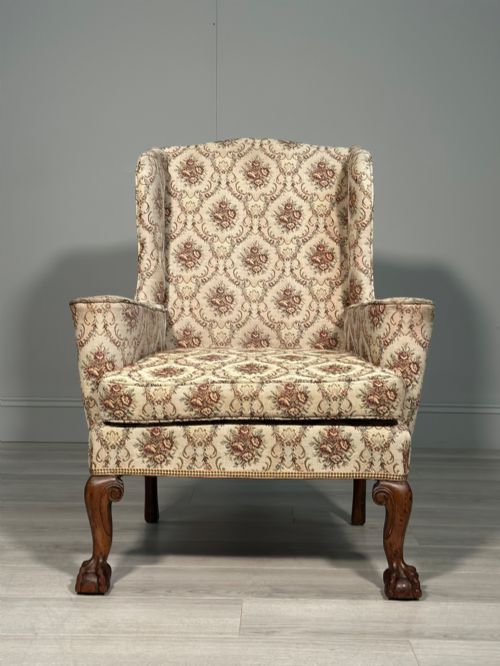
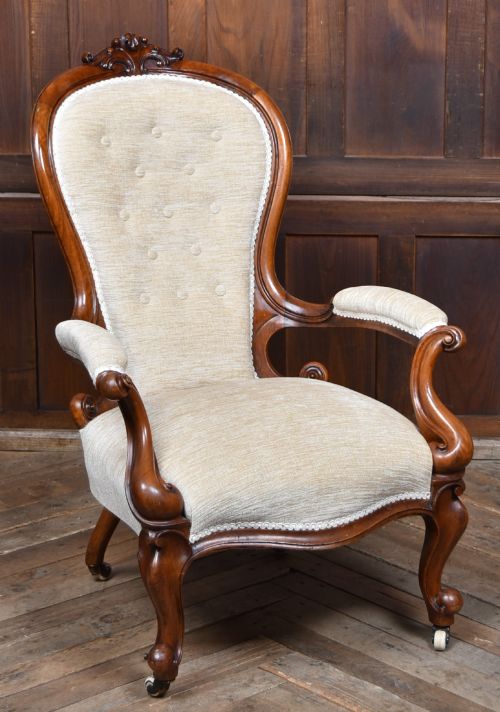
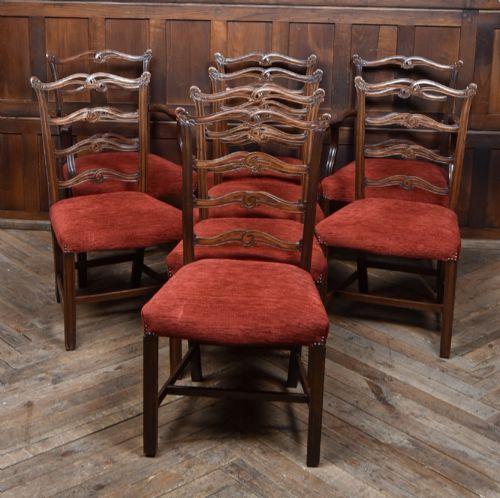
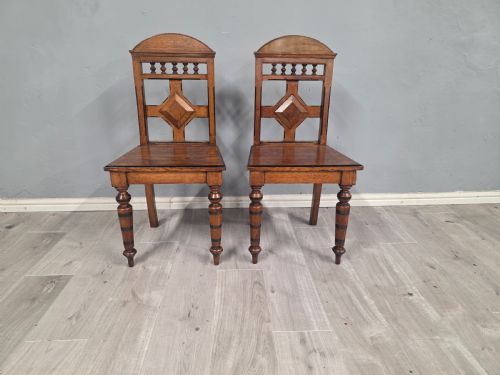
A revival carved chair draws on historical design movements from earlier centuries, reinterpreted by makers during the Victorian, Edwardian, and early twentieth-century periods. When searching for a revival carved chair, buyers encounter a wide spectrum of seating forms, ranging from sturdy oak hall chairs and high-backed dining sets to library armchairs and upholstered salon seats.
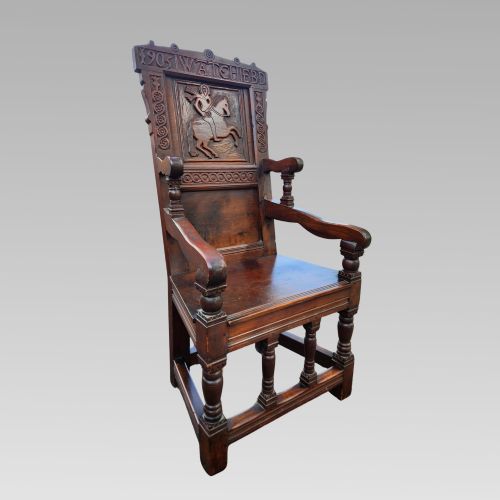
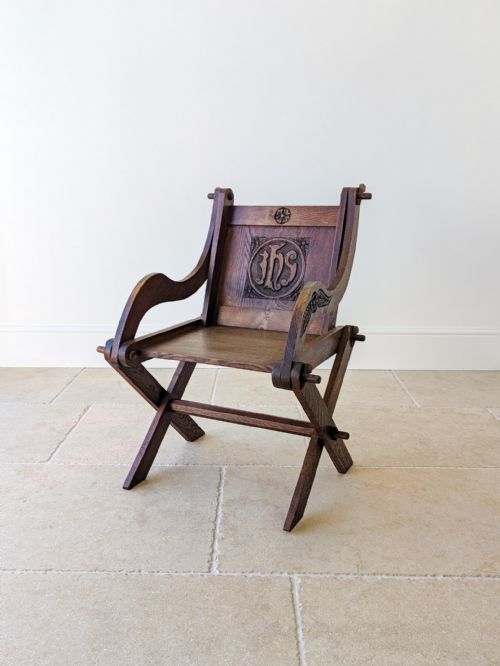
The pieces on this page heavily reflect Victorian and Edwardian revivals of Gothic, Jacobean, Rococo, and Chippendale styles. Oak and walnut dominate the offerings, often shaped into specific regional forms like baronial armchairs or Glastonbury seats.
Dining chairs appear frequently in sets, while armchairs and hall chairs emerge as single statement pieces or matched pairs. The historical inspiration spans centuries, yet the construction methods and timber treatments remain firmly rooted in nineteenth and early twentieth-century workshops.
How they were made
Makers utilised solid timbers such as oak, mahogany, walnut, and rosewood, selecting heavy woods that could withstand deep chisel work and elaborate relief carving. Grain patterns in walnut and oak were chosen to complement the sweeping scrolls and linenfold or barley twist details characteristic of Jacobean and Gothic revivals.
Structural joints relied on traditional mortise and tenon construction, reinforced where necessary to support high backs and generous proportions in library and hall seating. Frames were frequently enriched with applied mouldings, turned spindles, or gilded details on giltwood and rosewood frames.
Upholstered versions integrated supportive webbing and springs beneath layers of horsehair or stuffing, then secured top covers of leather, fabric, or velvet using brass tacks. Detail work such as mother-of-pearl inlay or revolving mechanisms on desk chairs added mechanical and visual complexity to the finished seating.
Revival Carved Chair Retail Price Guide 2026
Typical asking prices for revival carved chair among the pieces listed under this phrase on Sellingantiques today, from the lower quarter to the upper quarter. They describe what is for sale here now, not the wider market.
Listings feature revival carved chair forms in oak, mahogany, walnut, and rosewood across Victorian and Edwardian periods.
What varies in quality
The depth, crispness, and relief of the hand-carving separate standard production from exceptional examples, as skilled carvers created crisp acanthus leaves, sharp linenfolds, and well-defined figural elements rather than soft, rounded edges. The choice and figure of the primary timber also dictate the visual weight of the piece, with dense, highly figured walnut and quarter-sawn oak commanding stronger presence.
Proportion and scale distinguish finer works, particularly in large library armchairs and dining sets where the balance between heavy carved backs and supporting legs must remain harmonious. Structural integrity relies on the tightness of the joinery and the original integrity of the timber frame rather than subsequent bracing.
The quality of secondary elements, from heavy brass casters and inlaid mother-of-pearl to the grade of original leather or velvet upholstery, completes the distinction between ordinary seating and master-carved statement pieces.
Gillows·Bruce James Talbert
The Revival Carved Chair Glossary
- Barley twist
- A turned wooden furniture leg or stretcher carved in a spiral resembling a twisted barley sugar stick. This decorative turning appears frequently on nineteenth-century oak dining chairs and tables.
- Gothic Revival
- An architectural and decorative style drawing inspiration from medieval forms, featuring pointed arches, tracery, and heavy carved woodwork. It heavily influenced Victorian library and hall seating.
- Glastonbury chair
- A low-armchair with an X-form underframe and a sloped panel back, based on an ancient ecclesiastical design. Edwardian workshops reproduced these sturdy oak seats for domestic interiors.
- Spoon-back
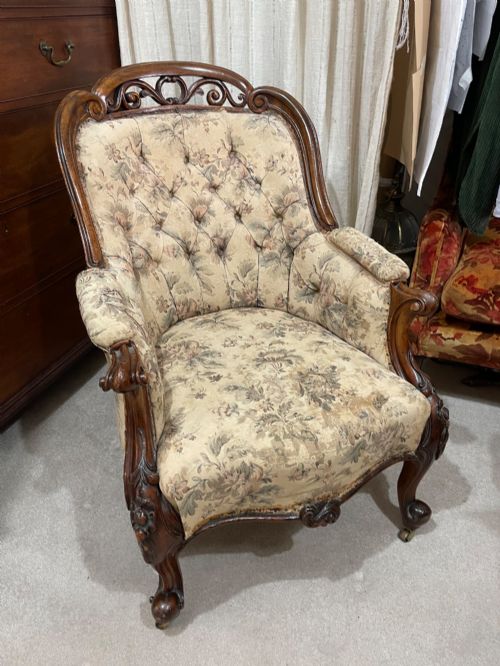
- An upholstered chair back shaped in a concave oval resembling the bowl of a spoon to fit the human spine. This ergonomic contour is characteristic of Victorian walnut parlour and salon seating.
- Wainscot
- A heavy wooden chair style constructed with panelled backs and solid timber seats, reminiscent of sixteenth-century domestic furniture. Revival versions utilise thick oak and baronial carving.
Revival Carved Chair: Frequently Asked Questions
How do I identify a revival chair from an original piece?
Revival chairs typically exhibit nineteenth or early twentieth-century construction techniques, machine-sawn timber elements hidden beneath hand-carving, and hardware consistent with later industrial manufacturing.
Examining the underside, screw types, and secondary woods helps clarify whether a piece dates to the medieval or seventeenth-century era it imitates or to a later Victorian workshop.
Are these chairs suitable for daily dining use?
Many sets of dining chairs and individual armchairs are built from robust timbers like oak and mahogany, making them structurally sound for everyday seating when joints remain tight.
Periodic checks of the underframe and reupholstering worn fabric ensure these historic forms withstand modern domestic routines without losing their stability.
What is the difference between a hall chair and a salon chair?
Hall chairs are typically constructed entirely from solid wood with rigid, high panelled backs and no upholstery, designed for occasional use in entranceways.
Salon chairs feature delicate frames, often in walnut, rosewood, or giltwood, with padded seats and upholstered backs intended for comfortable reception rooms.
How should I care for antique carved wooden frames?
Dust carved crevices regularly with a soft brush to prevent dirt accumulation in deep relief work, and feed dry timber occasionally with appropriate wax.
Avoid placing wooden seating near direct heat sources or strong sunlight to prevent the timber from splitting and the historic polish from fading.