



Retro Wrist Watch
A retro wrist watch brings mechanical precision and mid-century design directly to the wrist, offering a tangible connection to decades of horological craftsmanship.
Retro Wrist Watch
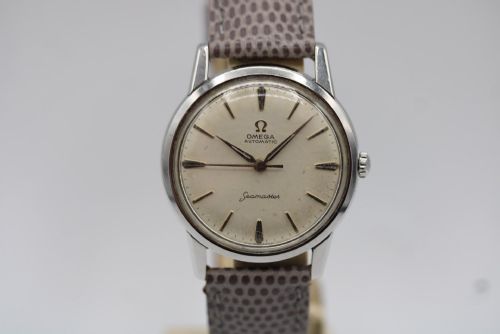
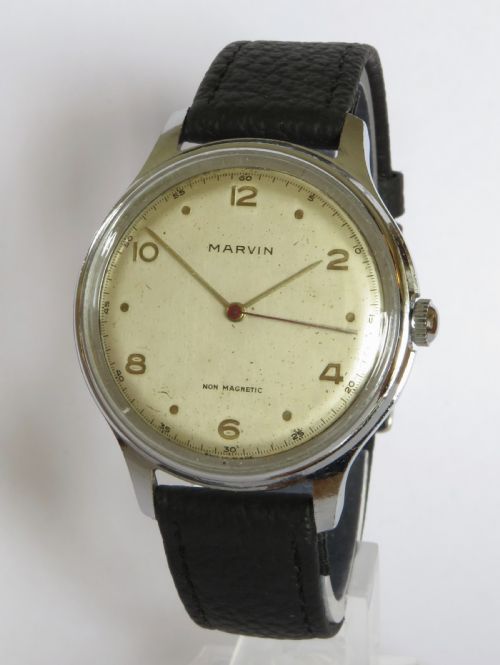
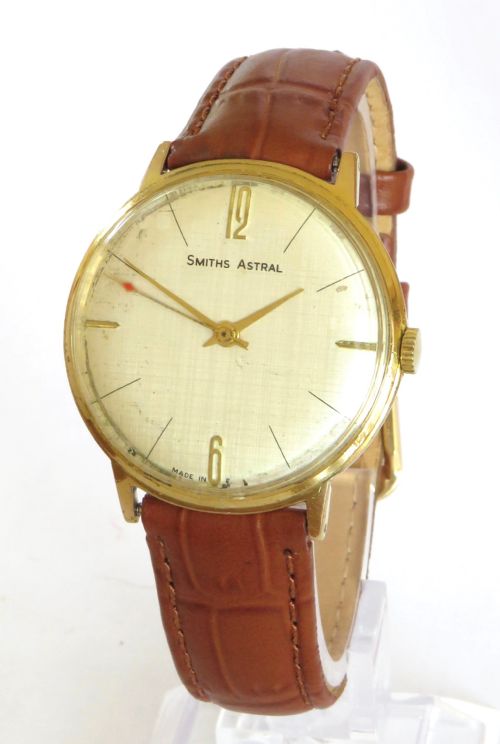
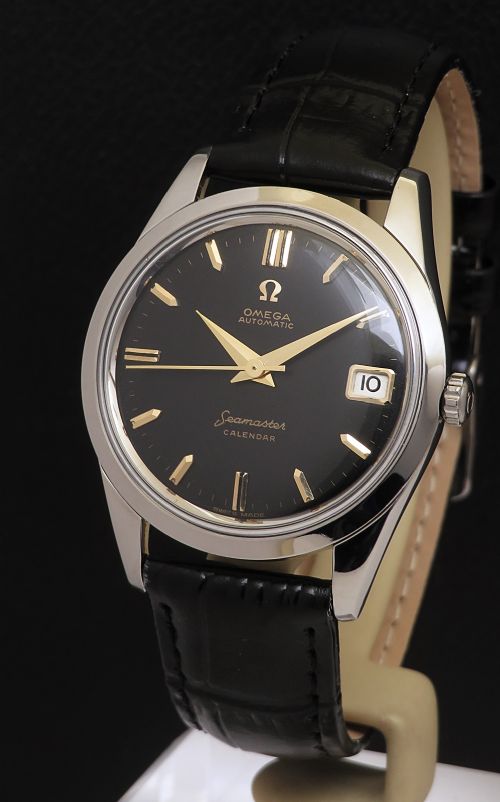
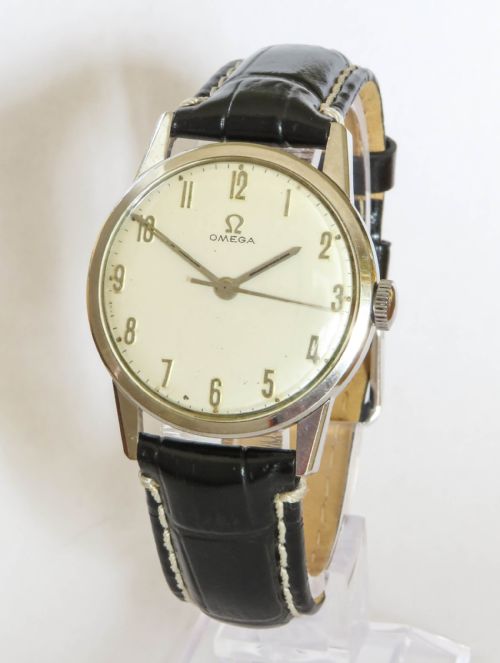
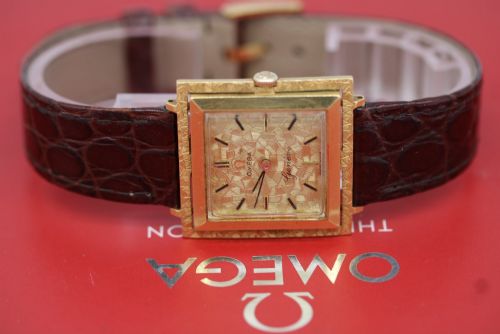
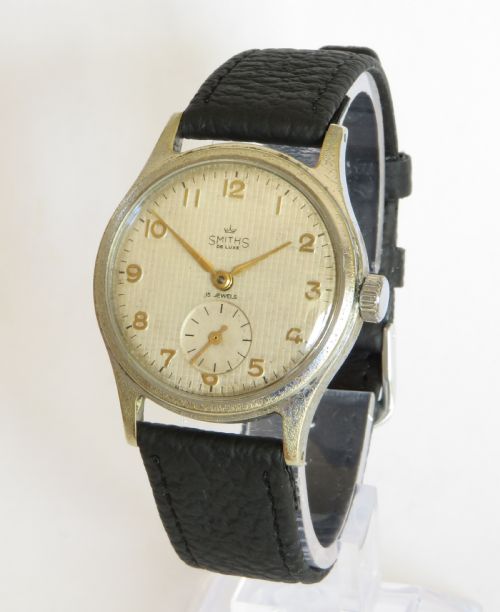
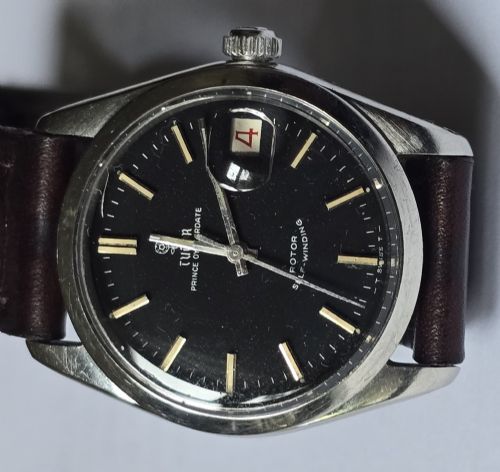
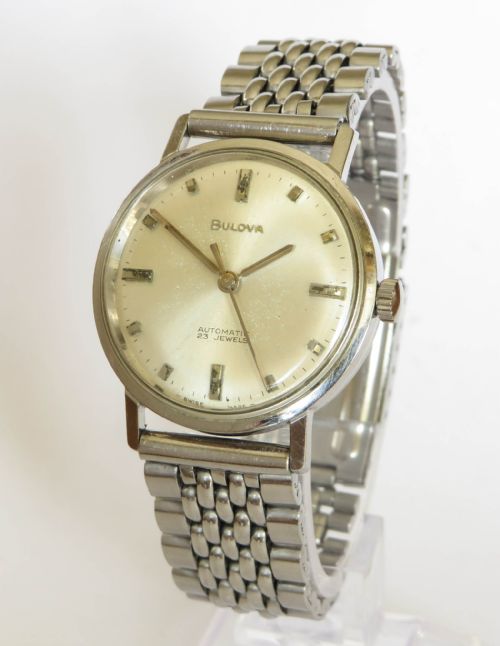
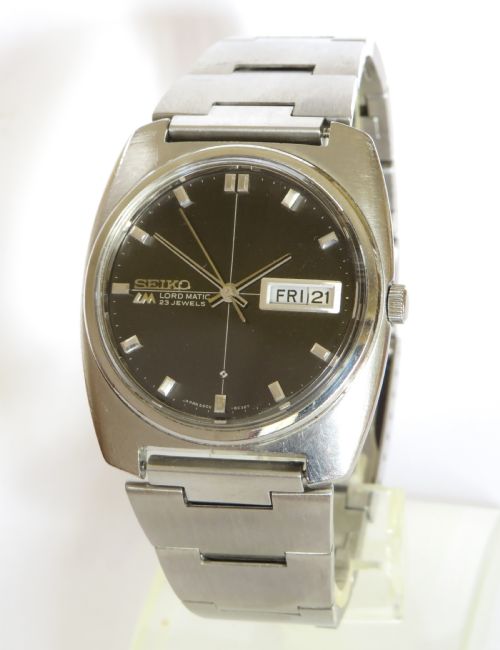
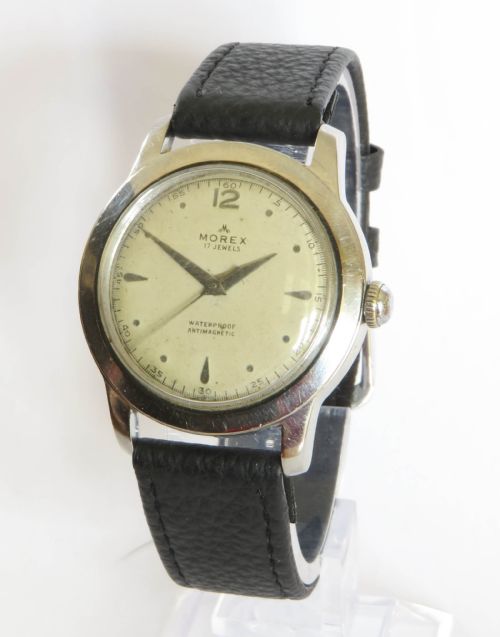
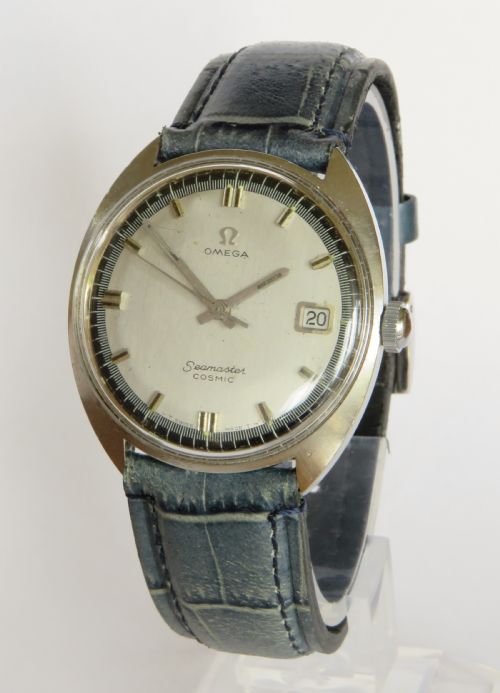
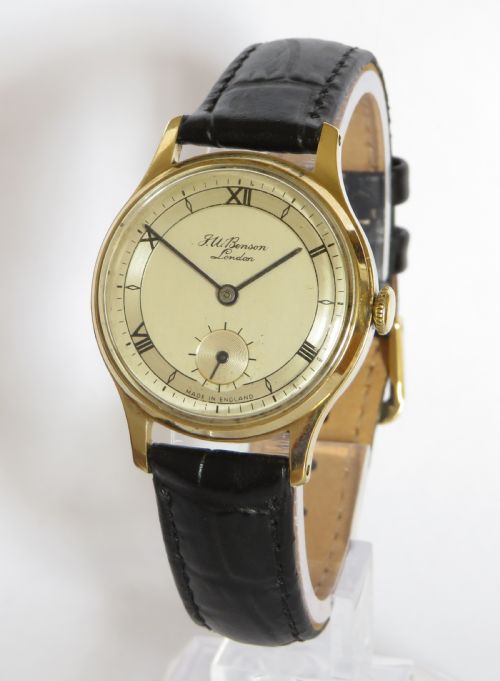
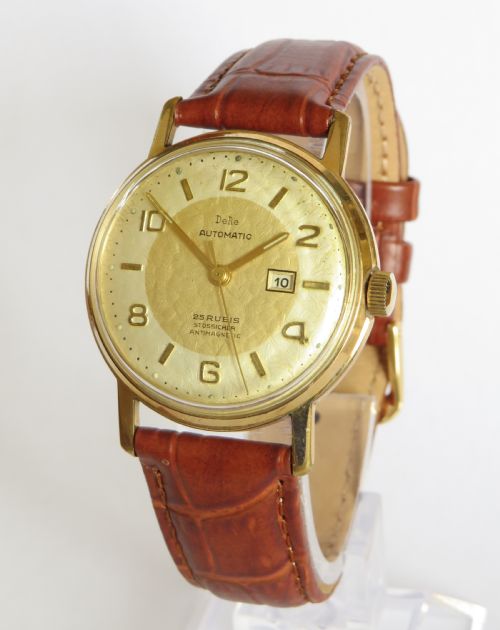
A retro wrist watch encompasses timepieces originating primarily from the 1930s through the 1960s, spanning robust everyday gents' models and delicate ladies' cocktail pieces. These selections include prominent chronological examples from Swiss and British makers, alongside specialised aviator designs and automatic calendar variants.
The prevailing style leans heavily toward mid-century modern and Art Deco aesthetics, visible in clean dials, distinct numeral layouts, and characteristic case shapes. Buyers encounter mechanical movements driven by hand-winding or early automatic mechanisms rather than modern quartz technology.
Most entries originate from decades where steel, gold plate, and solid gold housings dominated watchmaking. Leather straps and acrylic crystals complete the traditional presentation of these historical accessories.
Materials and construction
Cases utilise stainless steel, chrome, gold plated metal, and solid gold, often paired with clear glass or acrylic crystals to protect the dial. These metallic housings protect intricate internal mechanical movements, ranging from simple three-hand layouts to complex chronographs.
Straps rely principally on leather to secure the watch firmly to the wrist. Dials frequently incorporate applied markers, printed minute tracks, and specialised complications like date apertures or day displays.
Retro Wrist Watch Retail Price Guide 2026
Typical asking prices for retro wrist watch among the pieces listed under this phrase on Sellingantiques today, from the lower quarter to the upper quarter. They describe what is for sale here now, not the wider market.
Some 1950s automatic movements literally bump gently against your wrist as they wind themselves.
Determinants of quality
Quality differentiates through the preservation of original components, such as signed dials, correct crown types, and untouched case geometries. Examples that retain factory finishes or specialist elements like diamond hood details stand apart from heavily polished or altered specimens.
The complexity and execution of the internal movement also dictate standard, where fine adjustments, automatic bumper mechanisms, and chronometer certifications elevate the piece. Inclusion of original boxes and paperwork further distinguishes specific historical offerings.
Omega·Smiths·Tudor·Bulova·Seiko·Tissot·Cyma·Roamer
The Retro Wrist Watch Glossary
- Automatic
- A self-winding mechanical movement that uses the natural motion of the wearer's wrist to power the mainspring.
- Chronograph
- A watch equipped with a stopwatch function alongside the standard time-displaying hands.
- Acrylic Glass
- A lightweight, shatter-resistant plastic material used for watch crystals during the mid-century period.
- Calibre
- The specific internal movement designation used by the manufacturer to identify the mechanical design.
- Cocktail Watch
- A small, decorative ladies' timepiece often adorned with precious metals and gemstones for evening wear.
Retro Wrist Watch: Frequently Asked Questions
How do I wind a mechanical watch?
Gently rotate the crown clockwise between your thumb and forefinger until you feel gentle resistance. Stop immediately at that point to avoid overwinding and damaging the internal mainspring.
For automatic models, simply wearing the watch throughout the day keeps the movement powered through natural wrist motion.
Are vintage watches water resistant?
Historical timepieces lack modern rubber gaskets and screw-down seals. Exposure to moisture, rain, or humidity can easily allow water inside the case.
Keep these watches away from water entirely to protect the delicate dial and steel or brass movement components from corrosion.
What is an automatic bumper movement?
An early form of self-winding mechanism where an oscillating weight swings back and forth within a limited arc rather than spinning in a full circle. You can feel a gentle tap against your wrist as the weight hits its internal springs.
This technology represents a transitional phase in mid-century horology before full rotor automatics became standard.