

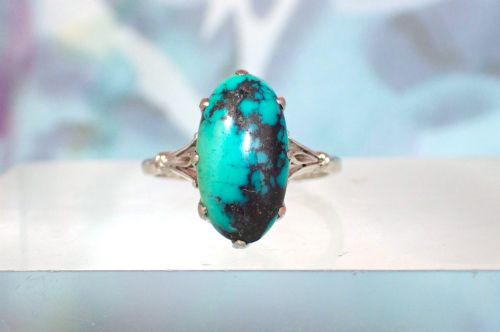


Retro White Gold Ring
A retro white gold ring brings together mid-century design and cool precious metal, offering enduring elegance for daily wear.
Retro White Gold Ring
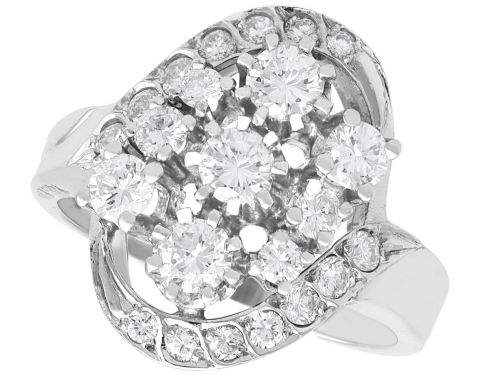
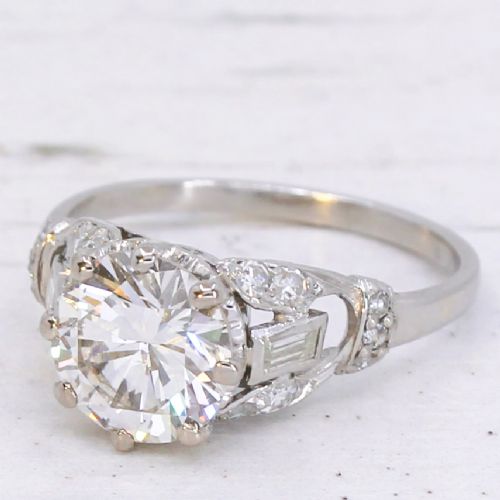
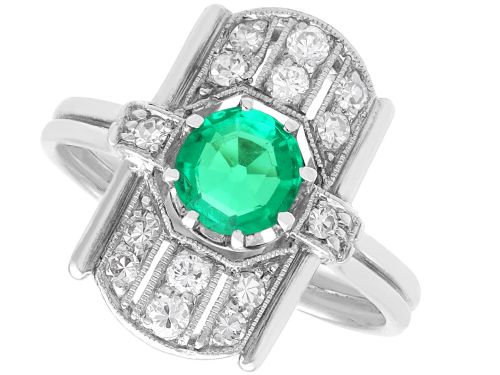
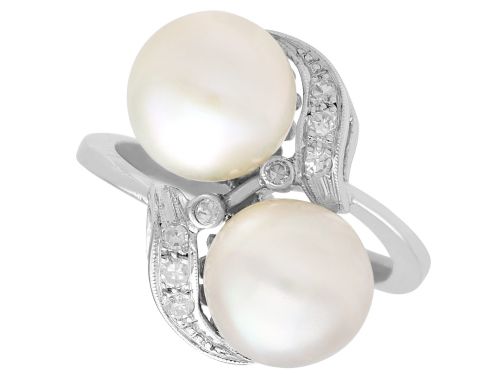
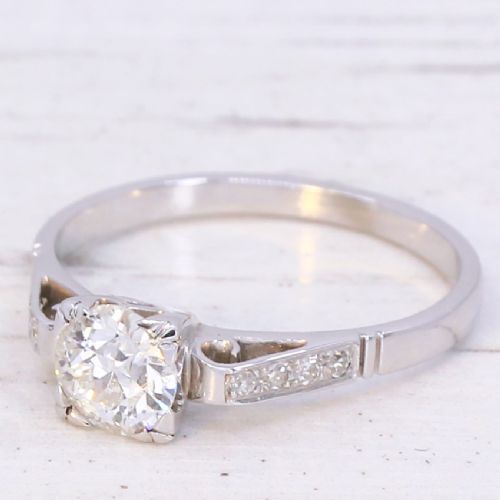
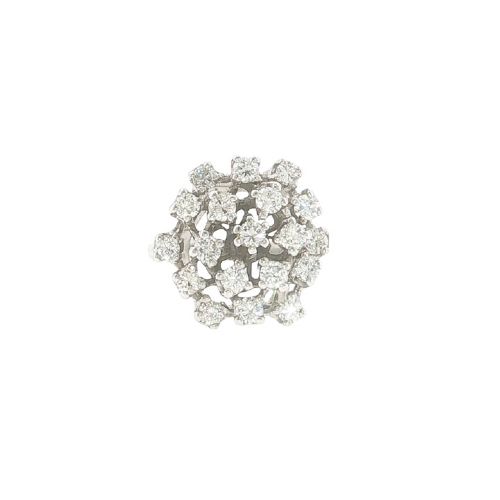
A retro white gold ring is a piece of fine jewellery spanning from the 1920s through the 1960s, encompassing Art Deco, Mid-Century, and Retro styles. These pieces often feature bold cocktail designs, elegant engagement rings, and intricate cluster arrangements.
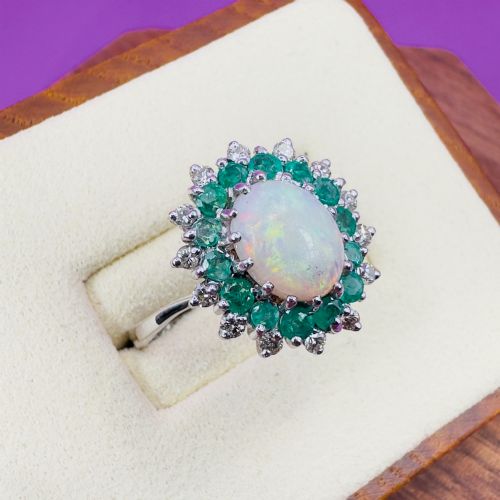
The most common examples on this page are engagement rings and cocktail rings set in 18ct or 14ct white gold, frequently paired with platinum. They showcase gemstones such as diamonds, sapphires, rubies, and emeralds.
Buyers will encounter geometric Art Deco shapes alongside sweeping mid-century scroll panels and ballerina clusters. Each era contributes distinct character, from 1920s symmetry to the sculptural forms of the 1950s.
How they were made
These rings were constructed primarily using white gold and platinum settings, often combined with yellow gold for contrast in scroll and tank designs. Jewellers utilised casting and hand-fabrication to form complex galleries and secure heavier stones.
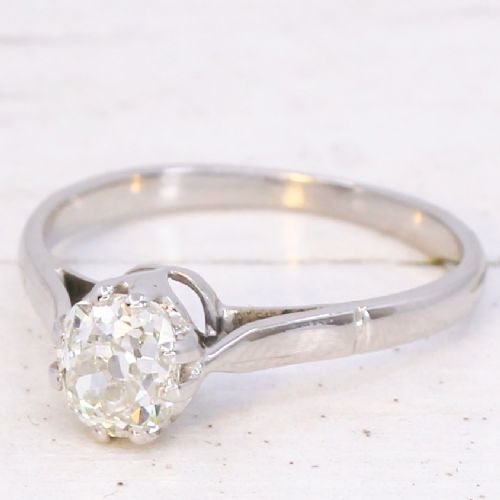
Gemstones such as old cut, transitional cut, and single cut diamonds were hand-set alongside calibrated rubies, sapphires, and emeralds. Pave settings and intricate claw work kept stones secure while maximising light entry into the facets.
Retro White Gold Ring Retail Price Guide 2026
Typical asking prices for retro white gold ring among the pieces listed under this phrase on Sellingantiques today, from the lower quarter to the upper quarter. They describe what is for sale here now, not the wider market.
Some mid-century cocktail rings pack over thirty carats of aquamarine into a single dramatic finger-covering design.
What varies in quality
Quality in these rings is determined by the precision of the metalwork, the structural integrity of the setting, and the matching of the stones. Finer examples display crisp geometric lines, robust claw placement, and harmonious proportions between the central gems and accent stones.
The choice of materials also elevates a piece, with heavier platinum and 18ct white gold constructions holding up better to wear than lighter alloys. Superior gemstone selection, particularly clean old cut diamonds or vivid natural rubies and sapphires, separates standard dress pieces from exceptional fine jewellery.
The Retro White Gold Ring Glossary
- White gold
- An alloy of gold mixed with white metals such as palladium, silver, or nickel, providing a durable silvery base for gemstones. It became a popular choice during the Art Deco and mid-century periods to complement diamonds.
- Old cut diamond
- A diamond cut by hand before modern machinery standardisation, featuring a smaller table, higher crown, and large open culet. These stones produce a distinctive softer, warm candlelit sparkle.
- Cluster ring
- A ring featuring a central gemstone surrounded by a group of smaller stones, often diamonds. This arrangement maximises visual impact and perceived size.
- Tank ring
- A bold, volumetric jewellery style originating in France during the 1940s, named for its resemblance to military tank treads. It typically combines yellow and white gold with heavy geometric lines.
- Ballerina ring
- A cocktail ring featuring a central diamond or gemstone encircled by radiating rows of tapered baguettes or smaller diamonds. The silhouette resembles the tutu of a ballet dancer.
Retro White Gold Ring: Frequently Asked Questions
How do I care for a white gold ring?
Clean your ring regularly with warm soapy water and a soft brush to remove everyday oils and debris. Avoid harsh chemicals and ultrasonic cleaners if the piece contains softer gemstones like opals or pearls.
Take the ring off during heavy manual tasks to protect the prongs and soft metals from excessive wear. Periodic professional checks ensure the security of older hand-set stones.
Can I wear an antique ring every day?
Many vintage and antique rings withstand daily wear if constructed from durable metals like 18ct white gold or platinum. Inspect the setting periodically to confirm that the claws remain tight and secure.
Softer gemstones or delicate designs from the 1920s and 1950s benefit from more careful handling. Reserving intricate cocktail rings for special occasions helps preserve their fine details.
How do I identify Art Deco versus mid-century styles?
Art Deco rings from the 1920s and 1930s lean towards strict geometric symmetry, sharp angles, and strong linear patterns. They frequently utilise calibre-cut gemstones and sleek platinum or white gold frameworks.
Mid-century and 1950s designs introduce softer curves, organic motifs, and sculptural elements like scroll panels and ball clusters. These later pieces often embrace asymmetrical grace and bolder three-dimensional profiles.
What is the difference between old cut and modern diamonds?
Old cut diamonds are shaped by hand to fit individual settings, resulting in unique facets and charming proportions. They display a deeper culet and a softer, broader flash of light compared to modern brilliant cuts.
Modern diamonds are cut to strict mathematical formulas designed to maximise brilliance and light return. Old cuts carry the distinct character and historical craftsmanship of their specific era.