


Pearl and Diamond Dress Ring
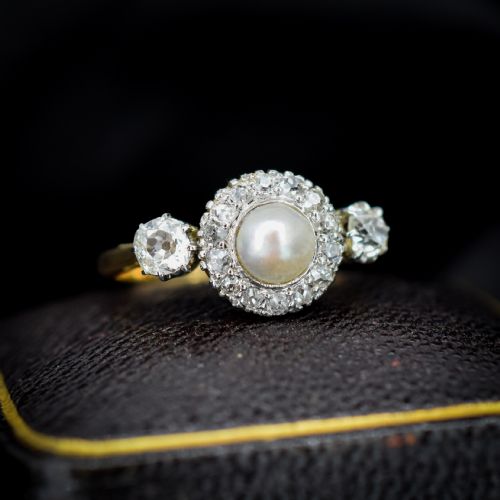
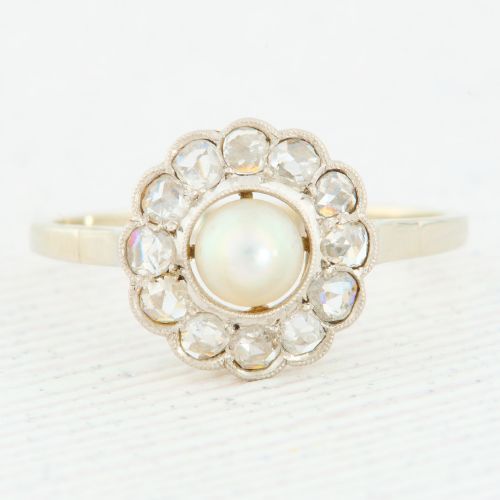
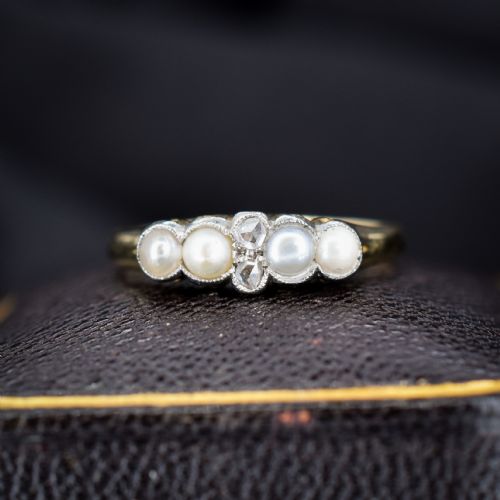
A pearl and diamond dress ring brings together the quiet lustre of organic pearls and the brilliant fire of antique cut diamonds.
Pearl and Diamond Dress Ring
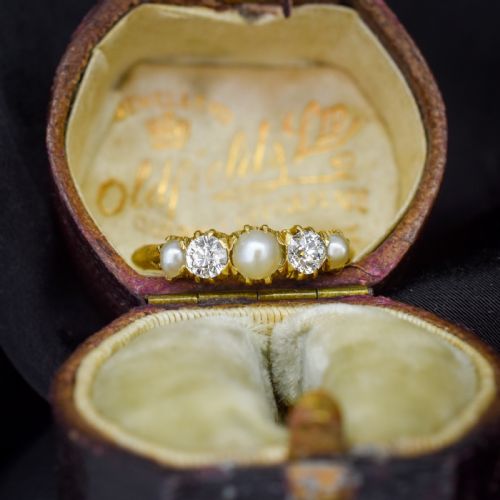
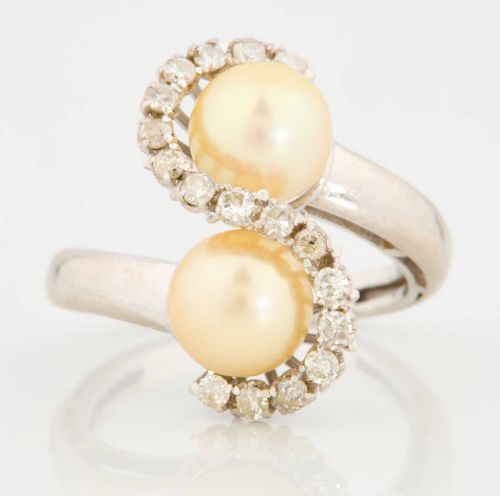
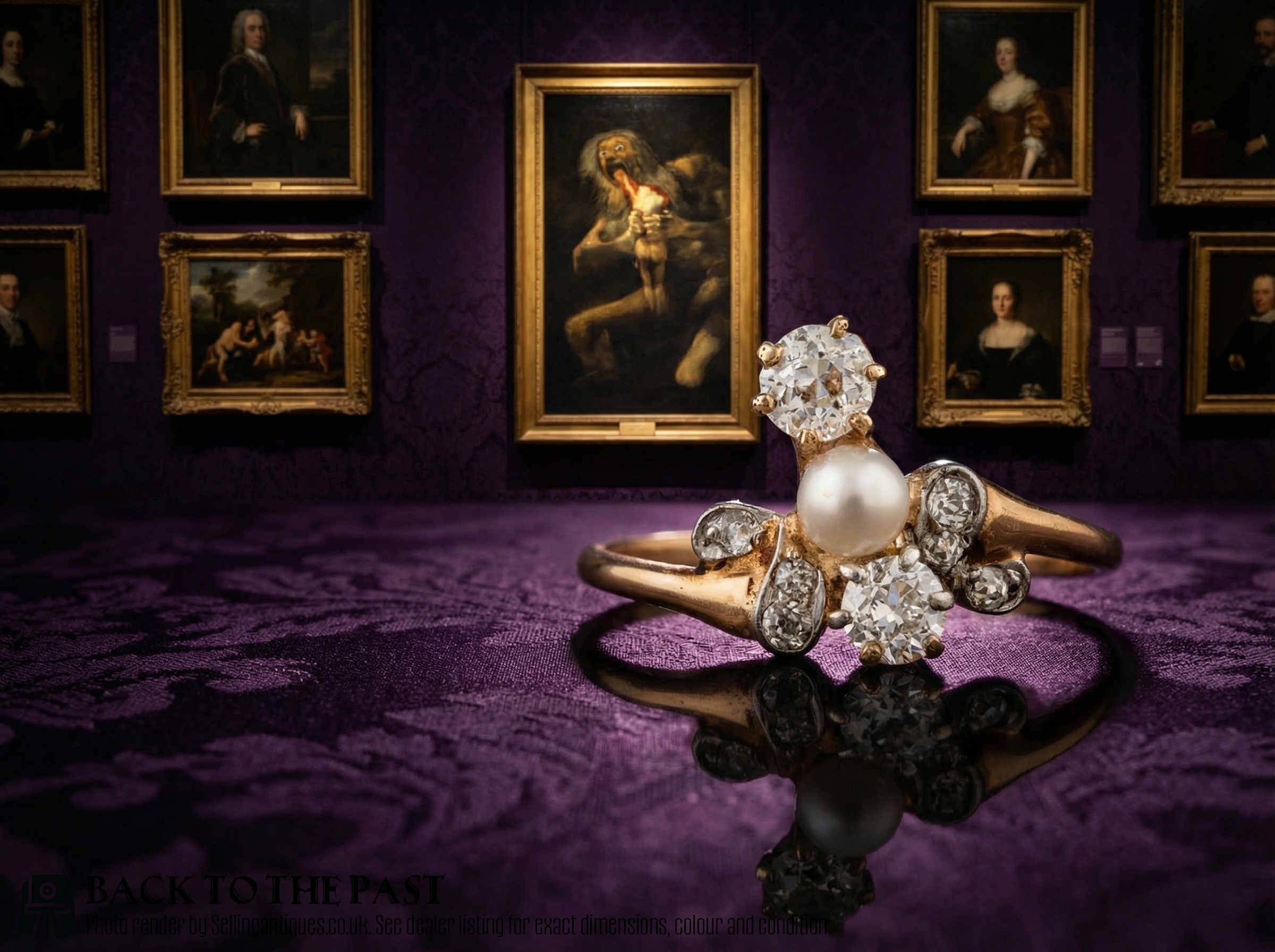
A pearl and diamond dress ring combines organic gems with sparkling stones, taking forms from delicate Victorian navette clusters to bold mid-century cocktail designs. When searching for a pearl and diamond dress ring, buyers encounter pieces spanning the Georgian, Victorian, Edwardian, Art Deco, and mid-century periods.
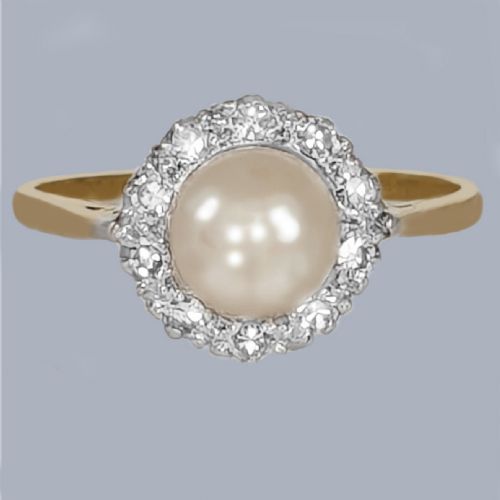
The Edwardian and Belle Epoque examples often pair natural pearls with old-cut diamonds in platinum-topped gold settings. Cluster configurations dominate the selection, alongside multi-stone bands, crossover designs, and dramatic cocktail rings.
How They Were Made
Goldsmiths set old-cut and rose-cut diamonds alongside natural pearls using a combination of yellow gold, white gold, and platinum. Platinum claw and bezel settings became prominent during the Edwardian era to maximise the play of light around the stones while providing robust support.
Many early pieces employ fine millegrain edging on platinum work, adding a delicate beaded border to the metal frames. Shank construction typically utilises sturdy 18ct gold bands to securely anchor the gem-set clusters.
Blue glass occasionally joins the gems, as seen in the remarkable Georgian ring of the heavens.
What Varies in Quality
Quality rests upon the matching of the pearls and the cut of the diamonds, distinguishing standard production from finer workshop output. Natural pearls showing uniform lustre and unblemished skin elevate a piece significantly compared to irregular specimens.
The precision of the metalwork, particularly the hand-formed platinum collets and crisp millegrain decoration, demonstrates the maker's skill. Pieces retaining their original stone arrangements without later replacements command greater appreciation.
The Pearl and Diamond Dress Ring Glossary
- Old-Cut Diamond
- A hand-faceted diamond cut before the standardisation of the modern brilliant, typically featuring a smaller table and a higher crown.
- Natural Pearl
- A pearl formed organically in a mollusc without human intervention, prized for its deep orient and durability.
- Cluster Ring
- A ring design featuring a central stone encircled by a border of smaller gems.
- Millegrain
- A decorative technique featuring tiny raised metal beads along the edges of a setting.
- Navette
- A boat-shaped mounting style that tapers to points at both ends, popular in Victorian clusters.
Pearl and Diamond Dress Ring: Frequently Asked Questions
How do I care for my pearl ring?
Pearls are organic gems that require gentle handling, as household chemicals and cosmetics can damage their nacre. Wipe them softly with a damp cloth after wearing and store them away from hard jewellery.
Avoid ultrasonic cleaners entirely, as the vibrations and heat will ruin both pearls and certain diamond settings.
What is the difference between natural and cultured pearls?
Natural pearls form entirely by chance in the wild, whereas cultured pearls begin with human intervention to encourage nacre secretion. Most antique pieces from the Edwardian and Victorian periods feature natural pearls.
Gemmological testing often helps confirm the origin of the pearl inside older cluster and cocktail configurations.
Can I wear an antique dress ring every day?
These rings survived a century or more, but older settings require mindful wear during heavy tasks. Platinum and 18ct gold offer good durability, though delicate claws holding pearls need occasional inspection.
Removing the ring before gardening or heavy lifting protects both the soft pearl surface and the antique gold band.
How do I identify an Edwardian ring?
Edwardian rings frequently combine platinum-topped gold with lace-like openwork metal frames. The use of old-cut diamonds and natural pearls set in delicate platinum motifs typifies the period between the late Victorian era and the First World War.
Characteristics include fine millegrain borders and floral or garland motifs inspired by neoclassical design.