




Retro Gold Solitaire Ring
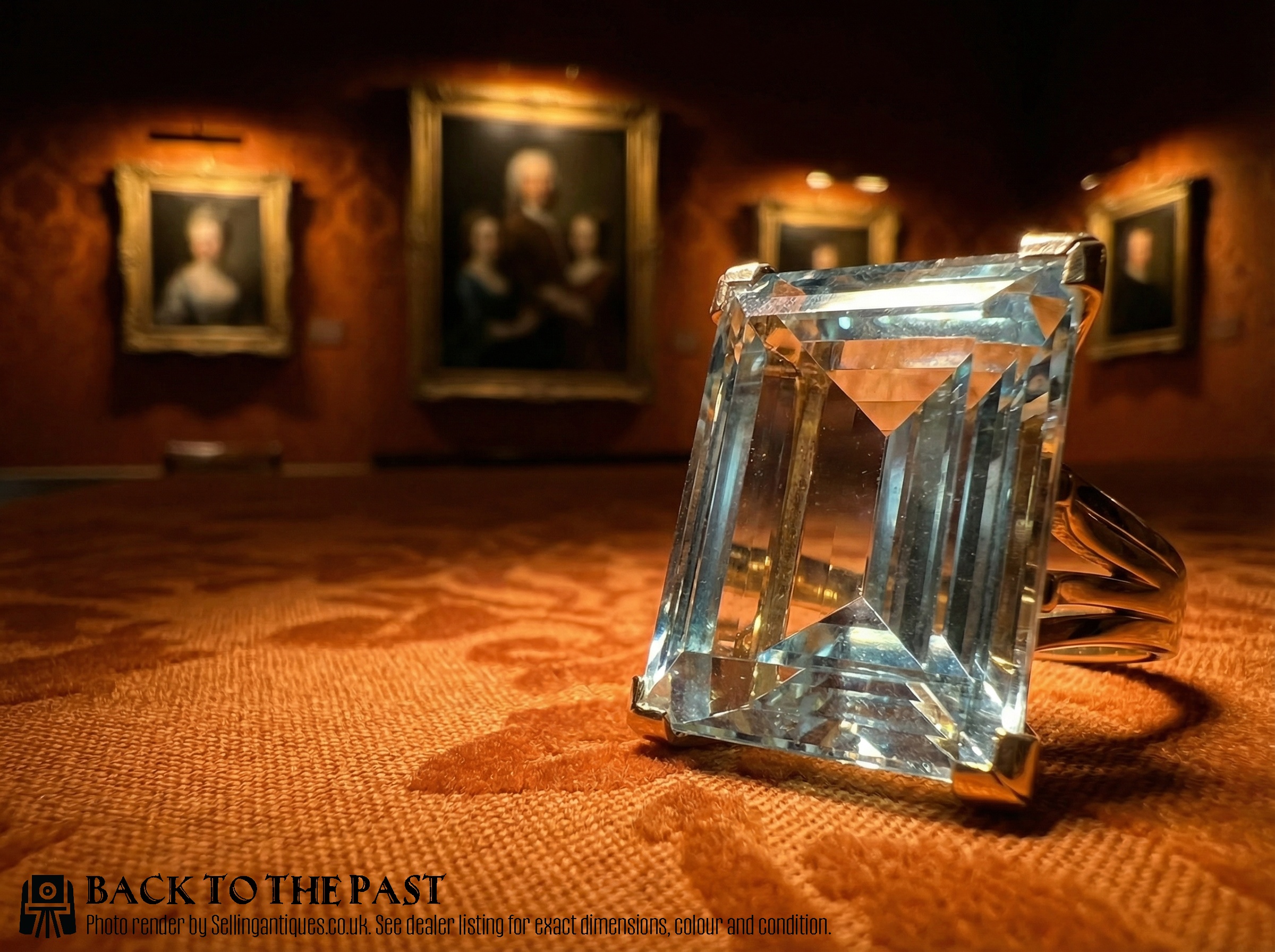
A retro gold solitaire ring holds a single central stone in mid-century or 1940s precious metal, offering enduring elegance for daily wear.
Retro Gold Solitaire Ring
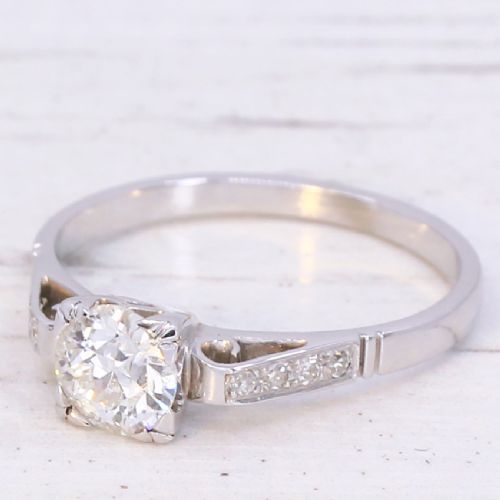
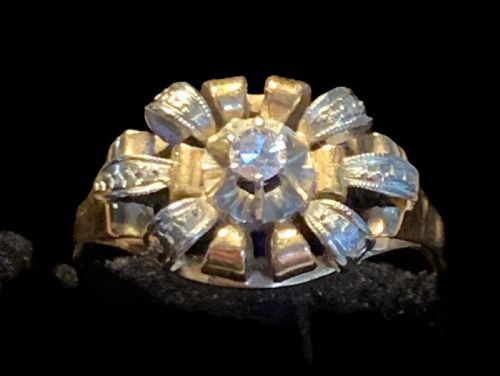
A retro gold solitaire ring centres on a single prominent gem, most often an old-cut or transitional-cut diamond mounted in yellow gold, rose gold, white gold, or platinum. These pieces span the 1920s through the 1960s, encompassing Art Deco, mid-century modern, and retro styles.
The selection ranges from traditional engagement rings featuring substantial diamond carat weights to cocktail rings showcasing large aquamarine, blue zircon, or tourmaline stones. Pieces originate from periods including the 1930s, 1940s, and 1950s, reflecting the shifting tastes of mid-century design.
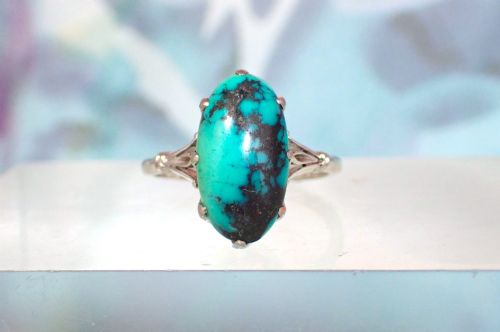
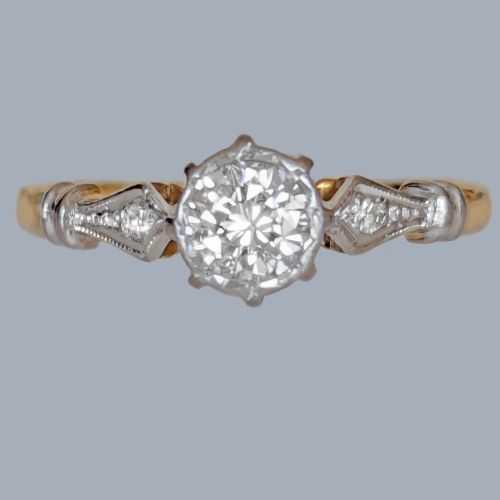
Buyers seeking a retro gold solitaire ring will encounter rings pairing high-carat yellow gold bands with platinum settings to secure the central gem. Simpler gold bands support vibrant stones like turquoise, opal, and ruby, demonstrating the varied craftsmanship of twentieth-century jewellers.
How They Were Made
Goldsmiths utilised 18ct gold, 9ct gold, and platinum, frequently combining yellow or rose gold bands with white metal claw settings to enhance the brilliance of diamonds and coloured gems. This dual-metal technique provides both structural strength and visual contrast.
Stones were cut by hand, resulting in characteristic old European cuts and transitional cuts with broad facets that catch candle or room light differently than modern brilliant cuts. Settings were hand-forged to cradle each individual gemstone securely.
Some mid-century rings include interchangeable beaded stone elements for customisable daily wear.
What Varies in Quality
Quality rests upon the cut, clarity, and carat weight of the central stone, alongside the preservation of the metalwork. Old-cut diamonds with clean tables and minimal inclusions command attention, while aquamarines and zircons display varying depths of colour and transparency.
The integrity of the setting defines the structural excellence of each ring, as robust platinum claws and sturdy gold shanks protect the gem over decades of regular wear. Fine hand-finishing on the shoulders and gallery distinguishes superior examples from standard production.
Giboulet
The Retro Gold Solitaire Ring Glossary
- Solitaire ring
- A ring set with a single gemstone, typically a diamond.
- Old cut diamond
- A diamond cut by hand before the mid-twentieth century, featuring a smaller table and larger culet.
- Transitional cut
- A diamond cut bridging old-cut styles and modern brilliant-cut standards, appearing around the mid-century.
- Platinum
- A dense, durable white metal utilised in jewellery to securely hold stones.
- Carat
- The unit of weight used for measuring gemstones and the purity of gold.
Retro Gold Solitaire Ring: Frequently Asked Questions
How do I wear a solitaire ring?
A solitaire ring pairs easily with wedding bands or decorative stacking bands on the same finger.
The single central stone remains the focal point, whether worn alone or flanked by matching guard rings.
Are these rings suitable for daily wear?
Gold and platinum provide sturdy foundations for everyday use when settings are checked regularly by a jeweller.
Diamonds and hard gemstones withstand daily activities well, though softer stones require greater care.
How do I tell periods apart?
Art Deco pieces display geometric lines and platinum work, whereas 1940s and 1950s designs favour bolder yellow and rose gold forms.
Mid-century rings often combine warm gold tones with softened organic curves.
What is an old cut diamond?
An old cut diamond is hand-faceted with distinctive proportions designed to sparkle under ambient indoor lighting.
These historic stones possess a unique warmth and character absent in modern machine-cut equivalents.