


Retro Gold Sapphire Ring
A retro gold sapphire ring delivers bold mid-century character, combining vibrant blue gemstones with warm precious metals for a striking statement.
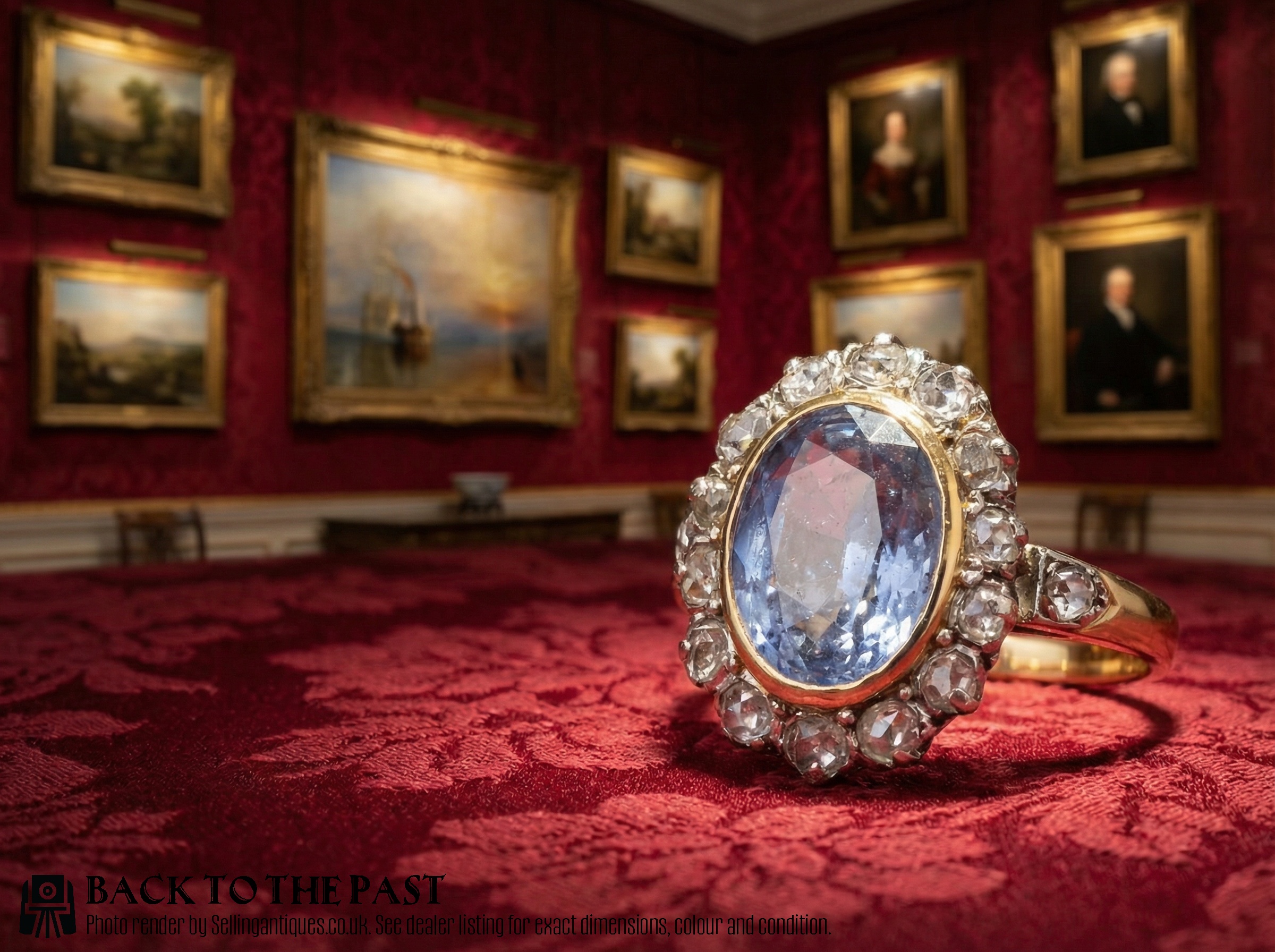
Retro Gold Sapphire Ring
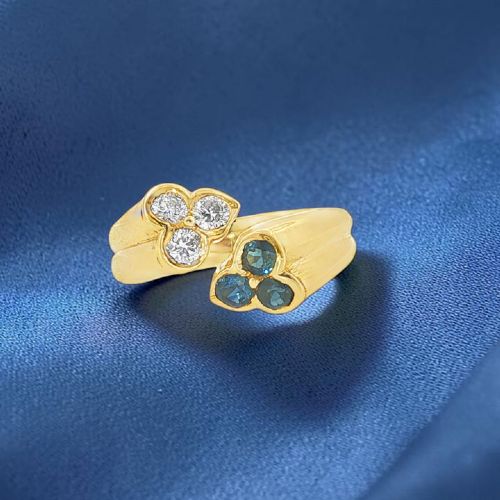
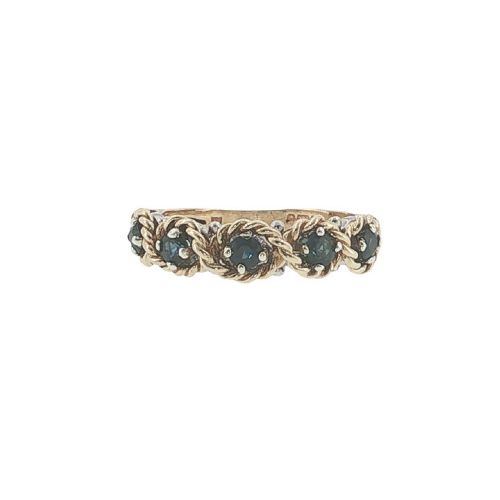
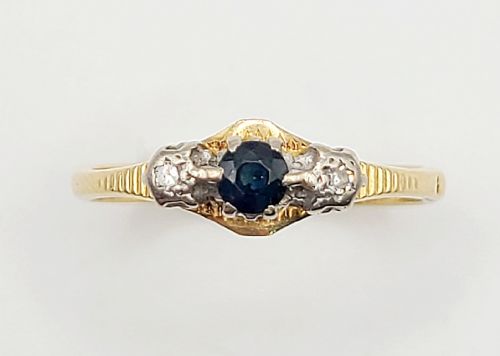
Buyers will encounter several distinct forms among these jewels, predominantly cluster rings, floral arrangements, and multi-stone bands. Many examples integrate diamonds alongside the central sapphire, creating high-contrast arrangements set in yellow or white gold.
How they were made
These rings utilise 18ct yellow gold, 18ct white gold, and 9ct gold as the primary foundations for mounting gemstones. Platinum also appears in the construction of specific settings, providing durability and a bright contrasting frame for diamonds.
Craftsmen secured the stones using traditional claw and cluster settings designed to maximise light entry through the sapphires and diamonds. Gemstone cuts vary from standard round facets to rose cuts, tailored to the specific period and design of the piece.
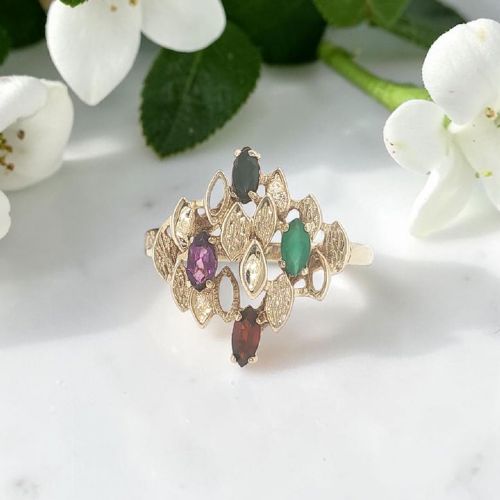
Among the sapphire and diamond formations sits an unexpected feline leopard ring with multi-gem details.
What varies in quality
The distinction between tiers rests upon the origin and carat weight of the sapphires, with significant natural stones from locations like Ceylon or Burma commanding greater attention. The presence, size, and cut quality of accompanying diamonds further elevate a piece.
The intricacy of the metalwork, whether through heavy cast gold structures or delicate floral motifs, demonstrates the skill involved in the manufacturing process. Maker provenance, particularly documented English or continental workshops, adds a definitive layer of distinction.
Kutchinsky
The Retro Gold Sapphire Ring Glossary
- Cluster ring
- A ring design featuring a central gemstone surrounded by a border of smaller stones, typically diamonds framing a sapphire. This arrangement maximises visual impact and perceived gemstone size.
- Ceylon sapphire
- A sapphire originating from Sri Lanka, traditionally recognised for a bright, vivid cornflower blue hue. These stones are frequently noted in mid-century jewellery descriptions.
- Rose cut
- An antique diamond cut featuring a flat base and a faceted dome that culminates in a point. This historic technique produces a soft, candlelit sparkle distinct from modern brilliant cuts.
- Retro style
- A design movement spanning the 1940s and 1950s characterised by bold, sculptural forms and the prominent use of yellow and rose gold. Pieces from this era often embrace generous proportions and playful motifs.
Retro Gold Sapphire Ring: Frequently Asked Questions
How do I style a vintage sapphire ring?
These statement pieces work well worn alone on the hand to let the bold cluster or floral design take centre stage. They pair effortlessly with both casual daytime attire and formal evening wear.
Because many of these rings date from the mid-twentieth century, they mix easily with contemporary yellow or white gold jewellery. Let the metal tone of the ring guide your choice of other accessories.
Are these rings suitable for daily wear?
Sapphires possess a high level of natural hardness, making them robust enough for regular daily use when set securely in gold. However, antique and vintage rings require mindful care during heavy physical tasks.
Regular checks by a jeweller help ensure the claws holding the central sapphire and surrounding diamonds remain secure. Gentle cleaning with warm soapy water keeps the stones brilliant.
How can I tell a 1940s ring from a 1960s ring?
Rings from the 1940s often reflect transitional wartime aesthetics with substantial gold work, while 1950s and 1960s designs frequently embrace lighter, more sculptural cluster forms. Maker marks and official hallmarks provide definitive dating evidence.
Examining the cut of the diamonds and sapphires also offers clues, as rose cuts lean towards earlier periods whilst modern brilliant cuts align with the nineteen-sixties.
What does a floral sapphire ring look like?
A floral design arranges smaller diamonds or gold elements around a central sapphire to mimic the natural symmetry of a blossom. These charming pieces were particularly favoured during the mid-century period.
The organic arrangement softens the geometry of the finger, offering a romantic alternative to standard geometric cluster rings.