


Retro Gold Earrings
These retro gold earrings span from the 1930s to the 1960s, bringing together bold mid-century forms, sparkling diamonds, and vibrant coloured gemstones.
Retro Gold Earrings
When searching for retro gold earrings, buyers encounter a diverse selection ranging from chunky mid-century designs to earlier art deco pieces. These items incorporate various configurations such as stud earrings, drop earrings, and complete jewellery suites.
Earrings from this category often utilise secure fastenings typical of their era, including screw backs and omega backs, alongside traditional clip-on and post designs. Forms span from simple floral clusters to elaborate foxtail chain tassels and geometric shapes.
How they were made
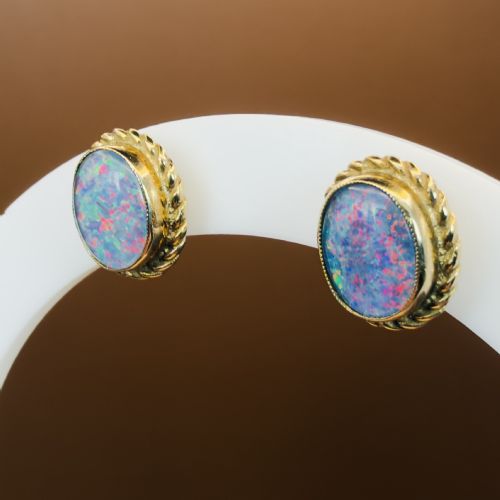
The construction of these pieces relies heavily on 9ct, 14ct, and 18ct gold, utilised in both yellow and white varieties to support various gemstones. Metalsmiths combined traditional casting with detailed stone setting techniques to secure diamonds, rubies, sapphires, and opals.
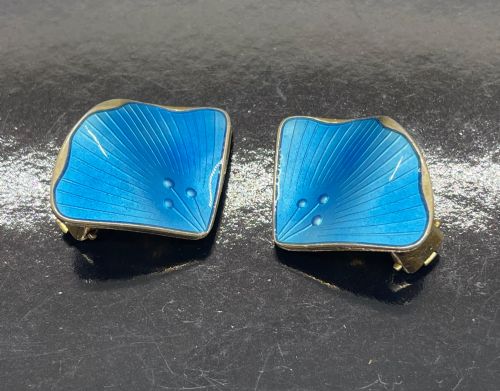
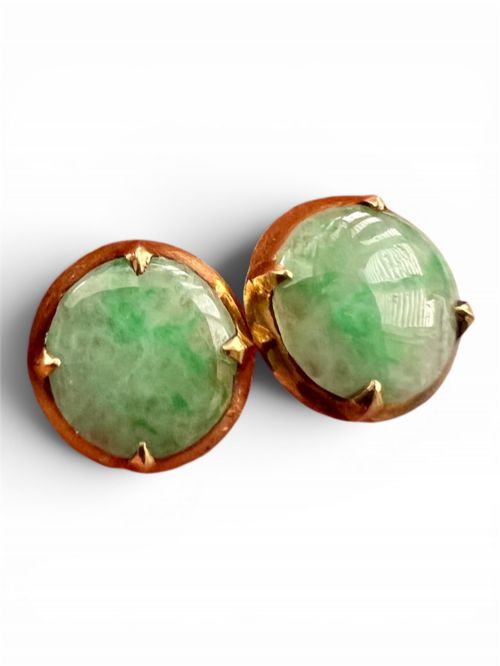
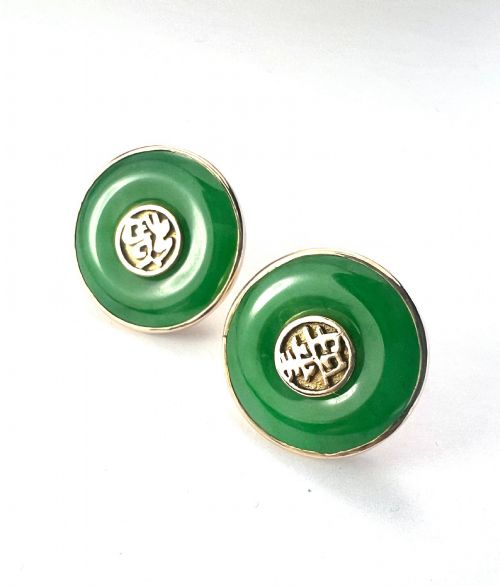
Enamel work and silver gilt appear in Scandinavian modern designs, adding colourful contrast to metal frameworks. Gemstones such as jadeite, lapis lazuli, and tiger's eye were cut into cabochons or carved into specific shapes like torus forms.
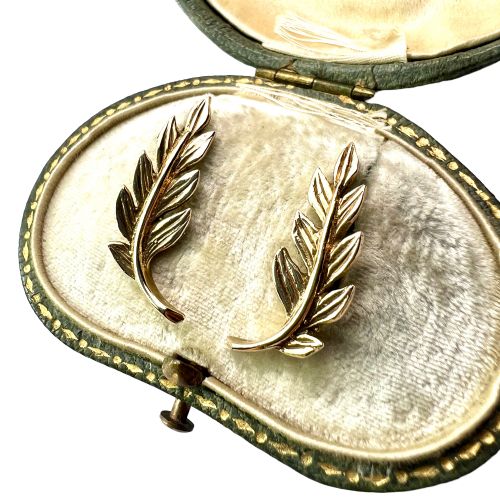
Some clip-on earrings retain their original branded boxes, surviving decades of wardrobe changes intact.
What varies in quality
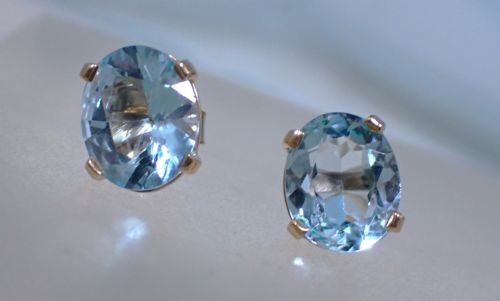
The calibre of these earrings depends on the weight and purity of the gold, the size and clarity of set diamonds, and the quality of natural gemstones such as aquamarines and rubies. Superior examples often display intricate hand-finished details and substantial metal weight.
Design complexity and the presence of notable maker packaging or signatures elevate certain pieces above standard production items. The integration of high-grade pearls and well-matched coloured stones also distinguishes finer items within the range.
Boucheron·Andrew Grima·Christian Dior
The Retro Gold Earrings Glossary
- Mabe pearl
- A cultured half-pearl grown against the inside shell of an oyster rather than within its body. These create large, domed profiles often seen surrounded by gold.
- Omega back
- A hinged clip closure shaped like the Greek letter omega. This mechanism provides a secure fit for non-pierced or pierced ears.
- Cabochon
- A gemstone shaped and polished with a smooth, rounded surface rather than faceted. This cut is frequently used for opaque stones like turquoise, opal, and jade.
- Screw back
- A mechanical earring fastening tightened via a threaded post and screw mechanism. This allowed wearers to adjust pressure on the earlobe.
- Silver gilt
- Silver covered with a thin layer of gold through gilding. This technique appears often in mid-century Scandinavian enamel designs.
Retro Gold Earrings: Frequently Asked Questions
What periods do these earrings cover?
The pieces span from the 1930s through the 1940s and 1950s up to the 1960s. This timeframe includes Art Deco, mid-century, and retro design movements.
Items reflect the shifting aesthetic preferences of these decades, moving from geometric art deco lines to bolder mid-century modern and Scandinavian forms.
How do screw back and omega fastenings work?
Screw backs use a threaded screw mechanism to tighten the earring securely against the earlobe. Omega backs use a hinged metal loop that snaps shut to hold the piece in place.
Both styles were common before standard post and butterfly friction backs became universal, particularly for heavier drop and cluster earrings.
What gemstones are commonly found in these designs?
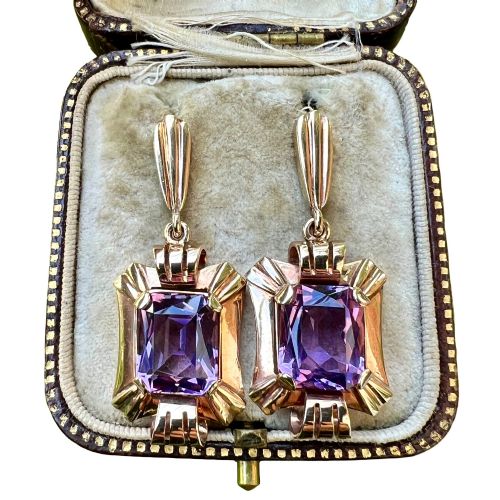
Diamonds frequently pair with white or yellow gold, accompanied by coloured stones like aquamarine, sapphire, ruby, and amethyst. Organic materials such as coral, pearl, mabe pearl, jade, and turquoise also appear regularly.
Some pieces incorporate unusual elements like black opal doublets, tiger's eye, and enamel work on silver gilt.
How can I tell the difference between decades?
Art Deco pieces from the 1930s tend to feature geometric patterns, white gold, and old-cut diamonds. 1950s and 1960s items often embrace heavier yellow gold, organic motifs, and asymmetrical modernist shapes.
Materials and specific backings also offer clues, as certain clip mechanisms and gemstone cuts align closely with mid-century manufacturing standards.