

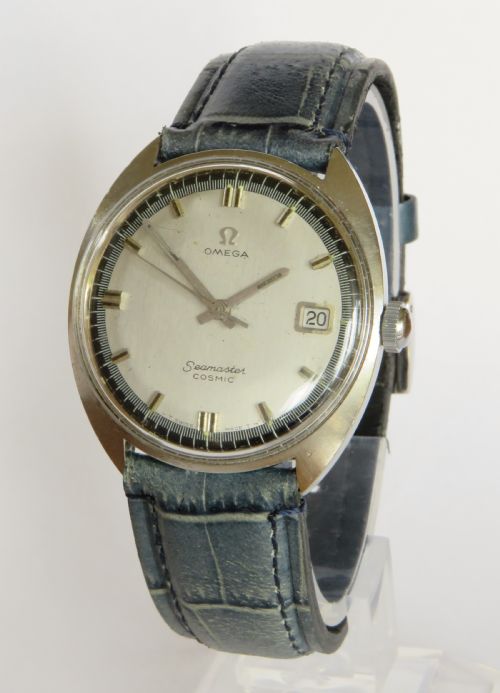
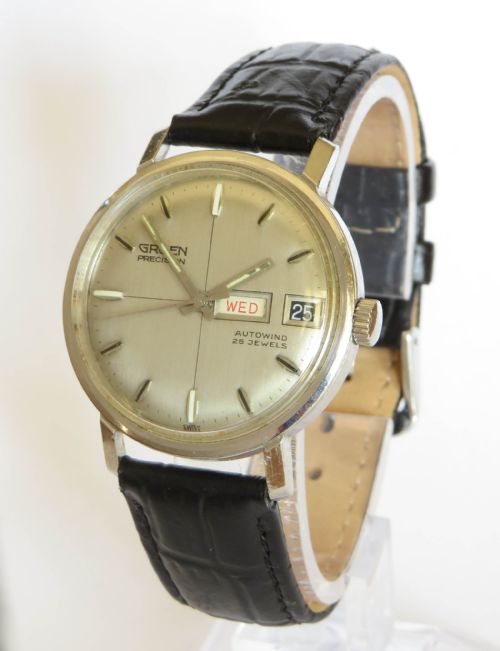
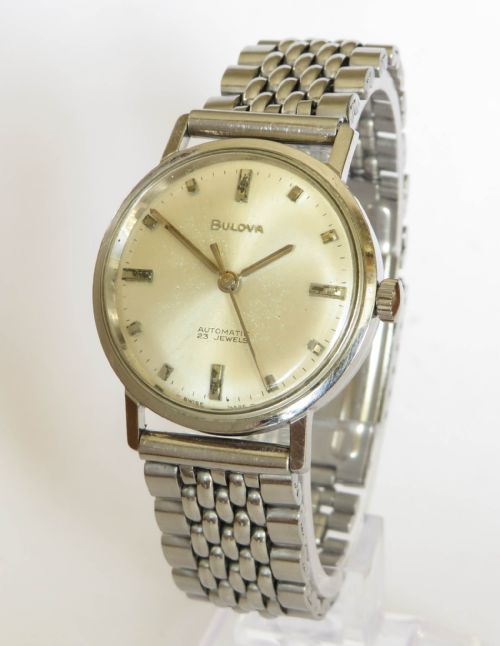
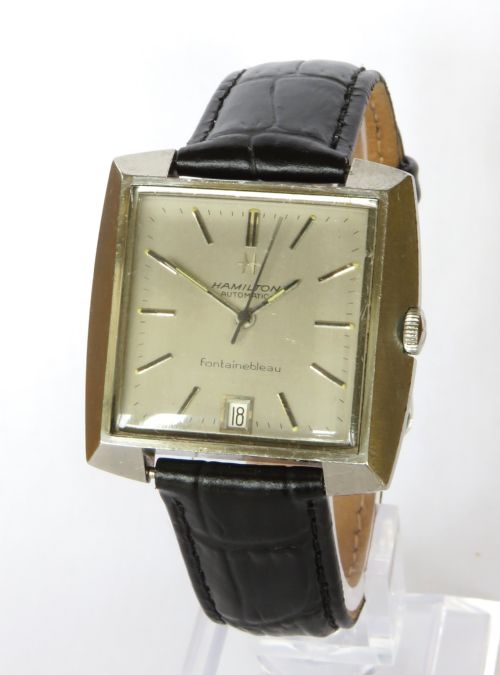
Retro Gents Timepiece
A retro gents timepiece brings mid-century mechanical character to the wrist, spanning styles from Art Deco to the 1970s.
Retro Gents Timepiece
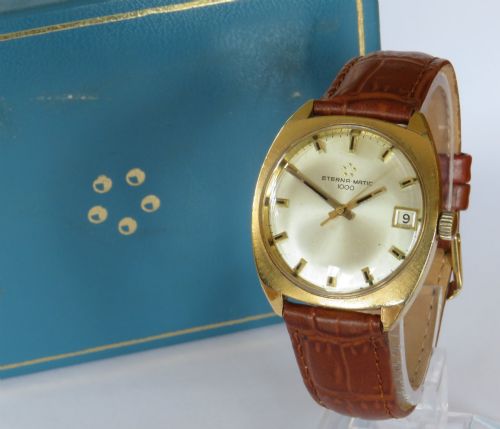
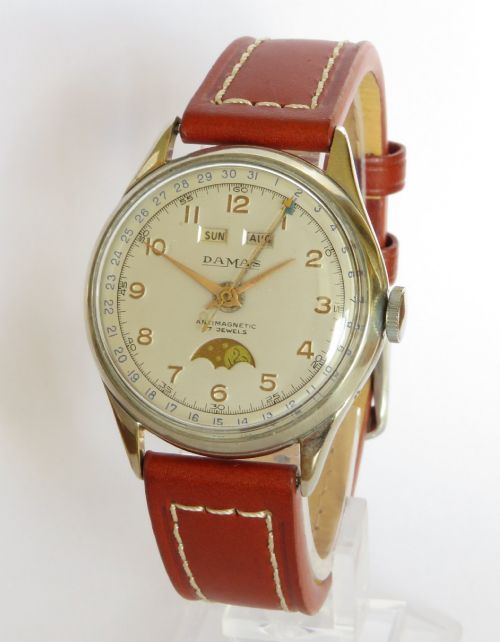
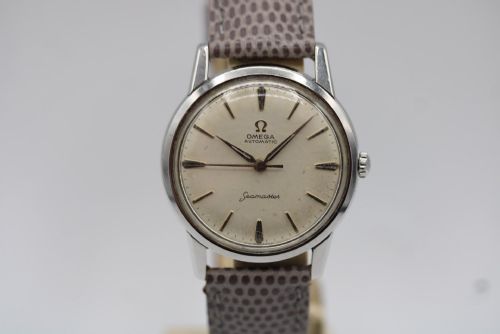
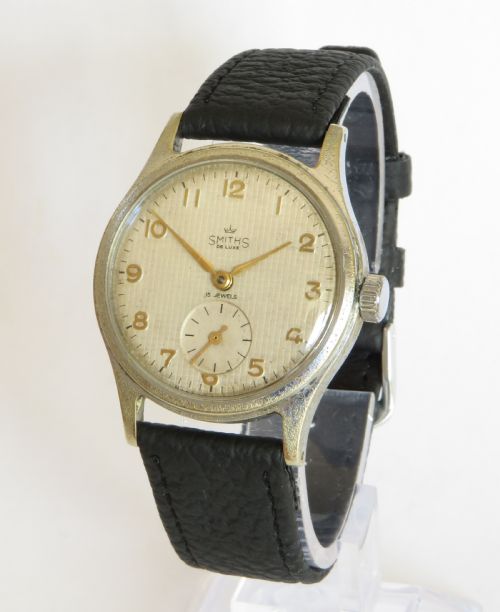
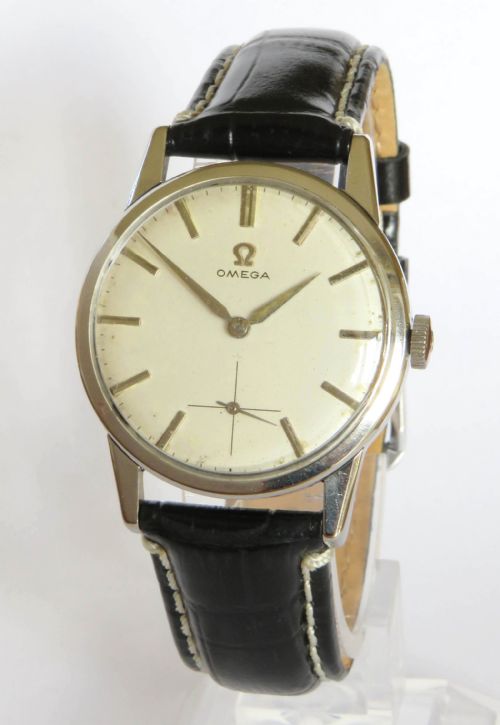
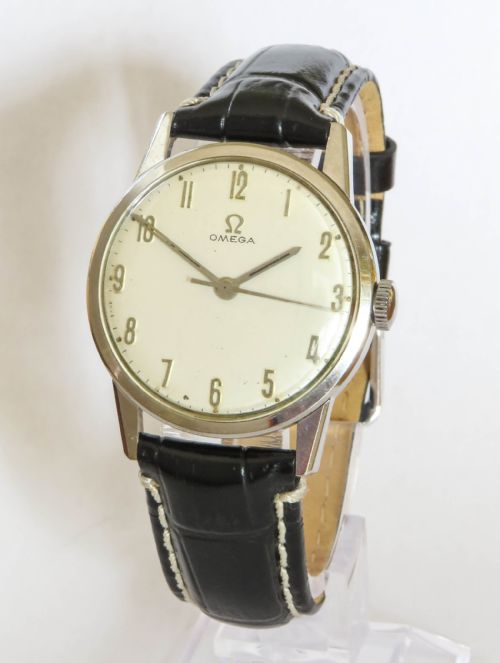
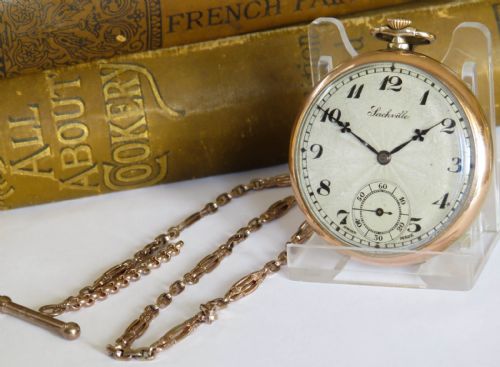
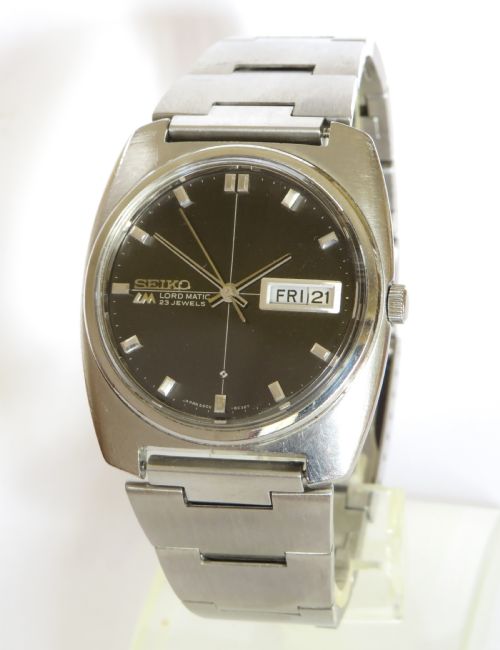
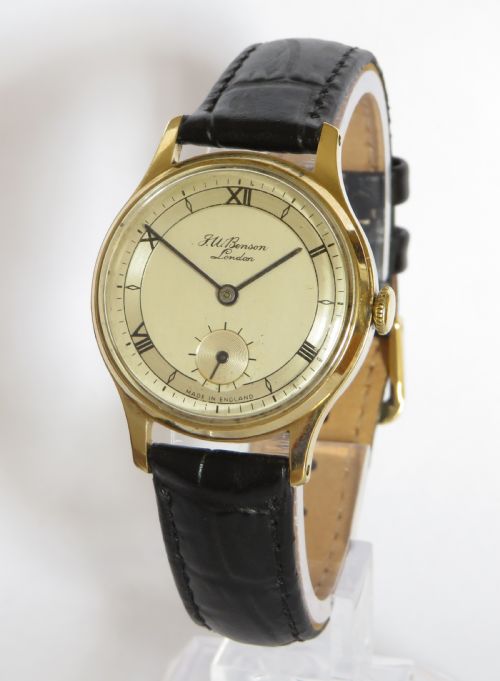
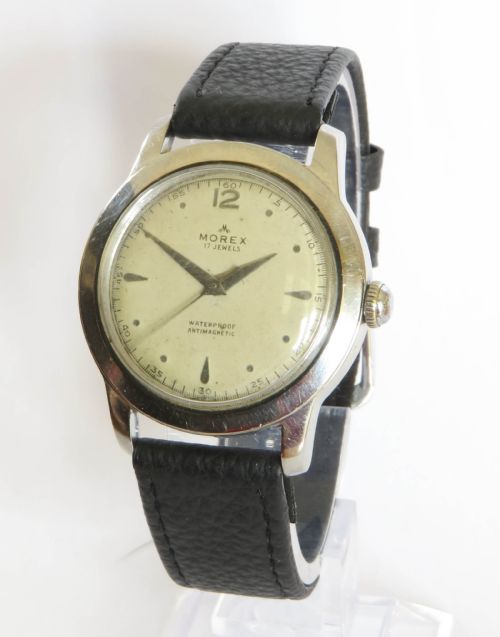
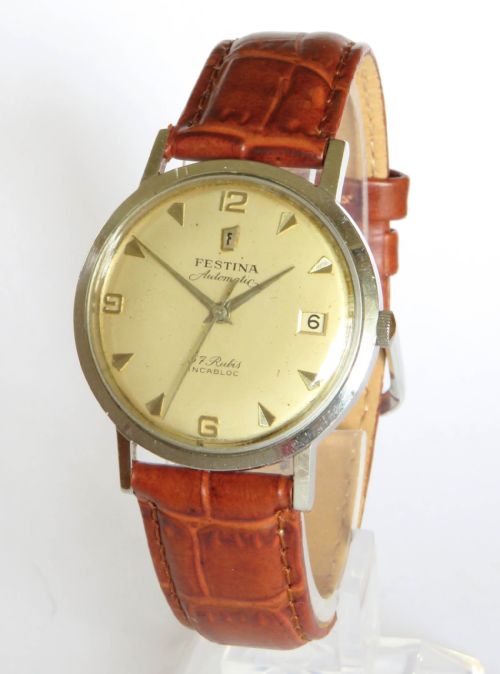
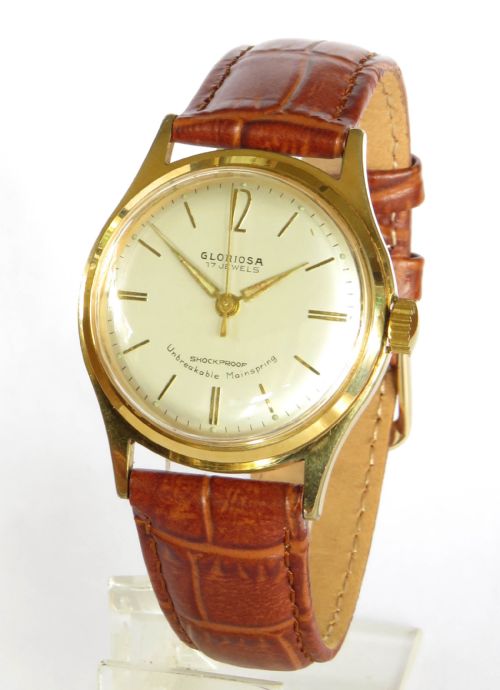
When searching for a retro gents timepiece, buyers encounter wristwatches and pocket watches spanning from the 1930s through the 1970s. These horological items include designs from periods such as Art Deco, Mid-Century Modern, and 1970s Retro.
Origins range across Swiss makers, British manufacturers like Smiths, and various international workshops. Formats vary from simple dress watches to specialised chronographs and calendar models.
Materials and construction
Cases combine metals such as stainless steel, chrome, gold plate, and rose gold filled construction, paired with glass or acrylic glass crystals protecting the dial. Leather straps provide the standard mounting for wristwatches across these decades.
Movements rely on mechanical ingenuity, utilising manual wind mechanisms and early automatic auto-wind systems. Makers housed these calibres within robust metal chassis designed to endure daily use.
Retro Gents Timepiece Retail Price Guide 2026
Typical asking prices for retro gents timepiece among the pieces listed under this phrase on Sellingantiques today, from the lower quarter to the upper quarter. They describe what is for sale here now, not the wider market.
Materials across the inventory include leather, stainless steel, glass, gold plate, acrylic, and chrome.
Distinctions in quality
Quality separates mass production from finer horological output through the precision and finish of the internal movement. Higher tier examples incorporate jewelled lever escapements and reliable automatic winding systems.
Case finishing and material integrity define the upper range, where solid metals or heavier gold plating endure better than base metal alternatives. Dial preservation and original component retention also separate standard pieces from superior examples.
Montilier·Hamilton·Omega·Seiko·Bulova·Smiths·Festina·Gruen·Eterna Matic·DeRe·Avia·Venus·Wittnauer·Kered·Certina·Ensign·Lanco·Enicar·Prisma·Girard Perregaux·Sperina·Tissot·Felca·Garrard·Technos
The Retro Gents Timepiece Glossary
- Automatic
- A self-winding mechanical movement that uses a weighted rotor to tension the mainspring through natural wrist motion. This system removes the need for daily manual winding.
- Chronograph
- A watch equipped with a complication for measuring elapsed time through independent stopwatch seconds and minute recording sub-dials. These dials add functional complexity to the watch face.
- New Old Stock
- Unused vintage inventory discovered in unworn condition, often retaining factory packaging or original tags decades after production. This term describes items preserved from their original era.
- Gold Filled
- A manufacturing technique bonding a layer of solid gold to a base metal core under heat and pressure, providing a thick protective surface layer. This process differs from standard surface plating.
- Escapement
- The internal mechanism within a timepiece that controls the release of power from the mainspring to the gear train. It translates energy into regulated impulses.
Retro Gents Timepiece: Frequently Asked Questions
How do I wind an automatic watch?
Automatic watches wind themselves using an internal weighted rotor that moves as you wear the wrist. If the watch has stopped entirely, give the crown a few initial manual turns to kickstart the movement before wearing.
Avoid overwinding vintage automatic mechanisms beyond twenty to thirty turns if a manual wind option is present alongside the automatic rotor.
Are these watches suitable for daily wear?
Many vintage wristwatches serve well for daily wear provided they have received a recent service by a competent watchmaker. Their robust mechanical movements were built for everyday utility.
Keep in mind that vintage pieces generally lack modern water resistance standards, so avoid submerging them or wearing them during rigorous physical activities.
How do I identify a 1950s watch?
Pieces from the 1950s typically display clean dials with minimalist marker indices, dauphine hands, and slim circular or square metal cases. Sub-seconds dials positioned above the six o'clock mark are also common during this decade.
Examining the movement serial number or the inner case back often reveals production dates or maker marks that confirm the manufacturing period.
What is a calendar watch?
A calendar watch displays the date alongside the standard hour, minute, and second hands, usually through a small aperture cut into the dial face. Some models expand this function to show the day of the week as well.
These complications require manual adjustment during months with fewer than thirty-one days, using either the crown or a dedicated case side corrector.