




Restoration Period Side Table
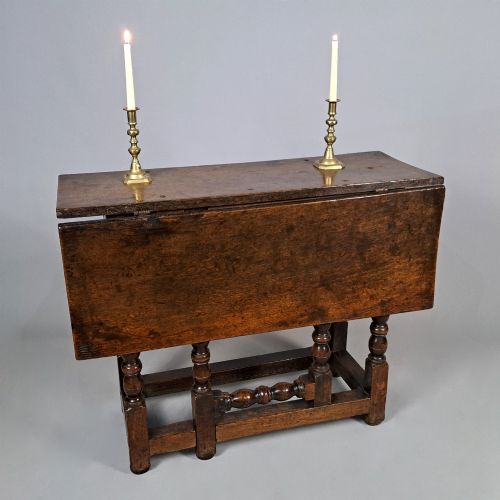
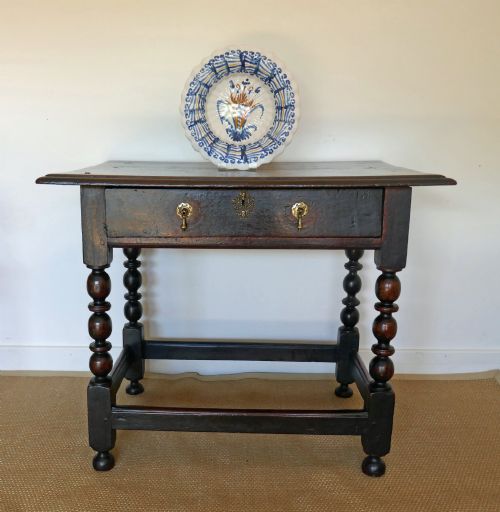
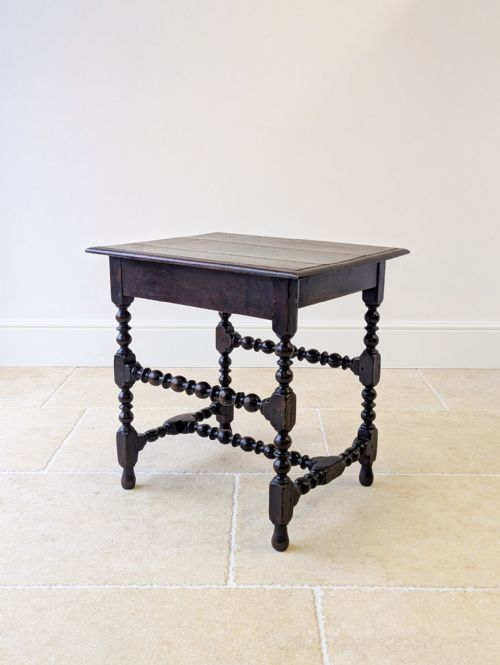
A restoration period side table offers practical surface space anchored by substantial history, spanning rich continental marbles and sturdy early English oak.
Restoration Period Side Table
A restoration period side table bridges distinct eras of design, uniting seventeenth-century English craftsmanship with nineteenth-century continental interpretations.
The pieces on this page encompass side tables, console tables, occasional tables, and gueridon tables.
Origin points range from English workshops to French studios, utilising forms spanning the seventeenth century, the Regency era, and the year eighteen hundred.
Materials and Construction
Constructed from durable woods including oak, mahogany, and coromandel, occasionally featuring intricate oyster olive and holly inlay work.
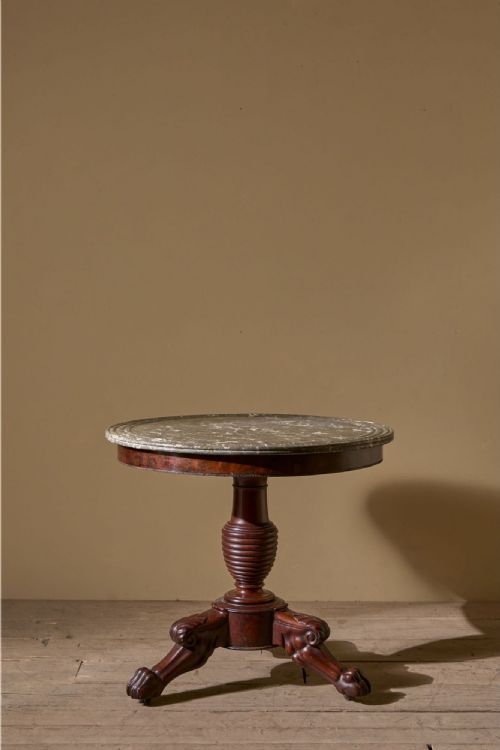
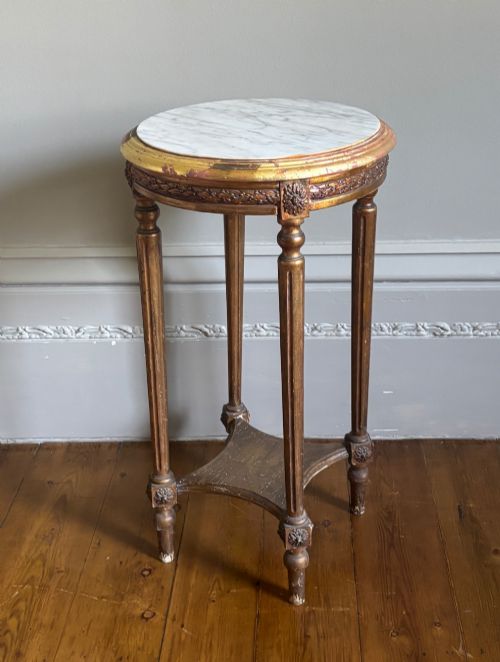
Continental examples frequently incorporate grey marble, giltwood, ormolu, and gold leaf surface treatments.
Restoration Period Side Table Retail Price Guide 2026
Typical asking prices for restoration period side table among the pieces listed under this phrase on Sellingantiques today, from the lower quarter to the upper quarter. They describe what is for sale here now, not the wider market.
Listings feature periods spanning the 17th century, 19th century, Regency era, and the year 1800.
Assessing Quality
Quality rests in the precision of timber selection, seen in figured mahogany and bold seventeenth-century oak proportions.
The refinement of decorative elements, such as ormolu mounts and giltwood carving, distinguishes standard domestic items from high-style console pieces.
The Restoration Period Side Table Glossary
- Gueridon
- A small circular table, usually French in origin, often supported by a central column or pillar. These tables serve occasional functions.
- Console Table
- A table designed to stand against a wall, frequently secured to it with brackets. It provides an elevated display surface.
- Ormolu
- Gilt bronze ornamentation applied to furniture, popular in French neoclassical and empire designs. It adds metallic contrast to wood and marble.
Restoration Period Side Table: Frequently Asked Questions
Where were these tables placed?
Console and pier tables were traditionally positioned against walls in reception rooms or hallways, often beneath mirrors.
Smaller side tables and gueridon tables served flexible daily roles for holding lamps, books, or decorative objects.
How do English and French tables differ?
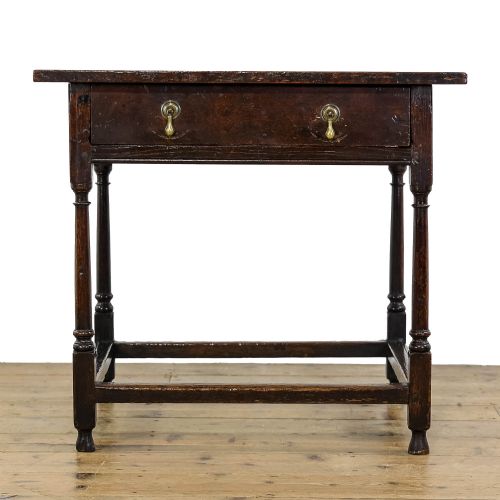
English examples from the seventeenth century predominantly feature solid oak, bobbin turnings, and inlaid veneers like oyster olive.
French pieces from the nineteenth century lean towards polished mahogany, grey marble tops, giltwood, and ormolu mounts.
What woods are most common?
Oak appears frequently in seventeenth-century English pieces, valued for its strength and bold grain.
Mahogany and exotic coromandel dominate nineteenth-century continental tables, offering smooth surfaces and rich natural figuring.