


Repousse Silver Centrepiece
A repousse silver centrepiece brings tactile weight and layered historic ornament to a dining table.
Repousse Silver Centrepiece
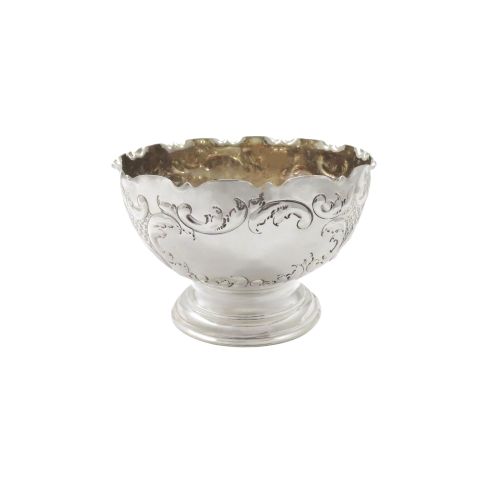
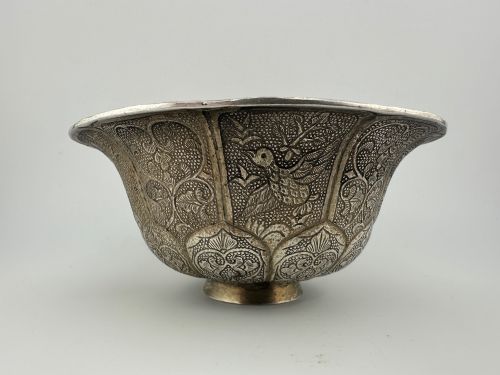
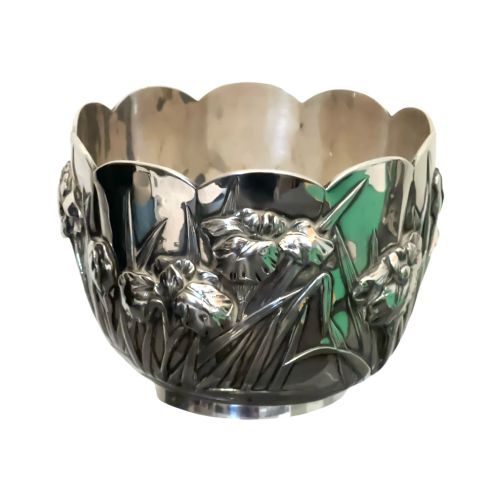
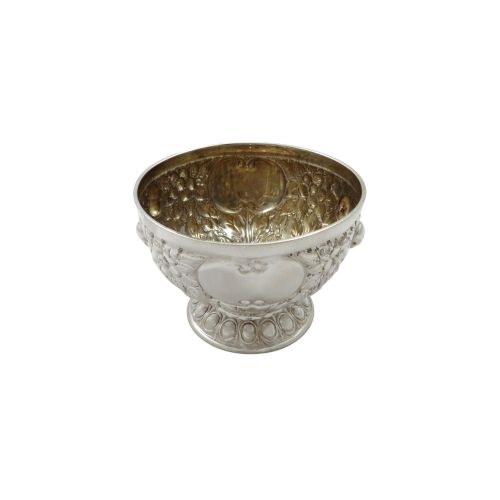
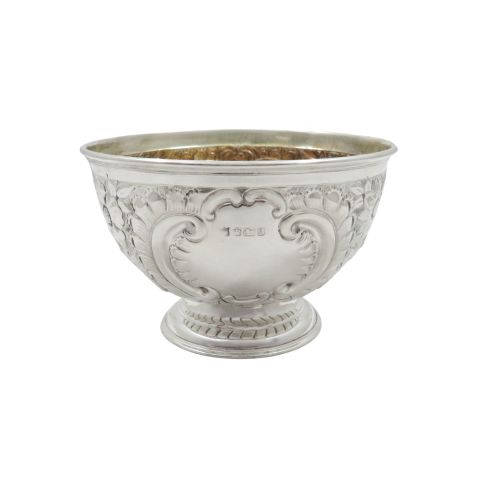
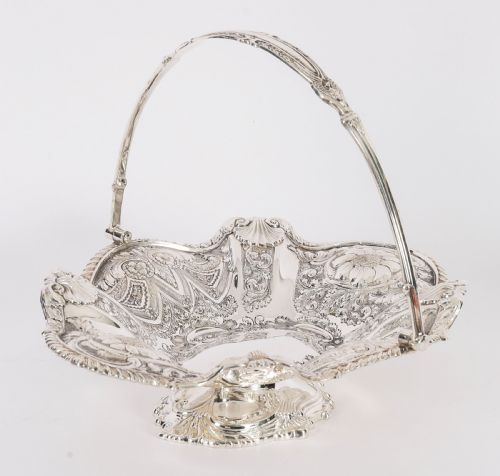
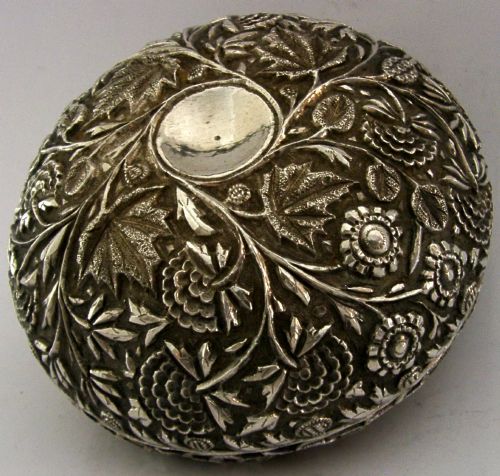
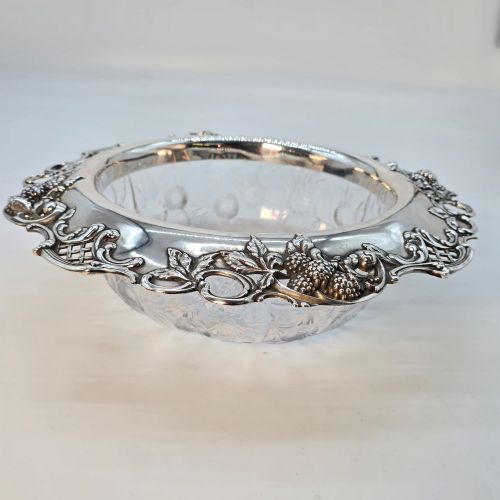
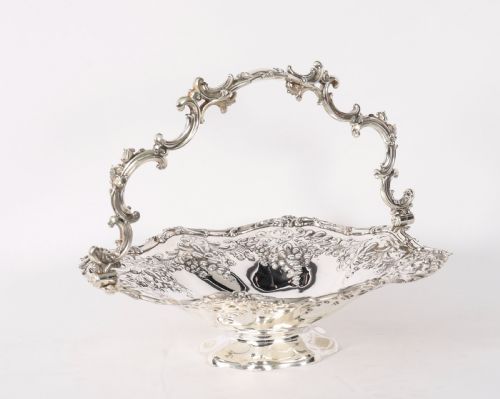
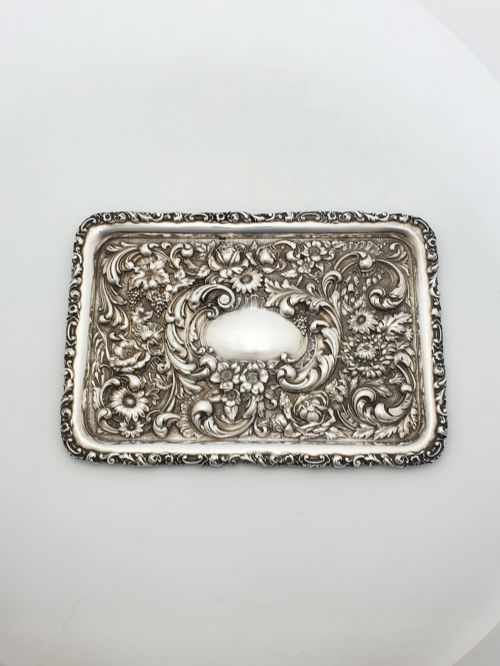
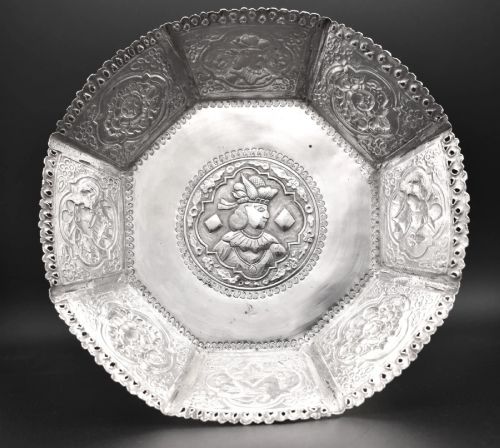
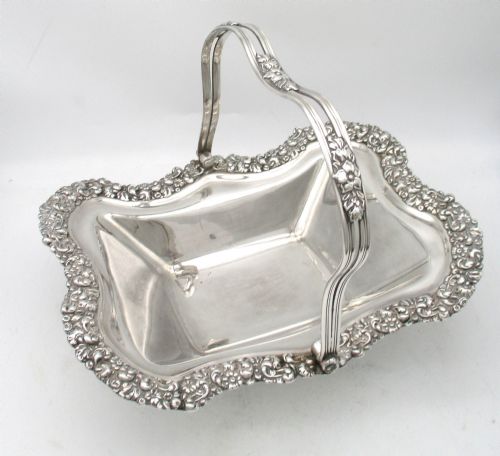
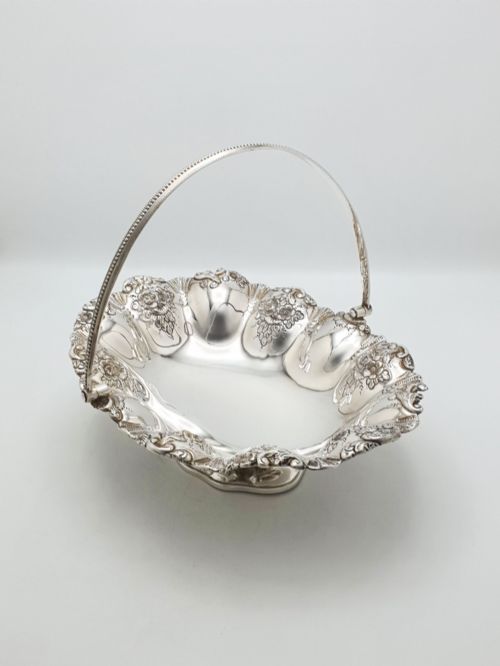
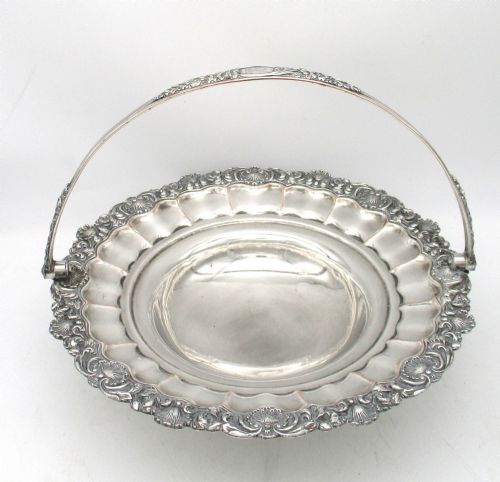
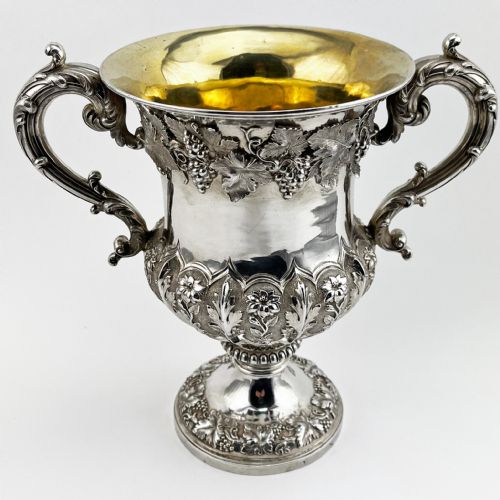
A repousse silver centrepiece encompasses heavily decorated bowls, fruit baskets, trays, tazzas and punch bowls designed to anchor a formal table setting. The examples found here span the Georgian, Victorian and Edwardian eras, alongside distinct regional styles such as Chinese Export, Anglo-Indian and Meiji period works.
Buyers will frequently encounter Victorian sterling silver and silver-plated bowls featuring raised floral and bird decoration, alongside footed fruit baskets and pedestals. These pieces served functional roles in period dining, holding fruit, sugar or decorative displays before transitioning into pure display objects today.
Materials and construction methods
The objects listed utilise sterling silver, solid silver, and various plated methods including Old Sheffield plate and electroplated nickel silver, sometimes combined with crystal, cobalt glass or bronze. Anglo-Indian and Chinese Export pieces often utilise high-purity white metal or regional silver alloys.
The defining technique involves hammering or pushing the metal from the reverse side to create raised, three-dimensional surface relief. This repousse work is frequently paired with chased detailing, piercing, and cast mounts to form elaborate floral and fauna motifs.
Repousse Silver Centrepiece Retail Price Guide 2026
Typical asking prices for repousse silver centrepiece among the pieces listed under this phrase on Sellingantiques today, from the lower quarter to the upper quarter. They describe what is for sale here now, not the wider market.
Separating standard production from finer output
Quality rests in the depth, crispness and hand of the repousse hammering, where deeply worked relief shows greater articulation in petals, birds and scrolls than shallow, mechanical pressing. The weight of the metal relative to the vessel size and the integrity of applied rims or footed mounts signal the maker's original investment of labour.
Maker marks, town marks and regional hallmarks further distinguish the standard of the piece, identifying notable workshops such as Elkington, Martin Hall, or William Comyns. The harmony between the chased ornament and the vessel form dictates the overall visual success of the centrepiece.
George W. Scott & Sons Ltd·Tiffany & Co.·James Dixon·William Comyns·Elkington & Co·Martin Hall
The Repousse Silver Centrepiece Glossary
- Repoussé
- A metalworking technique where the artisan hammers the design from the reverse side to form raised relief on the front. This creates a tactile, three-dimensional surface texture.
- Tazza
- An ornate shallow bowl or cup mounted on a foot and stem. It is typically used for serving fruit or sweets in period dining.
- Old Sheffield Plated
- An early fusing method where a thin sheet of sterling silver is fused to a copper core. This technique predates modern electroplating.
- Dish Ring
- A spool-shaped stand, also known as a potato ring, placed on the dining table to support hot dishes. Irish examples frequently feature pierced and repousse decoration.
- Chasing
- A finishing technique performed on the front of the metal using small punches to refine and sink details into repousse work. It sharpens lines and adds internal texture.
Repousse Silver Centrepiece: Frequently Asked Questions
What is a repousse silver centrepiece used for?
These vessels were created to anchor formal dining tables as decorative display pieces or functional containers for fruit, sugar and punch. Their elaborate raised ornamentation made them focal points for domestic hospitality.
Today, they function as decorative table centrepieces, side table ornaments or display bowls in traditional and contemporary interiors.
How do I date a Victorian centrepiece?
Dating relies heavily on the hallmarks stamped into the metal, which indicate the assay office, date letter and standard of silver used. Stylistic cues such as Rococo Revival scrolls or dense floral motifs also point to specific decades within the nineteenth century.
Unmarked pieces or silver-plated items require assessment through manufacturing techniques, weight, and retailer marks stamped on the base.
What is the difference between sterling and plated versions?
Sterling silver contains a guaranteed high purity of silver throughout the entire object, bearing official hallmarks for the metal standard. Silver-plated pieces consist of a base metal, such as copper or nickel silver, covered by a thin layer of silver.
Both categories utilise repousse techniques, but solid silver carries intrinsic metal value alongside the craftsmanship of the maker.
How should I care for antique silver?
Maintenance involves gentle cleaning with appropriate silver cloth or non-abrasive polish to remove tarnish without flattening the delicate repousse relief. Harsh dips can strip the natural patination built up over decades.
Keeping the pieces away from direct moisture and sulphur-bearing materials helps preserve the surface finish of both solid and plated items.