



Repousse Metal Plaque
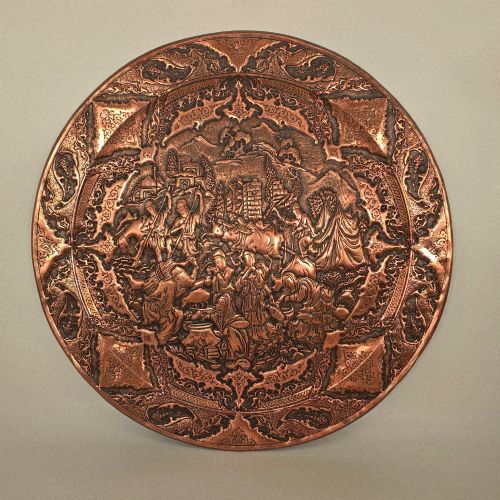
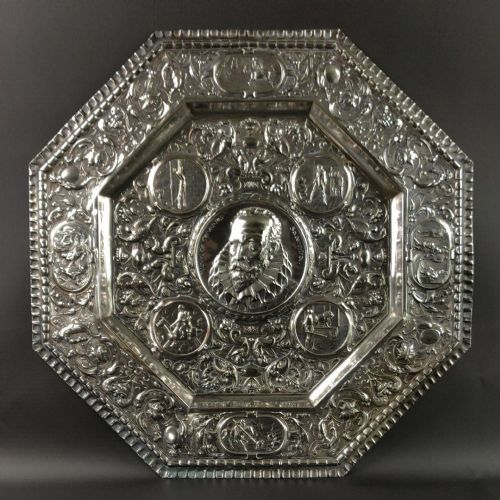
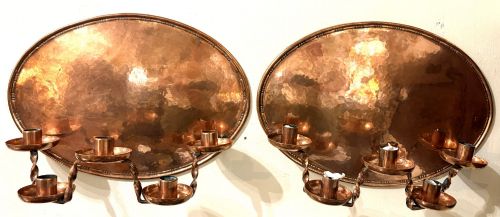
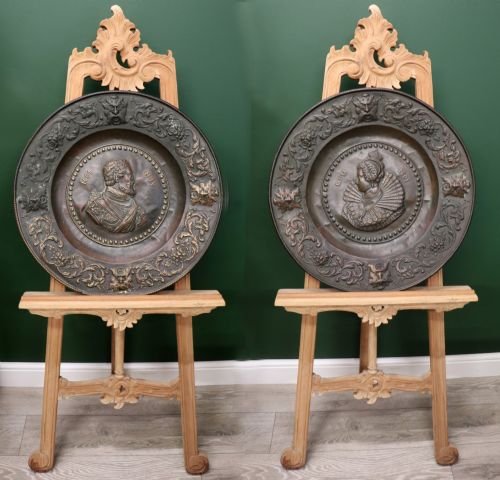
These repousse metal plaque examples bring tactile depth and historic portraits to interior walls through hammered and raised designs.
Repousse Metal Plaque
A repousse metal plaque is a decorative wall hanging or charger shaped by hammering the metal from the reverse to form raised motifs on the front. When you search for a repousse metal plaque, you encounter pieces designed to catch ambient light and display detailed historical, mythological or botanical scenes.
The selections span wall plaques, decorative chargers and wall sconces created across the eighteenth, nineteenth and early twentieth centuries. Copper, brass and silver plate dominate the offerings, frequently taking circular or oval forms intended for prominent display.
Arts and Crafts workshops and nineteenth-century revival movements supply the bulk of these items. Buyers frequently select them to anchor a room with hand-worked metallic texture and narrative portraiture.
How they were made
Artisans produced these pieces using malleable metals such as copper, brass and bronze, often augmenting them with silver plating or electrotype techniques. The metal sheet was secured to a yielding pitch bed and worked from the back with punches and hammers to push the design outward.
Detailing was completed from the front using chasing tools to sharpen lines, press down background areas and add surface engraving. Piercing, openwork and applied patination were regularly employed to create contrast and depth within the finished design.
Repousse Metal Plaque Retail Price Guide 2026
Typical asking prices for repousse metal plaque among the pieces listed under this phrase on Sellingantiques today, from the lower quarter to the upper quarter. They describe what is for sale here now, not the wider market.
Listings feature copper and brass predominantly, alongside silver plate, bronze and pewter across the nineteenth and early twentieth centuries.
What varies in quality
The artistic execution of the central subject distinguishes workshop output from mass production. Well-defined portraiture, balanced composition and harmonious patination elevate a piece far above simpler decorative items.
Gustav Grohe·Faulkner Bronze Company·Elkington and Co·WMF
The Repousse Metal Plaque Glossary
- Repoussé
- A metalworking technique where the artisan hammers a design from the reverse side to create a raised relief on the front. This method requires considerable skill to maintain even metal thickness and sharp detail.
- Charger
- A large ornamental plate or dish intended for display on a wall or sideboard rather than for dining use. These pieces often feature elaborate armorial or figural motifs.
- Electrotype
- A replica or metal object produced through an electrolytic deposition process onto a prepared mould. This nineteenth-century technique allowed precise reproduction of complex metallic reliefs.
- Alms dish
- A shallow metal bowl or basin historically used in churches for collecting offerings. Many survive from earlier centuries with embossed religious or heraldic decoration.
- Chasing
- The complementary metalworking process done on the front side of a piece after repoussé work. It refines the contours and adds texture with small punches.
Repousse Metal Plaque: Frequently Asked Questions
How do I hang a heavy metal charger safely?
Wall chargers and heavy plaques require robust brass wall brackets or specialised picture wire secured directly to wall studs. Ensure the mounting hardware supports the full weight of the metal piece.
Avoid relying solely on standard plaster hooks for large copper or bronze items. Check the rim and rear attachments periodically to ensure stability.
Should I polish my antique copper plaque?
Original patination and dark oxidisation accumulation develop over decades and contribute significantly to the visual character of nineteenth-century metalwork. Polishing away these layers can strip the piece of its historic depth.
Light dusting with a dry microfibre cloth is generally sufficient for maintenance. Consult a specialist before attempting any aggressive cleaning.
How do I distinguish Arts and Crafts pieces from earlier revivals?
Arts and Crafts examples usually display visible hammer marks, stylised natural motifs like pomegranates, and a focus on honest material construction. They frequently lack the formal symmetry seen in earlier neoclassical or high Victorian work.
Revival pieces often rely on historical portraiture, classical mythology and machine-finished grounds. Examining the reverse side usually reveals the extent of hand intervention versus mechanical stamping.
What is the difference between a plaque and a charger?
Chargers are large, traditionally round plates originally intended for dining tables or sideboard display. Plaques encompass a broader range of shapes and are primarily manufactured specifically for wall mounting.
Both categories utilise similar repoussé and chasing techniques to depict portraits, landscapes or heraldry.