

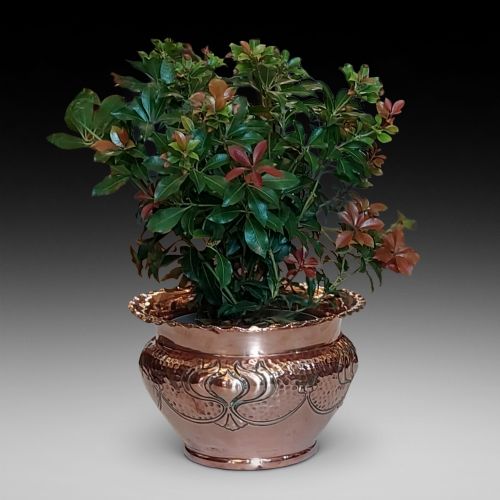
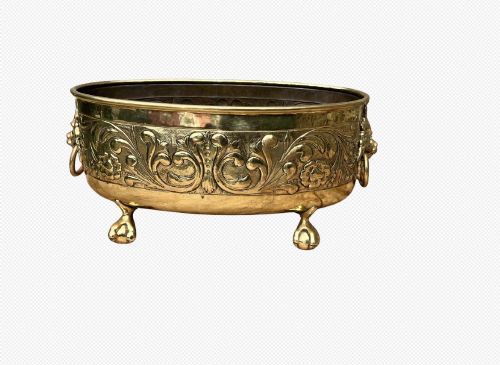
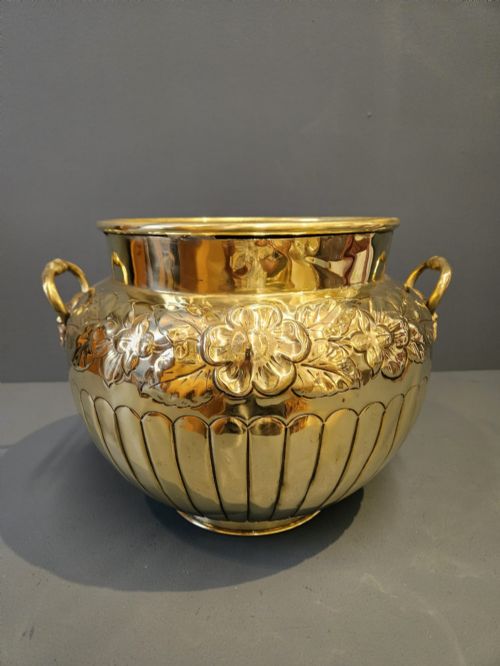
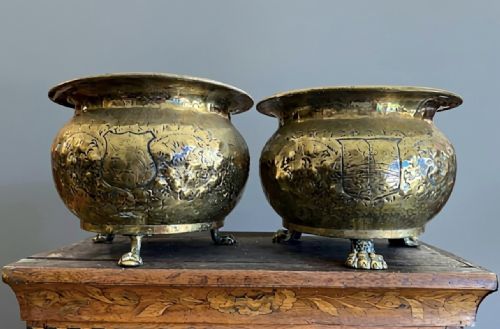
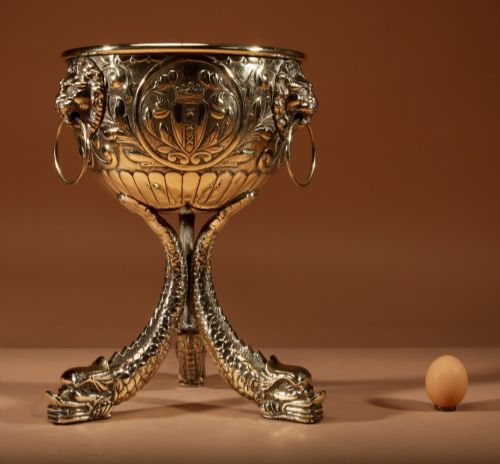

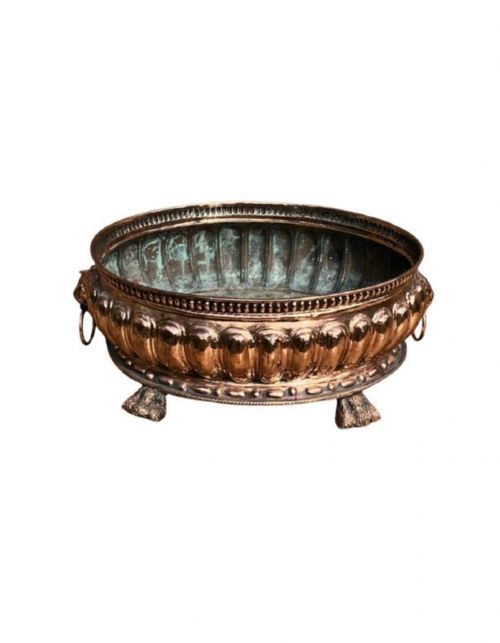

Repousse Jardiniere
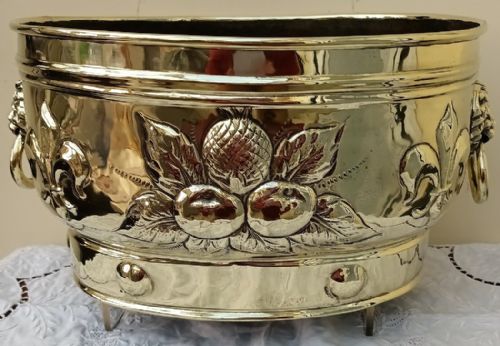
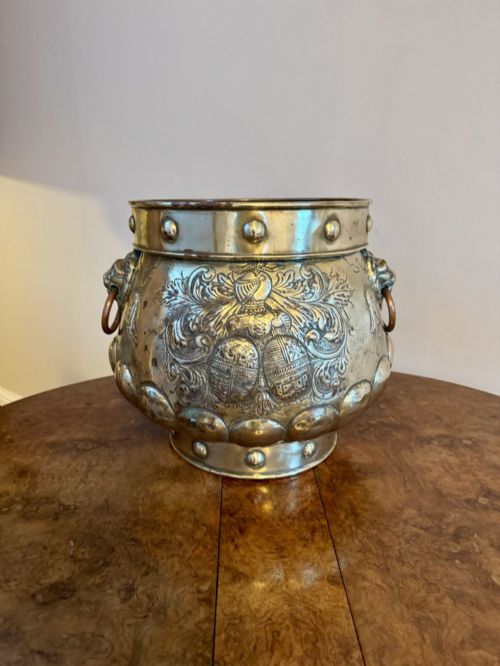
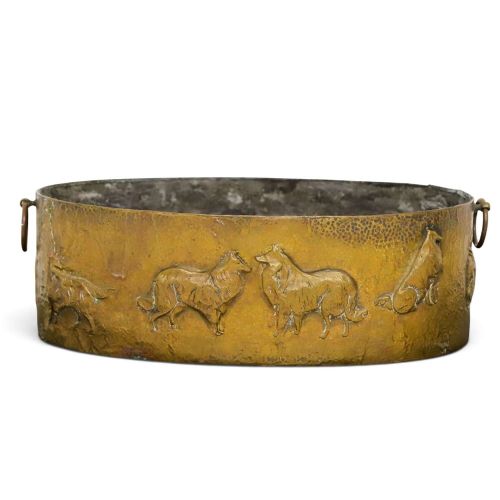
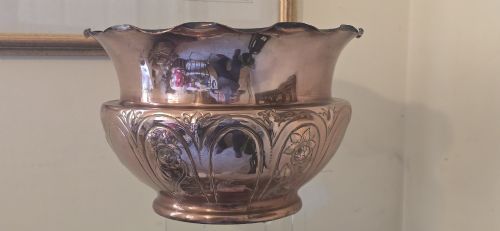
These repousse jardiniere vessels are hammered and embossed metal planters designed to hold growing plants or flowers in domestic interiors.
Repousse Jardiniere
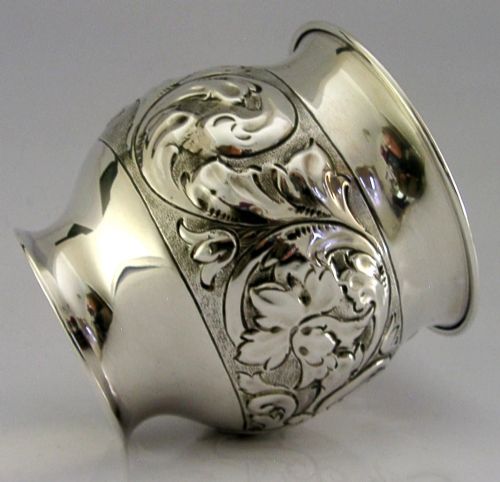
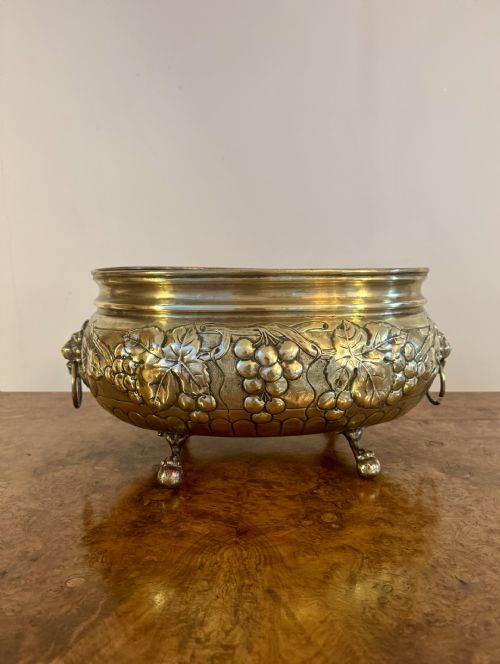
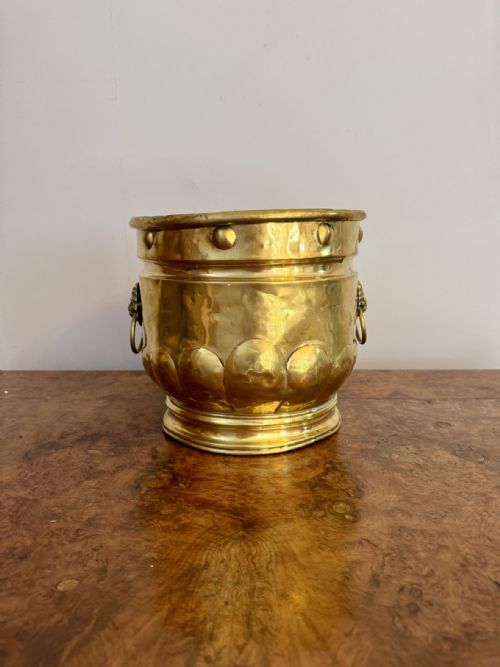
A repousse jardiniere is an ornamental plant holder fashioned from sheet metal and decorated with raised surface designs beaten from the reverse side. When you search for this phrase, you encounter vessels produced across multiple decades, from the eighteenth century through the Edwardian era. The most frequent form on this page is the nineteenth century brass or copper planter, often associated with Victorian, Arts and Crafts, or Art Nouveau design movements.
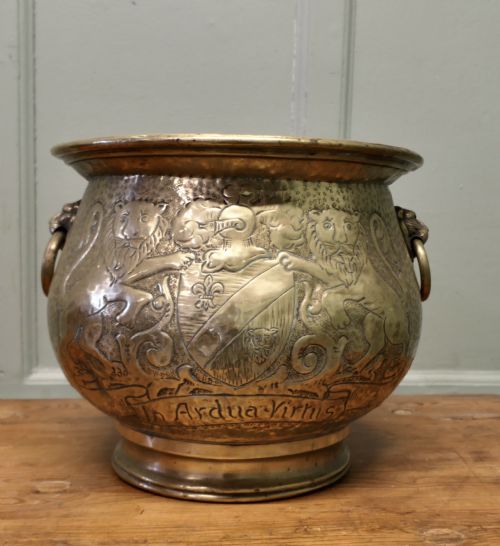
Makers and workshops across Britain, France, Belgium, and the Netherlands produced these planters for domestic displays, sometimes incorporating wrought iron stands or lion mask handles. Forms range from simple circular pots to square stands and large log buckets lined with zinc. You will also find examples showing Gothic Revival, French Empire, and Dutch traditional styles among the current selection of metalware.
How they were made
The primary materials recorded in these listings are brass and copper, supplemented by wrought iron, bronze, zinc, and silver plate. Artisans worked sheet metal by hammering it from behind to push the relief design outward, a technique known as repousse work, frequently combined with casting for handles, rims, and feet.
Dinarderie methods also appear, reflecting medieval brassworking traditions adapted for later decorative vessels. Workshops combined these hammered bodies with structural iron stands or added animal heads, shields, and lion masks to cast components.
Repousse Jardiniere Retail Price Guide 2026
Typical asking prices for repousse jardiniere among the pieces listed under this phrase on Sellingantiques today, from the lower quarter to the upper quarter. They describe what is for sale here now, not the wider market.
Listings span the eighteenth century to the 1920s, with Victorian and Arts and Crafts periods dominating the available brass and copper forms.
What varies in quality
Quality in a repousse jardiniere rests upon the crispness of the hammered relief and the weight of the base metal. Superior examples display deep, deliberate embossing that retains sharp contours rather than shallow, blurred stamping.
The integration of cast elements, such as handles and original stands, separates standard production pieces from finer works. Heavier gauge metals and intact interior linings, particularly zinc, demonstrate superior original manufacture.
J Sankey and Sons
The Repousse Jardiniere Glossary
- Repousse
- A metalworking technique where the artisan hammers a design from the reverse side to create a raised relief on the front. This method allows for intricate pictorial and decorative surface patterns.
- Jardiniere
- An ornamental pot or stand designed to hold plants or flowers inside a room. The term derives from the French word for gardener.
- Dinanderie
- Medieval and later brass or copper hollowware produced in towns along the Meuse Valley, notably Dinant. The term describes decorative beaten and cast brass objects.
- Arts and Crafts
- A design movement emphasising handcraftsmanship and simple forms over mass production. Pieces from this tradition often feature plain copper surfaces with minimal, honest ornamentation.
- Art Nouveau
- A style characterised by flowing, organic lines inspired by natural forms. Planters in this aesthetic often incorporate sinuous plant motifs and stylized shapes.
Repousse Jardiniere: Frequently Asked Questions
What is a repousse jardiniere?
A repousse jardiniere is an ornamental metal vessel used for holding plants, decorated with raised designs hammered from the reverse side.
These pieces were produced in brass and copper across the eighteenth, nineteenth, and early twentieth centuries.
How were these metal planters used?
They served as decorative holders for potted plants inside Victorian, Edwardian, and earlier domestic interiors.
Larger versions sometimes functioned as log buckets or wine coolers alongside their primary horticultural purpose.
How do I tell Victorian from Edwardian pieces?
Victorian examples often favour heavier brass construction with Gothic Revival or classical decorative motifs.
Edwardian pieces frequently embrace softer Art Nouveau lines and hammered copper surfaces typical of the Arts and Crafts movement.
Are original stands common?
Original stands appear with certain Dutch and Arts and Crafts examples, elevating the planter off the floor.
Many vessels were manufactured as standalone pots intended to sit upon furniture or hearths.