

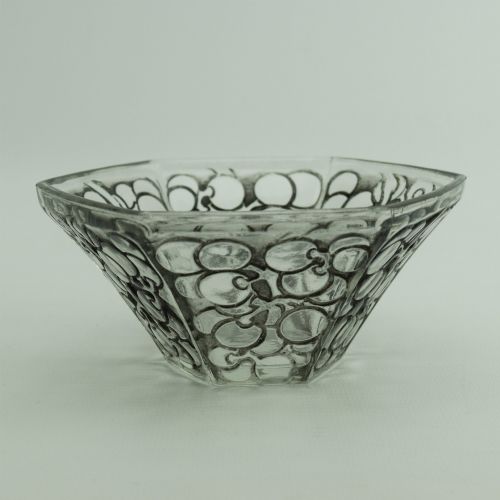


Rene Lalique Dish
These pieces of rene lalique dish bring together modernist geometry and natural form, offering a sculptural centrepiece for any table.
Rene Lalique Dish
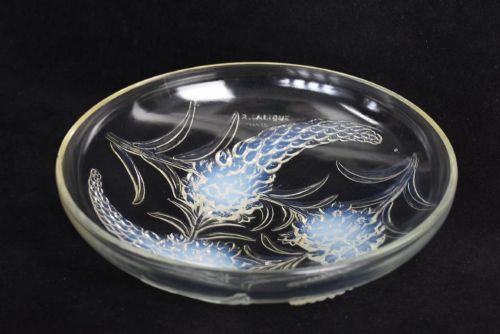
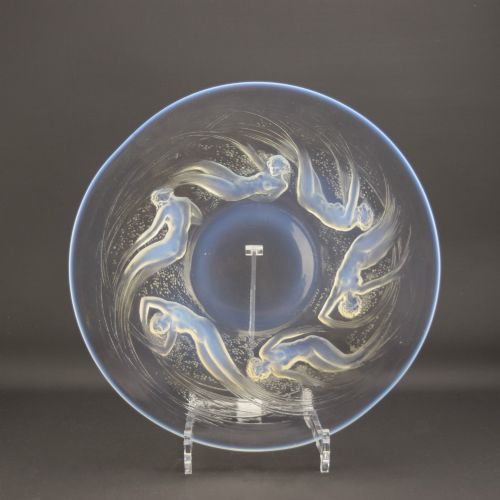
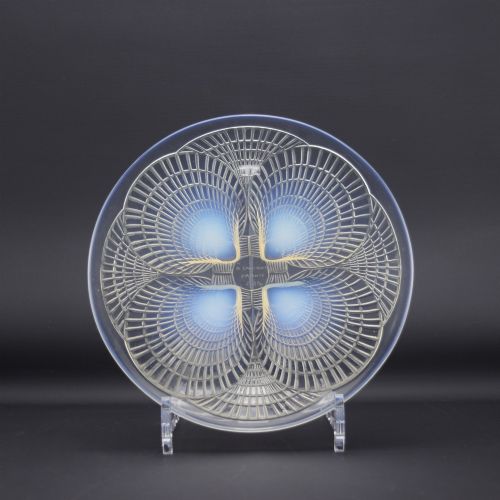
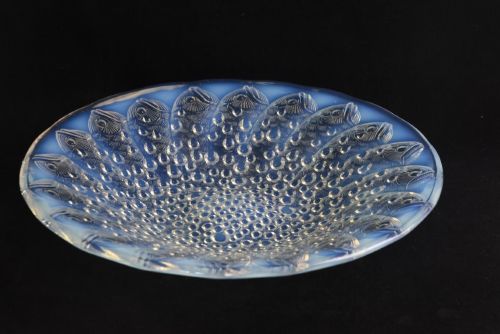
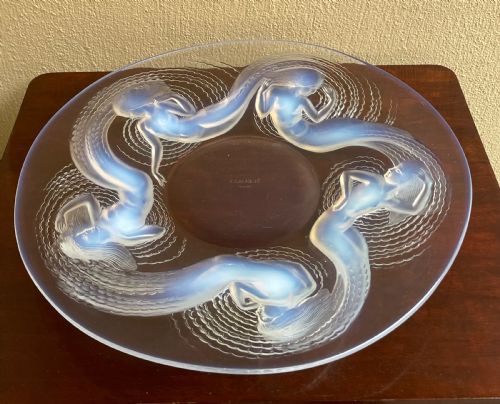
When you search for a rene lalique dish, you encounter shallow bowls, chargers, and decorative plates produced during the early twentieth century. These domestic items range from small pin dishes to large open coupe forms designed for display and practical use.
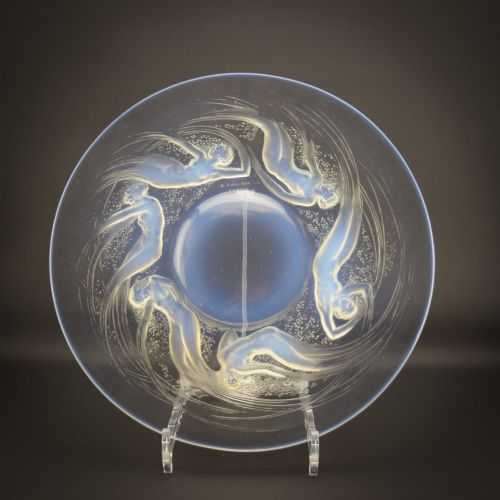
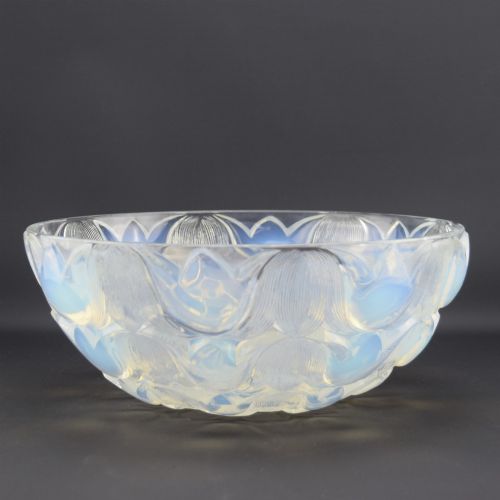
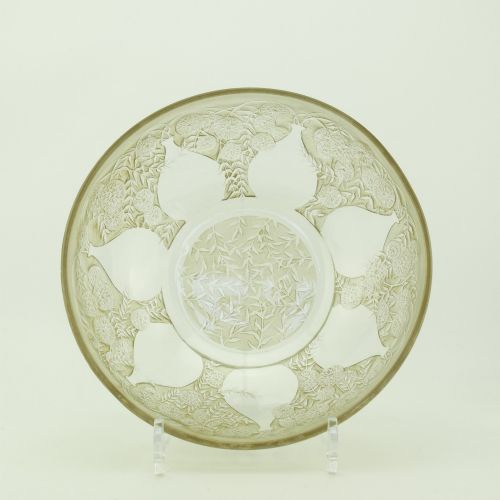
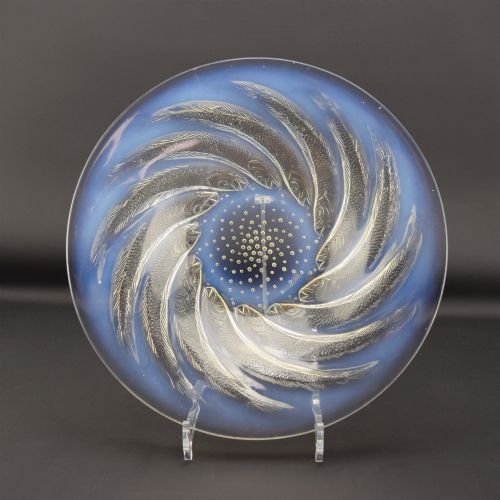
The objects span Art Nouveau and Art Deco styles, showing how the maker transitioned from floral motifs to geometric abstraction across the Edwardian period and the 1920s and 1930s. The versions most frequently met on this page are circular opalescent plates and bowls bearing specific named models.
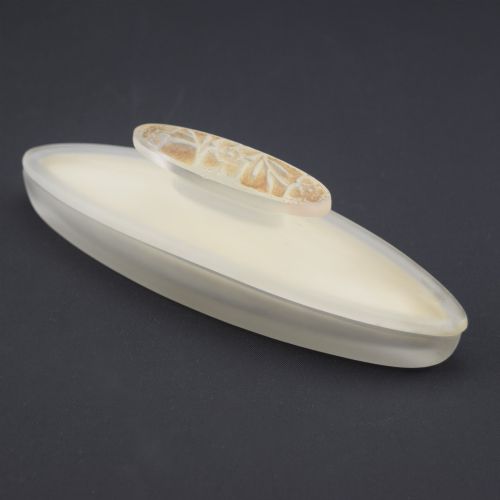
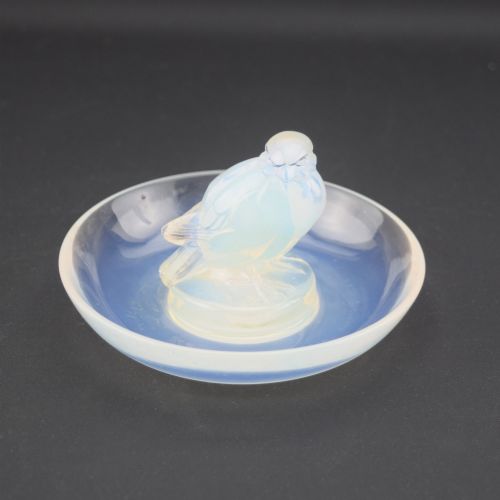
Moulded glass items dominate the selection, appearing as trinket boxes, ashtrays, and salvers. Each vessel embodies the decorative ambition of the interwar studio output.
Materials and Technique
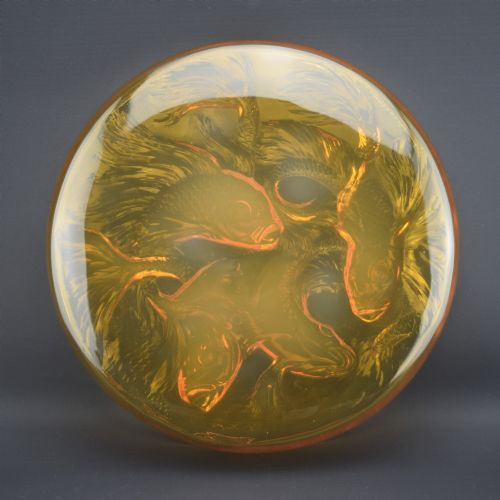
Production relied on pressed and moulded glass, shaping molten material into heavy-walled vessels with integrated relief decoration. Makers utilised clear, frosted, and amber glass to manipulate how light travels through the relief.
Opalescent glass creates a characteristic milky-blue glow when lit from certain angles, produced by specific chemical additions during cooling. Coloured stains, including sepia and grey enamel, were rubbed into the recessed details to accentuate the depth of the carved patterns.
Rene Lalique Dish Retail Price Guide 2026
Typical asking prices for rene lalique dish among the pieces listed under this phrase on Sellingantiques today, from the lower quarter to the upper quarter. They describe what is for sale here now, not the wider market.
Listings feature pieces from the Edwardian era through the 1930s, executed in amber, frosted, and opalescent glass.
Judging Quality
Quality rests upon the crispness of the moulded relief and the intensity of the opalescent effect within the glass body. Stronger examples display sharp definition in the feathers, fish, or floral heads without blurring in the recessed lines.
The success of a piece depends on the harmonious application of coloured stains and enamels, which should sit evenly within the designated details. Heavier, larger chargers and deep coupe forms demonstrate greater technical ambition than small utilitarian pin dishes.
René Lalique
The Rene Lalique Dish Glossary
- Opalescent Glass
- A type of glass that appears milky-blue in transmitted light and warm amber or yellow in reflected light. This optical property defines many Lalique tableware items.
- Coupe Ouverte
- An open bowl shape with wide, shallow sides suited for display. These pieces often feature continuous moulded motifs around the interior or exterior rim.
- Frosted Glass
- A matte surface finish achieved by acid-etching or sandblasting the clear glass body. It creates contrast against polished highlights.
- Sepia Stain
- A dark brownish pigment applied to the recessed parts of a moulded design. It highlights the intricate details of figures, animals, and plants.
- Salver
- A flat, broad serving vessel or decorative plate. In glass production, it functions as a heavy centrepiece dish.
Rene Lalique Dish: Frequently Asked Questions
How were these dishes used originally?
These vessels served as decorative centrepieces, fruit bowls, and vanity accessories on dressing tables. Many functioned as shallow serving dishes or ashtrays in fashionable interwar interiors.
Larger chargers and salvers were primarily decorative, displayed on sideboards to showcase the play of light through the opalescent material.
How do I identify Art Deco pieces?
Art Deco examples feature stylised floral motifs, symmetrical geometric patterns, and structured repeating borders. The lines tend to be cleaner and more architectural than earlier organic designs.
Plates and bowls from this movement often incorporate bold animal or human figures rendered in high relief.
What causes the blue glow in the glass?
The milky-blue effect results from the inclusion of specific minerals and chemicals in the molten batch that scatter light waves. When the glass cools unevenly in the mould, it catches the light to produce this characteristic opalescence.
Different viewing angles alter the colour intensity between blue tones and warm yellows.
How should I display them at home?
Place these glass vessels where natural light can pass through the body to activate the opalescent properties. Open bowls and chargers look best on flat surfaces near windows or illuminated display cabinets.
Avoid stacking them, as the heavy moulded glass and raised relief require independent space to prevent surface rubbing.