


Renaissance Style Lion Carving
These pieces of renaissance style lion carving bring historic weight and sculptural presence into a room.
Renaissance Style Lion Carving
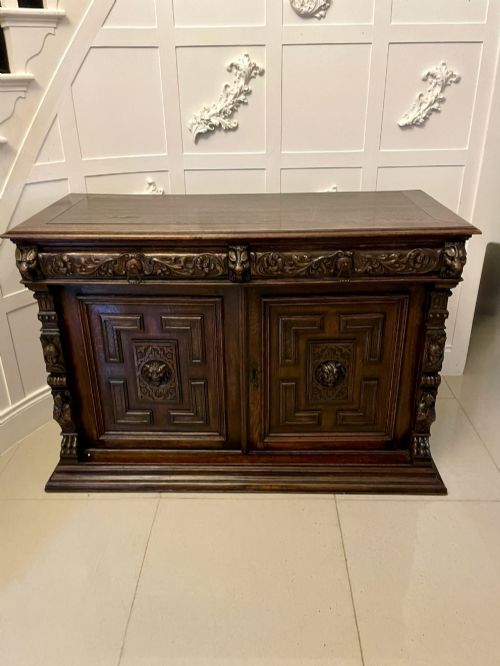
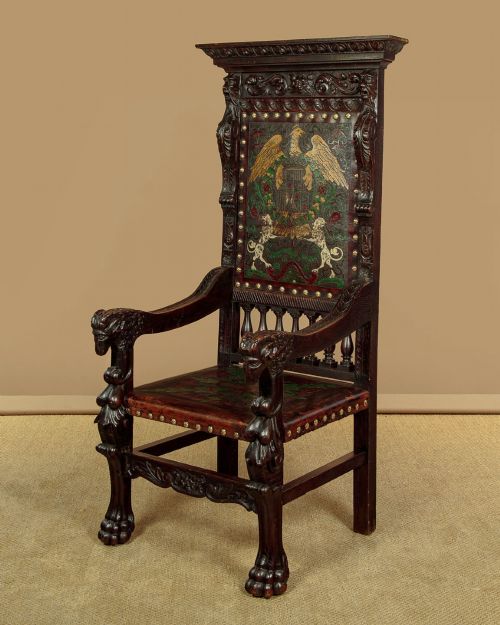
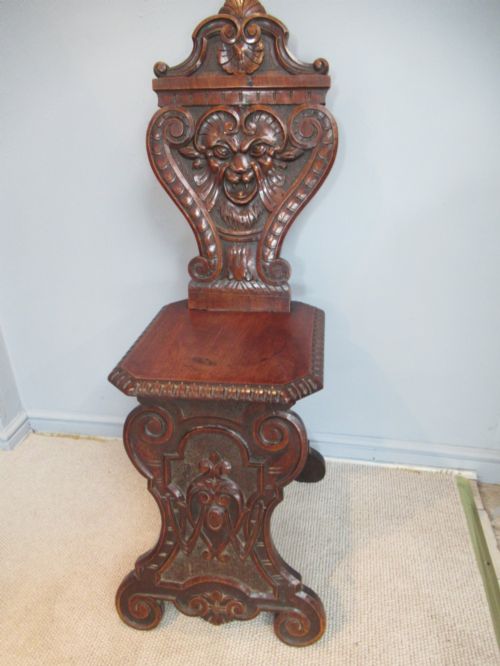
A renaissance style lion carving summons the bold forms of the fifteenth century through nineteenth-century execution. These decorative items range from substantial oak sideboards and throne chairs to individual animal statues, window seats, and wall panels.
Buyers meet variations spanning from the eighteen-fifties to nineteen-ten, drawing on Renaissance Revival, Gothic Revival, and Venetian Renaissance styles. Oak and walnut form the core of the furniture and figures, accompanied by mahogany, leather, and sienna marble.
The selection here includes seating like X-framed stools and monks benches alongside architectural elements and fireplace components. Each piece employs classical motifs derived from historical precedents to create striking architectural statements.
How They Were Made
Cabinetmakers and sculptors worked primarily in dense hardwoods such as oak, walnut, and mahogany, selecting timber capable of holding sharp, deep chisel work. Master carvers utilised hand tools to model muscles, manes, and heraldic details directly into the solid grain.
Secondary materials like painted leather, tapestry fabric, and brass provided contrast and texture against the dark timber frames. Sourced elements like carved sienna marble panels demonstrate alternative sculptural techniques executed in stone.
Listings feature oak, walnut, and mahogany, alongside sienna marble and brass.
What Varies in Quality
The ambition of the carving separates standard production from master craftsmanship. Pieces attributed to named hands display anatomical precision and fluid movement in the musculature and facial expressions of the lions.
The selection of timber and the integrity of the joinery dictate the longevity and visual weight of the item. Heavy carving integrated directly into the structural framework of chairs and sideboards indicates a higher grade of design than applied decorative elements.
Luigi Frullini
The Renaissance Style Lion Carving Glossary
- Renaissance Revival
- A nineteenth-century design movement that drew inspiration from fifteenth-century Italian and Northern European art and architecture. It often incorporated heavy carvings, symmetrical facades, and classical ornamentation.
- X-Framed Stool
- A form of seating supported by intersecting diagonal legs that create an X shape when viewed from the side. This ancient form saw renewed popularity during the Victorian period.
- Armorial Coat Of Arms
- A distinct heraldic design usually displayed on a shield, representing a specific family, institution, or monarch. These symbols often appeared on carved wooden panels and architectural stone work.
- Winged Griffins
- Mythological creatures combining the body of a lion with the head and wings of an eagle. They frequently featured as structural supports or decorative motifs in Italian furniture.
- Monks Bench
- A multifunctional piece of furniture featuring a hinged back that folded down to create a table surface over a box seat. They were popular in revival interiors for their perceived medieval utility.
Renaissance Style Lion Carving: Frequently Asked Questions
What is a renaissance style lion carving?
These items are nineteenth-century decorative and functional pieces influenced by fifteenth-century design traditions. They incorporate sculptural representations of lions into furniture, statues, and architectural panels.
The aesthetic relies on heavy timber construction, deep relief carving, and classical motifs intended to evoke historic European palaces and civic buildings.
Where were these pieces used?
Original nineteenth-century revival interiors utilised these carved pieces in grand entrance halls, libraries, and formal dining rooms. Their imposing scale suited high-ceilinged spaces designed for entertaining.
Today, individual figures, wall panels, and smaller stools integrate easily into domestic settings as focal points or statement seating.
How do I care for carved hardwood?
Hardwood furniture and sculptures require stable indoor humidity levels to prevent the timber from splitting or warping. Dusting with a soft, dry cloth keeps the deep crevices of the carving clean.
Avoid placing these items in direct sunlight or near heat sources, which can dry out the historic wood and any associated leather or fabric elements.
How are different periods told apart?
Dating relies on examining the timber preparation, tool marks left by the carver, and the specific revival sub-style. Mid-nineteenth-century items often show crisp, deep hand-carving while later pieces from nineteen-ten may blend multiple revival influences.
Material choices, such as the inclusion of sienna marble or painted leather, also help place an object within its Victorian or Edwardian production window.