


Carved Lion Ornament
A carved lion ornament brings strength and presence into a room, spanning from intimate jade desk seals to monumental garden statuary.
Carved Lion Ornament
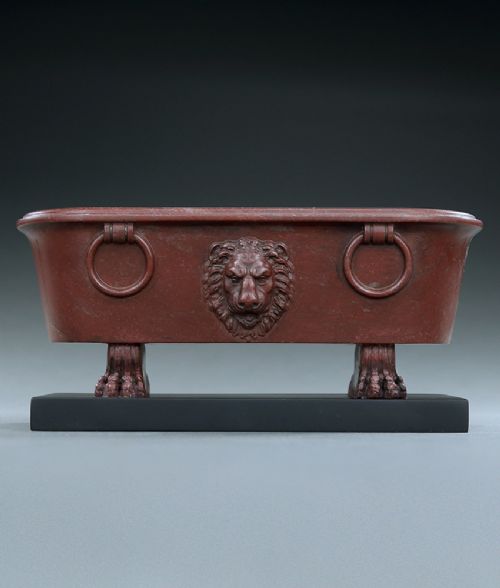
A carved lion ornament represents a sculptural tradition encompassing desk accessories, interior figures, and garden statuary. These pieces draw from diverse cultural idioms, ranging from English country house giltwood to traditional Chinese stone temple guardians.
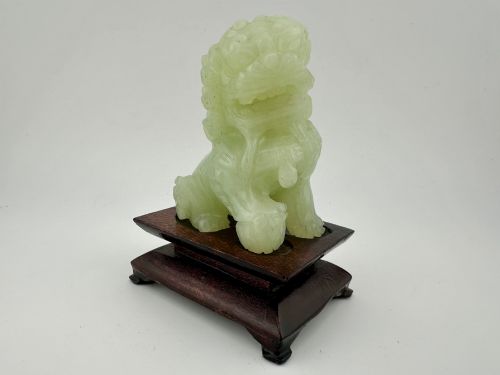
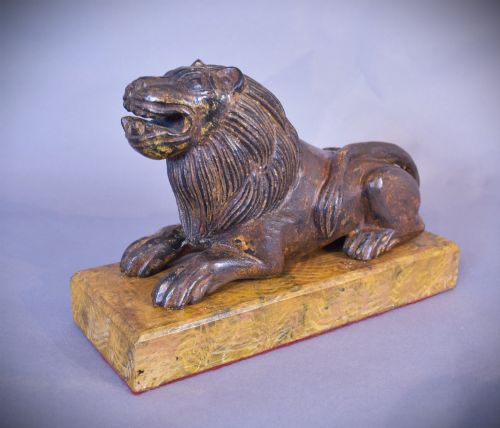
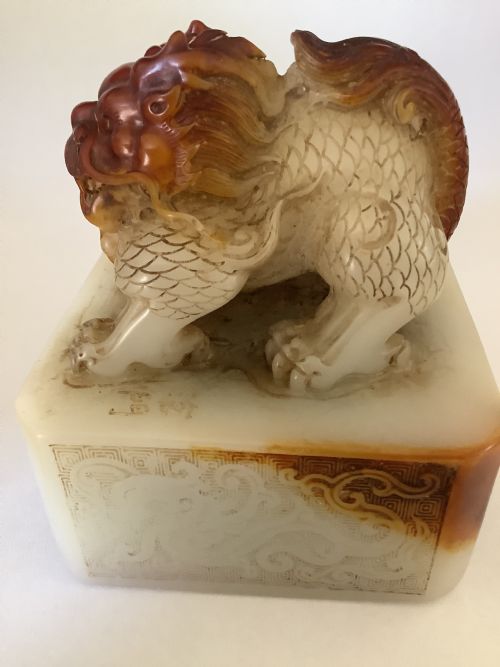
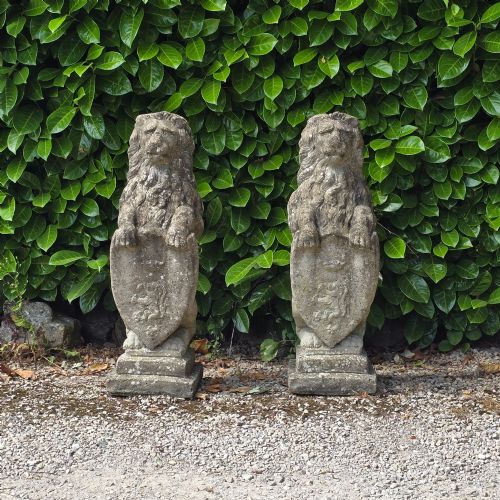
The selection on this page demonstrates remarkable variety in scale and function, moving from heavy stone garden plinth figures to smaller decorative ornaments. Domestic examples appear as carved wood figures, marble sculptures, and alabaster pairs, whilst scholarly desk items take the form of jade type seals.
Origins span across centuries, incorporating seventeenth-century woodwork alongside nineteenth-century classical revivals and twentieth-century garden pieces. Buyers encounter both singular sculptural depictions and matched pairs designed for architectural placement.
How they were made
Materials dictate the character of each piece, utilising natural stones such as serpentine marble, alabaster, green marble, and soapstone alongside solid hardwoods and root wood. Painters and gilders occasionally finished wooden carvings with gold leaf or surface pigments to enhance decorative impact.
Sculptors shaped these figures through manual reduction, carving hardstones with abrasive pastes and chiselling timber and stone blocks. Garden statuary required weather-resistant stone or reconstituted mixes capable of enduring outdoor placement.
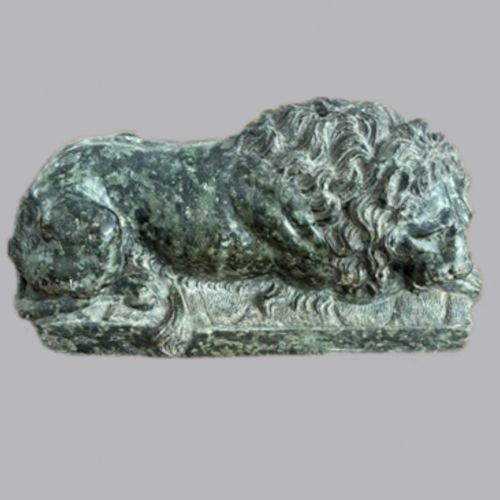
One nineteenth-century marble lion boldly wears the mantle of Venice, channelling centuries of Venetian maritime pride.
What varies in quality
Quality rests upon the anatomical precision of the carving and the vitality captured in the animal's posture. Finer examples display subtle musculature and expressive facial detailing, whereas simpler works rely on stylised convention.
Material selection divides standard ornaments from exceptional works, with dense jades, fine marbles, and well-figured hardwoods demanding greater skill from the carver. The handling of surfaces, whether through high polish or retained tool marks, defines the aesthetic success of the sculpture.
The Carved Lion Ornament Glossary
- Foo dog
- A traditional guardian lion derived from Chinese iconography, often depicted protecting sacred spaces. These figures frequently appear in pairs guarding doorways or serving as scholarly desk seals.
- Grand tour
- A nineteenth-century tradition where travellers collected classical souvenirs, including miniature marble and serpentine stone lions modelled after famous Italian monuments. These pieces reflect academic interest in antique sculpture.
- Recumbent
- A sculptural term describing a figure lying down whilst remaining alert or restful. This posture is common in marble and stone carvings designed for hearths or architectural ledges.
- Desk seal
- A small carved object featuring a sculpted animal atop an engraved base used for stamping wax. Examples carved from soapstone and jade combine utility with decorative sculpture.
- Plinth
- A heavy architectural block or base that elevates a statue. Garden lions and interior figures often rest upon integrated or matched plinths to provide stability and presence.
Carved Lion Ornament: Frequently Asked Questions
Where should I place a stone lion?
Garden statuary and large stone figures suit outdoor settings such as gateways, terraces, and garden paths where weather-resistant materials can weather naturally.
Smaller marble, wood, or alabaster sculptures belong inside domestic rooms on mantelpieces, desks, or dedicated display tables.
How do I care for marble sculptures?
Marble requires gentle dusting with a dry microfibre cloth to prevent abrasive particle build-up on polished surfaces.
Avoid chemical cleaners and excess moisture, particularly on antique pieces with historical patination or painted finishes.
What is a Foo dog?
A Foo dog is a stylised guardian lion originating in Chinese art, symbolising protection and prosperity.
These mythical beasts appear frequently in temple carvings, root wood sculptures, and scholarly desk seals.
Are these pieces antique?
The selection includes works from various periods, ranging from seventeenth-century woodwork and Georgian giltwood to nineteenth-century classical revivals and mid-twentieth-century garden statuary.
Each listing records the specific period or estimated era based on stylistic evidence and material analysis.